
Safe Sleeping Practices for Newborns: Complete Parent Safety Guide
Bringing a newborn home often comes with one overwhelming concern that keeps many parents awake at night: “Is my baby sleeping safely?” This worry is completely normal, especially in the early weeks when sleep is unpredictable and every sound from the crib feels significant.
Safe sleep practices are not about perfection—they are about consistently reducing risk using evidence-based guidelines developed by pediatric experts, including recommendations from the American Academy of Pediatrics (AAP). These guidelines are designed to lower the risk of sleep-related incidents such as Sudden Infant Death Syndrome (SIDS) while helping families build calm, predictable nighttime routines.
This guide breaks everything down into practical steps: how to set up a safe sleep environment, what habits to avoid, how to position your baby correctly, and how to handle real-world situations like travel, room sharing, and temperature control.
Understanding Safe Sleep for Newborns: Why It Matters
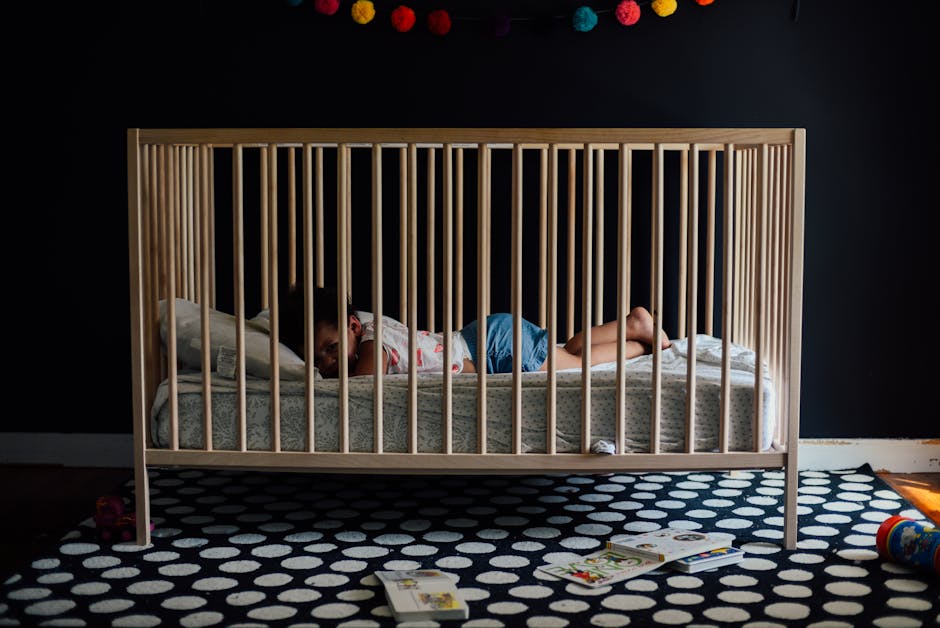
Safe sleep refers to a set of environmental and behavioral practices that reduce risks during an infant’s sleep. The goal is to create a sleep space that supports healthy breathing, stable temperature regulation, and unrestricted movement.
According to pediatric research and AAP guidelines, most sleep-related risks occur due to unsafe sleep environments rather than medical causes alone. That means parents have significant control over prevention through consistent habits.
What Safe Sleep Actually Means in Practice
In practical terms, safe sleep means placing babies on their backs, using a firm and flat sleep surface, keeping the crib free of loose items, and ensuring the sleep area remains at a comfortable temperature. It also includes avoiding bed-sharing and minimizing exposure to soft bedding or inclined sleeping surfaces.
Key Risk Factors Parents Should Know
- Sleeping on stomach or side before developmental readiness
- Soft mattresses, pillows, or blankets in the crib
- Overheating due to excessive clothing or warm environments
- Bed-sharing in adult sleep environments
- Use of inclined sleepers or non-flat surfaces
For parents building a foundation of safe routines, exploring structured guidance in the Health & Safety Tips collection can help reinforce daily habits.
The 7 Core Safe Sleeping Practices Recommended by Pediatric Experts

Pediatric sleep safety guidelines are built around seven consistent principles that significantly reduce risk when followed together. These are widely supported by hospital systems and infant health organizations.
1. Back Sleeping Position as the Gold Standard
Always place your baby on their back for every sleep session, including naps. This position keeps the airway open and reduces obstruction risks.
2. Firm Crib Mattress and Safe Bedding Rules
A firm, flat mattress with a fitted sheet is essential. Soft bedding increases suffocation risk and should be avoided completely.
3. Room Sharing Without Bed Sharing
Keep your baby’s crib or bassinet in the same room for at least the first 6 months. This supports monitoring while maintaining a separate sleep surface.
4. Avoiding Soft Objects and Loose Bedding
Cribs should remain free of pillows, stuffed animals, bumpers, and loose blankets. A clear sleep space is a safer sleep space.
5. Maintaining a Smoke-Free Environment
Exposure to smoke during pregnancy or after birth increases sleep-related risks. A smoke-free environment is strongly recommended.
6. Avoiding Overheating
Dress babies in light layers and avoid heavy blankets. Overheating is a known risk factor during sleep.
7. Offering a Pacifier During Sleep
Pacifier use at sleep time has been associated with reduced sleep-related risks once breastfeeding is established.
“Consistent safe sleep practices are one of the most effective ways parents can reduce preventable sleep-related risks in infants. Simplicity and consistency matter more than complexity.” — Pediatric Sleep Safety Specialist
How to Set Up a Safe Crib Step-by-Step

A properly set up crib is the foundation of infant sleep safety. The goal is to eliminate hazards and create a controlled environment that supports uninterrupted breathing and movement.
Parents preparing a nursery often benefit from browsing the Health & Safety collection to understand essential safety tools and practices.
Choosing a Crib That Meets Safety Standards
Ensure the crib meets current safety certifications and has no gaps, loose hardware, or drop-side mechanisms. A stable, well-constructed frame is essential.
Correct Mattress Fit and Firmness
The mattress should fit tightly within the crib frame with no gaps along the edges. It must be firm enough that it does not conform to the baby’s shape.
What Should (and Should NOT) Be in the Crib
- Allowed: fitted sheet only
- Not allowed: pillows, blankets, toys, bumpers
- Optional: sleep sack or wearable blanket
Safe Sleep Positioning: Back Sleeping Explained
Back sleeping remains the safest position for infants until they can roll independently in both directions. This recommendation is supported by decades of pediatric research.
Why Side and Stomach Sleeping Increase Risk
These positions can restrict airflow or cause rebreathing of exhaled air, increasing risk during early development stages.
What to Do If Baby Rolls During Sleep
Once a baby can consistently roll both ways independently, you can allow them to remain in their chosen position, but always place them on their back initially.
Room Sharing vs Bed Sharing: What Parents Must Know
Room sharing is strongly recommended, while bed sharing introduces increased risk due to soft surfaces, adult bedding, and accidental overlay risks.
Parents optimizing safe room setups often explore supportive resources in the Baby Care Essentials collection to build safer sleep environments.
Safe Room Sharing Setup Recommendations
- Place crib or bassinet near caregiver bed
- Keep sleep space free of clutter
- Maintain easy visual access to the baby
Why Bed Sharing Increases Risk
Adult beds are not designed for infant safety. Soft mattresses, pillows, and blankets can restrict airflow and create entrapment hazards.
Swaddling, Sleep Sacks, and Safe Comfort Practices
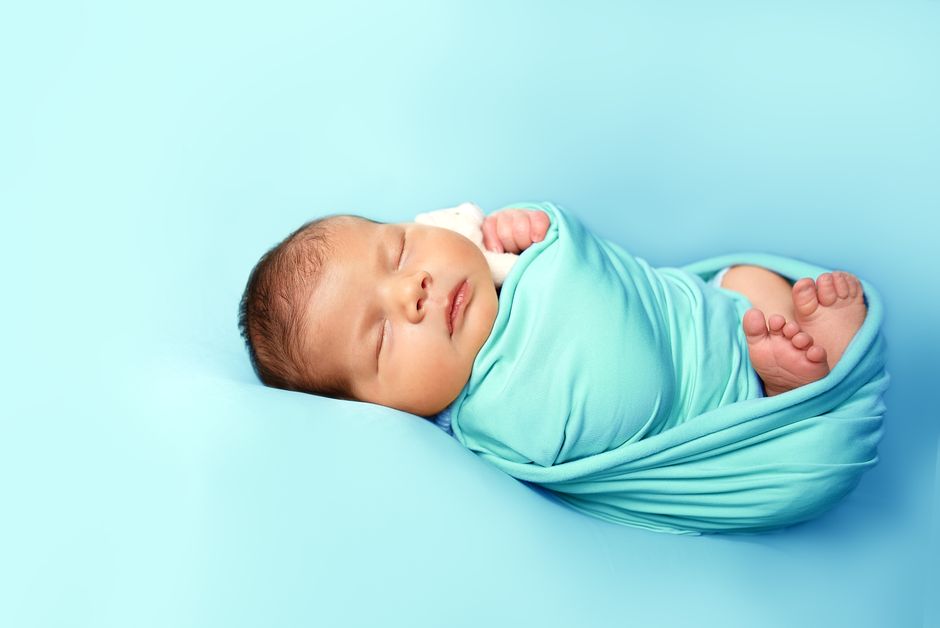
Swaddling can help newborns feel secure, but it must be done correctly and discontinued at the right developmental stage.
When and How to Use Swaddling Safely
Swaddling should be snug around the arms but loose around the hips to allow natural movement. It should always stop once rolling begins.
When to Transition to a Sleep Sack
Sleep sacks are a safer alternative once swaddling is no longer appropriate. They keep babies warm without loose fabric in the sleep space.
Newborn Temperature Regulation During Sleep

Maintaining the right temperature helps prevent overheating, which is a known risk factor in unsafe sleep environments.
Signs Your Baby Is Too Hot or Too Cold
- Too hot: sweating, flushed skin, rapid breathing
- Too cold: cool chest, restlessness, pale skin
Best Clothing Layers for Safe Sleep
Use lightweight, breathable fabrics and adjust layers based on room temperature rather than adding blankets.
Unsafe Sleeping Habits Parents Must Avoid

Even well-meaning caregivers can unintentionally introduce risk through common habits that feel comforting but are unsafe.
Common Mistakes First-Time Parents Make
- Using pillows or soft bedding for comfort
- Allowing baby to sleep on couches or recliners
- Overbundling the baby during colder nights
Dangerous Sleep Surfaces and Accessories
Inclined sleepers, soft cushions, and adult beds are not safe sleep environments for infants.
Comparison: Safe vs Unsafe Sleep Environments
| Factor | Safe Sleep Environment | Unsafe Sleep Environment |
| Sleep Position | Back sleeping | Stomach or side sleeping |
| Surface | Firm crib mattress | Soft bed, couch, or recliner |
| Bedding | Fitted sheet only | Blankets, pillows, stuffed items |
| Sleep Location | Crib in same room | Bed-sharing or unsafe surfaces |
Baby Monitors and Sleep Safety Technology

Baby monitors can support supervision but should never replace safe sleep practices. They provide reassurance, not risk elimination.
Many parents explore modern tools in the Monitoring Devices and Smart Baby Gadgets collections to support nighttime monitoring routines.
What Baby Monitors Can and Cannot Do
- Can: alert parents to movement or sound
- Cannot: prevent unsafe sleep positioning or environments
Safe Sleep During Travel, Strollers, and Camping

Sleep safety remains important outside the home. Portable sleep setups should mimic crib safety principles as closely as possible.
Portable Sleep Solutions for Travel
Use flat, firm portable bassinets or travel cribs designed for infant sleep safety.
Car Seat Sleep Safety Guidelines
Car seats are designed for travel safety, not prolonged sleep. Babies should be moved to a flat sleep surface once travel ends.
Newborn Safe Sleep Checklist

- Baby placed on back for every sleep
- Firm, flat mattress used
- Crib free of loose items
- Room sharing without bed sharing
- Appropriate clothing layers only
- No overheating signs present
- Safe sleep routine followed consistently
Expert Insight on Safe Sleep Practices
“Consistency is more important than perfection. When caregivers follow simple, evidence-based sleep guidelines every night, they significantly reduce preventable risks and create a stable sleep routine for the infant.” — Neonatal Care Specialist
Frequently Asked Questions
What are the safest sleeping practices for newborns?
Back sleeping, firm crib surfaces, no loose bedding, and room sharing without bed sharing are the safest foundational practices.
What unsafe sleeping habits should parents avoid?
Avoid soft bedding, stomach sleeping, bed-sharing, and any inclined or unstable sleep surfaces.
Can newborns safely sleep in the same bed as parents?
Bed sharing is not recommended due to increased risk factors related to soft bedding and accidental overlay.
When should babies stop being swaddled?
Swaddling should stop once a baby shows signs of rolling over.
How can parents keep a newborn safe while sleeping during travel or camping?
Use portable flat sleep surfaces, avoid car seat sleep outside travel, and maintain back sleeping position with a clear sleep area.
Conclusion: Building a Safe Sleep Routine Every Night
Safe sleep is not a single action—it is a consistent routine built on small, repeatable decisions. By following pediatric guidelines, maintaining a clear sleep environment, and avoiding common risk factors, parents can significantly improve sleep safety for their newborns.
Long-term success comes from simplicity: back sleeping, a firm crib, a clear sleep space, and steady habits every night. For ongoing guidance and supportive parenting resources, explore the Baby Care Tips & Advice hub and related safety collections.
Pillar Article: Home Safety Checklists: Baby & Family Complete Guide 2026





