

Outdoor Survival List: 57 Essential Safety Tips for Families & Beginners
Outdoor adventures can create unforgettable family memories, but even short camping trips or beginner hiking excursions can become stressful when families are unprepared for weather changes, navigation issues, dehydration, or child safety emergencies. A well-planned outdoor survival list helps parents, beginners, and travelers stay organized while reducing common risks during camping, road trips, hiking, and emergency situations.
Whether you are planning your first family camping trip, preparing an emergency car kit, or building a beginner outdoor safety checklist, understanding the basics of survival preparedness can improve confidence and help keep everyone safer. Families often focus on comfort items first, but survival preparation prioritizes shelter, water, warmth, communication, visibility, and emergency response planning.
Parents can also improve outdoor readiness by reviewing practical resources from the Health & Safety Tips section and organizing travel-ready supplies through the Health & Safety collection before longer trips.
What Is an Outdoor Survival List and Why Every Family Needs One

An outdoor survival list is a structured checklist of essential supplies, safety tools, emergency resources, and preparedness strategies designed to help individuals and families stay safe during outdoor activities, travel disruptions, weather emergencies, or wilderness situations.
Unlike standard packing lists, survival-focused checklists prioritize critical needs such as hydration, shelter, emergency communication, medical readiness, navigation, and weather protection. Families with babies or toddlers especially benefit from detailed planning because younger children are more vulnerable to heat exposure, dehydration, falls, and sudden weather shifts.

The Difference Between Camping Gear and Survival Essentials
Many beginners confuse comfort-focused camping gear with true survival essentials. Camping items improve convenience and enjoyment, while survival gear helps prevent emergencies and supports basic safety during unexpected situations.
| Camping Comfort Items | Survival Essentials |
| Portable speakers | Emergency whistle |
| Decorative lighting | Headlamp with backup batteries |
| Extra pillows | Thermal blanket |
| Large cooking kits | Portable water filter |
| Entertainment devices | First aid kit |
Families often combine practical safety items with organization tools from the Mobility & Training collection to improve travel efficiency and child supervision outdoors.
Why Family Outdoor Emergencies Are More Common Than Most Beginners Think
Most outdoor emergencies begin with small mistakes rather than dramatic disasters. Families may underestimate changing weather conditions, fail to pack enough water, rely completely on cell phones for navigation, or overlook child fatigue during long hikes.
Common beginner mistakes include:
- Leaving without checking weather alerts
- Bringing insufficient drinking water
- Not packing emergency medications
- Ignoring sun exposure risks for children
- Failing to tell others about travel plans
- Using unsafe sleeping arrangements for infants
- Allowing children to wander without visibility gear
The 5 Core Survival Priorities: Shelter, Water, Warmth, Food, Communication
Every outdoor survival plan should focus on five priorities:
- Shelter to reduce weather exposure
- Water for hydration and temperature regulation
- Warmth through clothing and insulation
- Food for sustained energy
- Communication and navigation for emergency response
Families who organize supplies around these priorities are often better prepared for both short-term outdoor issues and larger emergency disruptions.
The Ultimate Outdoor Survival List for Families and Beginners

The best outdoor survival lists balance lightweight packing with realistic preparedness. Beginners should focus on versatile tools that address multiple safety needs while remaining easy to organize and carry.
Essential Navigation and Communication Tools
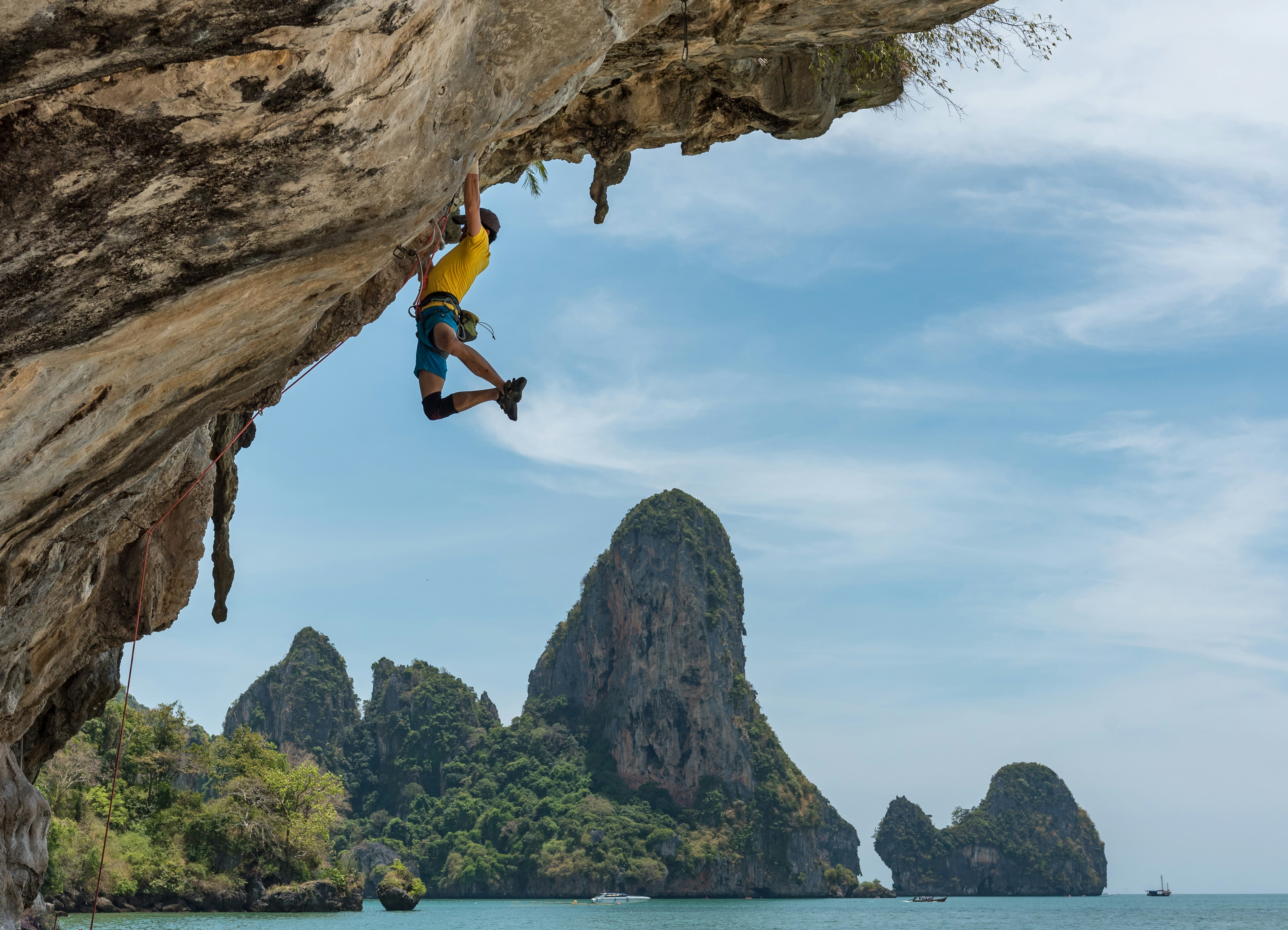
Reliable navigation remains one of the most important survival priorities for beginners. Cell service may disappear quickly in remote areas, mountainous regions, or during severe weather.
- Printed trail maps
- Compass
- Portable GPS device
- Emergency whistle
- Two-way radios
- Backup power bank
- Emergency contact list
- Notebook and waterproof pen
Parents should teach children simple emergency responses, including staying in one location if separated from the group.
Water Safety and Hydration Essentials
Dehydration develops faster outdoors than many beginners expect. Hot weather, hiking elevation, humidity, and physical activity increase fluid loss significantly.
- Reusable water bottles
- Hydration reservoirs
- Portable water filters
- Purification tablets
- Electrolyte packets
- Collapsible water containers
A practical rule for beginner hikers is to carry more water than expected, especially when traveling with children.
Emergency Shelter and Sleeping Protection
Emergency shelter protects families from rain, wind, heat loss, and exhaustion. Even short day hikes should include lightweight emergency shelter options.
- Emergency blankets
- Compact tarp
- Weather-resistant tent
- Sleeping bags rated for expected temperatures
- Extra dry clothing layers
- Sleeping pads for insulation
Parents planning overnight travel can also review options in the Sleep & Comfort collection for child-friendly travel comfort solutions.
Lighting and Visibility Equipment
Darkness increases the risk of falls, navigation mistakes, and separation incidents. Every family member should have access to reliable lighting.
- Headlamps
- Flashlights
- Glow sticks
- Reflective tape
- Extra batteries
- Emergency signal mirror
Emergency Food Supply Basics
Outdoor survival food should prioritize portability, shelf stability, and calorie density.
- Protein bars
- Trail mix
- Dried fruit
- Nut butter packets
- Instant oatmeal
- Shelf-stable baby snacks
- Electrolyte drinks
Families with infants should prepare feeding supplies carefully and organize travel nutrition tools through the Feeding Tools collection.
First Aid and Medical Preparedness
Every family outdoor kit should contain basic medical supplies tailored to both adults and children.
- Bandages
- Antiseptic wipes
- Tweezers
- Medical gloves
- Pain relievers
- Child-safe fever medication
- Allergy medications
- Emergency contact cards
- Prescription medications
Weather Protection and Clothing Layers
Layered clothing systems improve adaptability during changing weather conditions.
| Layer Type | Purpose |
| Base Layer | Moisture management |
| Middle Layer | Insulation |
| Outer Layer | Wind and rain protection |
Child and Baby Outdoor Safety Essentials
Outdoor travel with babies and toddlers requires additional preparation. Children may struggle to regulate body temperature and are more vulnerable to falls and dehydration.
- Baby carrier
- Sun hats
- Baby-safe sunscreen
- Cooling towels
- Portable changing supplies
- Child identification bands
- Extra clothing layers
- Protective crawling mats
Families can prepare child-focused outdoor kits using supplies from the Baby Care Essentials collection and educational resources from Baby Care Tips & Advice.
57 Outdoor Survival Tips Every Beginner Should Know

These beginner-friendly outdoor survival tips help families reduce risk while improving preparedness for hiking, camping, travel, and emergencies.
Planning and Preparation Tips
- Always check weather forecasts before leaving.
- Tell someone your route and expected return time.
- Download offline maps before traveling.
- Carry backup charging equipment.
- Practice using emergency gear before trips.
- Research local wildlife risks.
- Plan rest stops for children.
- Avoid overestimating hiking ability.
- Pack extra water.
- Review emergency evacuation routes.
- Label children's gear clearly.
- Create a simple family emergency plan.
Camping and Shelter Safety Tips
- Never place tents in dry riverbeds.
- Keep sleeping areas dry and insulated.
- Store food securely away from sleeping spaces.
- Avoid open flames inside tents.
- Teach children campfire boundaries.
- Use battery-powered lighting overnight.
- Check tents for weather damage before trips.
- Bring extra blankets for temperature drops.
- Avoid unsafe infant sleep positions.
- Keep emergency exits clear inside tents.
- Maintain ventilation during cold weather camping.
Hiking and Trail Safety Tips
- Stay on marked trails.
- Use sunscreen even on cloudy days.
- Start hikes early to avoid darkness.
- Monitor children for exhaustion signs.
- Take hydration breaks frequently.
- Watch for slippery rocks and loose terrain.
- Carry whistles for each family member.
- Use trekking poles for balance.
- Avoid hiking during severe storm warnings.
- Protect feet with proper footwear.
- Bring backup socks.
- Keep snacks accessible.
- Teach children trail awareness basics.
Child Supervision and Family Safety Tips
- Dress children in bright colors.
- Use glow sticks during evening activities.
- Create visual boundaries around campsites.
- Teach emergency whistle signals.
- Keep babies shaded from direct sun.
- Monitor hydration constantly.
- Use child carriers suited to terrain difficulty.
- Pack comfort items for emotional regulation.
- Review emergency meeting points.
- Avoid crowded campsites with toddlers near water.
- Supervise children around cooking equipment.
- Check sleeping temperatures frequently.
- Store medications securely.
Vehicle and Road Trip Safety Tips
- Inspect tires before long trips.
- Keep emergency roadside kits in vehicles.
- Double-check car seat installation.
- Never leave children unattended in vehicles.
- Carry printed emergency contacts.
- Keep extra fuel during remote travel.
- Bring blankets and spare clothing.
- Monitor babies for head slump during car naps.
How to Build a Family Emergency Outdoor Kit Step by Step

Building a family outdoor emergency kit becomes easier when supplies are organized by category and used consistently during trips. Beginners should focus on practical, lightweight, multi-use tools.
Choosing the Right Hiking Backpack for Families
A family backpack should distribute weight evenly while keeping emergency supplies easy to access.
- Use separate compartments for medical supplies
- Store hydration items near the top
- Keep rain gear accessible
- Separate child clothing into waterproof bags
- Use labeled pouches for organization
How Much Water and Food to Pack Per Person
Water needs vary based on temperature, terrain, and activity level, but beginners should avoid underpacking hydration supplies.
| Activity Length | Suggested Water Amount |
| Short hike (1-2 hours) | 1 liter per adult |
| Half-day hike | 2-3 liters per adult |
| Full-day outdoor trip | 3-4 liters per adult |
The Best Way to Organize Emergency Supplies
Emergency kits should remain easy to access during stressful situations.
- Use waterproof storage bags
- Separate first aid supplies clearly
- Keep emergency contacts visible
- Rotate food supplies regularly
- Check batteries monthly
- Store child-specific supplies separately
Many families simplify preparation using organizers and travel-friendly tools from the Smart Baby Gadgets collection.
Printable Outdoor Survival Checklist for Beginners
- Water and filtration supplies
- Emergency food
- Thermal blankets
- Navigation tools
- First aid kit
- Emergency shelter
- Headlamp and batteries
- Multi-tool
- Weather-appropriate clothing
- Child safety supplies
- Emergency contact cards
- Portable charger
For families traveling with toddlers who are still learning to walk on uneven terrain, lightweight protective gear can reduce anxiety during active outdoor play. The Toddler Head Protector – Soft Baby Safety Helmet for Walking provides cushioned head protection designed for crawling, walking, and outdoor movement.

Outdoor Safety Mistakes Families Make Most Often

Many outdoor emergencies are preventable. Beginners often focus heavily on comfort while overlooking critical preparedness habits.
Overpacking Comfort Items but Forgetting Survival Gear
Families frequently prioritize entertainment, cooking accessories, or luxury camping equipment while forgetting water filtration, thermal protection, or emergency communication tools.
Ignoring Weather Emergency Preparedness
Weather can change rapidly during outdoor trips. Families should monitor local alerts continuously and carry backup clothing even during warm seasons.
Unsafe Campfire Habits
Campfires should remain supervised at all times. Children must understand safe boundaries and adults should fully extinguish fires before sleeping or leaving camp.
Not Preparing Children for Outdoor Emergencies
Children should know basic emergency procedures including staying visible, using whistles, and recognizing safe adults during emergencies.
Relying Entirely on Cell Phones for Navigation
Phones can fail due to battery loss, damage, or poor signal. Backup maps and navigation tools remain essential.
How to Keep Babies and Toddlers Safe During Camping and Outdoor Travel

Babies and toddlers require additional planning during outdoor trips because they are more sensitive to temperature changes, uneven terrain, dehydration, and sleep disruptions.

Safe Sleeping Guidelines for Outdoor Camping
Infants should always sleep on firm, flat surfaces without excessive bedding. Avoid overheating by using breathable sleep layers and checking body temperature regularly.
- Use insulated sleeping pads
- Keep tents ventilated
- Avoid loose blankets near infants
- Monitor nighttime temperatures
- Dress babies in layered sleepwear
Parents preparing for overnight trips can review portable comfort supplies inside the Sleep & Comfort collection.
How to Prevent Falls and Head Injuries Outdoors
Outdoor terrain increases fall risk for toddlers learning to crawl or walk. Campsites often include rocks, uneven ground, roots, and slippery surfaces.
Creating supervised play zones and using soft protective equipment can help reduce injury risks during active exploration.
The Baby Head Protector – Soft Safety Helmet for Crawling & Walking is designed to provide lightweight cushioning support for babies and toddlers during everyday movement indoors or outdoors.

Choosing a Safe Baby Carrier for Hiking and Travel
Baby carriers should support healthy posture while distributing weight evenly across the adult’s body.
- Choose breathable materials
- Use age-appropriate support
- Check straps regularly
- Avoid difficult terrain with unstable carriers
- Monitor overheating during warm weather
Sun Protection, Hydration, and Bug Safety for Children
Children are highly vulnerable to sunburn and overheating.
- Use broad-brim hats
- Reapply sunscreen regularly
- Keep children hydrated frequently
- Avoid peak afternoon heat
- Use child-safe insect protection
- Dress children in lightweight layers
Outdoor-ready hygiene and wellness products can also be organized through the Baby Hygiene Gadgets and Beauty & Wellness collections.
Weather Emergency Preparedness for Outdoor Trips

Weather preparedness is one of the most overlooked parts of outdoor survival planning. Sudden storms, extreme heat, and cold exposure can quickly create dangerous situations.

What to Do During Sudden Thunderstorms
If thunderstorms develop unexpectedly:
- Leave open areas immediately
- Avoid isolated trees
- Move away from water
- Seek enclosed shelter when possible
- Disconnect electronic equipment
- Wait until lightning activity passes completely
Heat Exhaustion and Dehydration Warning Signs
Families should recognize symptoms early.
| Heat Exhaustion Symptoms | Immediate Response |
| Dizziness | Move to shade |
| Nausea | Increase hydration |
| Rapid heartbeat | Cool body gradually |
| Fatigue | Stop physical activity |
Cold Weather and Hypothermia Prevention
Cold exposure can affect children rapidly.
- Keep clothing dry
- Use layered insulation
- Protect extremities
- Replace wet socks quickly
- Use insulated sleeping systems
Wildfire and Smoke Safety Awareness
Families should monitor air quality alerts and wildfire activity before traveling. Smoke exposure can impact children quickly, especially infants and toddlers.
- Monitor local alerts
- Carry masks when appropriate
- Avoid high-smoke regions
- Prepare evacuation routes
- Keep vehicles fueled
Outdoor Survival Skills Beginners Should Practice Before a Trip

Practical survival skills improve confidence and reduce panic during unexpected situations.

How to Use a Portable Water Filter Correctly
Water filters should be tested before outdoor trips. Beginners should understand setup, cleaning procedures, and contamination limitations.
- Read manufacturer instructions carefully
- Practice assembly at home
- Avoid contaminated stagnant water
- Carry backup purification methods
Basic First Aid Skills Every Parent Should Know
Parents should understand how to manage common outdoor injuries including cuts, dehydration, insect bites, and minor burns.
- Cleaning wounds
- Bandaging injuries
- Recognizing dehydration
- Managing allergic reactions
- Monitoring fevers
Families often improve emergency readiness by combining practical training with educational resources from the Health & Safety Tips section.
How to Build an Emergency Shelter
Simple shelter-building skills can reduce exposure risks during weather emergencies.
- Use tarps effectively
- Choose elevated dry ground
- Avoid flood-prone areas
- Insulate sleeping surfaces
- Secure shelter against wind
How to Navigate Without Cell Service
Navigation skills remain essential for outdoor preparedness.
- Read printed maps
- Understand trail markers
- Use compasses correctly
- Identify landmarks
- Practice route planning
Recommended Outdoor Safety Gear for Families and Beginners
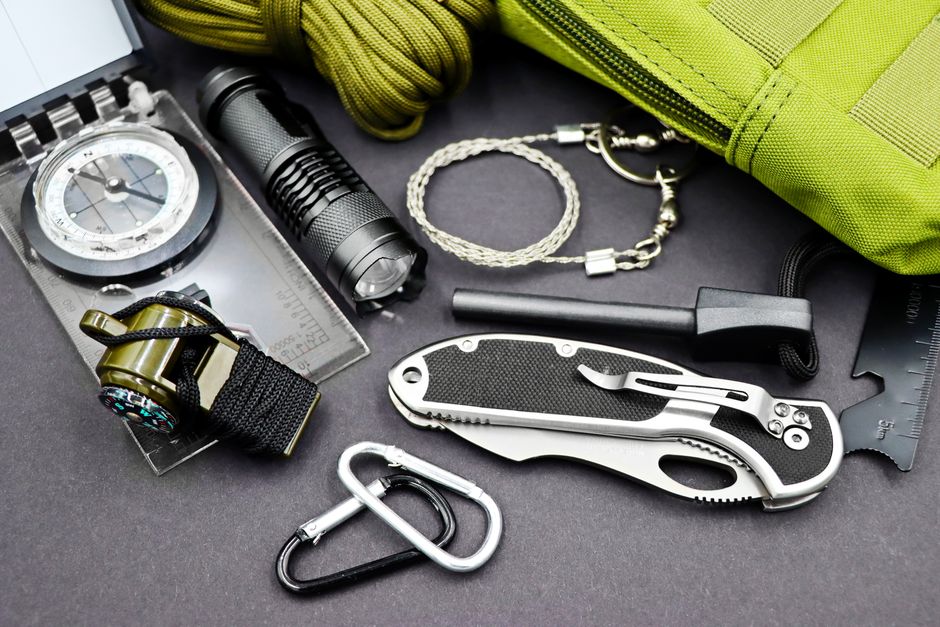
Outdoor safety gear should prioritize reliability, simplicity, and family usability rather than unnecessary complexity.
Best Beginner-Friendly First Aid Kit Features
Good first aid kits should include:
- Clearly labeled compartments
- Water-resistant storage
- Child-safe medications
- Emergency instructions
- Compact portability
Essential Headlamp Features for Family Camping
Reliable headlamps improve visibility and reduce nighttime injury risk.
- Long battery life
- Hands-free design
- Weather resistance
- Adjustable brightness
- Comfortable straps
How to Choose the Right Sleeping Bag for Children
Children’s sleeping bags should prioritize warmth, dryness, and fit.
- Choose proper temperature ratings
- Avoid oversized bags
- Use insulated sleeping pads
- Pack dry backup sleepwear
Useful Child Safety Accessories for Outdoor Trips
Simple child safety accessories can improve visibility and reduce injuries during outdoor exploration.
- Reflective bands
- Glow sticks
- Emergency whistles
- Protective crawling mats
- Baby-safe hydration supplies
- Portable shade covers
Parents organizing outdoor travel gear can also browse the Monitoring Devices collection and the Temperature Tools collection for additional travel safety support.
Frequently Asked Questions
What should be included in an outdoor survival list for beginners?
Beginners should include water supplies, food, navigation tools, first aid kits, emergency shelter, lighting, weather protection, communication devices, and child-specific safety gear when traveling with families.
How can families stay safe while camping outdoors?
Families can improve camping safety by checking weather forecasts, supervising children carefully, packing emergency supplies, using safe sleeping arrangements, and practicing basic emergency preparedness before trips.
What are the most common outdoor safety mistakes to avoid?
Common mistakes include underpacking water, relying only on phones for navigation, ignoring weather alerts, poor campsite planning, and inadequate child supervision.
How do you keep a baby safe during camping and outdoor travel?
Parents should focus on hydration, shade, temperature regulation, safe sleep practices, secure baby carriers, and fall prevention while maintaining close supervision.
What emergency preparedness items should every family pack for outdoor trips?
Every family should carry a first aid kit, emergency blankets, water filtration supplies, navigation tools, communication devices, lighting equipment, and extra clothing layers.
How much water should you carry for a family hiking trip?
Water needs depend on weather and activity level, but adults often require 2-4 liters during longer outdoor trips. Families should always carry additional emergency reserves.
What is the best emergency shelter option for beginners?
Lightweight weather-resistant tents combined with emergency thermal blankets and compact tarps offer practical beginner-friendly shelter solutions.
Why is a portable water filter important for outdoor survival?
Portable water filters help reduce dehydration risk by allowing families to safely access additional water sources during emergencies or extended outdoor trips.
How do you prepare children for outdoor emergencies?
Teach children emergency whistle use, safe meeting points, visibility rules, and simple communication strategies before outdoor activities.
What should parents include in a camping first aid kit?
Camping first aid kits should include bandages, antiseptics, medications, allergy treatment, tweezers, gloves, fever reducers, and emergency contact information.
Conclusion
Outdoor survival preparation is not about fear. It is about building confidence, reducing preventable risks, and creating safer experiences for families during camping trips, hiking adventures, road travel, and emergency situations.
When families organize supplies thoughtfully, practice basic survival skills, and prepare for changing conditions, outdoor travel becomes safer and far more enjoyable for both parents and children. Even simple steps like carrying extra water, preparing emergency contacts, checking weather forecasts, and improving child visibility can dramatically reduce risk.
For additional family preparedness ideas, explore the Health & Safety collection and educational guides available in the Mom Essentials Guide section.
Pillar Article: Home Safety Checklists: Baby & Family Complete Guide 2026





