

Realistic Toddler Daily Care Routine Schedule With Milestones & Activities
Creating a stable toddler daily care routine schedule is one of the most effective ways to reduce daily stress, improve sleep quality, and support healthy developmental milestones between ages 1–3. At this stage, toddlers are rapidly developing language, emotional regulation, motor skills, and independence—yet their behavior can feel unpredictable without structure.
This guide breaks down a realistic, flexible, and developmentally aligned daily routine that supports feeding, sleep, hygiene, learning activities, and emotional well-being. Whether you're navigating tantrums, inconsistent naps, picky eating, or early learning, a predictable rhythm can transform chaotic days into calmer, more connected family routines.
Throughout this article, you’ll also find practical Montessori-inspired activities, sensory play strategies, and real-world scheduling frameworks designed for busy parents who need simplicity without sacrificing developmental quality.
Understanding Toddler Development (Ages 1–3): What Shapes a Daily Routine

Toddlerhood is a period of rapid neurological growth, where the brain forms millions of new connections every second. Between ages 1 and 3, children transition from dependent infants into more independent explorers who are learning to walk, talk, and regulate emotions.
At age 1, toddlers are focused on mobility and basic communication. By age 2, language expands rapidly and emotional outbursts become more common due to limited self-regulation skills. By age 3, children begin to understand routines, follow simple instructions, and engage in more structured play.
This developmental progression is why a structured toddler daily care routine schedule is so important. Predictable patterns reduce anxiety, improve sleep consistency, and help children anticipate what comes next—building a foundation for emotional security.
Routine stability is also closely linked to emotional regulation. When children know what to expect, they experience fewer behavioral disruptions and transitions become easier throughout the day.
Explore more developmental insights in the Baby Growth & Learning collection, which supports early developmental stages with age-appropriate tools and guidance.
Core Principles of a Balanced Toddler Daily Care Routine

A successful toddler routine is not rigid—it is structured yet flexible. The goal is consistency without pressure. The core pillars include sleep, nutrition, hygiene, play, and emotional regulation.
Below is a comparison matrix showing how these elements work together across a typical toddler day:
| Routine Pillar | Purpose | Daily Frequency | Example Activity |
| Sleep | Brain development and recovery | 1–2 naps + night sleep | Nap schedule, bedtime routine |
| Nutrition | Growth and energy balance | 3 meals + 2 snacks | Balanced breakfast, finger foods |
| Hygiene | Health and independence | Multiple daily touchpoints | Handwashing, tooth brushing |
| Play | Cognitive and motor development | Multiple blocks daily | Sensory play, outdoor activity |
| Emotional Regulation | Behavioral stability | All transitions | Calm-down routines, bonding |
Pediatric sleep research consistently highlights that toddlers aged 1–3 require 11–14 hours of total sleep per day, including naps. Nutrition should be spaced evenly to avoid energy crashes that often lead to tantrums.
For parents looking to support structured feeding habits, the Feeding & Nursing Tips collection offers helpful insights into meal timing and nutrition balance.
Sample Toddler Daily Schedule Overview (Printable Routine Framework)

A predictable daily structure helps toddlers transition smoothly between activities. Below is a simplified framework you can adapt based on your child’s age and sleep needs:
| Morning Block | Wake up → hygiene → breakfast → calm play |
| Midday Block | Learning activities → outdoor play → lunch → nap |
| Afternoon Block | Snack → sensory play → independent play |
| Evening Block | Dinner → bath → bedtime routine → sleep |
This structure supports circadian rhythm development, making bedtime smoother and reducing resistance during transitions. Consistency matters more than perfection—small variations are normal and expected.
Printable visual schedules can further improve toddler engagement by helping them anticipate daily activities.
Morning Routine for Toddlers (1–3 Years Old) Step-by-Step

The morning routine sets the emotional tone for the entire day. A calm, predictable start reduces tantrums and improves cooperation.
Morning routine for 1-year-olds
At this age, routines are caregiver-led. Focus on feeding, diaper change, and gentle stimulation. Avoid overstimulation immediately after waking. Simple songs and soft interaction work best.
Morning routine for 2-year-olds
Two-year-olds benefit from limited choices, such as picking between two outfits or breakfast options. This builds independence while maintaining structure.
Morning routine for 3-year-olds
Three-year-olds can begin simple self-care tasks like washing hands, brushing teeth with supervision, and helping set the table. This stage supports early responsibility and confidence.
For more structured parenting guidance, explore the Baby Care Tips & Advice blog for daily routine support strategies.
Midday Routine: Feeding, Nap Schedule & Rest Balance

Midday is the most sensitive part of a toddler’s day because it combines energy dips, hunger cycles, and emotional fatigue.
Feeding should be spaced approximately every 3–4 hours. This helps stabilize blood sugar levels and reduces irritability. Lunch should be nutrient-dense but easy to digest, followed by a calm transition into nap time.
Nap duration varies by age:
- 1-year-olds: 2 naps (morning + afternoon)
- 2-year-olds: 1–2 naps depending on energy level
- 3-year-olds: typically 1 nap or quiet rest time
Transitioning from two naps to one is a gradual process that can take several weeks. Watch for signs like difficulty falling asleep at nap time or bedtime resistance.
Afternoon Learning & Sensory Play Activities for Toddler Development

The afternoon block is ideal for sensory exploration, fine motor development, and independent play. This is where structured learning meets curiosity-driven exploration.
Sensory play helps toddlers build neural connections through touch, sound, movement, and visual stimulation. Activities like textured object sorting, water play, and stacking games enhance cognitive flexibility.
For structured activity ideas, explore the Sensory Toys collection, designed to support early developmental engagement.
Fine motor skills can be developed through stacking, threading, and grasping activities. Montessori-inspired setups encourage independence by allowing toddlers to choose their own tasks within a safe environment.
Below is an example of how sensory play can be integrated into daily routine blocks:
- 15 minutes: movement-based play (climbing, crawling)
- 20 minutes: fine motor activity (blocks, stacking)
- 15 minutes: sensory exploration (textures, sounds)
This is also where developmental tools like activity gyms can support coordination and motor growth.

Baby Activity Gym with Musical Play Mat for Early Learning supports tummy time, sensory exploration, and motor skill development through interactive play features like hanging toys and musical stimulation. It fits naturally into afternoon play routines as a structured yet fun developmental tool.
Evening Wind-Down Routine & Bedtime Structure for Toddlers

Evening routines are essential for signaling the transition from activity to rest. A predictable wind-down sequence improves sleep onset and reduces nighttime resistance.
Start with calming activities such as dim lighting, quiet play, or reading. Follow with bathing and hygiene routines to help the body relax. Consistent bedtime rituals help toddlers associate these steps with sleep readiness.
Limiting screen exposure at least one hour before bed significantly improves sleep quality and reduces overstimulation.
Sleep consistency is reinforced by repeating the same steps in the same order every night.
Age-by-Age Full Toddler Daily Schedules (1, 2, and 3 Years Old)

Each age group requires a slightly different structure due to developmental differences in sleep, attention span, and independence levels.
Complete daily schedule for 1-year-olds
Focus on shorter activity windows, multiple naps, and frequent feeding intervals. Caregiver-led structure is essential.
Complete daily schedule for 2-year-olds
Introduce predictable transitions and simple choices. One main nap is typical, with increasing independence during meals and play.
Complete daily schedule for 3-year-olds
More structured learning blocks, longer attention spans, and reduced nap dependency. Emotional regulation strategies become more important at this stage.
For additional developmental tracking, visit Baby Growth & Learning Tips to understand age-based milestones in more detail.
Managing Common Toddler Routine Challenges (Tantrums, Sleep Issues & Feeding Struggles)

Even the most structured routine will face disruptions. Tantrums, sleep resistance, and picky eating are common developmental behaviors, not signs of failure.
Tantrums often occur during transitions or when toddlers feel overwhelmed. Predictable routines help reduce these episodes by removing uncertainty.
Sleep disruptions may be linked to overstimulation, inconsistent bedtime timing, or developmental leaps. Maintaining a consistent wind-down routine is key.
Picky eating is normal between ages 2–3 as toddlers assert independence. Offering repeated exposure without pressure is more effective than forcing consumption.
Emotional regulation improves when caregivers remain calm and consistent during behavioral challenges.
Montessori Education Integration into Toddler Daily Routine

Montessori principles emphasize independence, hands-on learning, and self-directed exploration. Integrating these principles into a toddler daily care routine schedule can significantly improve focus and behavior.
Children thrive when they are allowed to choose from structured options within a safe environment. This builds confidence and reduces resistance during daily transitions.
Independent play tools like sensory books and activity boards support cognitive development while encouraging focus and patience.

Montessori Quiet Book for Daily Skills & Sensory Learning is designed to support independent learning through tactile, hands-on activities that improve fine motor skills and focus. It is especially effective during quiet time or Montessori-style learning blocks.
Tracking Early Childhood Development Milestones at Home

Tracking milestones helps parents understand whether their child’s development aligns with age expectations. Key areas include motor skills, language development, and emotional regulation.
Fine motor milestones include stacking blocks, holding utensils, and turning pages. Language milestones progress from single words to short phrases and eventually full sentences.
Emotional development includes learning to manage frustration and beginning to understand empathy.
Consistency in daily routines naturally supports milestone achievement by reinforcing repetition and skill practice.
Printable Toddler Routine Checklist & Daily Planning System
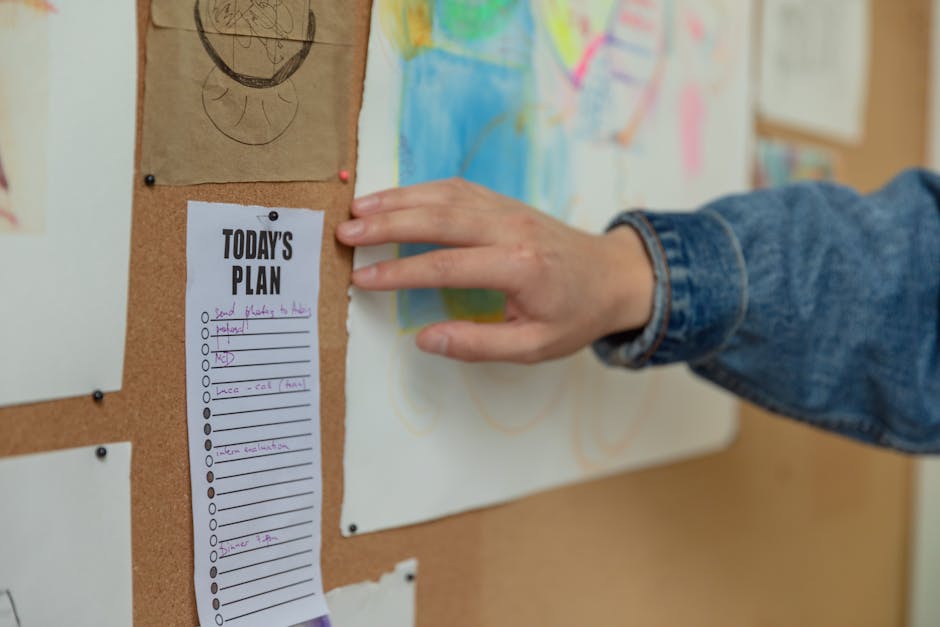
A visual checklist helps toddlers understand expectations and encourages participation in daily routines. It also reduces caregiver stress by simplifying decision-making.
- Morning hygiene completed
- Breakfast eaten
- Learning activity completed
- Nap taken
- Outdoor play completed
- Evening routine finished
For structured parenting support tools, explore the Baby Care Essentials collection, which supports everyday caregiving needs.
A consistent checklist system builds independence and reinforces positive behavior patterns over time.
Frequently Asked Questions
What is the best toddler daily care routine schedule by age?
The best schedule depends on age. One-year-olds need multiple naps and shorter activity cycles, while three-year-olds can follow structured learning blocks and longer play sessions.
How do I create a balanced toddler sleep and feeding routine?
Align meals every 3–4 hours and maintain consistent nap and bedtime schedules to support circadian rhythm development.
What are the most important toddler hygiene tips for beginners?
Focus on handwashing, daily bathing routines, and early tooth brushing habits introduced through playful repetition.
How can I track toddler developmental milestones at home?
Observe language, motor, and emotional skills weekly and compare progress with age-based expectations.
What indoor learning activities are best for toddlers ages 1 to 3?
Sensory play, stacking toys, Montessori quiet activities, and movement-based learning are highly effective for early development.
Conclusion
A well-structured toddler daily care routine schedule creates stability in a stage of rapid change. By balancing sleep, nutrition, hygiene, play, and emotional support, parents can reduce daily stress while promoting healthy development.
The key is consistency with flexibility—following a predictable rhythm while adapting to your child’s unique needs. Over time, routines become natural habits that support independence, confidence, and emotional well-being.
Begin with small, repeatable steps and gradually build a system that works for your family’s lifestyle.
For ongoing support, explore more resources in Health & Safety Tips and continue building a strong foundation for early childhood development.
Pillar Article: Development Milestones in Early Childhood: Montessori-Based Guide for Parents (2026)





