

Toddler Nutrition Guide for Beginners: Feeding Schedules, Brain Foods & Milestones
Toddler nutrition can feel overwhelming for new parents. One day your child happily eats vegetables, and the next day they survive on crackers and bananas. Between picky eating, changing appetites, sleep disruptions, developmental milestones, and daily routines, many caregivers worry whether their toddler is getting enough nutrients to grow and thrive. This complete toddler nutrition guide for beginners simplifies feeding routines, healthy meal planning, developmental support, and practical wellness habits for children ages 1–3. You will learn how to build balanced meals, support toddler brain development, manage picky eating without stress, and create calm daily routines that encourage healthy lifelong eating habits.
Toddler Nutrition Basics Every Parent Should Understand

Toddlerhood is a major developmental stage marked by rapid learning, emotional growth, increasing independence, and changing nutritional needs. Understanding the basics of toddler nutrition helps parents avoid common feeding mistakes while building healthy routines that support growth, sleep, behavior, and cognitive development.
Parents often find it helpful to explore resources in the Feeding & Nursing collection and educational routines inside the Baby Care Tips & Advice section when building long-term healthy feeding habits.
What Changes Nutritionally Between Babyhood and Toddlerhood
During infancy, babies grow extremely quickly and consume large amounts of milk or formula. Once children enter toddlerhood, growth naturally slows down. This often surprises parents because appetite can become inconsistent from day to day.
Toddlers also begin developing strong opinions about food. They seek independence, become sensitive to textures, and may reject previously accepted foods. This behavior is developmentally normal and does not automatically indicate nutritional problems.
At the same time, toddlers become far more physically active. Walking, climbing, running, and playing increase energy demands while also affecting hunger patterns and sleep schedules.
Core Nutrients Toddlers Need Daily
Toddlers require balanced nutrition from multiple food groups rather than excessive portions of any single food.
| Nutrient | Why It Matters | Food Sources |
| Protein | Supports muscle growth and development | Eggs, yogurt, beans, chicken, fish |
| Healthy fats | Supports brain development | Avocados, nut butters, salmon |
| Iron | Supports cognition and energy | Red meat, spinach, lentils |
| Calcium | Builds strong bones and teeth | Milk, cheese, yogurt |
| Fiber | Supports digestion | Fruits, vegetables, oats |
| Vitamin D | Supports immunity and bone health | Fortified dairy, sunlight exposure |
| Complex carbohydrates | Provides lasting energy | Rice, oats, sweet potatoes |
Balanced nutrition is more important than perfect meals. Toddlers thrive with consistent exposure to nutritious foods over time.
How Much Should Toddlers Eat Per Day?
Toddler appetites vary significantly depending on growth stages, activity levels, sleep quality, and illness. Instead of focusing on exact calorie counting, parents should aim for balanced meal patterns.
A typical toddler eating schedule includes:
- 3 balanced meals daily
- 2–3 healthy snacks
- Regular hydration throughout the day
- Consistent meal timing
Portion sizes for toddlers are usually much smaller than adults expect. A good rule is offering about one tablespoon of each food per year of age and allowing the child to request more if still hungry.
Signs of Balanced Toddler Nutrition
Healthy toddler nutrition supports more than physical growth. Parents should look for broader wellness indicators such as:
- Steady energy levels
- Healthy sleep patterns
- Regular bowel movements
- Age-appropriate growth
- Stable mood and emotional regulation
- Curiosity and engagement during play
- Progressive developmental milestones
Families focused on healthy growth routines often combine nutrition habits with resources from the Health & Safety collection and developmental ideas inside the Baby Growth & Learning Tips section.
Healthy Toddler Feeding Schedules by Age

One of the biggest challenges for beginner parents is creating a predictable toddler feeding routine. Structured schedules help regulate appetite, reduce grazing behavior, improve sleep consistency, and support emotional stability.
12–18 Month Toddler Feeding Routine
This stage marks the transition from baby feeding patterns into structured toddler meals. Many toddlers still rely on milk while learning to manage larger solid meals.
| Time | Example Routine |
| 7:00 AM | Breakfast with water or milk |
| 9:30 AM | Healthy snack |
| 12:00 PM | Lunch |
| 2:30 PM | Snack after nap |
| 5:30 PM | Dinner |
| 7:00 PM | Bedtime milk if needed |
Children at this age benefit from finger foods and supervised self-feeding opportunities.
18–24 Month Toddler Meal Schedule
Toddlers between 18 and 24 months become increasingly independent. They may test boundaries during mealtimes or insist on eating certain foods repeatedly.
Consistency becomes more important than forcing variety. Parents should continue offering balanced meals without pressuring toddlers to finish everything on their plate.
Helpful routines often include:
- Meals at the same time daily
- Limited distractions during meals
- Sitting together as a family
- Avoiding snacks too close to meals
- Encouraging self-feeding
2–3 Year Old Daily Nutrition Routine
Older toddlers usually become more active, social, and verbal. Preschool routines, physical activity, and changing sleep schedules may influence hunger patterns.
This stage is ideal for introducing:
- Simple meal prep participation
- Choice within healthy boundaries
- Open cups and utensils
- Balanced snacks with protein and fiber
- Basic food education
Many parents pair healthy feeding habits with developmental play ideas from the Sensory Toys collection and movement-focused routines in the Mobility & Training category.
Sample Full-Day Toddler Meal Plan
| Meal | Example Foods |
| Breakfast | Oatmeal with berries and yogurt |
| Snack | Banana with peanut butter |
| Lunch | Chicken, rice, steamed broccoli |
| Snack | Cheese cubes and cucumber slices |
| Dinner | Salmon, sweet potatoes, peas |
| Hydration | Water offered throughout the day |
How to Prevent Constant Grazing and Snack Dependency
Frequent snacking can interfere with hunger cues and make toddlers less interested in balanced meals.
To reduce grazing:
- Maintain structured snack times
- Offer filling snacks with protein and fiber
- Avoid sugary snacks and juice throughout the day
- Serve water between meals
- Limit eating while walking or playing
Predictable feeding routines help toddlers feel secure and improve overall eating behavior.
Best Foods for Toddler Brain Development

Nutrition plays a major role in early childhood brain development. During toddlerhood, the brain develops rapidly through movement, speech development, sensory experiences, and social learning.
Healthy Fats That Support Brain Growth
Healthy fats are essential for cognitive growth and nervous system development.
Excellent toddler-friendly sources include:
- Avocados
- Salmon
- Nut butters
- Chia seeds
- Eggs
- Full-fat yogurt
Including healthy fats at meals helps support memory, focus, and stable energy levels.
Iron-Rich Foods for Cognitive Development
Iron deficiency can affect attention, learning, and overall development in toddlers.
Parents should regularly include:
- Lean meats
- Beans and lentils
- Spinach
- Iron-fortified cereals
- Eggs
Pairing iron-rich foods with vitamin C sources like strawberries or oranges can improve absorption.
Protein Sources for Growing Toddlers
Protein supports muscle growth, immune health, and tissue repair.
Toddler-friendly proteins include:
- Greek yogurt
- Chicken
- Turkey
- Tofu
- Beans
- Cottage cheese
- Eggs
Fruits and Vegetables That Support Learning and Focus
Colorful produce provides antioxidants, vitamins, hydration, and fiber.
Brain-supportive choices include:
- Blueberries
- Sweet potatoes
- Broccoli
- Spinach
- Carrots
- Bananas
Offering produce in different textures and shapes encourages sensory acceptance and reduces resistance.
Brain-Boosting Toddler Snack Ideas
- Apple slices with peanut butter
- Greek yogurt with berries
- Cheese and whole grain crackers
- Banana oat bites
- Avocado toast strips
- Hard-boiled eggs with fruit
For toddlers exploring self-feeding skills, the Baby Fruit Feeder With Cover – Safe Silicone Feeding Aid can help introduce soft fruits safely while supporting sensory exploration and feeding independence.

How to Build Balanced Toddler Meals Without Overthinking
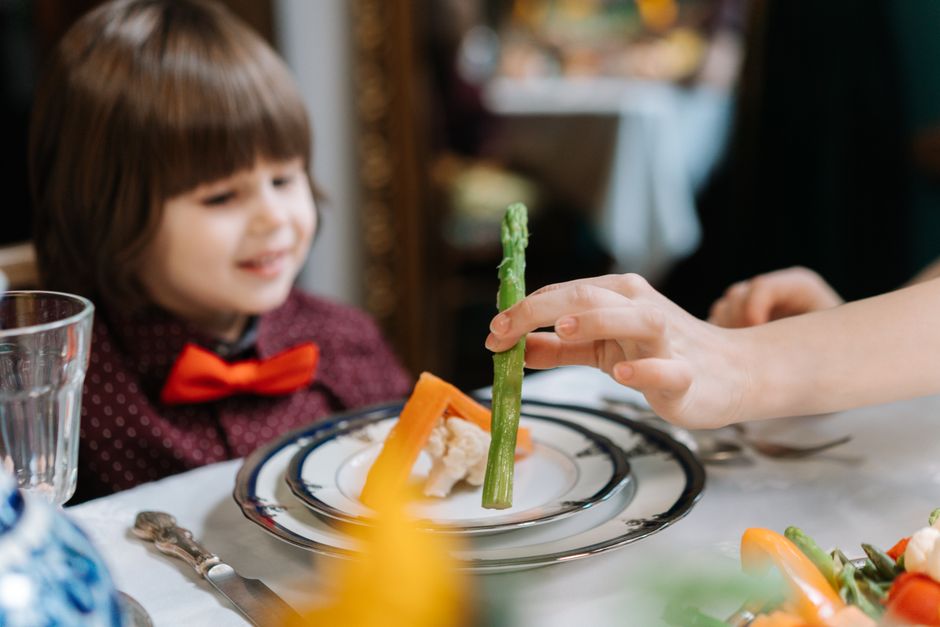
Parents often assume toddler meals need to be complicated, but balanced nutrition can be simple and flexible.
The Simple Toddler Plate Formula
A balanced toddler plate usually includes:
- 1 protein source
- 1 fruit or vegetable
- 1 carbohydrate source
- 1 healthy fat
Example:
- Chicken
- Sweet potato
- Steamed carrots
- Avocado slices
This visual approach helps parents avoid overthinking every meal.
Easy Breakfasts, Lunches, and Dinners for Busy Families
| Meal | Simple Ideas |
| Breakfast | Oatmeal, eggs, fruit |
| Lunch | Turkey roll-ups, cucumber, rice |
| Dinner | Pasta with vegetables and meatballs |
| Snack | Yogurt with berries |
Finger Foods That Encourage Independent Eating
Self-feeding helps toddlers build:
- Fine motor skills
- Hand-eye coordination
- Confidence
- Oral motor development
- Decision-making skills
Healthy finger foods include:
- Banana slices
- Cooked vegetables
- Toast strips
- Cheese cubes
- Soft fruit pieces
- Pasta spirals
Weekly Meal Prep Strategies for Caregivers
Meal preparation can reduce stress and improve consistency.
Helpful strategies include:
- Pre-cut fruits and vegetables
- Batch-cook proteins
- Freeze toddler-friendly muffins
- Rotate simple meal templates
- Use reusable snack containers
Many families simplify routines with support from the Feeding Tools collection and sleep-friendly organization ideas in the Sleep & Comfort category.
Toddler Nutrition Mistakes Beginners Often Make
- Offering too much milk
- Using snacks as emotional regulation
- Pressuring children to finish meals
- Serving oversized portions
- Allowing constant grazing
- Expecting toddlers to eat perfectly every day
Consistency matters more than perfection.
How to Manage Picky Eating in Toddlers

Picky eating is one of the most common toddler concerns. Most toddlers go through periods of food refusal as they develop independence and sensory awareness.
Why Picky Eating Happens During Toddlerhood
Toddlers often become selective because:
- Growth slows naturally
- They seek control
- Textures feel overwhelming
- Appetites fluctuate daily
- They fear unfamiliar foods
This behavior is usually temporary and developmentally normal.
The No-Pressure Feeding Approach
Responsive feeding helps reduce mealtime stress.
Parents are responsible for:
- What foods are offered
- When meals happen
- Creating calm eating environments
Toddlers decide:
- How much to eat
- Whether to eat
Removing pressure often improves food acceptance over time.
How Long It Takes Toddlers to Accept New Foods
Research shows toddlers may need repeated exposure to a new food before accepting it comfortably.
Parents should:
- Continue offering foods calmly
- Avoid bribing or forcing bites
- Model eating the same foods
- Keep portions small and manageable
Sensory Learning Strategies for Food Exploration
Sensory play supports food familiarity and emotional comfort.
Ideas include:
- Touching vegetables before tasting
- Playing with textures
- Helping wash produce
- Mixing ingredients together
- Talking about colors and smells
Parents working on sensory development often explore educational activities inside the Baby Growth & Learning collection to reinforce confidence and exploration skills.
When Picky Eating May Need Pediatric Evaluation
Parents should consult a pediatric professional if toddlers:
- Lose weight
- Refuse entire food groups
- Gag frequently
- Show extreme texture avoidance
- Have delayed oral motor skills
- Experience nutritional deficiencies
Early support can improve feeding outcomes significantly.
Montessori-Inspired Feeding Habits That Build Independence
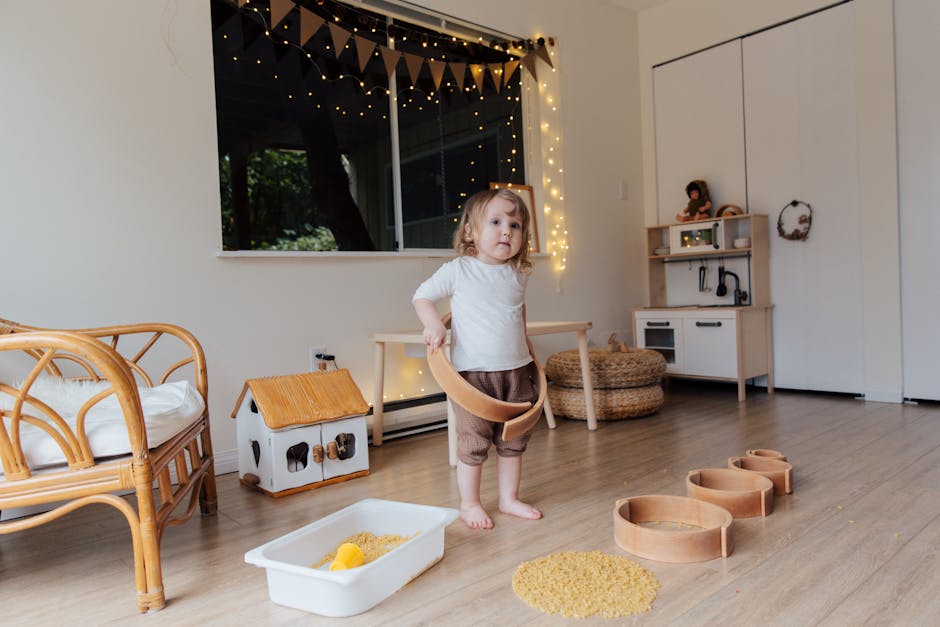
Montessori-inspired feeding encourages toddlers to participate actively in meals while building confidence, coordination, and emotional regulation.
What Montessori Feeding Looks Like at Home
Montessori feeding environments prioritize:
- Child-sized utensils
- Self-serving opportunities
- Predictable routines
- Respectful communication
- Calm meal environments
Toddlers learn best when given safe opportunities to practice independence.
How Independent Eating Supports Child Development
Independent feeding supports:
- Fine motor development
- Problem-solving skills
- Confidence
- Speech and oral motor coordination
- Sensory adaptation
- Emotional regulation
Mealtime independence also reduces power struggles for many families.
Best Toddler Utensils and Feeding Tools
Simple feeding tools can help toddlers participate more comfortably during meals and sensory learning activities.
The Montessori Sensory Toy for Babies – 8-in-1 Development Cube is often used alongside independent feeding routines to encourage fine motor coordination, hand strength, and sensory exploration that support early self-feeding confidence.

Families creating calmer developmental routines often combine these activities with resources from the Smart Baby Gadgets and Massage & Relaxation collections.
Creating Calm Mealtime Routines for Toddlers
Calm routines help toddlers regulate emotions and improve eating behavior.
Helpful habits include:
- Reducing screen distractions
- Serving meals consistently
- Using predictable bedtime routines
- Allowing enough time to eat
- Keeping conversations relaxed
Toddler Nutrition, Sleep, and Behavior Connections

Toddler nutrition affects more than physical growth. Sleep quality, emotional regulation, focus, digestion, and behavior are strongly connected to daily eating habits.
How Nutrition Impacts Toddler Sleep
Irregular eating schedules and excessive sugar intake can affect sleep quality.
Helpful sleep-supportive nutrition habits include:
- Balanced evening meals
- Protein with dinner
- Limiting sugary snacks before bedtime
- Offering calming bedtime routines
- Avoiding excessive juice
Foods That Affect Toddler Mood and Energy
Large blood sugar swings may contribute to irritability and energy crashes.
Balanced meals with protein, healthy fats, and fiber help stabilize energy throughout the day.
Examples include:
- Yogurt with fruit
- Eggs and toast
- Apple slices with nut butter
- Cheese with whole grains
Hydration and Digestive Health for Toddlers
Constipation is common during toddlerhood, especially when children consume excessive dairy and insufficient fiber.
To support digestion:
- Offer water regularly
- Include fruits and vegetables daily
- Encourage movement and outdoor play
- Limit processed snacks
Daily Wellness Habits That Support Healthy Eating
Toddlers benefit from predictable wellness habits including:
- Consistent sleep schedules
- Outdoor movement
- Sensory play
- Family meals
- Limited screen time during eating
Parents building complete wellness routines frequently explore the Baby Care Essentials collection and daily support resources in the Feeding & Nursing Tips section.
Toddler Development Milestones Linked to Feeding Skills

Feeding skills are closely connected to toddler development milestones including speech, coordination, sensory processing, and emotional independence.
Self-Feeding Milestones by Age
| Age | Typical Feeding Skills |
| 12–18 months | Finger feeding, early spoon use |
| 18–24 months | Improved utensil control, cup drinking |
| 2–3 years | More independent meals and self-serving |
Speech, Chewing, and Oral Development Connections
Chewing different textures helps strengthen oral muscles involved in speech development.
Offering safe texture variety supports:
- Jaw strength
- Tongue coordination
- Speech clarity
- Oral awareness
Sensory Development Through Food Experiences
Food exploration exposes toddlers to:
- Textures
- Temperatures
- Colors
- Smells
- Tastes
These experiences help children become more adaptable and confident with new foods over time.
Signs a Toddler May Need Feeding Support
Parents should monitor for:
- Persistent choking or gagging
- Very limited accepted foods
- Delayed self-feeding skills
- Difficulty chewing
- Poor weight gain
- Strong sensory aversions
Professional feeding therapy or pediatric evaluation may be helpful when these concerns persist.
Beginner Toddler Nutrition Checklist for Parents

Parents do not need perfect meals or strict routines to support healthy toddler development. Small consistent habits usually produce the best long-term outcomes.
Daily Toddler Nutrition Checklist
- Offer 3 balanced meals
- Provide 2–3 healthy snacks
- Include protein at meals
- Offer fruits and vegetables daily
- Encourage water intake
- Limit sugary drinks
- Maintain consistent meal timing
- Allow independent feeding practice
Weekly Meal Planning Checklist
- Batch prep proteins
- Wash and cut produce ahead of time
- Rotate healthy snack options
- Freeze simple toddler meals
- Plan grocery lists around balanced foods
- Include family-friendly meals toddlers can share
Picky Eating Recovery Checklist
- Avoid forcing bites
- Offer repeated food exposure
- Keep portions small
- Model healthy eating
- Reduce mealtime stress
- Focus on long-term consistency
Healthy Routine Habits for Long-Term Nutrition Success
- Prioritize sleep consistency
- Encourage outdoor activity
- Eat together when possible
- Reduce distraction during meals
- Support sensory learning through play
- Celebrate progress instead of perfection
Parents building long-term toddler wellness systems can continue exploring developmental resources in the Mom Essentials Guide and supportive home routines through the Mom Essentials collection.
Frequently Asked Questions
What should a beginner toddler nutrition plan include?
A beginner toddler nutrition plan should include balanced meals with protein, healthy fats, fruits, vegetables, whole grains, and consistent hydration. Structured meal and snack timing also helps support healthy appetite regulation.
How do I balance toddler nutrition daily without overfeeding?
Offer balanced meals and allow toddlers to decide how much to eat. Avoid pressuring children to finish meals and focus instead on consistent healthy food exposure.
What are the best foods for toddler brain development?
Healthy fats, iron-rich foods, protein, fruits, and vegetables all support brain development. Foods such as eggs, salmon, yogurt, berries, spinach, and avocados are excellent options.
How can parents manage picky eating in toddlers?
Parents should avoid pressure feeding, continue offering foods repeatedly, maintain calm mealtime routines, and encourage sensory exploration without forcing bites.
What is a healthy toddler daily feeding routine by age?
Most toddlers thrive with three meals and two to three snacks daily, spaced consistently throughout the day to support appetite and stable energy levels.
How many snacks should toddlers eat each day?
Most toddlers benefit from two to three healthy snacks daily between meals.
What foods should toddlers avoid regularly?
Highly processed snacks, excessive sugary drinks, excessive sodium, and choking hazards should be limited or avoided.
How much milk does a toddler actually need?
Most toddlers need moderate milk intake alongside balanced meals. Excessive milk consumption may reduce appetite for other nutrient-rich foods.
What are healthy finger foods for toddlers?
Healthy finger foods include banana slices, cooked vegetables, cheese cubes, avocado strips, soft fruits, toast strips, and pasta shapes.
When should parents worry about picky eating?
Parents should consult a pediatric professional if picky eating leads to weight loss, severe food restriction, frequent gagging, nutritional deficiencies, or developmental concerns.
Conclusion
Successful toddler nutrition is not about perfect meals or strict food rules. Healthy development comes from consistent routines, balanced food exposure, emotional safety during meals, and gradual independence. By focusing on realistic meal schedules, nutrient-rich foods, sleep support, sensory learning, and responsive feeding habits, parents can build a healthier and less stressful relationship with food for the entire family. Small daily habits often create the biggest long-term improvements in toddler growth, learning, behavior, and confidence.
Pillar Article: Development Milestones in Early Childhood: Montessori-Based Guide for Parents (2026)





