

Toddler Sleep Routine Schedule Guide: Daily Schedules, Naps & Bedtime Solutions
Many parents face the same exhausting reality: a toddler who resists bedtime, wakes frequently at night, or refuses naps altogether. These struggles are not just behavioral—they are deeply connected to developmental sleep cycles, circadian rhythm maturation, and age-specific wake windows. The good news is that a structured toddler sleep routine can significantly improve sleep quality, emotional regulation, and daytime behavior.
This comprehensive guide breaks down pediatric sleep science into practical, customizable routines. You’ll learn how much sleep toddlers truly need, how to build age-appropriate schedules, how to handle nap transitions, and how to troubleshoot common bedtime challenges. You’ll also discover evidence-based bedtime routines and environment strategies that make sleep easier for both toddlers and parents.
Understanding Toddler Sleep Needs: What Pediatric Experts Recommend

Toddler sleep is governed by biological development, not parental preference. Between ages 1 and 3, the brain undergoes rapid maturation, and sleep plays a critical role in memory consolidation, emotional regulation, and physical growth.
How much sleep toddlers need by age (1–3 years)
- 12–18 months: 12–14 hours total (including 1–2 naps)
- 18–24 months: 11–13 hours total (transitioning naps)
- 2–3 years: 11–12 hours total (usually 1 nap)
Role of melatonin production in toddler sleep cycles
Melatonin, the hormone responsible for sleep onset, begins rising in the evening as light exposure decreases. In toddlers, this rhythm is still developing, which is why consistent bedtime timing is essential for regulating internal sleep signals.
How circadian rhythm develops in early childhood
By age two, toddlers begin to align their sleep-wake cycles with external cues such as daylight, meals, and bedtime routines. Irregular schedules can disrupt this alignment, leading to early waking or bedtime resistance.
Why inconsistent sleep schedules disrupt behavior and mood
Inconsistent sleep leads to overtiredness, which increases cortisol levels and reduces emotional control. This often appears as tantrums, hyperactivity, or clinginess in the evening.
Explore more structured parenting guidance in our Baby Care Essentials collection to support daily routines and developmental consistency.
Toddler Sleep Schedule by Age (12–36 Months)

Below are practical sleep schedules designed to match developmental sleep needs while allowing flexibility for family routines.
12–18 months sleep schedule example
| Wake Time | 7:00 AM |
| Nap 1 | 10:00–11:30 AM |
| Nap 2 | 3:00–4:00 PM |
| Bedtime | 7:00–7:30 PM |
18–24 months sleep transition phase
At this stage, toddlers begin resisting the second nap. Gradually shorten the afternoon nap while extending morning wake windows.
2–3 years sleep schedule (nap reduction stage)
Most toddlers shift to one midday nap lasting 1–2 hours. Bedtime often moves slightly earlier to compensate for reduced daytime sleep.
Flexible vs fixed schedule comparison
| Type | Benefits | Challenges |
|---|---|---|
| Fixed Schedule | Predictable circadian rhythm, easier sleep onset | Less flexibility for travel or daycare |
| Flexible Schedule | Adaptable to daily variation | Risk of overtiredness if inconsistent |
Parents often find success combining structure with flexibility. Explore tools in our Sleep & Comfort collection to help maintain consistency.
Wake Windows Explained: The Key to Preventing Overtiredness

Wake windows are the periods a toddler can comfortably stay awake before needing sleep again. Managing these windows is one of the most effective ways to prevent bedtime battles.
What wake windows are and why they matter
Wake windows help regulate sleep pressure. When timed correctly, toddlers fall asleep faster and stay asleep longer.
Age-based wake window ranges
- 12–18 months: 3–4 hours
- 18–24 months: 4–5 hours
- 2–3 years: 5–6 hours
Signs your toddler is overtired or undertired
- Overtired: tantrums, rubbing eyes, hyperactivity
- Undertired: resistance to sleep, playing in crib
Wake window adjustment table for real-life scenarios
| Situation | Adjustment |
|---|---|
| Skipped nap | Move bedtime 30–60 minutes earlier |
| Short nap | Add quiet rest period before bedtime |
| Early waking | Extend morning wake window gradually |
Building the Perfect Toddler Bedtime Routine (Step-by-Step)
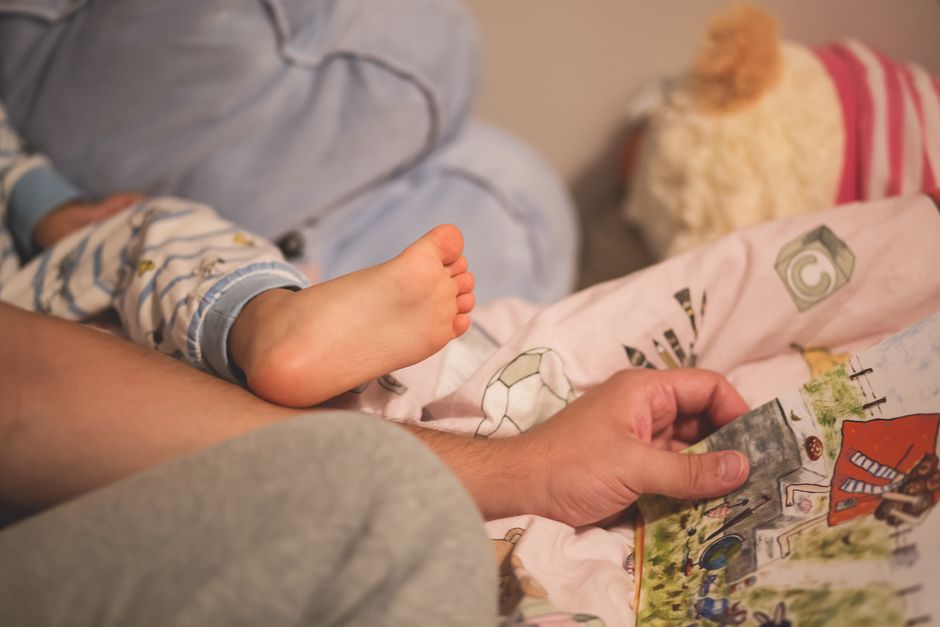
A predictable bedtime routine signals to the brain that sleep is approaching. Consistency is more important than complexity.
Ideal 30–60 minute bedtime sequence
- Wind-down play (low stimulation)
- Warm bath
- Tooth brushing & pajamas
- Story time
- Lights out and calming reassurance
Bath, books, and bonding: the science of calming rituals
Warm baths reduce core body temperature afterward, triggering sleepiness. Reading supports language development while calming cognitive activity.
How to reduce bedtime resistance
Resistance often comes from overstimulation or inconsistent timing. Keeping routines predictable reduces negotiation behaviors.
Consistency rules that actually work
- Same bedtime daily (within 30 minutes)
- No screens 1 hour before sleep
- Dim lighting during wind-down
Incorporating calming tools can improve consistency. A structured routine often works best when paired with soothing sleep aids like a crib mobile. One example is the Baby Crib Mobile with Music & Lights, which provides gentle motion and calming sounds.

Explore more calming sleep setups in the Sleep & Comfort collection.
Nap Schedules and Transitions: From 2 Naps to 1

Nap transitions are one of the most challenging developmental sleep changes in toddlerhood. Timing is key to avoid overtiredness and bedtime disruption.
Signs your toddler is ready to drop a nap
- Consistently resisting second nap
- Taking longer to fall asleep at bedtime
- Early morning waking
One-nap vs two-nap schedules
Most toddlers shift to one nap between 15–24 months. The key is gradually extending morning wake time rather than abruptly removing naps.
Managing nap refusal without disrupting bedtime
If a nap is skipped, introduce a quiet “rest time” to prevent overtiredness without interfering with bedtime.
Nap length optimization strategies
A 1–2 hour midday nap is ideal for toddlers transitioning to a single nap schedule.
Sleep Regression in Toddlers: Causes and Solutions

Sleep regressions are temporary disruptions often tied to developmental leaps such as language bursts, motor skills, or separation anxiety.
- Maintain consistent bedtime routines
- Reassure without creating new sleep associations
- Keep nighttime interactions calm and brief
Best Toddler Sleep Training Methods for Beginners
Sleep training helps toddlers learn independent sleep skills. The best method depends on temperament and parental comfort level.
Gradual withdrawal method
Parents slowly reduce presence at bedtime, helping toddlers self-soothe.
Ferber method overview (controlled comforting)
Involves timed check-ins to reassure the child while encouraging independent sleep.
Chair method for gentle transitions
Parents gradually move farther from the crib over time until the toddler falls asleep independently.
Choosing the right method based on temperament
More sensitive toddlers often respond better to gradual approaches, while adaptable toddlers may adjust quickly to structured methods.
Supportive tools like calming plush sleep companions can ease transitions. The Baby Sleep Soother with Auto Patting & Remote Control Comfort helps simulate soothing touch during bedtime routines.

Creating a Sleep-Friendly Environment (Science-Based Setup)

Environment plays a major role in sleep quality. Small adjustments can significantly improve sleep onset and duration.
- Room temperature: 20–22°C ideal
- Low lighting during bedtime routine
- White noise to mask disruptions
Discover additional supportive tools in our Sleep & Comfort collection and Health & Safety collection for safer sleep environments.
Positive Sleep Associations: Training the Brain for Better Sleep

Positive sleep associations help toddlers connect bedtime with comfort and safety rather than stress or resistance.
- Consistent bedtime songs or stories
- Comfort objects like blankets or soft toys
- Predictable lighting and sound cues
Avoid over-reliance on sleep props that require parental presence to maintain sleep, as this can lead to night waking dependencies.
Toddler Sleep Problems and Solutions (Troubleshooting Guide)
Toddler bedtime refusal solutions
Use structured routines and avoid negotiating once bedtime begins.
Night waking fixes
Check for overstimulation, hunger, or inconsistent sleep associations.
Early morning waking strategies
Adjust bedtime slightly later or ensure room remains dark in early morning hours.
Separation anxiety at bedtime
Gradual reassurance techniques help toddlers build independence over time.
“Consistent bedtime routines are one of the strongest predictors of stable toddler sleep patterns.” — Pediatric Sleep Research Summary
Comparison Matrix: Sleep Routine Approaches
| Approach | Effectiveness | Ease of Implementation | Best For |
|---|---|---|---|
| Strict Schedule | High | Medium | Families with predictable routines |
| Flexible Wake Windows | High | High | Daycare or variable schedules |
| Sleep Training Methods | Very High | Medium–Low | Independent sleep development |
Printable Toddler Sleep Schedule Charts & Routine Tools

Visual tracking improves consistency and helps parents identify patterns in sleep behavior. Many families benefit from structured logs and wake window tracking systems.
Explore related developmental guidance in our Baby Growth & Learning collection to better understand milestone-based sleep changes.
Recommended Sleep Support Tools for Toddlers

Sleep tools can enhance consistency when used as part of a structured routine rather than a replacement for it.
White noise, soft lighting, and calming sensory cues help toddlers transition into sleep more easily. A well-designed environment reinforces circadian rhythm and reduces nighttime awakenings.
For example, combining routine consistency with soothing devices like crib mobiles or sleep companions can significantly improve bedtime success rates.
Explore more structured sleep solutions in the Sleep & Comfort collection and Sensory Toys collection.
Frequently Asked Questions
What is the best toddler sleep routine schedule by age?
Most toddlers aged 1–3 require 11–14 hours of total sleep daily, including naps. Schedules should adjust gradually based on wake windows and nap transitions.
How do I establish healthy toddler sleep habits?
Consistency is key. Maintain the same bedtime routine, reduce stimulation before sleep, and ensure age-appropriate wake windows.
What are the most effective toddler sleep training methods for beginners?
Gradual withdrawal, Ferber method, and chair method are commonly used approaches depending on temperament and parental preference.
How can I fix toddler bedtime routine problems and night waking?
Identify root causes such as overtiredness, inconsistent schedules, or sleep associations, then adjust routines accordingly.
How much sleep does a toddler need each day including naps?
Typically 11–14 hours depending on age, with 1–2 naps for younger toddlers and 1 nap for older toddlers.
Conclusion
A successful toddler sleep routine is built on three pillars: consistency, age-appropriate scheduling, and a calming sleep environment. When these elements align, toddlers naturally develop healthier sleep patterns, fewer night wakings, and smoother bedtime transitions.
Parents don’t need perfection—small, consistent improvements create long-term results. Start with one change, whether adjusting wake windows or strengthening bedtime routines, and build from there for sustainable sleep success.
Explore more structured parenting resources in our Baby Care Essentials collection and Baby Care Tips & Advice blog for ongoing support.
Pillar Article: Development Milestones in Early Childhood: Montessori-Based Guide for Parents (2026)





