
The Ultimate Guide to Safe Outdoor Toys for Different Ages
Parents today face a growing challenge: balancing safe, age-appropriate outdoor play with the need to support creativity, learning, and healthy development. With increasing screen time and busy routines, outdoor play has become more important than ever—not just for physical activity, but for building cognitive, emotional, and social skills.
However, not all toys are suitable for every age group. A toy that is perfect for a 7-year-old may be unsafe or overwhelming for a toddler. That’s why understanding developmental stages, toy safety standards, and learning goals is essential when choosing outdoor play activities.
This guide breaks down everything you need to know about selecting safe outdoor toys for different ages, how to build meaningful play experiences, and how to turn everyday outdoor time into powerful learning opportunities. You’ll also find practical activity ideas, safety frameworks, and real-world strategies to help your child learn through play in any environment—from backyard setups to camping trips.
Why Age-Appropriate Outdoor Play Matters for Child Development

Outdoor play is not just recreation—it is a core part of childhood development. When children engage in structured and unstructured outdoor activities, they develop gross motor skills, problem-solving abilities, emotional regulation, and social confidence.
How Outdoor Play Supports Gross Motor Skills and Fine Motor Development
Running, climbing, throwing, and balancing help strengthen large muscle groups, while activities like picking up natural objects, building sand structures, or using small tools improve hand-eye coordination and fine motor precision. These foundational skills directly impact later academic abilities such as writing and spatial reasoning.
The Role of Sensory Play and Nature Play in Early Childhood
Outdoor environments naturally stimulate sensory exploration. Grass texture, wind, sunlight, water, and soil all contribute to sensory integration, helping children process information more effectively. Many experts recommend integrating sensory-based learning tools from collections like Sensory Toys to extend this learning indoors and outdoors.
Why Safety Standards Change by Age Group
Toy safety requirements evolve as children grow. Infants and toddlers require larger, non-choking-risk objects, while older children can handle more complex tools and movement-based equipment. Always check manufacturer age labels and ensure supervision levels match developmental readiness.
“Outdoor play is one of the most effective ways to build resilient thinking, motor coordination, and emotional confidence in early childhood—especially when activities match developmental stages.”
How to Choose Safe Outdoor Toys for Different Ages

Selecting the right outdoor toys involves more than picking something fun. Parents should evaluate safety, durability, educational value, and environmental fit.
Understanding Age Recommendations and Developmental Readiness
Age labels are based on safety risks and skill requirements. For example, toys labeled 1–3 years avoid small detachable parts, while toys for older children introduce coordination challenges and strategy-based play.
Child-Safe Toy Materials Parents Should Look For
Look for BPA-free plastics, non-toxic paints, rounded edges, and weather-resistant materials. For long-term safety and wellness guidance, parents often explore resources in Health & Safety collections.
Outdoor Toy Safety Checklist for Parents
| Safety Factor | What to Check | Why It Matters |
|---|---|---|
| Material Quality | Non-toxic, durable materials | Prevents chemical exposure and breakage risks |
| Age Suitability | Manufacturer age rating | Ensures developmental appropriateness |
| Supervision Needs | Requires adult presence? | Reduces injury risks |
| Environmental Fit | Indoor/outdoor compatibility | Prevents misuse or damage |
How to Match Toys With Backyard Size, Parks, and Camping Trips
Portable toys are best for travel and camping, while larger play structures suit backyard environments. Families preparing for trips often combine gear with items from Baby Growth & Learning to encourage structured developmental play during travel.
Best Safe Outdoor Toys for Babies and Toddlers (Ages 1-3)

For toddlers, outdoor play should focus on sensory exploration, balance development, and safe mobility. Toys must be lightweight, durable, and free from small parts.
Outdoor Sensory Bins and Water Play Ideas
Water tables, sand bins, and textured outdoor toys help toddlers explore cause-and-effect relationships while improving tactile awareness. These early experiences build curiosity and foundational STEM thinking.
Push Toys, Ride-Ons, and Beginner Balance Activities
Push walkers and ride-on toys help toddlers develop coordination and confidence in movement. These tools are essential for strengthening leg muscles and improving spatial awareness.
Safe Backyard Exploration Toys for Early Nature Play
Simple tools like magnifying glasses, soft buckets, and nature collection kits encourage curiosity and exploration. Parents can enhance safety and learning through guidance in Baby Care Essentials.
Top Safety Risks to Avoid for Toddlers Outdoors
Avoid toys with small detachable parts, sharp edges, or unstable structures. Always supervise water play and ensure play areas are free of hazards like uneven ground or toxic plants.
Best Outdoor Toys for Preschoolers (Ages 3-5)
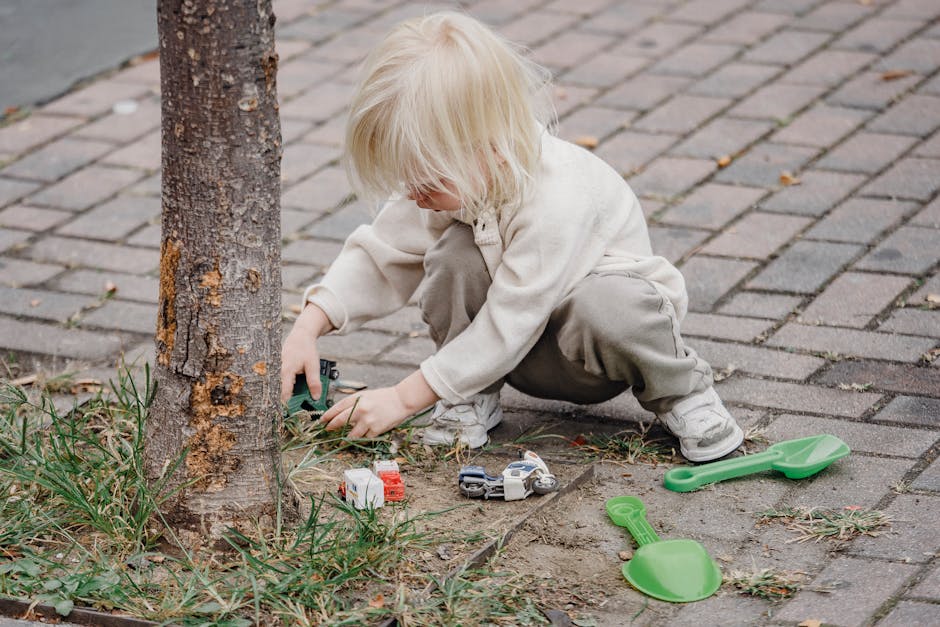
Preschoolers thrive on imaginative play and structured creativity. Outdoor toys at this stage should encourage storytelling, problem-solving, and group interaction.
Imaginative Play Toys for Backyard Adventures
Play tents, mini kitchens, and role-play sets transform outdoor spaces into creative worlds. These toys help children practice communication, empathy, and storytelling skills.
Outdoor STEM Toys That Encourage Problem Solving
Simple building sets, nature experiment kits, and water flow toys introduce early STEM concepts. These activities support logical thinking and experimentation.
Preschool Learning Activities That Build Confidence
Activities like scavenger hunts, obstacle courses, and color sorting games help children build confidence and independence.
Montessori Education and Outdoor Independent Play
Montessori-inspired play encourages self-directed exploration. Outdoor environments naturally align with this philosophy by offering open-ended learning opportunities without rigid rules.
Safe Outdoor Toys for Early Elementary Kids (Ages 5-8)

At this stage, children are ready for more complex play that involves teamwork, strategy, and physical challenges.
Outdoor Games That Improve Teamwork and Problem Solving Skills
Games like relay races, group challenges, and cooperative puzzles help children learn communication and collaboration.
Backyard Obstacle Courses and Gross Motor Challenges
Obstacle courses build strength, coordination, and endurance. They can be easily adapted to different backyard sizes and skill levels.
Nature Exploration Kits and Beginner Science Activities
Bug-catching kits, plant observation tools, and simple experiment sets encourage scientific curiosity and observation skills.
Portable Outdoor Toys for Family Travel and Camping
Portable games like frisbees, compact sports kits, and travel-friendly activity sets are ideal for family trips and camping adventures.
Backyard Camping Play Ideas for Families
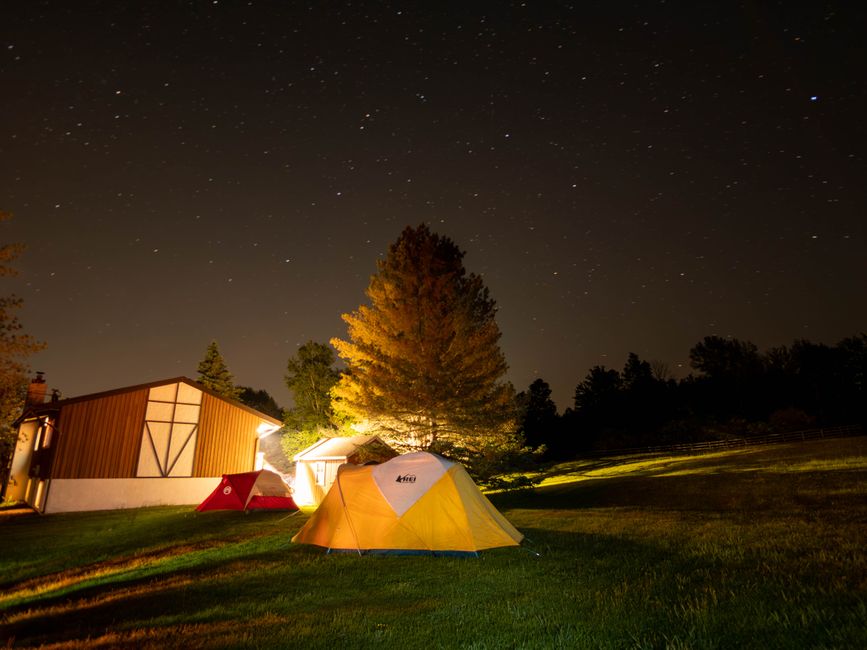
Backyard camping is one of the most effective ways to combine learning, bonding, and outdoor exploration in a safe environment.
How to Create a Safe Backyard Camping Setup for Kids
Use tents, sleeping bags, and safe lighting to create a controlled environment. Always ensure supervision and remove hazards from the play area.
Age Appropriate Camping Games for Toddlers and Preschoolers
Simple storytelling games, flashlight shadow play, and nature scavenger hunts are ideal for younger children.
Outdoor Night Activities That Encourage Learning Through Play
Stargazing, shadow experiments, and nighttime nature listening games build curiosity and sensory awareness.
Families often expand these experiences by exploring structured activity ideas in Mom Essentials collections for guided play inspiration.
Indoor Rainy-Day Alternatives to Outdoor Play

When outdoor play isn’t possible, indoor activities can still support creativity and learning development.
Indoor Sensory Play Activities Inspired by Outdoor Exploration
Use textured materials, water trays, and creative bins to simulate outdoor sensory experiences indoors.
Imaginative Indoor Play Setups for Preschoolers
Fort-building, pretend kitchens, and role-play scenarios help maintain imaginative engagement during rainy days.
Simple STEM Activities for Rainy Days
Basic science experiments using household items help reinforce learning continuity even indoors.
Creating a Weekly Outdoor Play Routine for Different Ages
Consistency is key to building healthy play habits. A structured weekly routine helps children anticipate outdoor time and develop independence.
Daily 15-Minute Outdoor Learning Routines
Short daily sessions of outdoor play can significantly improve attention span, mood regulation, and physical health.
Balancing Free Play, Structured Activities, and Safety
A healthy balance includes unstructured exploration, guided games, and safety supervision to support holistic development.
How to Rotate Outdoor Toys to Sustain Engagement
Rotating toys prevents boredom and encourages deeper engagement. Parents can track toy rotation strategies through educational insights in Baby Care Tips & Advice.
Common Mistakes Parents Make When Buying Outdoor Toys
Even well-intentioned parents often make errors when selecting outdoor toys.
Choosing Toys That Are Too Advanced
Overly complex toys can lead to frustration and reduced engagement.
Ignoring Material Durability and Weather Resistance
Outdoor toys must withstand sun, rain, and frequent use without breaking down quickly.
Overlooking Supervision and Storage Requirements
Proper storage and supervision ensure toys remain safe and functional over time.
| Mistake | Impact | Solution |
|---|---|---|
| Wrong age fit | Frustration or risk | Follow developmental guidelines |
| Poor materials | Breakage or safety issues | Choose durable non-toxic materials |
| Lack of rotation | Boredom | Rotate toys weekly |
Frequently Asked Questions
What are the safest outdoor toys for toddlers and preschoolers?
Soft, non-toxic, large-piece toys like push walkers, sensory bins, and ride-on toys are safest.
How do I choose age appropriate camping games for toddlers?
Focus on simple sensory exploration, storytelling, and supervised nature discovery activities.
What outdoor activities help preschoolers learn through play?
Scavenger hunts, obstacle courses, and imaginative role-play games are highly effective.
Are Montessori learning toys good for outdoor play?
Yes, Montessori toys encourage independent, hands-on exploration that works well outdoors.
What materials are safest for outdoor toys?
Non-toxic plastics, natural wood, and BPA-free materials are considered safest.
How often should outdoor toys be cleaned and inspected?
At least once a week, especially after heavy use or outdoor exposure.
What are the best portable outdoor toys for travel and camping?
Lightweight balls, compact games, and foldable activity kits are ideal.
How can I encourage imaginative play outdoors?
Provide open-ended toys and allow children to create their own stories and games.
Are outdoor sensory bins safe for toddlers?
Yes, when supervised and made with non-toxic, age-appropriate materials.
Conclusion
Safe outdoor toys are more than entertainment—they are essential tools for learning, creativity, and healthy development. When parents choose age-appropriate toys, prioritize safety, and encourage consistent outdoor routines, children gain lifelong benefits in confidence, problem-solving, and physical well-being.
By combining structured guidance with open-ended play, families can turn everyday outdoor moments into meaningful learning experiences that grow with the child. Exploring curated resources like Baby Care Essentials and Baby Growth & Learning can further support intentional play-based development.
Pillar Article: Play Based Learning for Early Childhood: Activities, Games & Development Guide





