

Air Purifier With Replaceable Filter vs Permanent Filter Systems
Does airborne particle removal technology really work?
Airborne particle removal technology works by capturing microscopic airborne particulate matter like dust, smoke, and allergens before they settle in your home. Using advanced particulate removal technology combined with a high-efficiency HEPA filtration system, it reduces triggers in the air itself, helping indoor spaces feel cleaner, safer, and easier to breathe in every day.
Airborne Particle Removal Technology That Actually Improves Air
Airborne particle removal technology is changing how families think about indoor air. Instead of simply covering smells, it focuses on removing what matters most—tiny particles that affect comfort, sleep, and health. For parents, caregivers, and wellness-focused households, this shift means fewer worries and more confidence in the air everyone breathes.
⏱ 6 min read
Have you ever cleaned your home thoroughly, only to notice lingering dust, sneezing fits, or smoky smells that won’t go away? These are often caused by airborne particulate matter that traditional cleaning can’t reach. The good news is that modern solutions are designed to address this exact problem.
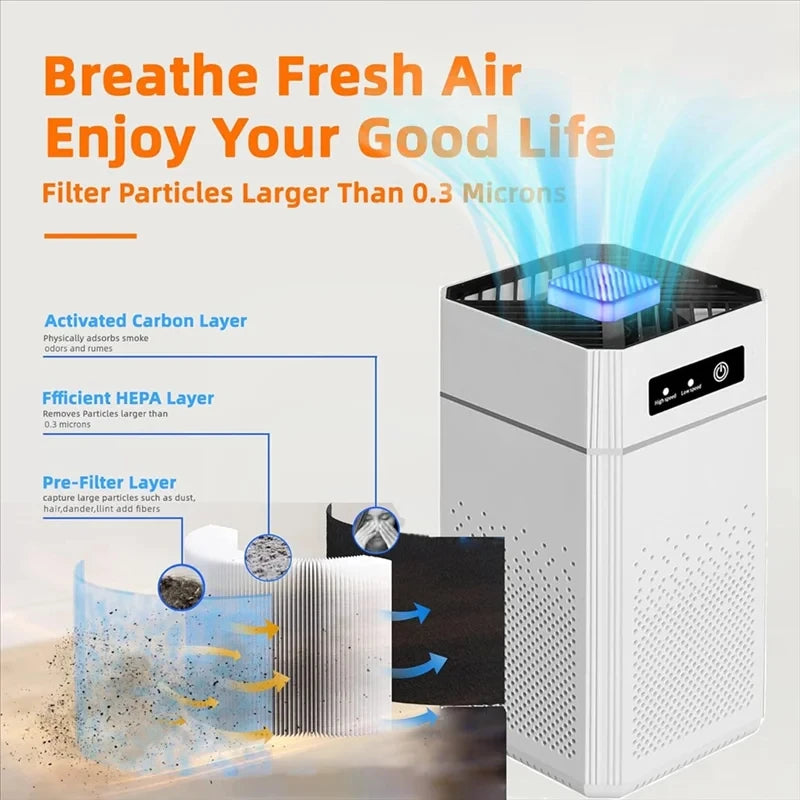
Airborne particle removal technology targeting airborne particulate matter for everyday comfort 💡 See it in action
How Airborne Particle Removal Technology Improves Daily Air
Airborne particle removal technology is designed to actively pull polluted air through a controlled system, trapping harmful particles before clean air is released back into the room. This process works continuously, making it especially useful in homes with children, pets, or allergy concerns.
Unlike passive solutions, this approach focuses on results you can feel—less dust settling on surfaces, fewer odors lingering after cooking, and more consistent air freshness throughout the day.
What makes this technology effective?
- Continuous circulation that captures particles before they spread
- Multi-layer filtration that targets different particle sizes
- Reliable performance for bedrooms, nurseries, and shared spaces
- Quiet operation that won’t disturb sleep routines
Families often pair air-cleaning solutions with other safety-focused essentials found in Health & Safety to create a more protective home environment.
What Is Airborne Particulate Matter and Why It Matters
Airborne particulate matter includes tiny solids or droplets floating in the air—often invisible to the eye. These particles can come from dust, smoke, pollen, or even everyday activities like cooking and cleaning.
Because these particles are so small, they can stay suspended for hours and be easily inhaled. For babies and young children, whose respiratory systems are still developing, this can be especially concerning.
Common sources inside the home
- Cooking fumes and smoke
- Pet dander and hair
- Outdoor pollution entering through windows
- Dust stirred up by daily movement
Reducing exposure to airborne particulate matter is a practical step toward better indoor air quality, especially when combined with routines and tools from Baby Care Essentials.
Why a HEPA Filtration System Makes the Difference
A HEPA filtration system is considered one of the most reliable methods for capturing fine particles. It is engineered to trap extremely small contaminants that other filters may miss.
Airborne particle removal technology paired with a HEPA filtration system doesn’t just move air around—it cleans it. This distinction is what leads to noticeable improvements in how a room feels.
Direct answer: Why does HEPA matter?
Airborne particle removal technology works best with a HEPA filtration system because it can capture up to 99.97% of fine airborne particulate matter. This level of filtration helps reduce dust, smoke, and allergens, making indoor air feel cleaner and more comfortable for everyday family living.
Key benefits you’ll notice
- Reduced allergy triggers during sleep
- Less visible dust on furniture
- Cleaner air after cooking or smoke exposure
- More consistent comfort in enclosed spaces
For parents setting up nurseries or bedrooms, combining air solutions with calming products from Sleep & Comfort can make a meaningful difference.
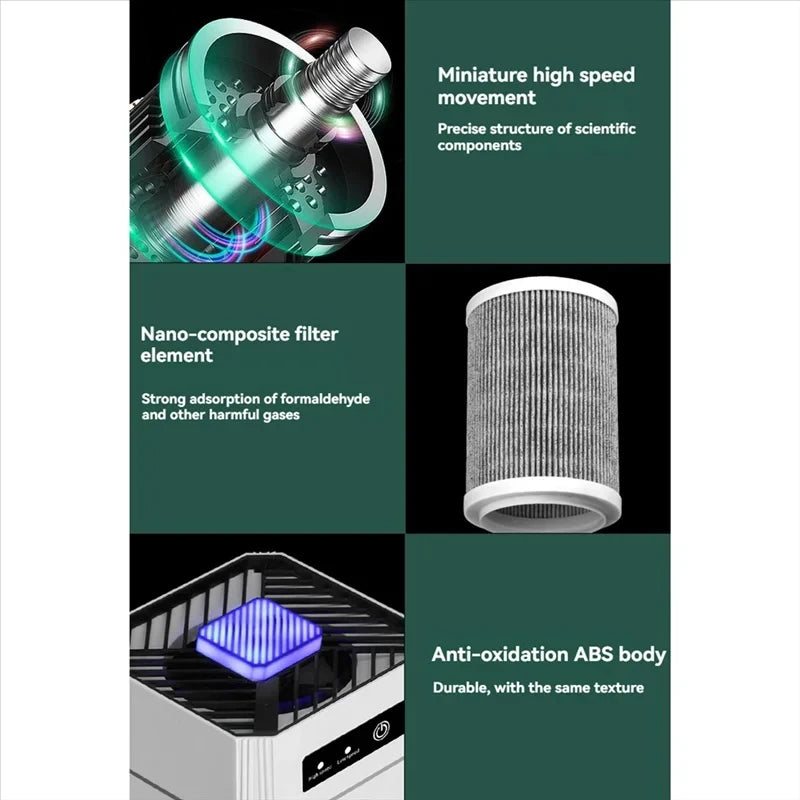
Particulate removal technology in action with a high-efficiency HEPA filtration system 💡 See it in action
Real-Life Benefits for Families and Wellness-Focused Homes
Many parents notice the difference within days. Rooms feel fresher in the morning, nighttime coughing or sneezing is reduced, and there’s less need to constantly wipe down surfaces.
One parent shared that after introducing an air purifier with advanced particulate removal technology, their child’s nursery felt noticeably cleaner, especially during allergy season.
Where it fits into daily life
- Nurseries and children’s bedrooms
- Living rooms where families gather
- Home offices and study areas
- Apartments with limited ventilation
These benefits align naturally with wellness-focused routines and products found in Beauty & Wellness, supporting overall comfort at home.
How It Compares to Other Air-Cleaning Options
| Option | Particle Removal | Odor Control | Long-Term Effectiveness |
|---|---|---|---|
| Basic fans | ❌ Minimal | ❌ None | ❌ Low |
| Scented sprays | ❌ None | ✅ Temporary | ❌ Low |
| Airborne particle removal technology with HEPA | ✅ High | ✅ Yes | ✅ Consistent |
This comparison helps many shoppers justify choosing a solution that focuses on actual particle removal rather than short-term masking.
Choosing the Right Solution for Your Home
When evaluating options, consider room size, noise levels, and filtration quality. A compact, portable purifier can be ideal for families who want flexibility between rooms.
For example, a portable air purifier with aromatherapy combines effective airborne particle removal technology with added comfort, making it suitable for bedrooms and shared living spaces.
What to look for
- True HEPA filtration system
- Quiet performance for sleep areas
- Easy filter maintenance
- Design that fits modern homes
Pairing air solutions with smart tools from Smart Baby Gadgets can further simplify daily routines.
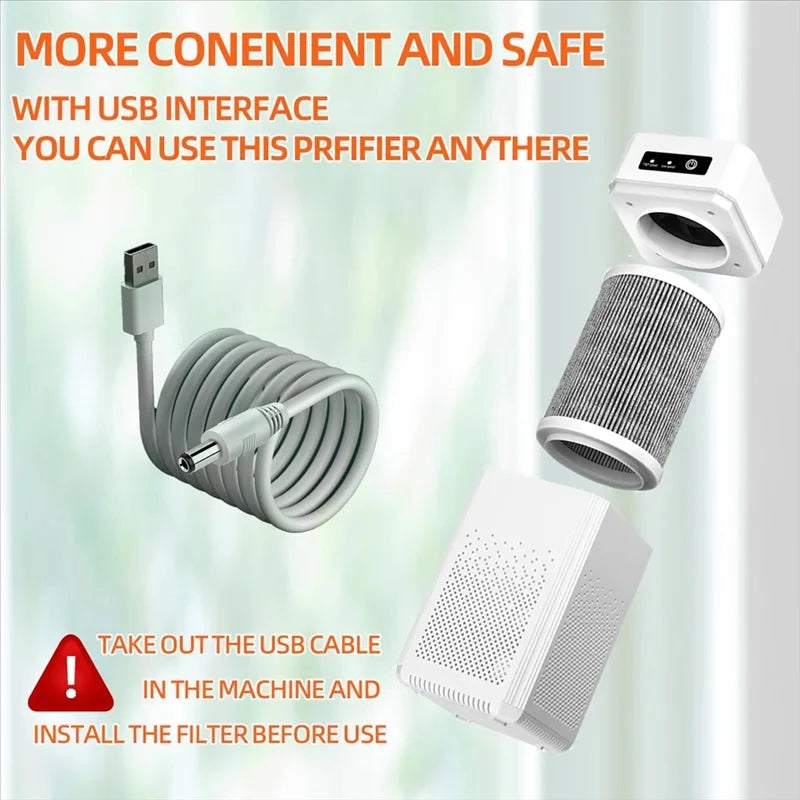
Cleaner indoor air powered by airborne particle removal technology 💡 See it in action
Mini FAQ
Does airborne particle removal technology help with allergies?
Yes. By capturing airborne particulate matter like pollen and dust, it can reduce common allergy triggers and improve overall comfort.
Is a HEPA filtration system safe for baby rooms?
High-quality HEPA filtration systems are commonly used in nurseries because they operate quietly and don’t release harmful byproducts.
How often should filters be replaced?
Replacement depends on usage and air quality, but most families find changing filters every few months maintains consistent performance.
Related Guide: How Does Air Purification Work Inside Compact Devices





