

Airborne Particle Removal Technology That Actually Improves Air
Does airborne particle removal technology really work?
Airborne particle removal technology works by actively capturing airborne particulate matter like dust, smoke, and allergens before they settle in your home. Using advanced particulate removal technology paired with a high-efficiency HEPA filtration system, it improves indoor air quality by reducing irritants that trigger discomfort and breathing issues.
Airborne Particle Removal Technology That Actually Improves Air
⏱ 6 min read
Airborne particle removal technology is changing how families protect the air they breathe indoors. For parents juggling allergies, pets, urban pollution, or newborn care, cleaner air isn’t a luxury—it’s peace of mind. Instead of covering odors, modern systems remove the particles that cause them, helping homes feel fresher, calmer, and healthier every day.
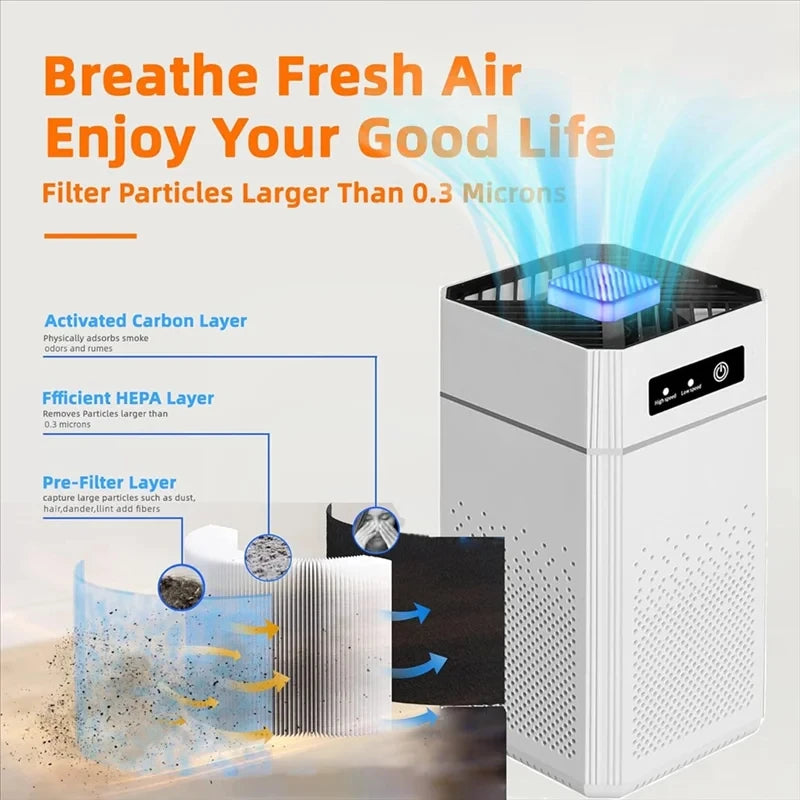
Airborne particle removal technology helps reduce airborne particulate matter for everyday comfort. 💡 See it in action
Why Indoor Air Quality Matters for Families
Indoor air can contain more airborne particulate matter than outdoor air, especially in homes with cooking fumes, dust, pollen, or smoke drifting in from outside. Babies, young children, and parents with allergies are often the first to feel the effects—sneezing, restless sleep, or lingering odors that never seem to disappear.
Cleaner air supports calmer sleep routines, fewer allergy flare-ups, and a more comfortable space for play and bonding. That’s why many families now view air purification as part of everyday home care, alongside essentials found in Health & Safety and Sleep & Comfort.
How Does Airborne Particle Removal Technology Improve Indoor Air?
Airborne particle removal technology works by pulling air through multiple stages of filtration that trap and hold microscopic particles. Unlike basic fans or scented devices, it focuses on removing the source of irritation rather than masking it.
Key processes that make it effective
- Active air circulation that continuously refreshes room air
- Fine-particle capture to reduce dust, smoke, and pollen
- Layered particulate removal technology for consistent results
- Quiet operation suitable for nurseries and bedrooms
Which air solution actually fits your family’s daily routine? Keep reading to see how modern systems stand apart.
Why a HEPA Filtration System Matters More Than You Think
Airborne particle removal technology delivers its strongest results when paired with a high-efficiency HEPA filtration system. HEPA filters are designed to capture extremely small particles that standard filters miss, helping reduce airborne particulate matter that can linger for hours.
This level of filtration is especially valuable in homes with infants, pets, or allergy-sensitive family members. Many parents combine air purification with other wellness-focused solutions from Beauty & Wellness to create a more comfortable living environment.
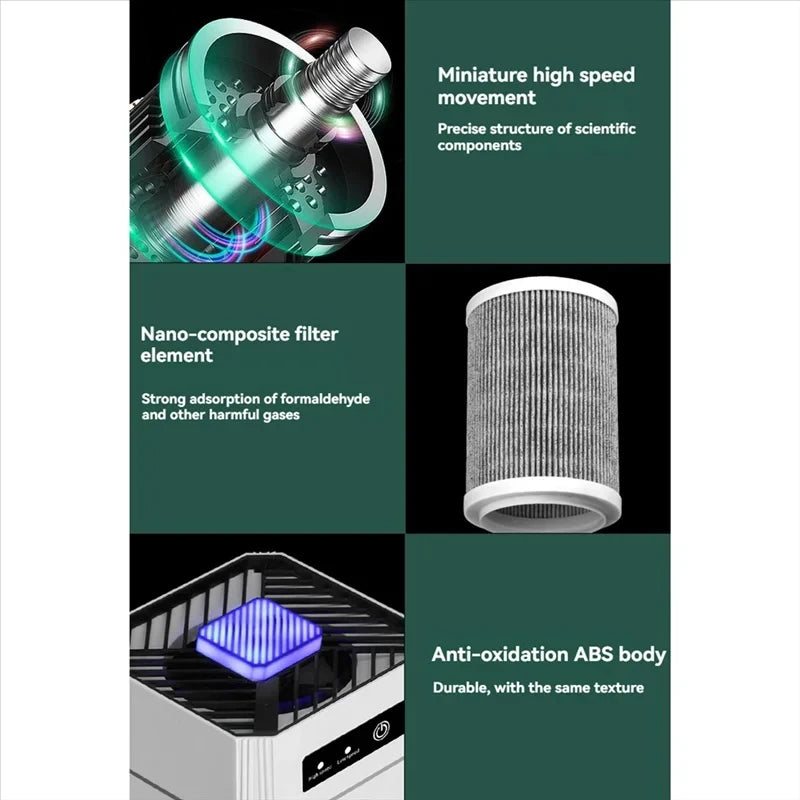
Particulate removal technology with a HEPA filtration system targets fine airborne particulate matter. 💡 See it in action
Real-Life Benefits You Can Feel at Home
Families often notice changes within days of using effective airborne particle removal technology. The air feels lighter, surfaces stay cleaner longer, and lingering smells fade faster.
Parents commonly report
- Less visible dust on furniture and baby gear
- Reduced allergy symptoms during sleep
- Improved comfort in shared spaces
- Greater confidence in overall indoor air quality
These benefits complement everyday parenting tools like those found in Baby Care Essentials and Mom Essentials, creating a safer-feeling home environment.
How This Technology Compares to Other Air Solutions
| Solution Type | What It Does | Limitations |
|---|---|---|
| Basic fans | Moves air around | Does not remove particles |
| Scented devices | Masks odors | Leaves airborne particulate matter behind |
| Airborne particle removal technology | Captures and holds fine particles | Requires filter maintenance |
For comparison shoppers, the difference is clear: systems designed for particulate removal technology focus on measurable improvements, not temporary cover-ups.
Choosing the Right Solution for Your Home
When selecting an air purifier, consider room size, noise level, and filter efficiency. Portable designs are especially helpful for families who want flexibility—moving the unit from nursery to living room as needed.
Products like the portable air purifier with aromatherapy offer a balance of performance and convenience, fitting easily into busy family routines alongside tools from Smart Baby Gadgets.
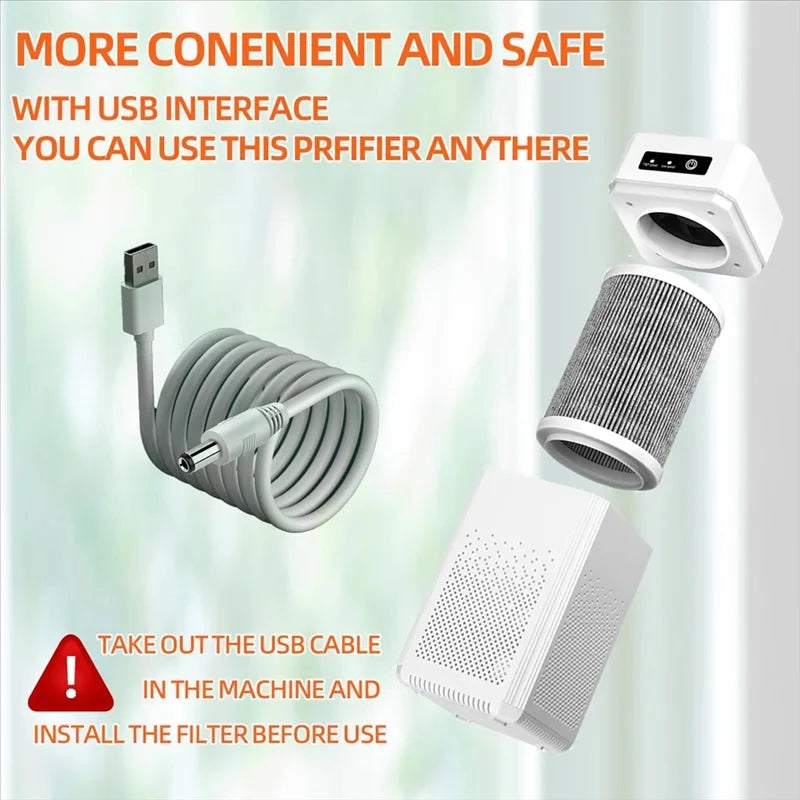
Airborne particle removal technology supports cleaner indoor air with everyday ease. 💡 See it in action
Quick Questions Parents Often Ask
Is airborne particle removal technology safe for babies?
Yes. Systems using a HEPA filtration system remove particles without releasing chemicals, making them suitable for nurseries and family spaces.
How often should filters be replaced?
Most filters last several months, depending on use and air quality. Regular replacement keeps particulate removal technology performing effectively.
Can one device cover multiple rooms?
Portable units can be moved between rooms, but coverage depends on room size and airflow design.
Related Guide: How Does Air Purification Work Inside Compact Devices





