

Are Heated Eye Masks Safe? When to Use Them and When Not To
Does a warm compress for eye strain really work?
Yes. A warm compress for eye strain helps many people find temporary relief by increasing blood flow around the eyelids, relaxing muscles around the eyes, and improving the quality of the tear film. Gentle warmth can also soften oils in the meibomian glands, making it easier for tears to stay on the eye surface. Many people notice improved comfort within 5–10 minutes, especially when eye strain is linked to prolonged screen use or mild dry eye.
Warm Compress for Eye Strain or Heated Mask: What Works Faster?
If your eyes burn after work, your vision feels tired at night, or long hours in front of a computer leave your eyes dry and uncomfortable, you're not alone. Digital eye strain affects millions of people every day. Whether you work remotely, study online, or spend hours on your phone, both traditional warm compresses and heated eye masks can provide soothing relief without medication.
⏱ 8 min read
So which option works faster—and which is the better long-term choice?
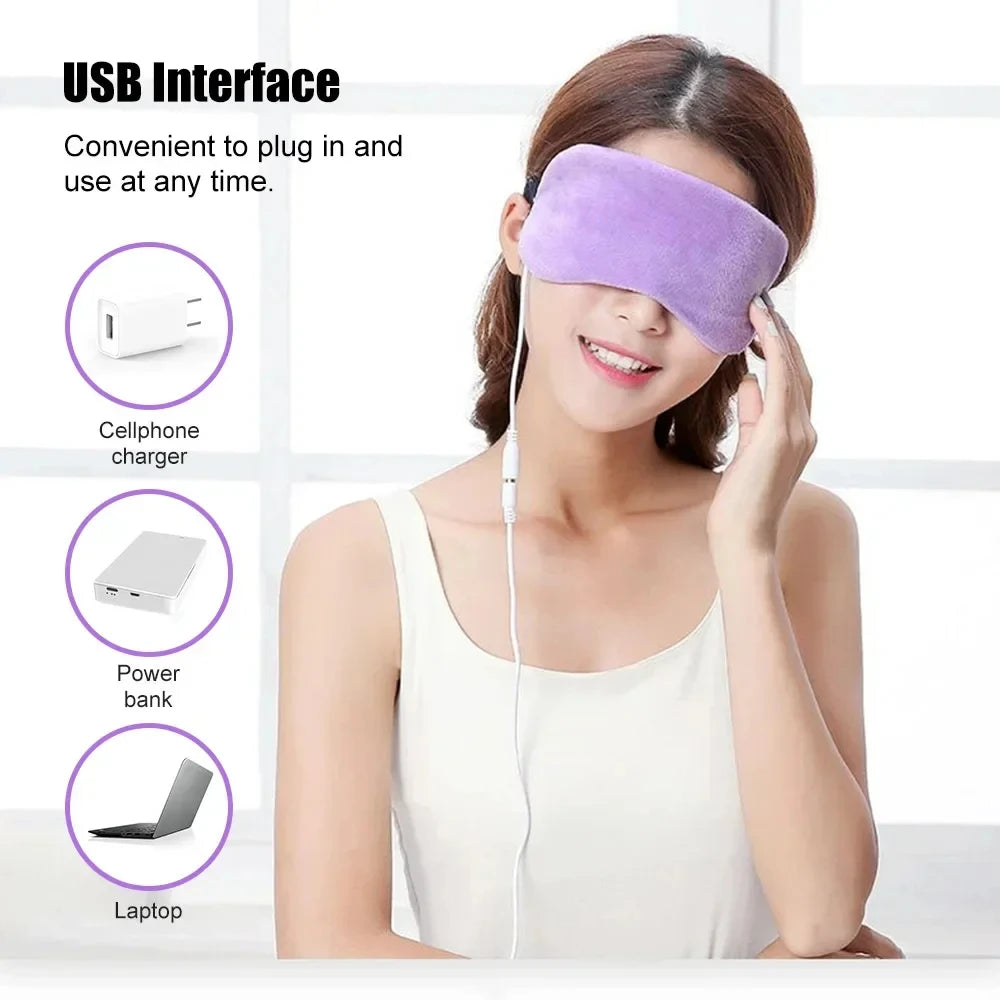
Warm compress for eye strain improves circulation and supports healthier tear production.
How a Warm Compress for Eye Strain Helps
A warm compress for eye strain increases circulation around the eyelids, relaxes muscles surrounding the eyes, and helps improve tear quality by softening natural oils produced by the meibomian glands.
- Relaxes tired eye muscles after prolonged screen use
- Supports a healthier tear film
- May reduce symptoms of mild dry eye
- Can ease tension around the forehead and eyes
- Provides gentle comfort without medication
Many people combine heat therapy with good lighting, regular screen breaks, and gentle wellness routines found in Beauty & Wellness collections.
How Heated Eye Masks Work
Heated eye mask benefits extend beyond simple warmth. Unlike a towel that cools quickly, a heated eye mask maintains a steady temperature designed to warm the eyelids evenly for the entire treatment session.
How heat helps dry eye and meibomian gland dysfunction
The meibomian glands produce oils that prevent tears from evaporating too quickly. When these oils become thick or blocked, dry eye symptoms may worsen. Gentle heat softens these oils so they flow more easily, supporting a more stable tear film and improving overall eye comfort.
This is why warm eye mask benefits are often recommended as part of conservative care for evaporative dry eye and meibomian gland dysfunction. People interested in these conditions may also benefit from a dry eye treatment guide and a meibomian gland dysfunction guide.
Heated mask vs traditional warm compress
A traditional towel begins cooling almost immediately after application. Heated masks maintain a more consistent temperature, reducing the need for repeated reheating and helping deliver more uniform warmth throughout a typical 10–15 minute session.
Heated Mask vs Hot Towel: Which Works Faster?
| Feature | Warm Towel | Heated Eye Mask |
|---|---|---|
| Heat consistency | Cools within minutes | Maintains steady warmth |
| Support for tear film | Moderate | Better consistency |
| Ease of use | Requires reheating | Simple operation |
| Comfort | Can become damp and cool | Even dry warmth |
| Best for | Occasional relief | Regular home therapy |
Both approaches can relieve eye strain, but heated masks generally provide more consistent heat, making them a convenient choice for repeated use.
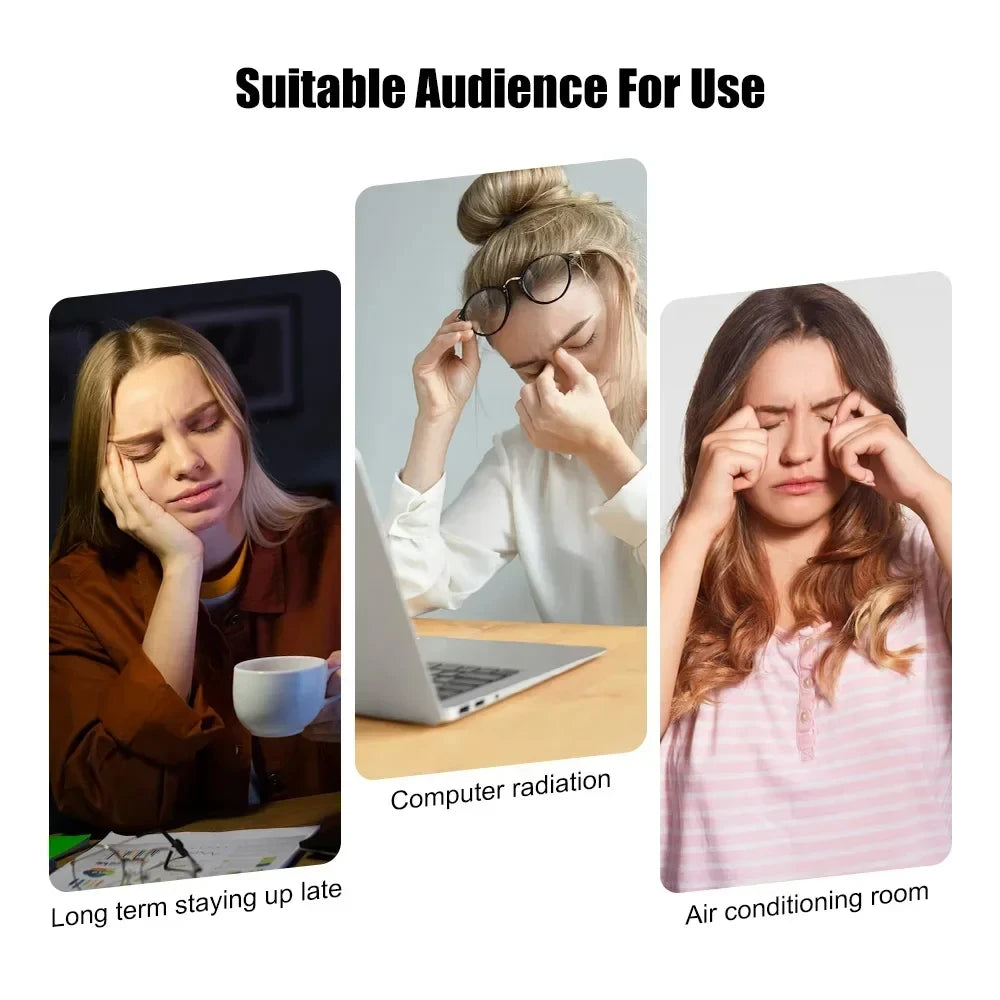
Consistent warmth may provide more comfortable relief than repeatedly reheating a towel.
Are Heated Eye Masks Safe?
Yes. Heated eye masks are generally safe for most healthy adults when used according to the manufacturer's instructions. They are designed to deliver gentle warmth rather than excessive heat and can be a practical option for managing eye fatigue and mild dry eye symptoms.
People who may safely use heated eye masks include adults experiencing:
- Digital eye strain
- Mild dry eye symptoms
- Tired eyes after prolonged reading or computer work
- Meibomian gland dysfunction when recommended by an eye care professional
However, anyone with recent eye surgery, significant eye disease, severe pain, sudden vision changes, or persistent redness should consult an optometrist or ophthalmologist before using heat therapy.
How to Use a Heated Eye Mask Safely
Recommended temperature
Most heated eye masks are designed to stay within a comfortable therapeutic range. The mask should feel pleasantly warm—not painfully hot. If it feels too hot against the skin, discontinue use and allow it to cool.
Duration and frequency
Most people benefit from sessions lasting approximately 10–15 minutes. Depending on symptoms and professional advice, many individuals use a heated eye mask once or twice daily.
Cleaning and hygiene
Always follow the manufacturer's cleaning instructions. Keeping reusable eye masks clean helps reduce the risk of bacteria, makeup residue, and skin oils accumulating on the fabric. Good eyelid hygiene is also an important part of blepharitis care.
Who Should Not Use Heated Eye Masks?
Although heated eye masks are safe for many users, some situations require extra caution.
After eye surgery
People recovering from cataract surgery, LASIK, or other eye procedures should wait until their eye surgeon confirms that heat therapy is appropriate.
Active infection or injury
Avoid heat if you have an active eye infection, open wound, or significant eye injury unless specifically instructed by your healthcare provider.
Rosacea and inflamed eyelids
Some people with rosacea or active eyelid inflammation may find heat worsens redness. If symptoms increase during treatment, discontinue use and seek medical advice.
Children and pregnancy
Pregnancy itself is not generally considered a contraindication for external warm compresses, but anyone with concerns should consult their healthcare provider. Children should only use heated eye masks under adult supervision.
Possible Risks and Side Effects
Burns and skin irritation
Improperly heated towels or damaged electric devices may become excessively hot, increasing the risk of burns or skin irritation. Always test the temperature before placing a mask over closed eyes.
Can warm compress damage eyes?
When used correctly, a warm compress should not damage healthy eyes. Problems are more likely to occur if excessive heat is applied for prolonged periods or if the compress is used despite active infection or injury.
When heat may worsen symptoms
Stop using the mask and seek professional evaluation if you develop increasing pain, worsening redness, reduced vision, significant swelling, or symptoms that continue despite home care.
Steam Eye Masks vs Heated Eye Masks
Steam eye masks produce moist heat, while many reusable heated eye masks provide controlled dry heat.
- Steam eye masks: Convenient for single use and provide moist warmth.
- Heated eye masks: Offer more consistent temperature and are often reusable.
Both are generally safe when used correctly. The best choice depends on personal comfort, convenience, travel needs, and the manufacturer's instructions.
Reusable, Microwave, and USB Heated Masks
Several types of heated eye masks are available.
- Microwave masks: Simple and portable but temperature can vary depending on heating time.
- USB heated masks: Provide consistent warmth and are convenient for home or office use.
- Reusable electric masks: Often include adjustable temperature settings and automatic shutoff features.
Regardless of design, inspect masks regularly for wear and follow all maintenance instructions.
Eye Compress: Hot or Cold?
Choosing between heat and cold depends on the cause of your symptoms.
| Condition | Best Choice |
|---|---|
| Dry eye | Warm compress |
| Meibomian gland dysfunction | Warm compress |
| Digital eye strain | Warm compress |
| Fresh injury or swelling | Cold compress |
| Allergy-related puffiness | Cold compress |
If you're unsure which approach is appropriate, consult an eye care professional or review a warm vs cold compress guide.
How to Relieve Eye Strain at Home
- Follow the 20-20-20 rule during screen use.
- Apply a warm compress or heated eye mask for 10–15 minutes.
- Blink consciously while using digital devices.
- Stay hydrated throughout the day.
- Reduce screen brightness in dim environments.
- Schedule regular comprehensive eye examinations.
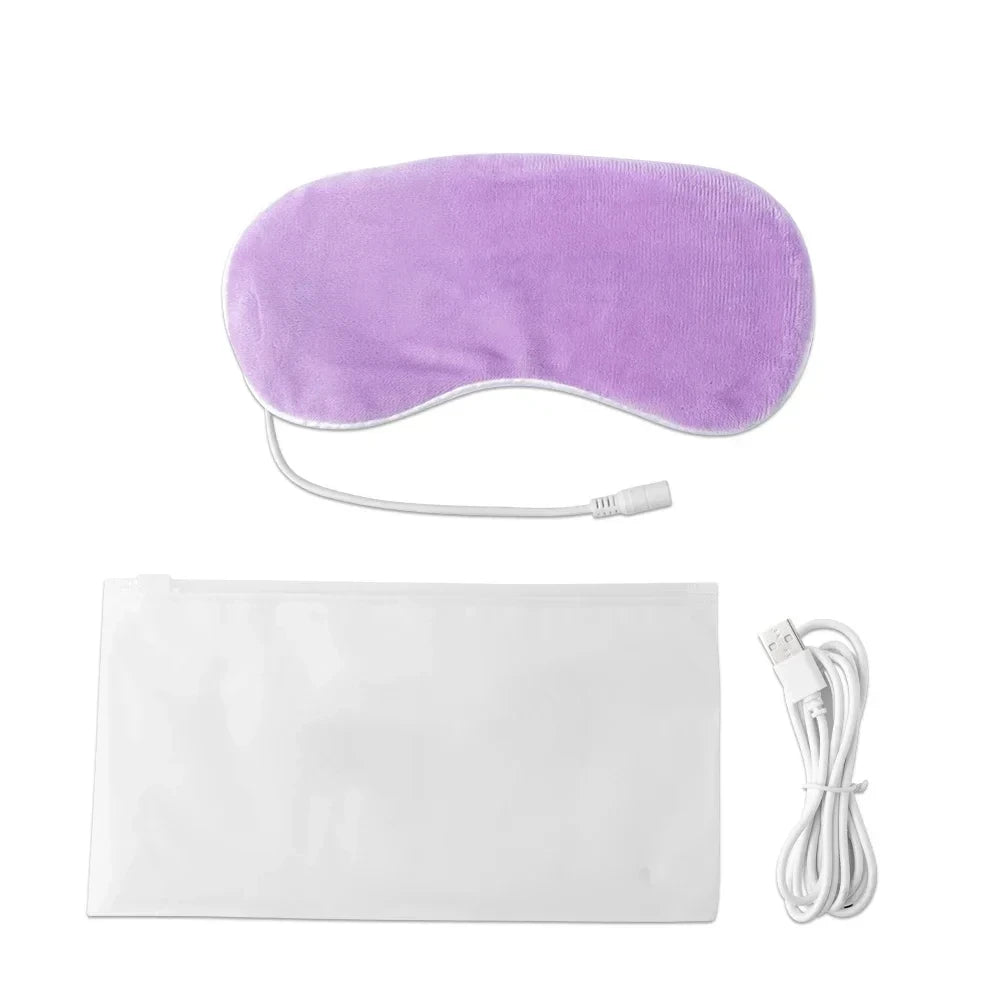
Consistent heat therapy may help relieve eye fatigue associated with extended screen time.
FAQ
Can I use a heated eye mask every day?
Yes. Many people safely use heated eye masks daily for approximately 10–15 minutes, particularly when managing dry eye or digital eye strain. Follow your manufacturer's instructions and your eye care provider's recommendations.
Is it safe to sleep with a heated eye mask?
In general, it is not recommended unless the product is specifically designed and approved for overnight use. Falling asleep with continuous heat may increase the risk of skin irritation.
Are heated eye masks safe after cataract or LASIK surgery?
Wait until your ophthalmologist advises that healing is complete before resuming heat therapy.
Can I wear contact lenses with a heated eye mask?
It is generally best to remove contact lenses before using a heated eye mask to maximize comfort and reduce irritation.
Are heated eye masks safe for styes or chalazia?
Warm compresses are commonly recommended for styes and chalazia, but you should always follow the advice of your eye care provider regarding treatment duration and frequency.
Can a heat mask drop eye pressure?
Current evidence does not support using heated eye masks as a treatment to lower intraocular pressure. Anyone with glaucoma or concerns about eye pressure should follow their ophthalmologist's treatment plan.
Are steam eye masks safe?
Yes, when used according to the manufacturer's instructions. Disposable steam eye masks provide moist heat, while reusable heated masks typically provide controlled dry heat.
Can warm compress damage eyes?
Not when used correctly. Avoid excessive temperatures and discontinue use if discomfort, redness, or worsening symptoms occur.
When should I stop using a heated eye mask and see an eye doctor?
Seek prompt medical care if you experience severe pain, sudden vision changes, significant swelling, persistent redness, eye discharge, or symptoms that do not improve with appropriate home care.
Related Guide: Heat Therapy for Eyes: Heated Masks vs Warm Compresses





