

Baby waking from noise how to calm and prevent it
Does baby waking from noise really stop with the right setup?
Baby waking from noise can be reduced when parents balance infant sleep noise control with steady background sound and gentle infant noise protection. Using consistent infant sleep sound white noise, shielding sudden spikes, and setting predictable routines helps babies stay asleep through everyday household sounds.
Baby waking from noise how to calm and prevent it
⏱ 7 min read
Baby waking from noise is one of the most frustrating sleep challenges parents face. A dropped spoon, a barking dog, or a door closing can undo hours of careful settling. The good news? Babies don’t need total silence. With smart infant sleep noise control, steady infant sleep sound white noise, and gentle infant noise protection, better sleep is possible.

Baby waking from noise often improves with infant sleep noise control and white noise support 💡 See it in action
Explore gentle noise-reduction options
Why noise wakes babies so easily
Newborns and young infants spend more time in light sleep stages. This means sudden sounds are more likely to trigger a startle reflex. Unlike adults, babies haven’t learned which noises are safe to ignore.
- Irregular household sounds feel unpredictable
- Developing nervous systems react quickly
- Quiet rooms make noise spikes feel louder
- Overtired babies wake even more easily
The fastest way to reduce noise-related wake-ups
Baby waking from noise improves fastest when parents stop chasing silence and instead focus on consistency. A steady sound baseline plus protection from sudden spikes helps babies relax and stay asleep.
How to calm baby waking from noise step by step
Baby waking from noise can be managed with a simple routine that balances exposure and comfort. Start small and adjust over several nights.
- Create a predictable sleep routine before naps and bedtime
- Add gentle infant sleep sound white noise at a consistent volume
- Reduce sudden noise spikes near the sleep space
- Use infant noise protection during unavoidable loud moments
Learn how parents manage noise without stress
Using infant sleep sound white noise safely
White noise works by masking unpredictable sounds with a steady background. This teaches babies that noise doesn’t always mean danger or disruption.
- Keep volume similar to a running shower
- Place the sound source away from the crib
- Use the same sound for naps and night sleep
- Avoid sudden changes in volume or tone
Many parents pair white noise with items from Sleep & Comfort to reinforce calm sleep cues.
When infant noise protection helps most
Infant noise protection is useful during unavoidable loud events like vacuuming, travel, or family gatherings. It doesn’t replace healthy sleep routines—it supports them.
Baby waking from noise decreases when babies feel shielded from sudden spikes without being isolated from normal sounds.
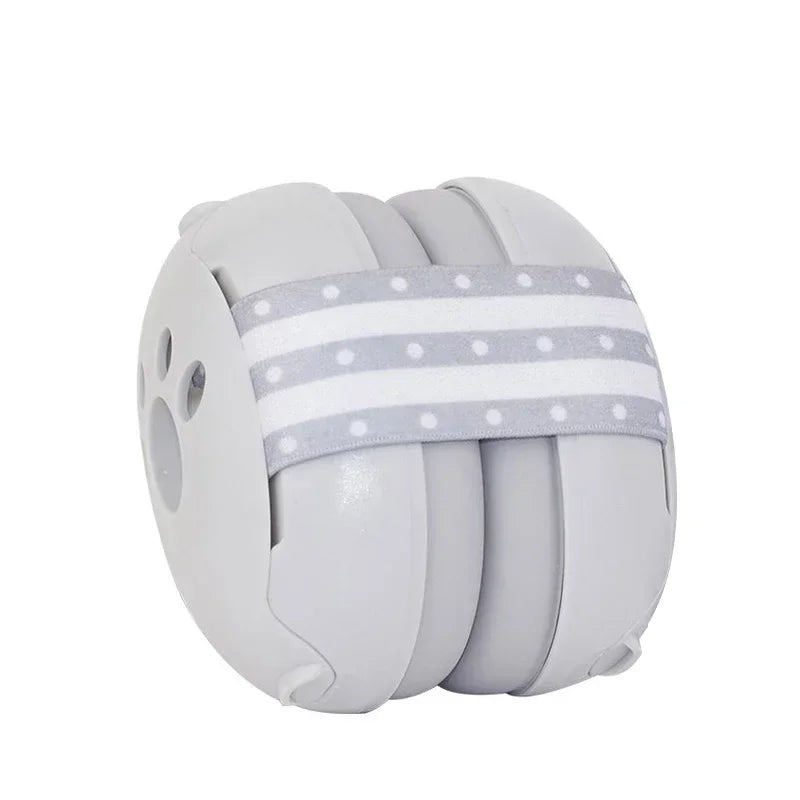
Infant noise protection paired with white noise supports calmer sleep 💡 See it in action
Parents often combine protective tools with calming techniques from Massage & Relaxation to help babies settle faster after disruptions.
Building a noise-smart sleep environment
A sleep-friendly home doesn’t require tiptoeing. Small adjustments reduce stress for both baby and parents.
- Close doors gently but consistently
- Use rugs or soft furnishings to absorb sound
- Keep sleep routines predictable even during daytime noise
- Rely on steady background sound instead of silence
Helpful tools from Health & Safety and Monitoring Devices can add peace of mind without overcomplicating routines.
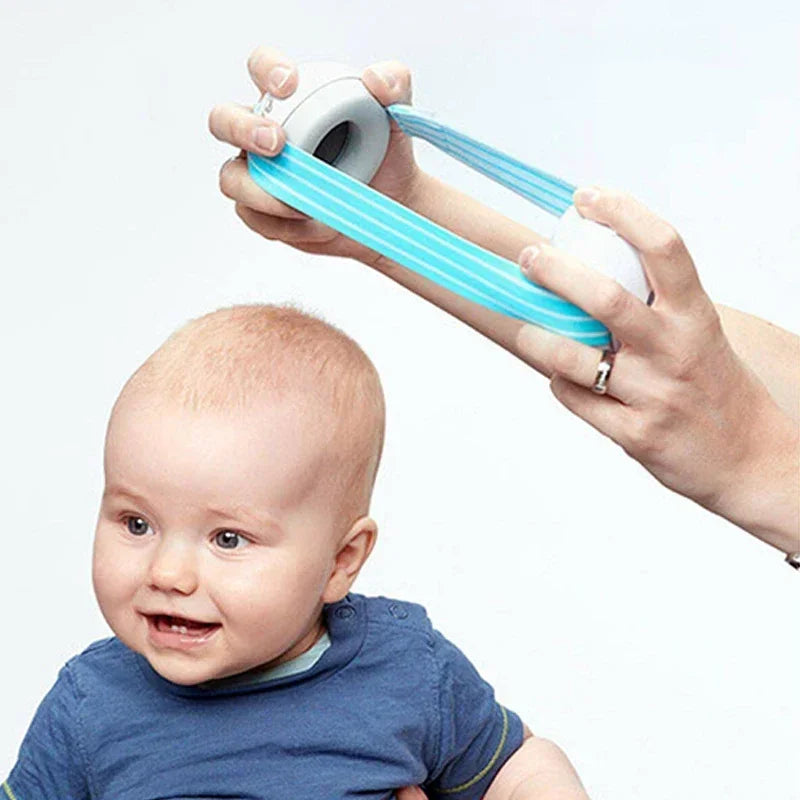
Baby waking from noise improves with a consistent, calm environment 💡 See it in action
What parents notice after fixing noise disruptions
Parents often report longer sleep stretches within days of improving infant sleep noise control.
- Fewer startled wake-ups
- Faster resettling after noise
- More confidence leaving the room
- Less anxiety around everyday sounds
Get gentle noise protection while supplies last
Mini FAQ: baby waking from noise
Is silence bad for baby sleep?
Total silence can make babies more sensitive to sudden sounds. A steady background sound helps mask disruptions.
Can white noise be used all night?
Yes, when kept at safe volumes and placed away from the crib, white noise can run continuously.
Does infant noise protection replace white noise?
No. Protection helps during loud moments, while white noise supports everyday sleep consistency.
How long does it take to see improvement?
Many families notice fewer wake-ups within 3–5 days of consistent changes.
Related Guide: How to protect baby hearing at home and outdoors





