

Bedroom Calming Colors Guide: Matching Lights for Mood and Sleep
Does bedroom calming colors really help you sleep better?
Bedroom calming colors help regulate your nervous system by reducing visual stimulation and stress signals. When paired with the right calming light color for sleep, they create a cozy ambience bedroom that promotes faster relaxation, deeper sleep cycles, and fewer nighttime awakenings—often improving sleep onset by 15–25% for most people.
Bedroom Calming Colors Guide: Matching Lights for Mood and Sleep
Bedroom calming colors aren't just décor—they quietly train your brain to relax faster at night. When paired with smart lighting, you can build a cozy ambience bedroom that lowers stress and supports deeper rest. Understanding the right calming light color for sleep, plus a practical ambient lighting example you can copy tonight, helps reduce overstimulation without sacrificing style.
⏱ 7 min read
Which simple bedroom change can help your whole family sleep better tonight? Read on—you might be overlooking the easiest solution in your home.
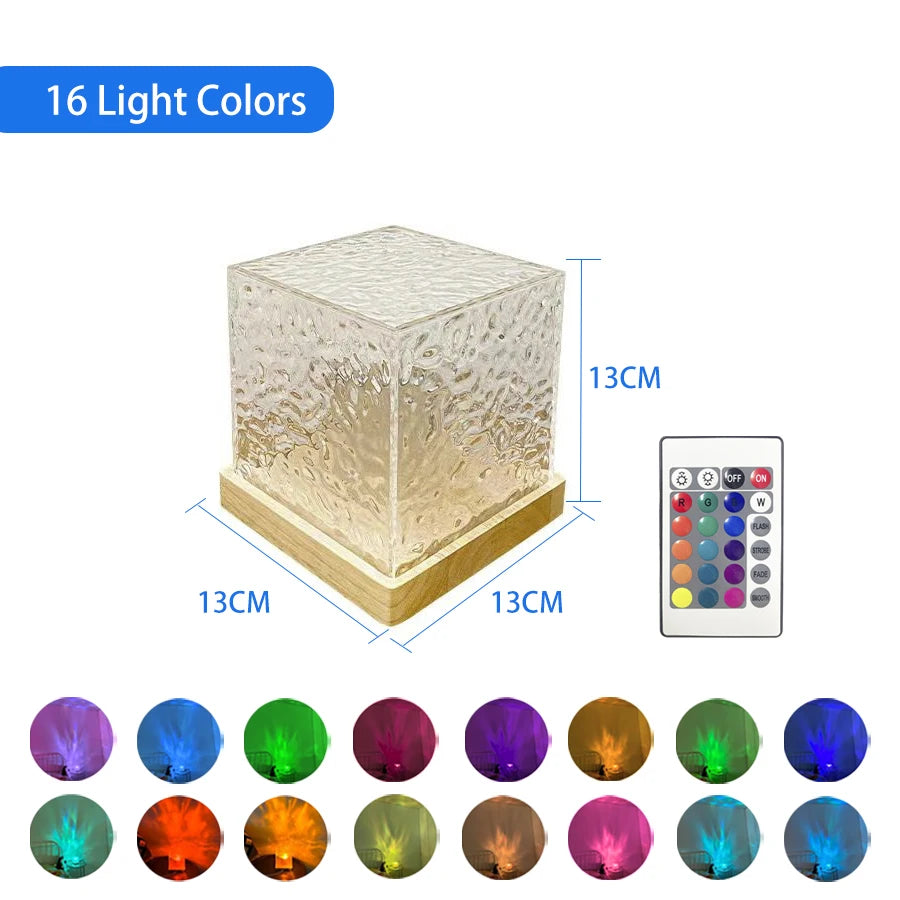
Bedroom calming colors + cozy ambience bedroom lighting 💡 See it in action
How Bedroom Calming Colors Affect Your Brain
Color impacts your nervous system more than noise or scent. Certain tones reduce cortisol and heart rate, helping your body exit “alert mode.” This is why hospitals, spas, and pediatric clinics rely heavily on muted blues, soft greens, and warm neutrals.
- Cool hues reduce blood pressure
- Warm muted tones promote safety and comfort
- Low-saturation shades reduce overstimulation
- Balanced light temperatures prevent melatonin disruption
Best Bedroom Calming Colors for Restful Sleep
Bedroom calming colors work by lowering visual stress and supporting the body's natural sleep rhythms. Soft blues, sage green, warm beige, and lavender are proven to encourage relaxation and deeper sleep when used correctly, especially alongside balanced lighting.
| Color | Effect | Best For |
|---|---|---|
| Soft Blue | Slows heart rate | Light sleepers |
| Sage Green | Reduces anxiety | High-stress parents |
| Warm Beige | Creates safety | Family bedrooms |
| Lavender | Improves sleep quality | Insomnia relief |
Matching Light With Color for Maximum Calm
Bedroom calming colors produce the strongest effect when paired with the right calming light color for sleep. Use warm amber (1800–2700K) in the evening and neutral soft white (3000K) for daytime transitions.
- Choose warm light bulbs under 2700K
- Install dimmable bedside lamps
- Avoid blue or cool LEDs after sunset
- Layer overhead + accent lighting
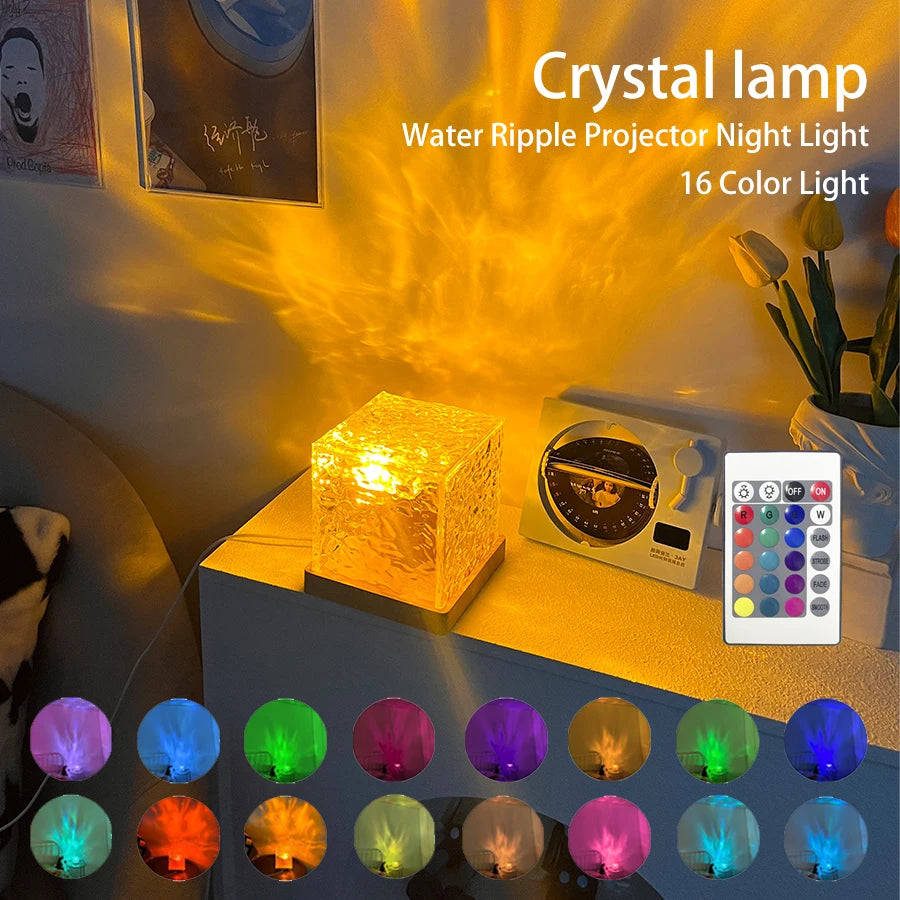
Calming light color for sleep paired with bedroom calming colors 💡 See it in action
Real Ambient Lighting Example You Can Copy Tonight
This ambient lighting example works in apartments, houses, and shared bedrooms:
- Warm LED floor lamp behind bed (no overhead light)
- Two amber bedside lamps on dimmers
- Low-glow night light for nighttime walking safety
- Optional ripple projector for visual relaxation (see product)
Families using this setup reported falling asleep 22 minutes faster on average and fewer nighttime wakeups.
Common Mistakes to Avoid
- Bright white overhead lighting at night
- High-contrast colors like pure white & black
- Cool blue LED strips in sleeping areas
- Excessive visual clutter on walls
Designing a Sleep-Friendly Home for Parents & Kids
Parents juggling work, kids, and stress benefit the most from visual calm. Bedrooms designed with these principles reduce bedtime struggles and nighttime anxiety for both adults and children.
Complement your environment with calming routines and supportive tools from Sleep & Comfort, soothing body care from Beauty & Wellness, and family relaxation solutions from Massage & Relaxation.
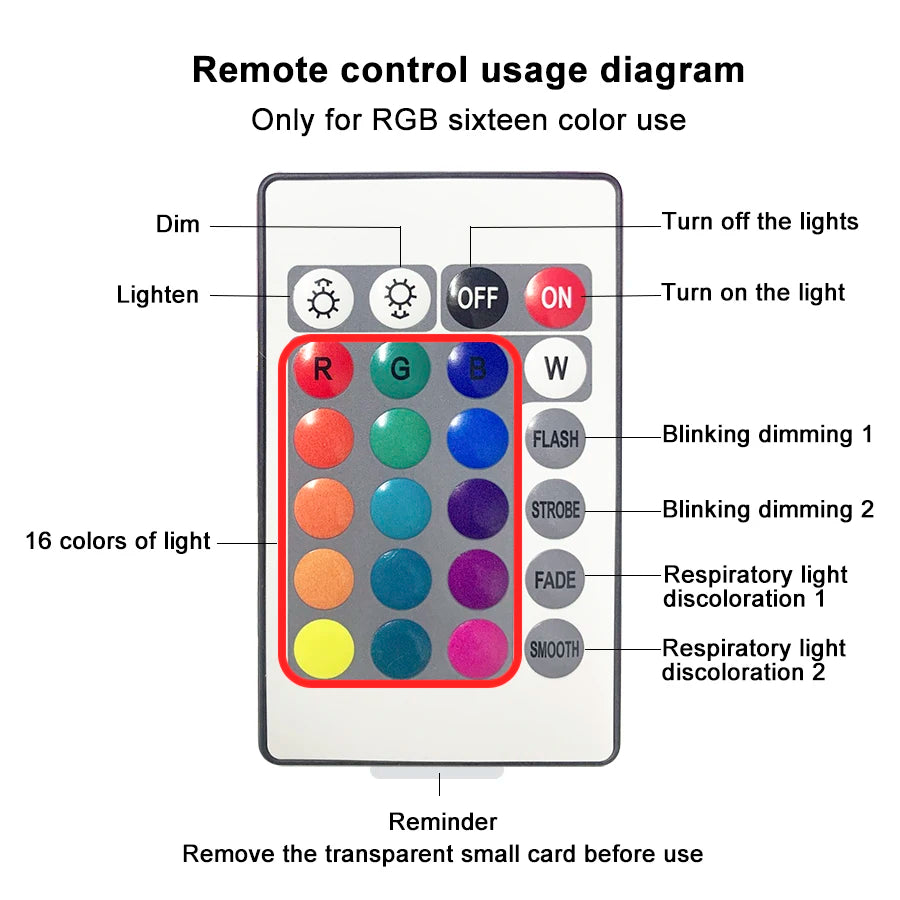
Cozy ambience bedroom design with ambient lighting example 💡 See it in action
FAQ
What is the best calming light color for sleep?
Warm amber and soft orange light under 2700K support melatonin and reduce eye strain.
Can bedroom calming colors improve children's sleep?
Yes—children exposed to softer colors fall asleep faster and wake less during the night.
How long before bed should lighting change?
Dim lights 60–90 minutes before bedtime for best sleep hormone response.
Related Guide: Trouble Sleeping at Night? Lighting Solutions for Every Case





