

Best Humidity Level for Sleep: How to Set It Right Tonight
Best Humidity Level for Sleep: How to Set It Right Tonight
What is the best humidity level for sleep?
The best humidity level for sleep is between 40% and 60%, with most people sleeping best around 45–55%. This range helps prevent poor sleep from low humidity, reduces waking up with dry throat, supports easier breathing, and keeps skin and nasal passages comfortable throughout the night.
⏱ 6 min read
Best humidity level for sleep isn’t just about comfort — it can decide whether you wake up refreshed or groggy. If your family struggles with restless nights, dry air, or congestion, your bedroom humidity may be the missing piece to better rest for both adults and children.
👉 Explore simple ways to upgrade your sleep setup
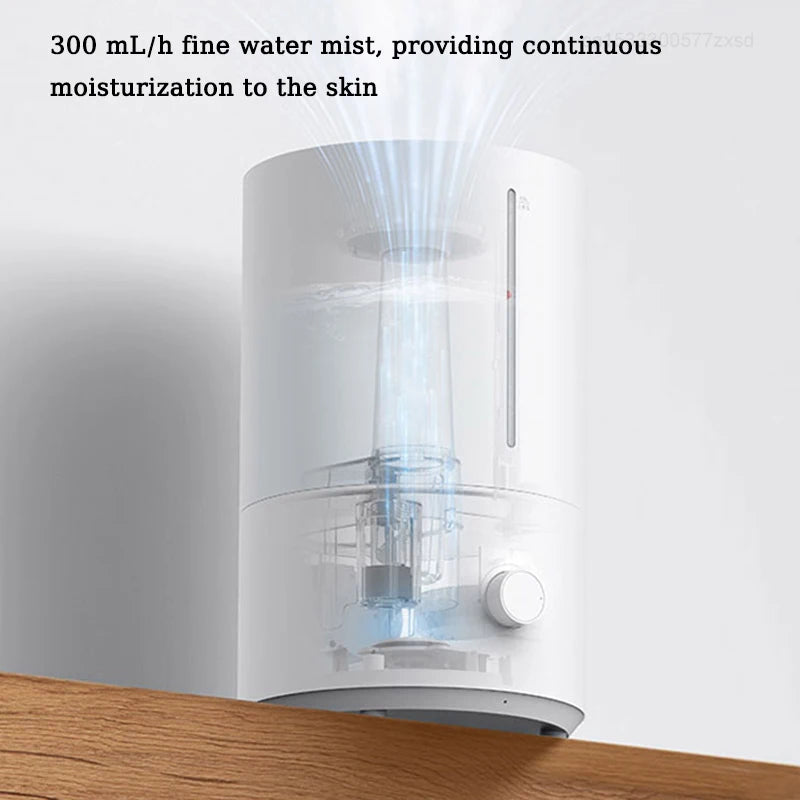
Best humidity level for sleep helps prevent dry air discomfort — 💡 See it in action
Why Bedroom Humidity Matters for Sleep Quality
Many people focus on mattress quality or room temperature, but air moisture plays an equally powerful role. When humidity drops too low, it pulls moisture from your body while you sleep, leading to irritation and disrupted rest.
- Dry air irritates the throat and nasal passages
- Low humidity worsens snoring and congestion
- Skin loses moisture overnight
- Static air feels colder, causing discomfort
This is why so many parents report poor sleep from low humidity during winter or in air-conditioned rooms.
Best Humidity Level for Sleeping Explained
The best humidity level for sleep is 40–60%, with most sleepers feeling the biggest benefits between 45–55%. Staying in this range balances moisture without creating damp air that can feel heavy or uncomfortable.
This range supports natural breathing, keeps mucous membranes hydrated, and reduces waking up with dry throat — especially important for children and light sleepers.
| Humidity Level | How It Feels | Sleep Impact |
|---|---|---|
| Below 30% | Very dry | Dry throat, congestion, restless sleep |
| 40–55% | Balanced | Optimal comfort and deeper sleep |
| Above 60% | Heavy, damp | Stuffiness and discomfort |
Signs You’re Sleeping in Air That’s Too Dry
Not sure if humidity is affecting your sleep? These common symptoms often point to dry indoor air:
- Waking up with dry throat or hoarse voice
- Itchy skin or chapped lips in the morning
- Stuffy nose without being sick
- Children waking more frequently at night
If these sound familiar, adjusting bedroom humidity can bring fast relief.
How to Set the Right Humidity Tonight
- Check your room humidity using a digital monitor or thermostat
- Aim for 45–55% before bedtime
- Close doors and windows to stabilize air levels
- Run a humidifier 30–60 minutes before sleep
Parents often pair humidity control with calming bedtime routines found in Sleep & Comfort to help kids settle faster.
👉 Learn step-by-step how to create a sleep-friendly bedroom
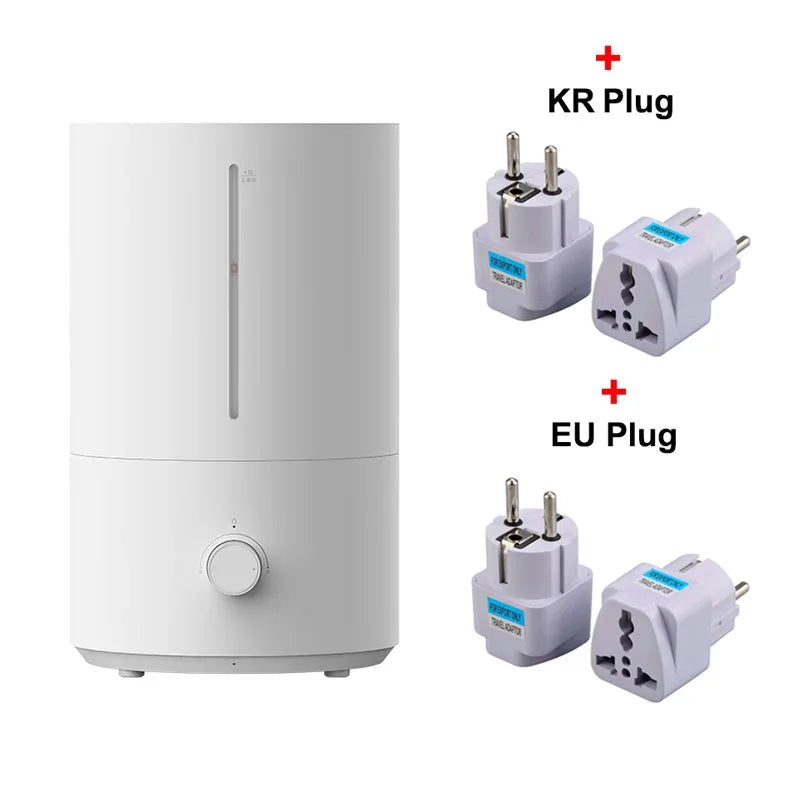
Best humidity level for sleeping improves breathing and comfort — 💡 See it in action
Why a Humidifier Makes Sleep Easier
A quiet ultrasonic humidifier is one of the simplest ways to maintain the best humidity level for sleep without constant adjustments.
- Automatically adds moisture to dry air
- Helps prevent poor sleep from low humidity
- Supports clearer breathing overnight
- Reduces skin dryness and irritation
Many families choose a low-noise option like the ultrasonic humidifier to keep bedrooms comfortable without disrupting rest.
Special Tips for Babies, Kids, and Parents
Children are especially sensitive to dry air. Maintaining the best humidity level for sleeping can help reduce nighttime coughing, congestion, and restless tossing.
- Place humidifiers safely out of reach
- Use clean water and wash tanks regularly
- Pair humidity with consistent bedtime cues
Parents often combine humidity control with wellness tools from Health & Safety and calming routines from Massage & Relaxation.
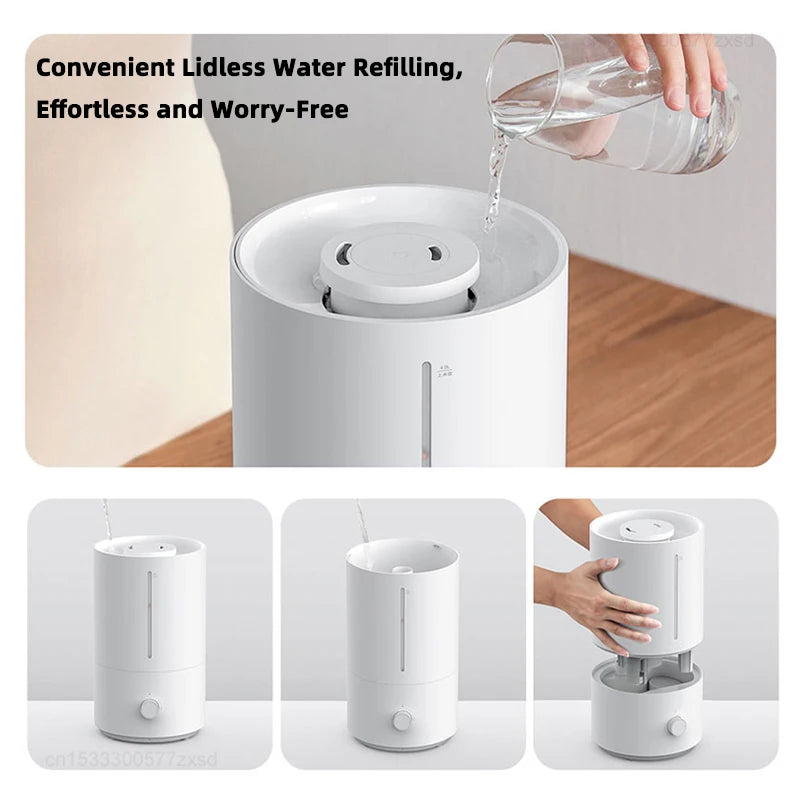
Best humidity level for sleep reduces waking up with dry throat — 💡 See it in action
👉 Get yours now — limited stock!
Quick FAQ
Is 50% humidity good for sleep?
Yes. Around 50% sits in the middle of the best humidity level for sleep range and supports comfortable breathing, skin hydration, and steady rest.
Can low humidity cause waking up with dry throat?
Absolutely. Dry air pulls moisture from your throat and nasal passages, making waking up with dry throat a common sign of low bedroom humidity.
Should I run a humidifier all night?
Yes, as long as humidity stays between 40–60% and the device is clean and quiet, overnight use can improve sleep comfort safely.
Related Guide: Maintain Healthy Indoor Humidity: A Step-by-Step Home Guide





