

Best Sleep Sound: 9 Calming Options for Deeper, Better Rest
What Is the Best Sleep Sound? Quick Recommendations by Sleep Need
The best sleep sound depends on why you struggle to rest. For most adults, brown noise and white noise are effective choices for creating a consistent sleep environment, while rainfall, ocean waves, and other nature sounds can help with relaxation. The right background noise can mask disruptions, calm the nervous system, and make it easier to fall asleep.
| Sleep Goal | Best Sleep Sound | Why It Helps |
|---|---|---|
| Fall asleep faster | Brown noise or rainfall | Creates a calming rhythm that helps quiet racing thoughts |
| Sleep through sudden noises | White noise | Masks traffic, conversations, and household sounds |
| Deep, uninterrupted sleep | Brown noise or pink noise | Provides steady low-frequency sound with fewer distractions |
| Reduce nighttime anxiety | Rain sounds, ocean waves, ambient sounds | Encourages relaxation and a predictable bedtime routine |
Best Sounds for Deep Sleep and How to Use Them
The best sounds for deep sleep can do more than cover unwanted noise—they can help create a consistent environment that tells your brain it is time to rest. From brown noise and white noise to rainfall and ocean waves, the right sleep background noise may reduce nighttime awakenings and make bedtime feel more relaxing. But which sounds actually work best, and how should you use them for better sleep?
⏱ 8 min read
Many people experience the same frustrating pattern: feeling exhausted but unable to fall asleep, or waking up repeatedly because of small noises around them. Traffic, neighbors, pets, household activity, and sudden changes in sound can interrupt even a comfortable sleep environment.
The solution is not always silence. For many sleepers, a steady and predictable sound can create a calmer atmosphere by reducing distracting noise and helping the brain transition into rest mode.
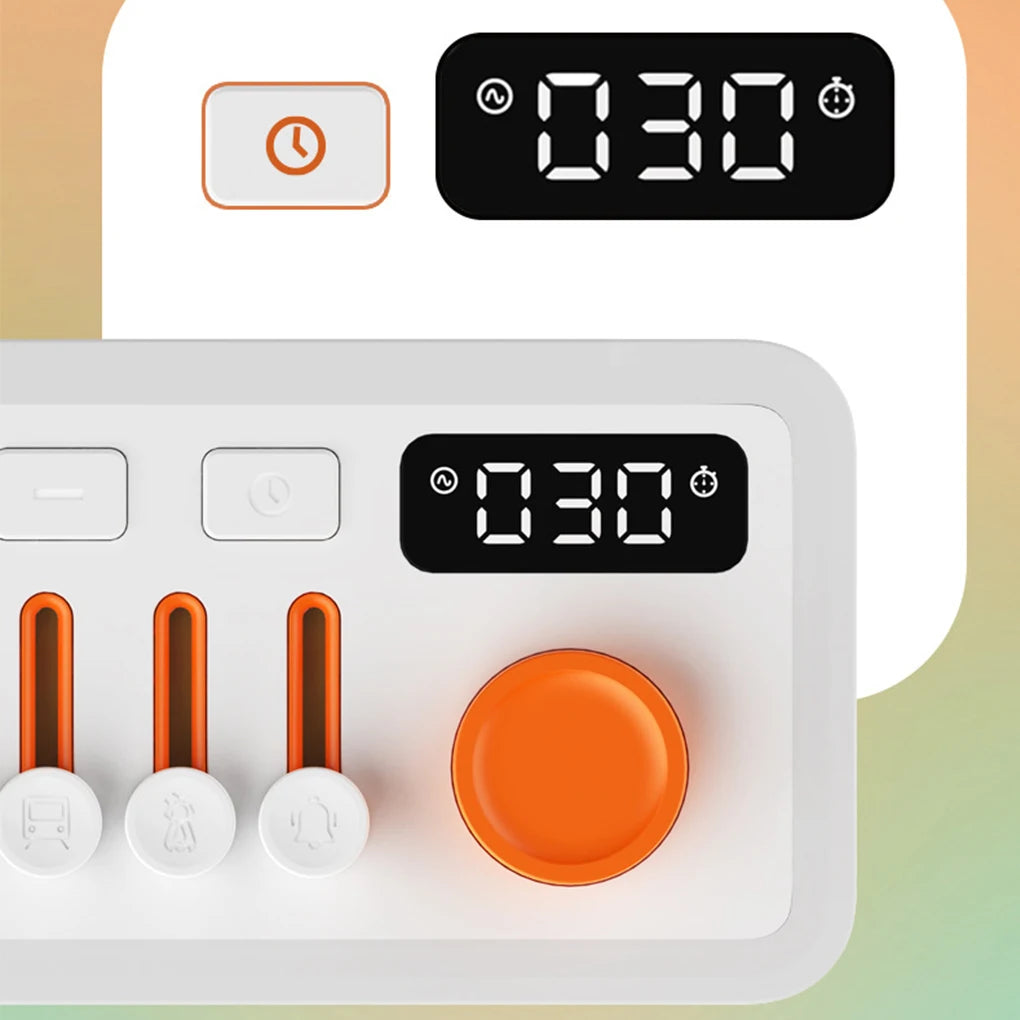
Best sounds for deep sleep using calming sleep background noise See it in action
What Is the Best Sleep Sound?
Best sound for falling asleep faster
Brown noise and rainfall sounds are often preferred by people who struggle to relax at bedtime. Their steady patterns can make the bedroom feel calmer and reduce mental distractions.
Best noise for deep sleep
Brown noise and pink noise are popular options for deeper sleep because they emphasize lower frequencies that many people find less harsh than traditional white noise.
Best sleep sounds for blocking background noise
White noise is one of the best choices for light sleepers because it creates a consistent layer of sound that can cover sudden interruptions.
Best sleep sounds for anxiety and relaxation
Rainfall, ocean waves, and gentle ambient sounds may help people who experience stress at night by creating a predictable and comforting bedtime environment.
Why Sleep Sounds Work: The Science Behind Better Sleep
Your brain continues processing sounds during sleep. Sudden or unpredictable noises can trigger brief awakenings, sometimes called micro-awakenings, that interrupt normal sleep cycles.
How sound masking improves sleep
Sleep sounds work mainly through sound masking . Instead of eliminating noise completely, they reduce the contrast between quiet periods and sudden disruptions.
- Masks unpredictable sounds like traffic, voices, and household activity
- Creates a consistent auditory environment
- Helps the brain recognize a familiar sleep cue
- Supports relaxation before and during sleep
How the brain responds to consistent sound
Steady background noise requires less attention than changing sounds. Over time, some people associate a specific sleep sound with bedtime, making it easier to transition into a relaxed state.
Who benefits most from sleep sounds
Sleep sounds can be especially useful for:
- Light sleepers affected by small noises
- People living in apartments or busy neighborhoods
- Shift workers sleeping during unusual hours
- Parents managing unpredictable household sounds
- Anyone who finds silence uncomfortable or distracting
Sleep sounds are not a guaranteed solution for every sleep issue, and they work best alongside healthy sleep habits such as consistent schedules, reduced evening stimulation, and a comfortable bedroom environment.
Types of Sleep Sounds Compared
White noise
White noise combines all audible frequencies at a similar intensity, creating a steady sound similar to a fan or air purifier.
Best for: light sleepers, noisy environments, and people who wake easily.
Pros:
- Strong noise masking ability
- Easy to find on apps and devices
- Works well for consistent nighttime use
Cons: Some people find higher frequencies too noticeable.
Pink noise
Pink noise reduces higher frequencies compared with white noise, creating a softer and more balanced sound.
Best for: sleepers who want a gentler alternative to white noise.
Brown noise
Brown noise emphasizes deeper frequencies and creates a low, rumbling sound that many people describe as calming.
Best for: racing thoughts, relaxation, and people who prefer deeper sounds.
Nature sounds
Rainfall, ocean waves, forest sounds, and flowing water provide natural rhythms that many people find emotionally relaxing.
Best for: bedtime routines and stress reduction.
Ambient music and fan sounds
Soft instrumental sounds, airflow noises, and gentle ambient tracks can create a familiar sleep atmosphere.
Best for: people who prefer a lifestyle-based relaxation routine.
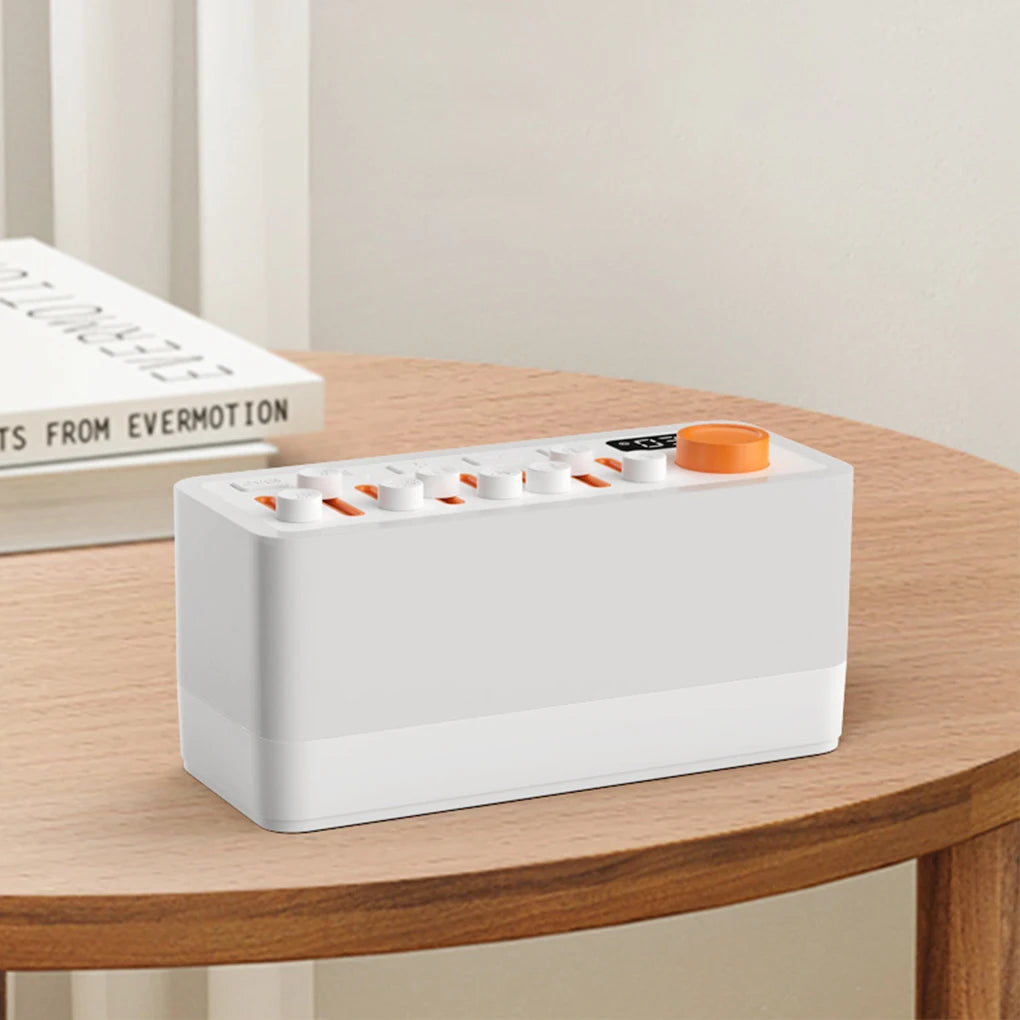
Relaxing sounds for deep sleep that calm the mind See it in action
Sleep Sounds Comparison Table
| Sound Type | Best For | Effectiveness | Availability |
|---|---|---|---|
| White noise | Blocking interruptions | High for noisy environments | Free apps and machines |
| Brown noise | Relaxation and deeper sleep | High for many adults | Free apps and premium devices |
| Pink noise | Softer background sound | Moderate to high | Free apps and sound libraries |
| Rain sounds | Stress relief and bedtime routines | High for relaxation | Free apps and recordings |
| Fan sounds | Familiar background noise | Moderate | Free or built into devices |
Best Sleep Sound Machines and Apps
Best white noise machine
A dedicated white noise machine is ideal for people who want reliable overnight playback without phone notifications or battery concerns. Look for adjustable volume, multiple sound options, and continuous looping.
Best sleep sound app
Sleep sound apps provide flexibility with large libraries of white noise, brown noise, nature sounds, and customizable mixes. They are convenient for testing different sounds before purchasing a device.
Best portable option
Compact sound machines are useful for travel because they create a familiar sleep environment in hotels, guest rooms, or unfamiliar locations.
Best budget choice
Free apps and basic speakers can be effective starting points, especially when testing which sounds work best for your sleep style.
How to Choose the Right Sleep Sound for You
Adults
Adults who want better sleep consistency often benefit from choosing one sound and using it regularly as part of a bedtime routine.
Babies
Many parents use gentle white noise to create a predictable sleep environment. Volume should always remain moderate and devices should be positioned safely away from the baby.
Travel
Portable sound machines can help recreate familiar background noise when sleeping away from home.
Light sleepers
White noise is often the best choice for people who wake easily because it masks sudden changes in the environment.
People with anxiety
Brown noise, rainfall, and calming nature sounds may be better options for people who need help quieting an active mind.
How to Use Sleep Sounds Effectively
Volume settings
Keep sleep sounds comfortable and low. The goal is to create a consistent background—not replace one loud distraction with another.
Speaker placement
Place the speaker away from your head and position it where the sound spreads evenly throughout the room.
Timers and looping
Continuous playback can help some sleepers avoid waking when the sound suddenly stops. Others may prefer timers if they only need help falling asleep.
Building a bedtime routine
Consistency matters more than switching between many sounds. Pairing sleep sounds with calming habits can strengthen the association between sound and rest.
Many parents and caregivers pair sleep sounds with items from the Sleep & Comfort collection to create a predictable bedtime environment.
Are Sleep Sounds Safe Every Night?
Recommended volume
Sleep sounds should be played at a comfortable volume that does not strain hearing. Lower settings are generally preferred for overnight use.
Dependency concerns
Some people worry that sleep sounds create dependence. While habits can form, many sleepers simply use them as part of a relaxing routine.
Children and babies
Parents should use appropriate volume levels and place devices at a safe distance from sleeping children.
Long-term use
For most people, moderate-volume sleep sounds can be used regularly when combined with healthy sleep practices.
Common Sleep Sound Mistakes That Reduce Effectiveness
- ❌ Playing sounds too loudly
- ❌ Choosing music with lyrics that keeps the brain active
- ❌ Changing sounds constantly instead of building consistency
- ❌ Placing speakers too close to the head
- ❌ Relying on sleep sounds while ignoring poor sleep habits
A dedicated sound device or reliable speaker can prevent interruptions caused by phone notifications, battery problems, or unexpected playback stops.
Frequently Asked Questions
Can sleep sounds improve deep sleep?
Sleep sounds may help some people sleep more consistently by masking disruptions and creating a calming environment. Their benefits vary depending on individual sleep patterns and surroundings.
Is white noise safe every night?
Yes, white noise is generally considered safe when used at a comfortable volume. Keeping the sound level moderate is important for protecting hearing.
Which noise is best for anxiety?
Brown noise, rainfall, and gentle nature sounds are commonly preferred by people who find repetitive sounds calming before bedtime.
Is brown noise better than white noise?
Neither is universally better. Brown noise may feel more relaxing for some people, while white noise may work better for masking sudden environmental sounds.
Can sleep sounds become addictive?
Sleep sounds can become a familiar bedtime cue, but using them does not mean your body cannot sleep without them.
What volume should sleep sounds be?
Use the lowest comfortable volume that masks unwanted noise. If the sound feels distracting, it is likely too loud.
What is the best sleep sound for most adults?
White noise and brown noise are two of the most commonly effective choices because they provide consistent background sound without requiring active attention.
Are sleep sound apps as effective as sound machines?
Both can work well. Apps provide variety and convenience, while dedicated machines often offer more reliable playback throughout the night.
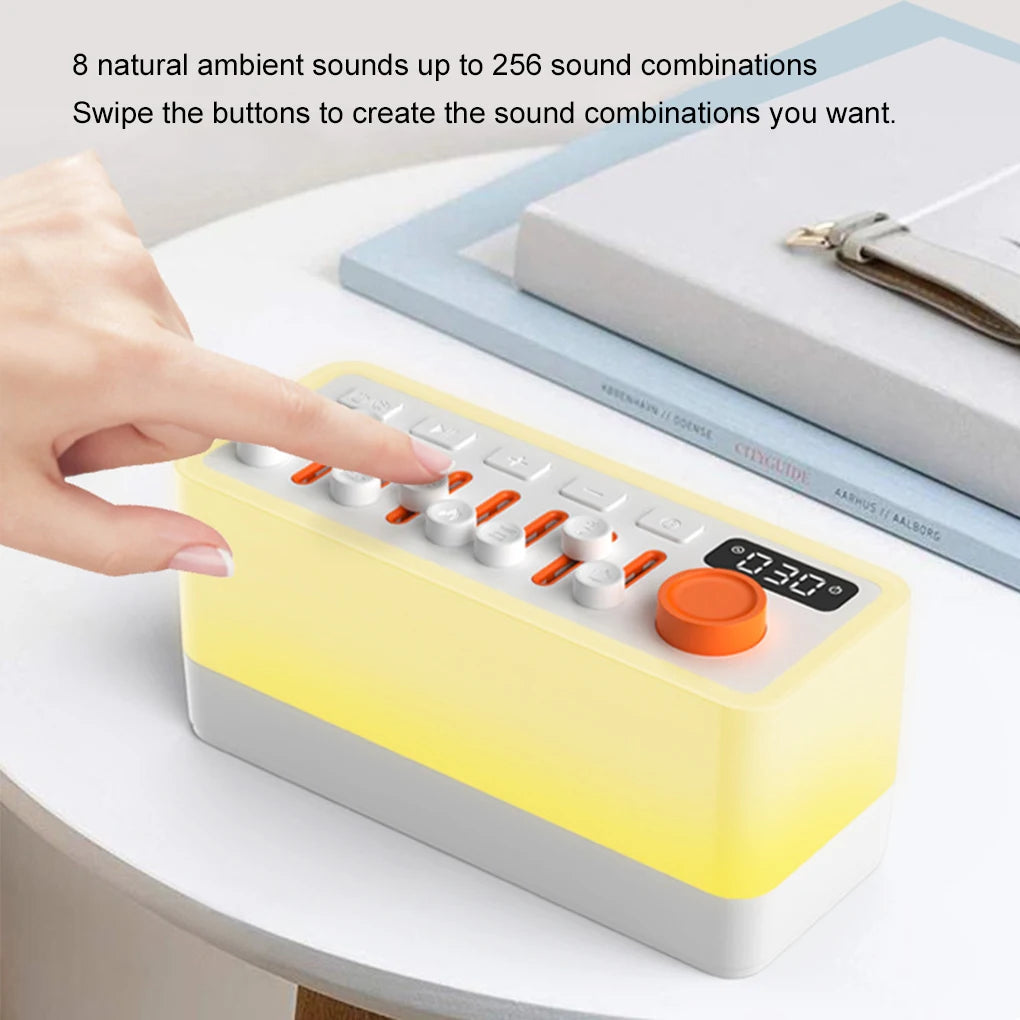
Most popular sleep sounds for deeper rest See it in action
Better sleep does not require a perfect routine—just the right environment. Finding the best sound for sleep can help create a calmer bedtime experience and support more restful nights.
Related Guide: Bedtime Routine for Better Sleep You Can Set Up Tonight





