

Parenting Waist Stool Selection: Choose the Right Fit for Baby
Does a comfortable waist stool baby carrier really help tired arms?
The comfortable waist stool baby carrier helps reduce strain when arms tired when raised becomes a daily issue. By redistributing weight to the hips, an infant hip seat supports safer carrying positions, improves infant carrier safety, and allows parents to lift, settle, and move their baby quickly without constant arm fatigue.
Comfortable Waist Stool Baby Carrier Real Parent Experiences
⏱ 7 min read
Parents love keeping their babies close, but frequent lifting can create shoulder tension, wrist discomfort, and back fatigue. Choosing the right carrier depends on your baby's age, weight, development stage, and your family's daily routine. This guide explains how a comfortable waist stool baby carrier works, what features matter most, and how to choose a safer, more practical option for everyday parenting.
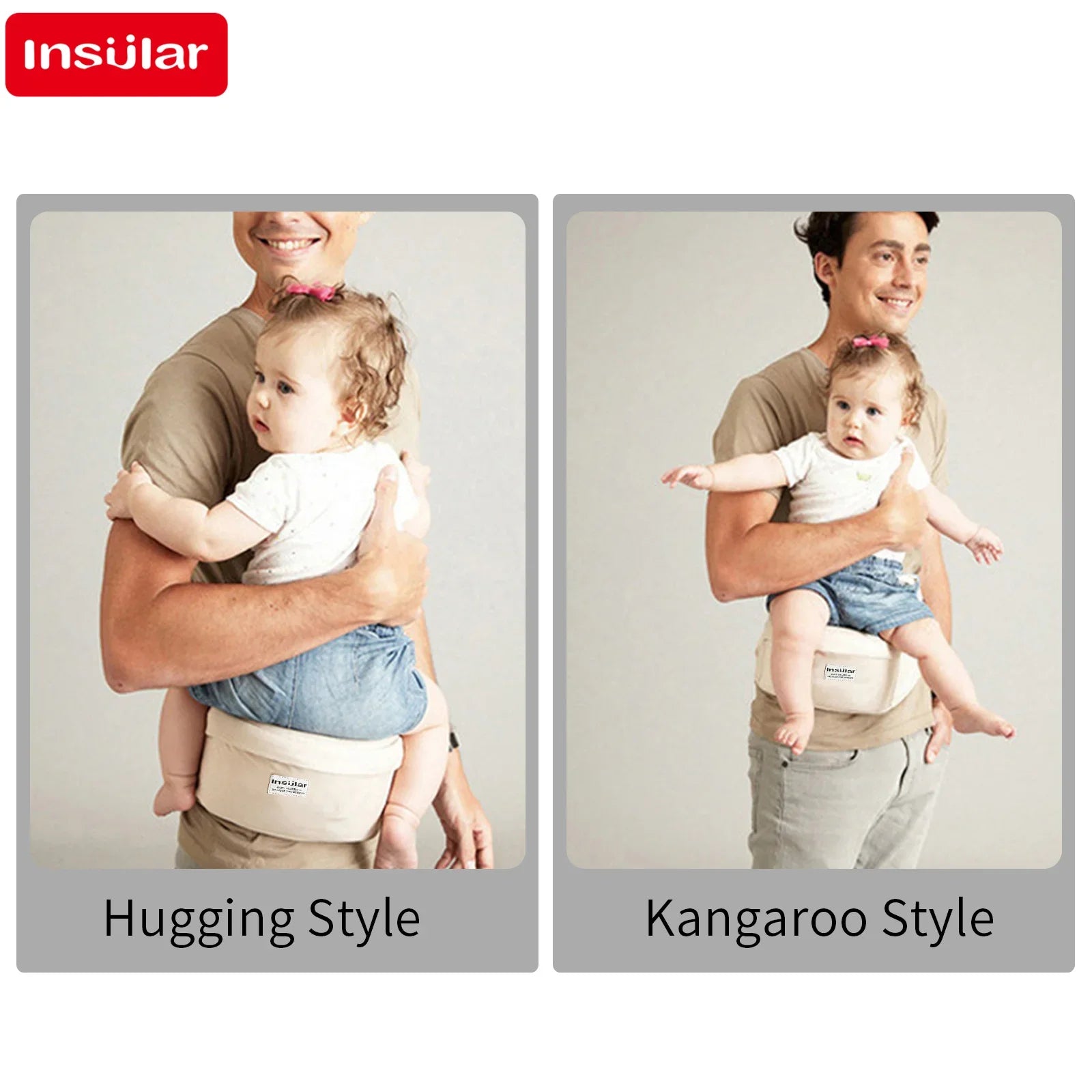
Comfortable waist stool baby carrier with infant hip seat support — See it in action
Which carrying option actually keeps up with real parenting days? The best choice depends on your baby's stage, your comfort needs, and how you use it every day.
How to Choose the Right Parenting Waist Stool
A parenting waist stool is designed to support babies on a padded hip seat while transferring much of the carrying load from the arms and shoulders to the caregiver's waist and hips. When choosing a baby hip seat carrier guide, parents should consider fit, baby age, carrying position, and daily activities instead of focusing only on appearance.
What Is a Parenting Waist Stool?
A parenting waist stool combines a supportive waist belt with a firm infant hip seat. Unlike traditional carriers that rely mainly on shoulder straps, a waist stool creates a stable platform where the baby can sit upright while the caregiver maintains a more natural posture.
This design is especially useful for parents who frequently pick up and put down their child throughout the day, such as during meals, errands, housework, or short walks.
How a Hip Seat Carrier Works
An infant hip seat works by spreading baby's weight across the caregiver's waist area. The angled seat encourages a comfortable sitting position and helps reduce the feeling of carrying all the weight through the arms.
When learning how to choose baby waist stool options, parents should look for:
- A stable seat surface that keeps baby positioned securely
- An adjustable waist belt for different caregivers
- Comfortable padding for longer carrying periods
- Materials that support airflow and easy cleaning
Parents browsing Baby Care Essentials often discover waist stools while searching for simpler daily solutions that do not require a full carrier setup.
Age, Weight, and Developmental Stage Guide
Selecting the correct waist stool depends heavily on your baby's development. A carrier that works well for an older baby may not be suitable for a younger infant who has not developed enough head, neck, and sitting control.
Recommended Age Range
Many waist stool carriers are designed for babies who have stronger upper-body control and can sit with support. Always follow the manufacturer's recommended age guidelines before use.
For newborns, parents should choose products specifically designed and approved for newborn support rather than assuming every hip seat is suitable from birth.
Weight Capacity Chart
| Baby Stage | Typical Use | What to Consider |
|---|---|---|
| Young infant | Short supported carrying | Check newborn compatibility and head support requirements |
| Sitting baby | Daily carrying and quick transitions | Look for ergonomic seat angle and secure positioning |
| Toddler stage | Short carries during outings | Prioritize belt comfort and weight capacity |
Developmental Readiness
A baby should be developmentally ready for the carrying position being used. Parents should consider milestones such as head control, supported sitting ability, and comfort in an upright position before choosing a waist stool.
A novice mother suitable for waist stool options is usually one who needs frequent short carries and wants a simpler alternative to constantly holding a growing baby.
Key Features to Compare Before Buying
A baby waist stool buying guide should focus on the features that affect daily comfort, safety, and long-term usability. The best waist stool for new parents is not always the most expensive model—it is the one that matches your routine and your baby's needs.
Seat Angle and Ergonomics
The seat angle affects how naturally your baby rests against your body. A well-designed infant hip seat should provide stable support without forcing an uncomfortable position.
Waist Belt Support
A strong waist belt helps distribute weight more evenly. Look for adjustable sizing, secure fastening systems, and padding that prevents uncomfortable pressure points.
Materials and Breathability
Since babies spend time close to caregivers, breathable fabrics and easy-care materials are important. Soft surfaces, moisture management, and durable stitching can improve everyday comfort.
Storage and Extra Features
Practical features such as small storage pockets can reduce the need for carrying additional bags during quick trips.
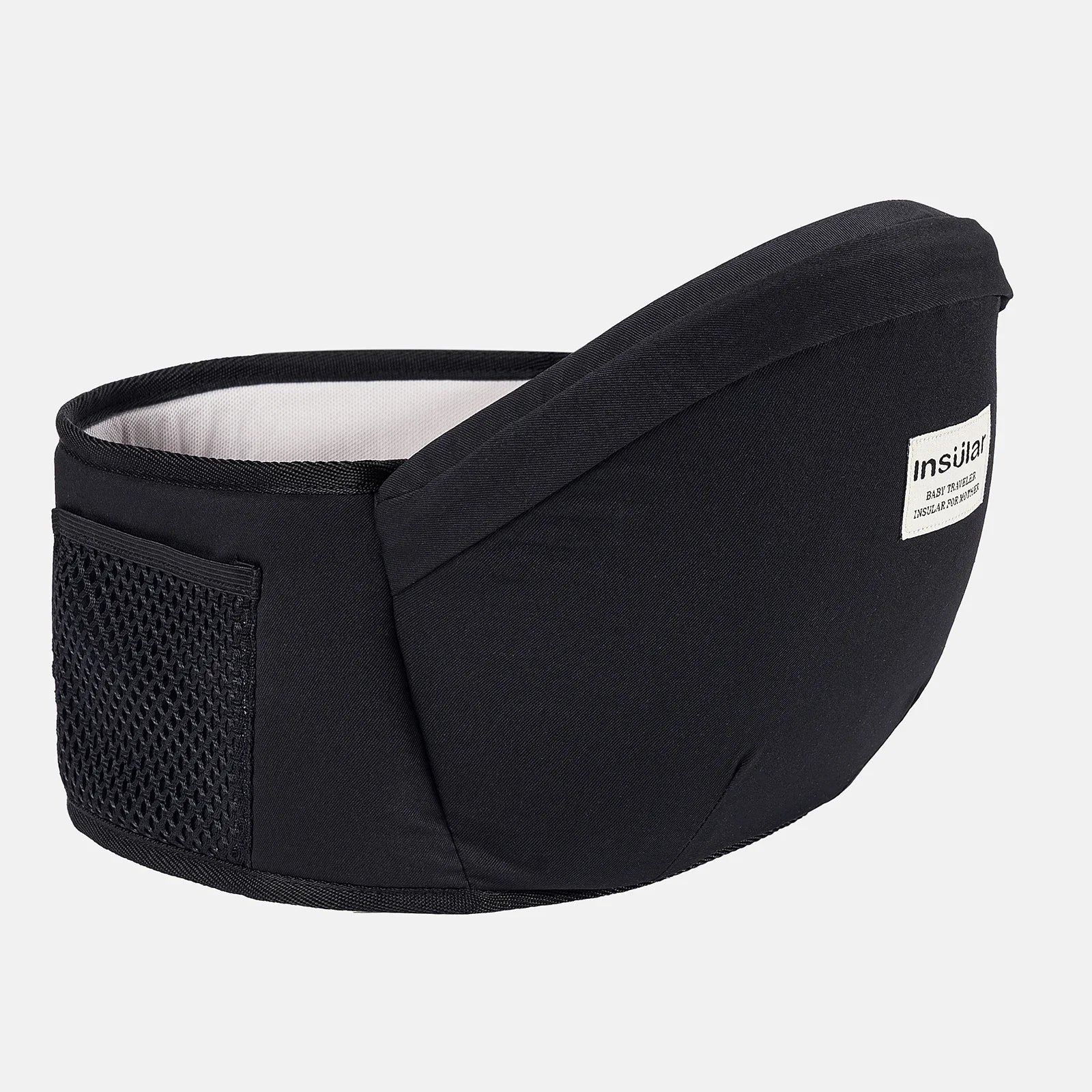
Infant hip seat design supporting comfort and infant carrier safety — See it in action
Safety Checklist Before Every Use
A comfortable waist stool baby carrier should support convenience without compromising infant carrier safety. Parents should inspect the carrier before each use and follow recommended carrying practices.
Safety Certifications
Before buying, check whether the product follows relevant child carrier safety standards in your region. Reliable manufacturers should provide clear information about materials, construction, and usage guidelines.
Proper Carrying Positions
Safe positioning depends on your baby's age and development. Keep your baby's airway clear, ensure proper support, and avoid positions that place unnecessary pressure on hips or spine.
Fit Inspection Checklist
- Confirm the waist belt is securely fastened
- Check that buckles and straps are properly locked
- Ensure the seat surface is stable
- Inspect fabric, stitching, and padding regularly
Benefits Compared with Traditional Baby Carriers
A comfortable waist stool baby carrier offers a different experience from wraps and structured carriers. The right choice depends on how long you carry, where you go, and how often you need quick access to your baby.
When a Waist Stool Is Better
- Frequent short carries throughout the day
- Quick lifting during errands or household tasks
- Parents who experience arm and shoulder fatigue
- Caregivers who share baby carrying responsibilities
When a Full Carrier Is a Better Choice
- Long walks where hands-free support is needed
- Extended carrying sessions
- Situations requiring more enclosed support
- Travel where maximum stability is preferred
| Carrier Type | Advantages | Limitations |
|---|---|---|
| Waist Stool Carrier | Fast setup, reduced arm strain, easy short carries | Best suited for supported upright positions |
| Soft Wrap | Close contact and lightweight design | Requires learning wrapping techniques |
| Structured Carrier | Longer carrying support | Can feel bulkier for quick use |
Common Mistakes When Choosing a Waist Stool
Buying the Wrong Size
An incorrect waist fit can reduce comfort and make carrying harder. Parents should check adjustable ranges and ensure the belt sits securely before purchase.
Ignoring Weight Limits
Every carrier has recommended weight limits. Choosing a product without checking capacity may reduce safety and shorten usable life.
Choosing Comfort Over Safety
A soft seat alone does not guarantee a safe carrier. Parents should prioritize secure construction, proper positioning, and reliable materials.
Cleaning, Maintenance, and Storage
Regular care helps extend the lifespan of a baby waist stool and keeps the carrier comfortable for daily use.
Cleaning Different Materials
- Follow manufacturer washing instructions
- Clean spills quickly to prevent stains
- Air dry components when possible
- Avoid harsh cleaners that damage fabrics
Inspection and Replacement Tips
Replace a carrier if you notice damaged buckles, weakened stitching, torn fabric, or reduced structural support.
Who Benefits Most From a Waist Stool Carrier?
This carrier style works especially well for parents who:
- Experience arms tired when raised multiple times daily
- Need quick transitions between holding and setting down
- Want a lighter alternative to full carriers
- Share carrying duties between caregivers
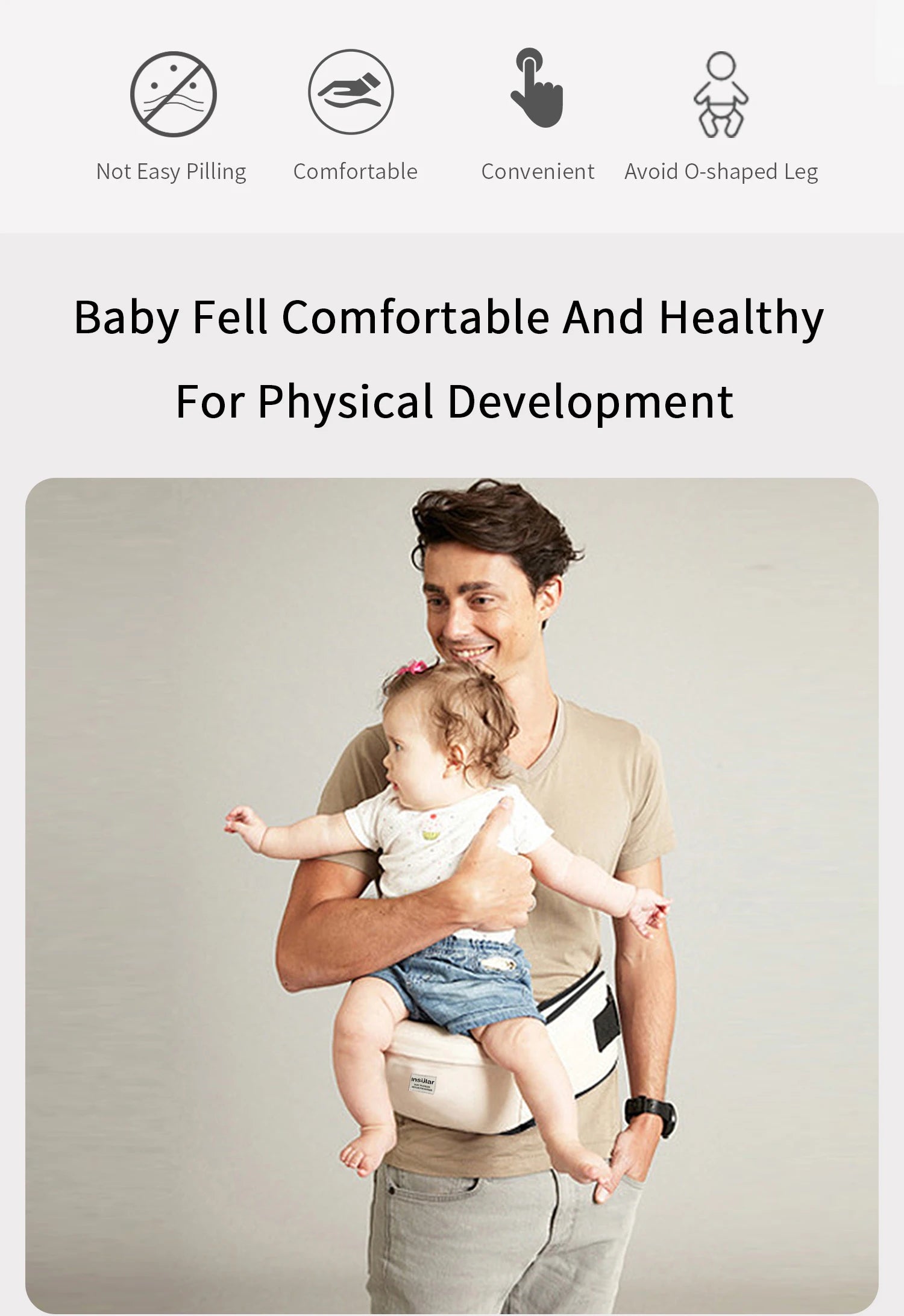
Comfortable waist stool baby carrier supporting active parents — See it in action
Frequently Asked Questions
Is a waist stool safe for infants?
Yes, when used correctly and according to age recommendations, an infant hip seat can support comfortable positioning. Parents should always follow safety instructions and ensure the baby is properly supported.
Can I use it for toddlers?
Many parents continue using waist stools into toddler years for short carries, especially during errands, transitions, and situations where children need occasional support.
Does it replace a full carrier?
A waist stool can replace a full carrier for some quick daily tasks, but many parents still prefer structured carriers for longer walks, travel, or extended carrying.
How tight should the waist belt be?
The waist belt should feel secure without causing discomfort. It should hold the carrier firmly in place while allowing normal movement and breathing.
How long can my baby stay in a hip seat?
Usage time depends on your baby's age, comfort, and the carrier instructions. Parents should take breaks, adjust positions when needed, and monitor their baby's comfort.
Related Guide: Buy Hip Seat Baby Carrier Honest Review Before You Decide





