

Create a Calming Sleeping Environment Step by Step
Does a calming sleeping environment really improve sleep quality?
A calming sleeping environment helps the body relax faster by reducing sensory stress. When light, sound, temperature, and air quality are balanced, the nervous system stays calmer, making it easier to fall asleep and stay asleep. Even small changes to a stressful bedroom environment sleep pattern can lead to deeper, more consistent rest.
Create a Calming Sleeping Environment Step by Step
A calming sleeping environment isn’t about perfection—it’s about removing small irritations that quietly disrupt rest night after night. From harsh lighting to dry air, many people unknowingly sleep in a stressful bedroom environment sleep setup. This step-by-step guide shows how to reset your bedroom environment for good sleep using simple, realistic changes that work for parents, light sleepers, and wellness-focused homes.
⏱ 7 min read
Ever feel exhausted but still wired once your head hits the pillow? That’s often a sign your bedroom is working against you. The good news: you don’t need a full remodel to fix it.
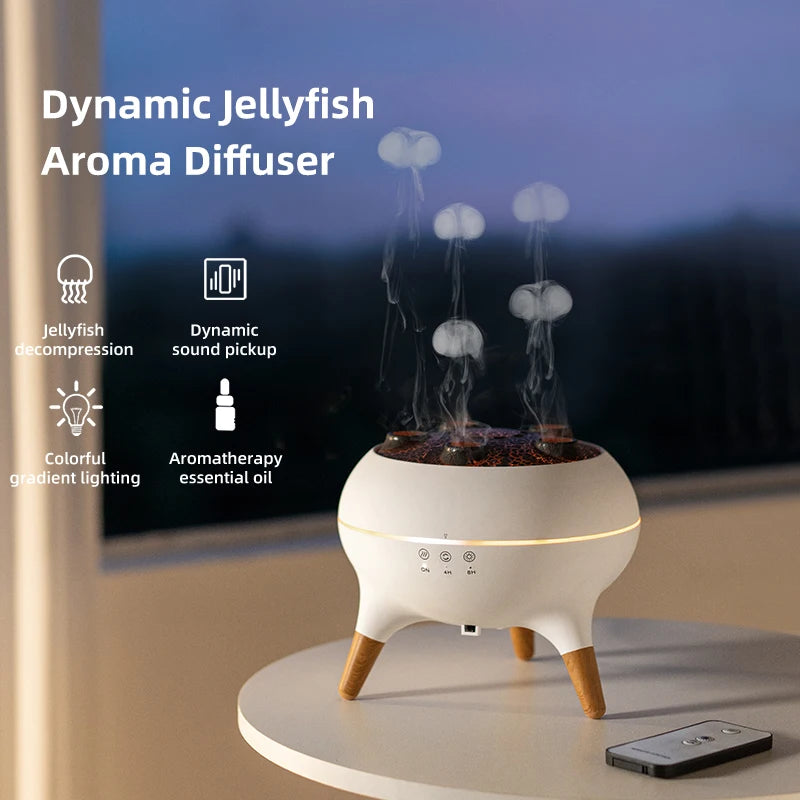
Calming sleeping environment setup that reduces stressful bedroom environment sleep triggers 💡 See it in action
Why Your Sleep Space Matters More Than You Think
A calming sleeping environment sends consistent signals to your brain that it’s safe to rest. When those signals are mixed—bright light, dry air, background noise—your body stays alert even when you’re tired.
- Overstimulating rooms increase nighttime wake-ups
- Dry air can cause throat irritation and congestion
- Harsh light delays natural sleep hormones
- Inconsistent temperature disrupts deep sleep cycles
Parents often notice this most during nighttime routines, when small discomforts stack up and make rest feel impossible.
Step 1: Soften Lighting to Calm the Brain
Lighting is one of the fastest ways to shift a stressful bedroom environment sleep pattern into something soothing.
- Turn off overhead lights at least 60 minutes before bed
- Use warm, low-level lamps or night lights
- Avoid blue-toned bulbs near the bed
- Keep lighting consistent every night
Soft lighting helps your brain recognize bedtime, making it easier to drift off naturally.
Step 2: Reduce Noise Without Total Silence
Total silence isn’t always ideal, especially in busy households. The goal is sound consistency.
- Mask sudden noises with gentle background sound
- Avoid TVs or talk radio that engage the mind
- Keep volume low and steady
This approach supports a bedroom environment for good sleep without making the space feel tense or unnatural.
Step 3: Balance Temperature and Humidity
How temperature and moisture support a calming sleeping environment
A calming sleeping environment feels physically comfortable. Temperature and humidity work together to support uninterrupted rest.
Most people sleep best in a slightly cool room, but dry air can undo those benefits.
- Dry air increases coughing and throat dryness
- Low humidity can irritate skin and sinuses
- Balanced moisture helps breathing stay smooth overnight
This is where a humidifier for better sleep becomes especially helpful, particularly during colder months or in air-conditioned homes.
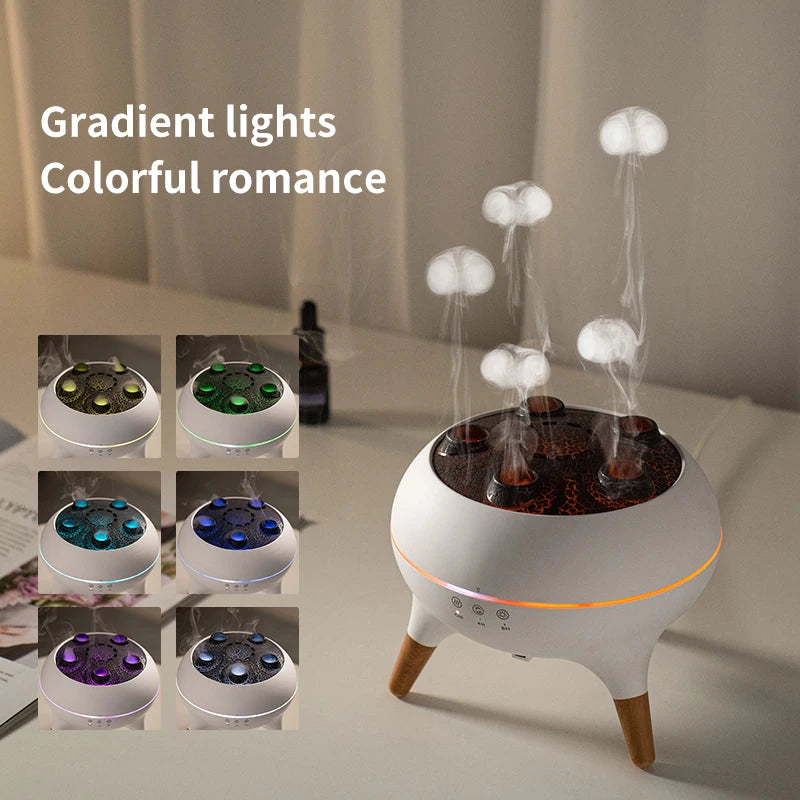
Bedroom environment for good sleep with balanced humidity 💡 See it in action
Step 4: Improve Air Quality for Easier Breathing
Clean, well-balanced air is often overlooked but critical for rest.
- Keep windows cracked when weather allows
- Reduce dust and fabric buildup
- Use gentle moisture to prevent dryness
A compact humidifier for better sleep supports breathing comfort without overwhelming the room, especially in shared family spaces.
Many families pair this setup with calming routines from Sleep & Comfort and wellness tools from Massage & Relaxation collections to create a consistent nighttime rhythm.
Step 5: Build a Nighttime Wind-Down Zone
Your bedroom should feel different from the rest of the house.
- Keep clutter away from the bed
- Reserve the space for rest and recovery
- Use familiar cues like soft light and gentle scent
Over time, this conditions the body to relax faster as soon as you enter the room.
A Simple Tool That Ties It All Together
A calming sleeping environment often comes down to air comfort. The Jellyfish Air Humidifier helps maintain gentle moisture while adding soft ambient light that supports relaxation.
Families appreciate its compact size, quiet operation, and soothing glow that fits naturally into bedtime routines.
- Supports a bedroom environment for good sleep
- Helps reduce dryness-related wake-ups
- Adds visual calm without harsh light
Explore the Jellyfish Air Humidifier here to see how it fits into your nighttime setup.
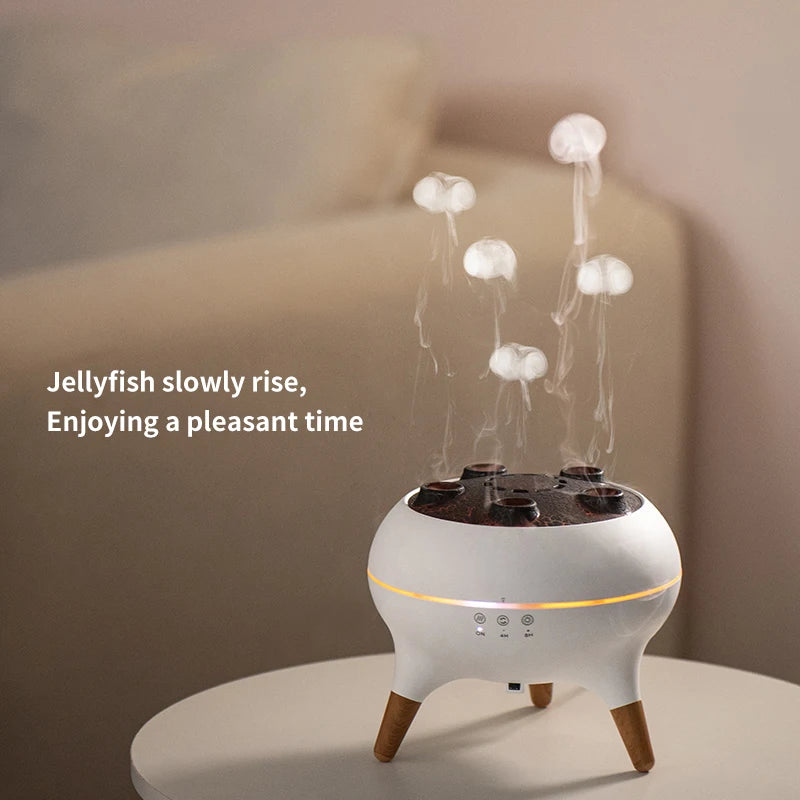
Humidifier for better sleep supporting a calming sleeping environment 💡 See it in action
For parents building healthier routines, pairing air comfort tools with essentials from Mom Essentials and safety-focused options from Health & Safety can make nighttime smoother and more predictable.
Quick FAQ
What makes a bedroom feel stressful at night?
Harsh lighting, dry air, inconsistent temperature, and sudden noise are common causes of a stressful bedroom environment sleep experience.
Is a humidifier for better sleep useful year-round?
Yes. Air conditioning, heating, and seasonal changes can all dry indoor air, making gentle humidity helpful in any season.
How long does it take to notice improvements?
Many people feel more comfortable within the first few nights once airflow, light, and noise are adjusted.
Related Guide: How to Increase Indoor Humidity for Better Sleep Tonight





