

Is It Safe to Put Essential Oils in a Facial Steamer?
Do essential oils for face steamer use really improve skin clarity?
Essential oils for face steamer routines may enhance relaxation during facial steaming, but they do not directly clear pores or treat acne. Skin clarity depends primarily on gentle cleansing, consistent skincare, and using a facial steamer correctly. If you choose to use essential oils, always follow your device manufacturer's instructions because most facial steamers are designed for water only.
Essential Oils for Face Steamer: How to Use Them Correctly
⏱ 6 min read
Many people enjoy combining facial steaming with soothing aromas to create a relaxing skincare ritual. However, one common question remains:
can you put essential oil in a steamer?
The answer depends entirely on the type of facial steamer you own. Understanding the difference can help protect both your skin and your device while getting the most from every session.

Essential oils for face steamer rituals with a spa face steamer — See it in action
Is It Safe to Put Essential Oils in a Facial Steamer?
The short answer
In most cases, no . If you're wondering is it safe to put essential oils in a facial steamer , the safest answer is to avoid adding oils directly into the water reservoir unless the manufacturer specifically states that your model supports them.
Essential oils are highly concentrated plant extracts. Unlike water, they do not evaporate cleanly and may leave residue inside heating elements and water pathways.
When it may be safe and when it is not
- Safe: Steamers equipped with a dedicated aroma chamber or essential oil compartment.
- Usually not safe: Standard water-tank-only facial steamers.
- Always follow: The manufacturer's instructions before adding any fragrance or oil.
If your device does not mention essential oil compatibility, use distilled water alone and enjoy aromatherapy separately.
Why Most Facial Steamers Are Designed for Water Only
How facial steamers generate steam
Most facial steamers heat distilled water until it becomes fine steam. The internal heating plate and narrow channels are engineered specifically for water rather than thicker substances like oils.
Why oil residue can damage devices
Essential oils may leave sticky deposits that accumulate over time. Residue can:
- Reduce steam output
- Clog internal passages
- Increase cleaning requirements
- Shorten the appliance's lifespan
Manufacturer recommendations explained
Many manufacturers recommend using water only because oils can interfere with heating performance and may void warranty coverage. Even a few drops added repeatedly can build up inside the unit over time.
Which Facial Steamers Can Safely Use Essential Oils?
Water-tank-only steamers
These are the most common consumer facial steamers. Do not add essential oil directly into the water reservoir unless the instructions explicitly allow it.
Steamers with aroma chambers
Some premium models include a separate compartment where essential oils are placed away from the heating system. This allows fragrance to diffuse without contaminating the water tank.
Device compatibility table
| Steamer Type | Add Oil to Water? | Recommended Method |
|---|---|---|
| Water-only facial steamer | No | Use distilled water only |
| Steamer with aroma chamber | No | Place oils only in the aroma tray |
| Professional spa equipment | Depends on model | Follow manufacturer guidance |
Best Essential Oils for Facial Steamer Users
Safer oils for indirect aromatherapy
If your steamer supports essential oils through a dedicated aroma chamber—or you diffuse oils separately nearby—these are among the gentler options many people prefer:
- Lavender: Popular for evening relaxation.
- Chamomile: Often chosen for easily stressed skin.
- Frankincense: Frequently used during calming skincare routines.
- Eucalyptus: Commonly enjoyed for its refreshing aroma, particularly during seasonal congestion.
Oils more likely to irritate sensitive skin
Some essential oils require extra caution because they may increase the risk of irritation, especially when exposed to warm steam.
- Cinnamon
- Clove
- Oregano
- Peppermint (for sensitive facial skin)
- Citrus oils before sun exposure
Regardless of the oil selected, patch testing and following product directions remain important. People with eczema, rosacea, fragrance allergies, or highly sensitive skin should consult a healthcare professional before using essential oils.
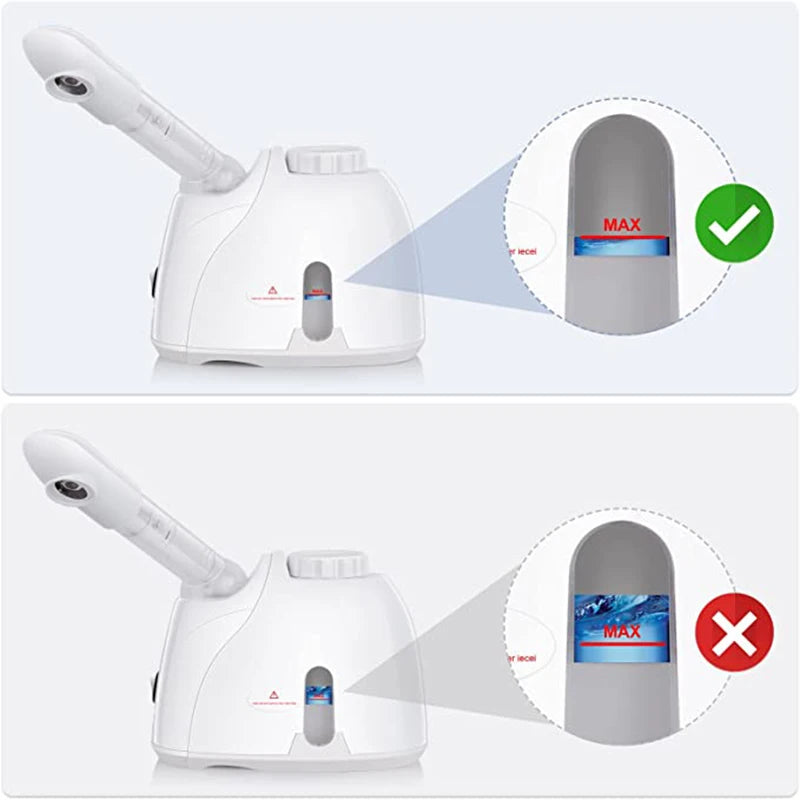
Facial spa steamer paired with essential oils for face steamer — See it in action
How to Use Essential Oils Safely with Facial Steaming
If your steamer has an aroma chamber
- Read your manufacturer's instructions.
- Fill the water reservoir with distilled water only.
- Add the recommended amount of essential oil to the aroma chamber—not the water tank.
- Steam for approximately 5 to 10 minutes.
- Apply moisturizer after steaming while skin is still slightly damp.
Safe alternatives without adding oils to water
If your facial steamer does not support oils, you can still enjoy aromatherapy by:
- Using an essential oil diffuser elsewhere in the room.
- Adding a drop of diluted essential oil to a cotton pad placed nearby.
- Applying properly diluted facial oils after steaming instead of during steaming.
Step-by-step safety checklist
- Read the instruction manual first.
- Use distilled water.
- Avoid over-steaming.
- Keep eyes closed during steaming.
- Discontinue use if irritation develops.
- Clean the device after each session.
A compact device such as the Ozon Facial Steamer can fit easily into a regular skincare routine when used according to its operating instructions.
What Are the Risks of Adding Essential Oils Directly to Facial Steam?
Skin irritation and burns
Heat may increase skin sensitivity. Highly concentrated oils combined with warm steam can contribute to redness, irritation, or discomfort, especially for people with sensitive skin.
Eye and respiratory irritation
Steam naturally carries aromatic compounds toward the face. Strong fragrances may irritate the eyes or airways, particularly for individuals with asthma, allergies, or fragrance sensitivity.
Residue, bacteria, and maintenance issues
Oil buildup inside a steamer can attract residue that becomes difficult to remove. Regular cleaning helps maintain performance, but avoiding oils in water-only devices is the best preventive approach.
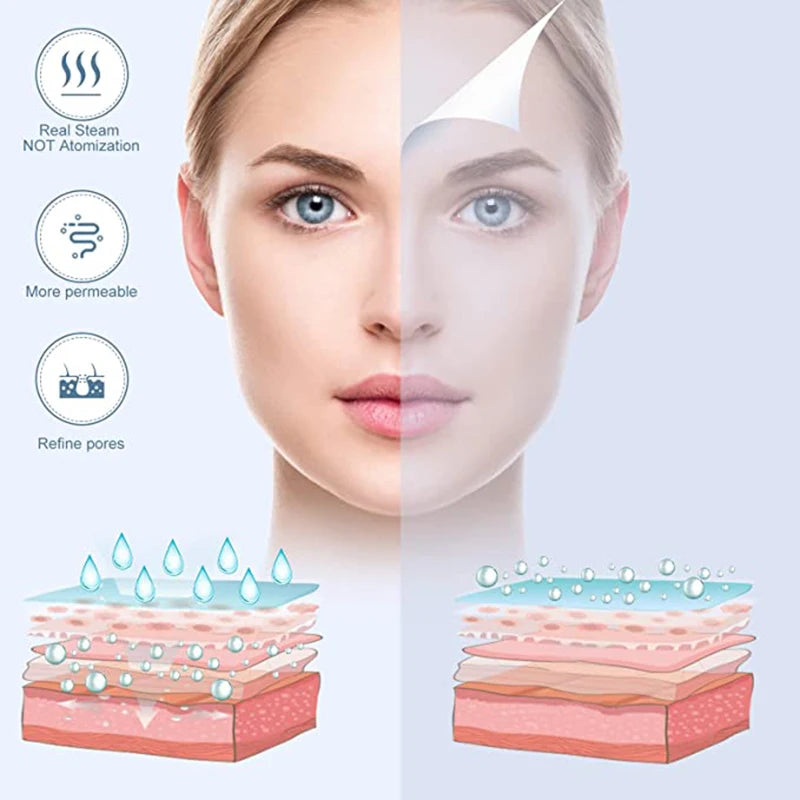
Spa face steamer routine with essential oils for face steamer — See it in action
Common Mistakes and Myths About Essential Oils in Facial Steamers
Myth: More oil means better results
Using extra essential oil does not improve skincare benefits. Higher concentrations are more likely to cause irritation than better outcomes.
Mistake: Adding oil to any water tank
One of the most common misunderstandings is assuming every essential oil facial steamer is designed for oils. In reality, many devices are intended for water only.
Mistake: Skipping cleaning after accidental use
If you accidentally add essential oil to the water reservoir:
- Turn off and unplug the steamer.
- Empty the tank completely.
- Wipe away any visible residue.
- Flush with clean distilled water according to the manufacturer's cleaning recommendations.
- Allow the unit to dry before using it again.
Explore how the Ozon Facial Steamer can complement your skincare routine when used according to the manufacturer's instructions.
Frequently Asked Questions
Can you put essential oil in a facial steamer?
Only if your specific facial steamer includes an aroma chamber or the manufacturer explicitly states that essential oils are supported. Otherwise, use distilled water only.
Can you put essential oil directly into a facial steamer water tank?
Generally no. Most household facial steamers are designed for water only, and oils may clog internal components or leave residue.
Which facial steamers are compatible with essential oils?
Models featuring a dedicated aroma compartment are typically designed for indirect essential oil use. Always verify compatibility in the product manual.
What are the safest alternatives to adding oils into facial steam?
Use a room diffuser, an aroma tray designed for your steamer, or apply appropriately diluted skincare products after steaming instead of placing oils into the water reservoir.
What should I do if I accidentally used essential oils in my facial steamer?
Empty the water tank, clean the device following the manufacturer's maintenance instructions, flush it with distilled water if recommended, and avoid repeating the practice unless the device is specifically designed for essential oils.
Which essential oils are most likely to irritate facial skin?
Stronger oils such as cinnamon, clove, oregano, peppermint, and some citrus oils may increase the likelihood of irritation, especially when combined with heat. People with sensitive skin should exercise additional caution.
Related Guide: How to Steam Your Face Safely for Clear, Glowing Skin





