

Face to Face Baby Carrier Use Cases Bonding and Control
What are the main benefits of a face to face baby carrier?
A face to face baby carrier keeps your baby close to your chest, supporting infant carrier safety while promoting a natural newborn hip position. This carry style helps parents maintain control, read cues easily, and strengthen bonding during daily movement, all while keeping hands free for real-life parenting.
Face to Face Baby Carrier Use Cases Bonding and Control
⏱ 6 min read
Holding your baby close feels natural—but doing it safely, comfortably, and confidently can be challenging. Many parents worry about posture, breathing space, and whether their baby is truly supported during everyday activities. A face to face baby carrier answers these concerns by combining closeness with structure, helping you move through the day with calm control and steady connection.
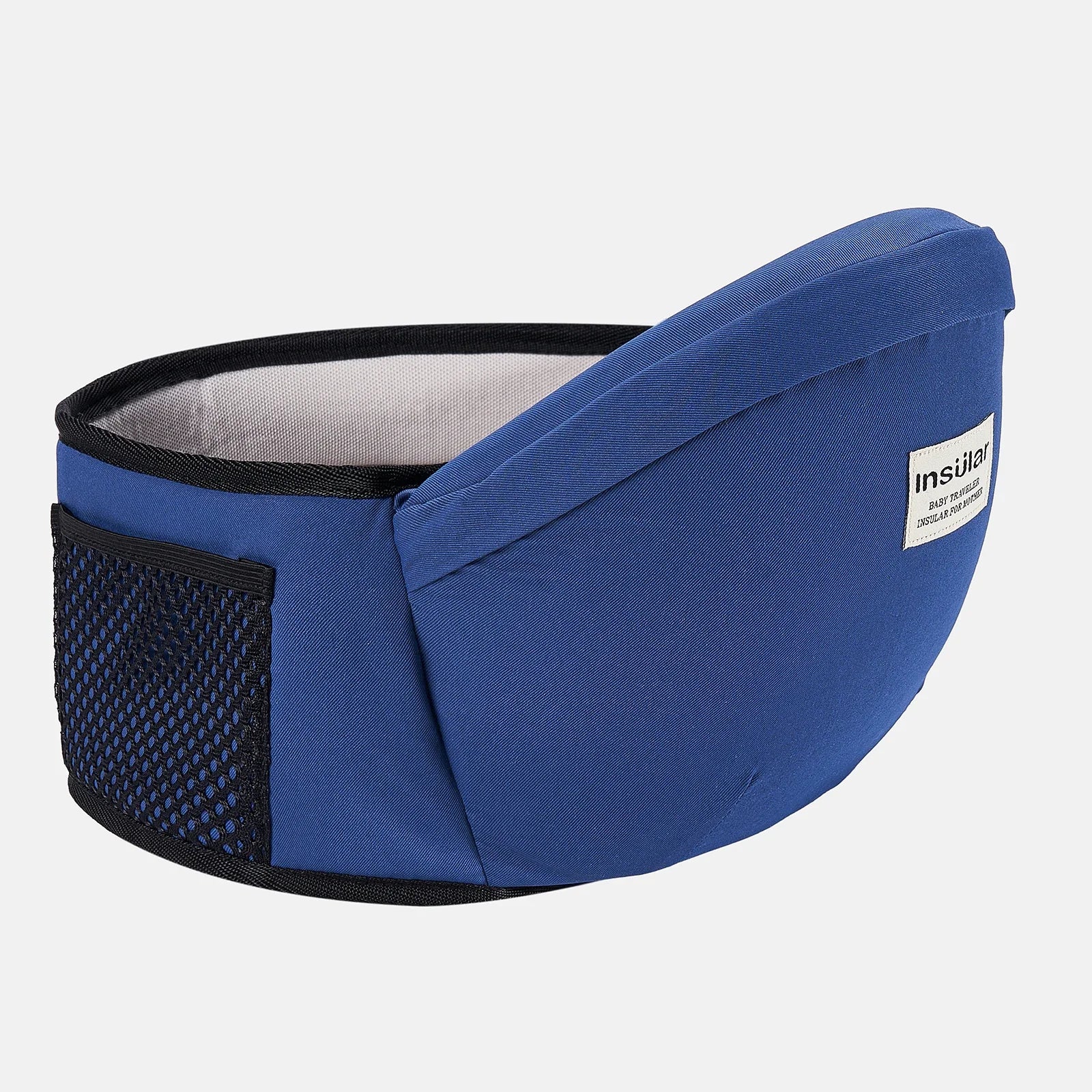
Face to face baby carrier for everyday bonding and calm comfort 💡 See it in action
Baby Care Essentials
Why parents choose face to face baby carriers
Face to face baby carriers are often chosen by parents who want reassurance. With baby positioned against your chest, you can feel breathing, notice subtle movements, and respond quickly. This design supports calm transitions during walks, chores, or soothing moments at home.
- Baby stays within your natural line of sight
- Weight is distributed close to your center
- Hands remain free for daily tasks
- Comfortable for shorter and longer sessions
How does a face to face baby carrier support bonding?
A face to face baby carrier encourages constant interaction through eye contact, voice, and touch. Babies can hear your heartbeat and feel your movements, which often leads to calmer behavior. Parents report feeling more confident and emotionally connected during everyday routines.
Many families pair babywearing with calming routines like gentle movement or quiet play. Collections such as Baby Growth & Learning often complement this stage by supporting sensory awareness and early development.
What makes infant carrier safety reliable in face carriers?
Infant carrier safety depends on airway clearance, spinal alignment, and secure support. Face carriers are designed to keep baby upright and close, reducing strain and helping maintain a stable posture during movement.
- Chin stays off the chest for clear breathing
- Back is gently supported in a natural curve
- Legs are positioned for healthy development
- Fastenings stay snug without pressure points
Parents who prioritize safety often explore guidance and gear from Health & Safety collections to build confidence during early months.
Everyday use cases that make life easier
From quick grocery runs to calming a fussy newborn, a face to face baby carrier adapts to real life. Parents appreciate how easily it fits into unpredictable schedules.
- Morning routines: Keep baby settled while preparing breakfast.
- Outdoor walks: Maintain closeness while staying mobile.
- Soothing moments: Gentle movement often helps babies relax.
- Travel days: Navigate crowded spaces with better control.
Baby Care Tips & Advice
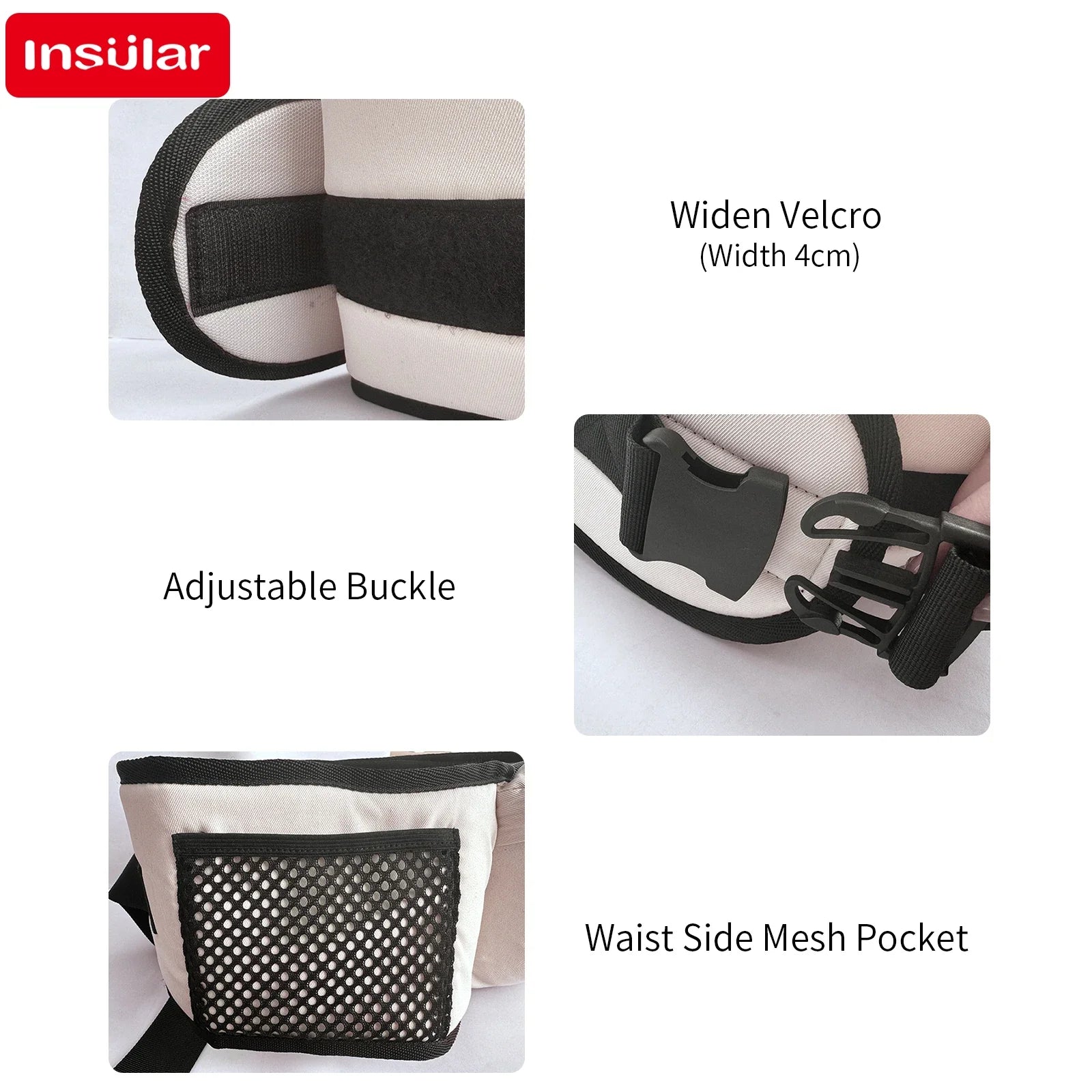
Face carrier use during daily routines 💡 See it in action
Why is newborn hip position so important?
The newborn hip position supports healthy joint development by allowing legs to rest in a natural, gently spread posture. Face to face baby carriers are designed to encourage this alignment while keeping baby close and supported.
This positioning is often described as comfortable for babies and reassuring for parents. It reduces pressure on sensitive areas and supports longer, calmer carrying sessions.
Comfort and control for longer wear
Comfort isn’t just about padding—it’s about balance and adjustability. A well-designed face carrier keeps weight close to your body, reducing shoulder and back strain while giving you steady control.
- Adjustable straps for different body types
- Secure waist support for stability
- Soft materials that feel gentle on skin
Parents often combine babywearing with relaxation-focused routines, exploring options from Massage & Relaxation to unwind together after busy days.
Face to face baby carrier vs outward-facing carry
| Feature | Face to Face | Outward Facing |
|---|---|---|
| Parent-baby interaction | High, constant contact | Limited eye contact |
| Infant support | Better for younger babies | More suitable for older infants |
| Control & reassurance | Strong sense of control | Less visual feedback |
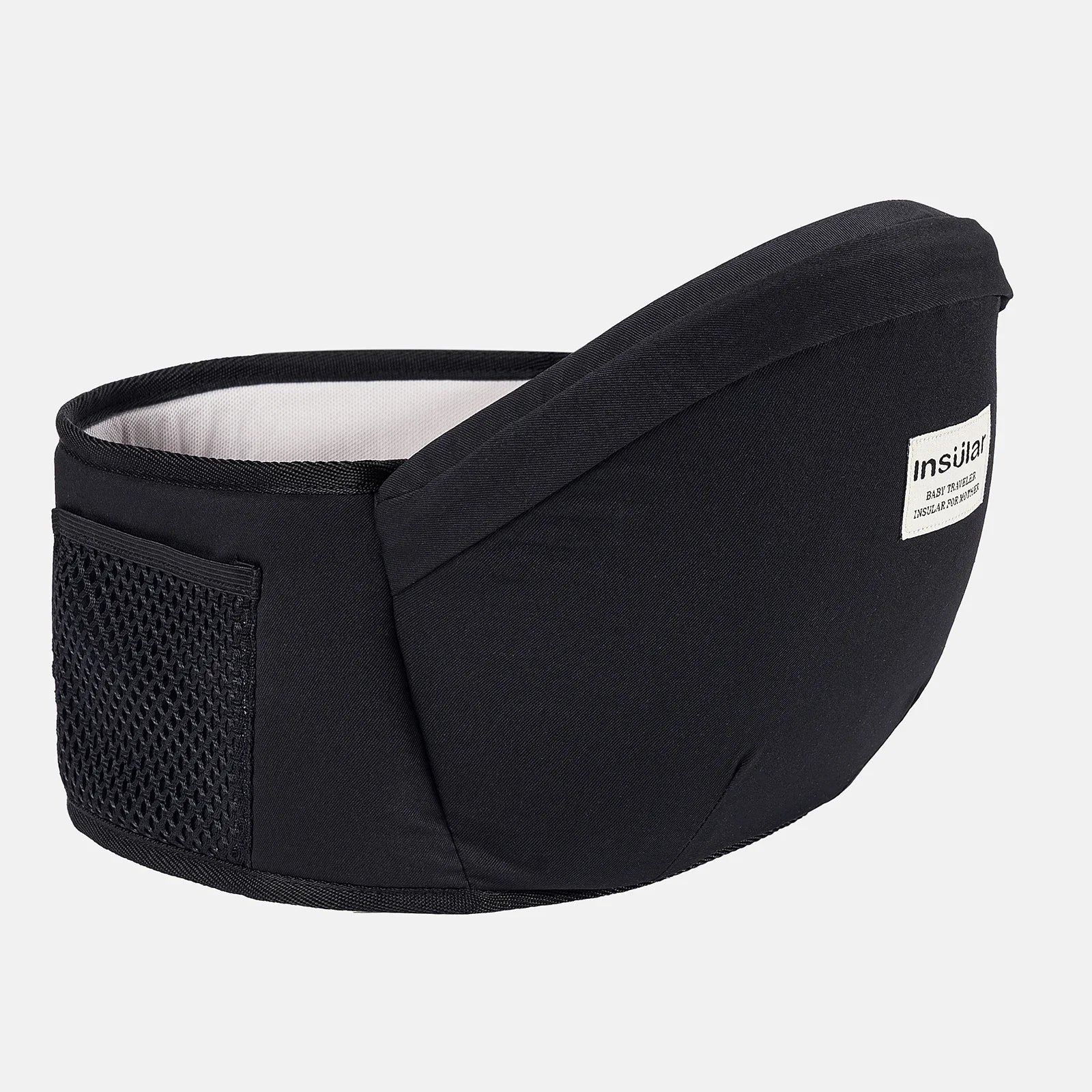
Face to face baby carrier for secure comfort and bonding 💡 See it in action
Mom Essentials
Quick questions parents ask
Is a face to face baby carrier suitable for newborns?
Yes, many parents choose this style for newborns because it supports a natural newborn hip position and allows close monitoring during early months.
Can I use a face carrier for longer periods?
With proper adjustment and breaks, many parents comfortably use face to face baby carriers during extended daily activities.
Does this carry style help with fussy babies?
Close contact, movement, and familiar sounds often help soothe babies, making this carry style a calming option for many families.
Related Guide: Best Baby Waist Stool Carrier for Busy Parents on the Go





