

Fix Air Too Dry at Home with Simple Humidity Tricks
Is the air too dry at home causing skin and sleep problems?
Air too dry at home can trigger dry skin, irritation, and restless sleep by pulling moisture from your body and airways. Restoring balanced humidity—ideally 40–50%—helps soothe low humidity skin irritation, supports easier breathing, and improves comfort overnight using simple, safe humidity-boosting methods.
Fix Air Too Dry at Home with Simple Humidity Tricks
When air too dry at home disrupts sleep, irritates skin, or leaves your baby sniffling, small changes can make a big difference. Balanced indoor humidity supports calmer nights, softer skin, and easier breathing for the whole family. Let’s walk through simple, safe ways to fix dry air—step by step—without stress or guesswork.
⏱ 7 min read
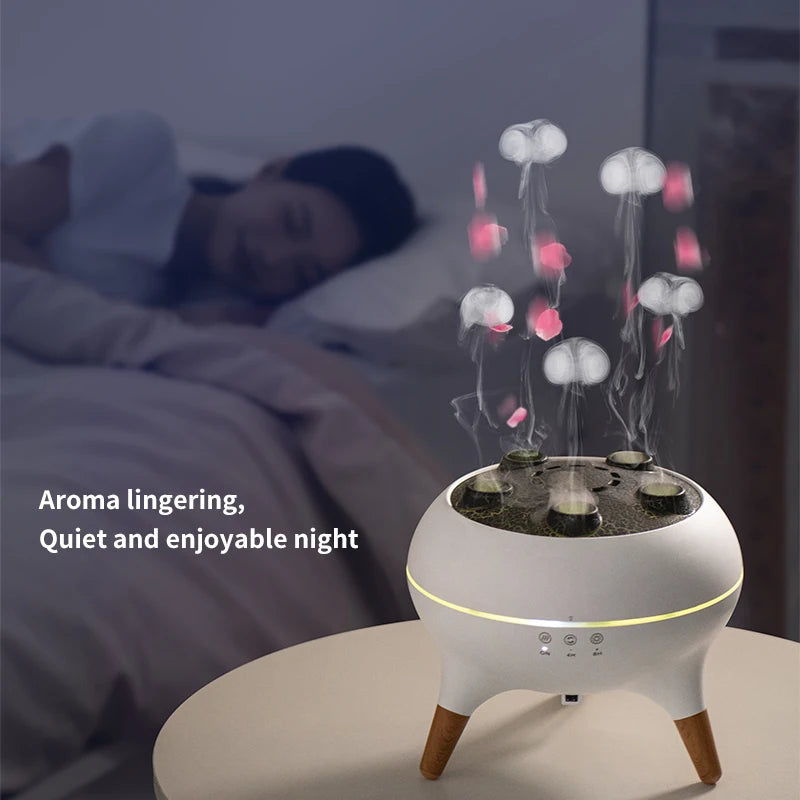
Air too dry at home can affect sleep and skin — see how gentle moisture helps. 💡 See it in action
Why Is the Air Too Dry at Home?
Air too dry at home usually happens during colder months or in homes using heaters and air conditioning. These systems reduce indoor moisture, leaving the air dry and uncomfortable—especially for babies and sensitive skin.
- Cold weather lowers outdoor humidity
- Heaters dry out indoor air quickly
- Air conditioning removes moisture
- Poor ventilation traps dry air indoors
Common Signs of Low Indoor Humidity
Wondering does low humidity cause dry skin? Yes—and the signs often show up fast, especially overnight.
- Dry, itchy, or flaky skin
- Chapped lips and irritated eyes
- Stuffy nose or dry throat in the morning
- Static electricity and cracking wood
Parents often notice babies waking more often, scratching skin, or sounding congested when humidity drops too low.
How to Fix Dry Air Fast and Safely
Air too dry at home can be corrected quickly with simple, low-effort changes that fit into busy routines.
Raising indoor humidity gradually helps prevent low humidity skin irritation while keeping air comfortable and safe.
- Add a cool-mist humidifier to bedrooms
- Keep indoor humidity between 40–50%
- Place bowls of water near heat sources
- Limit long, steamy showers that dry air later
For families, pairing humidity control with a calming bedtime routine from Sleep & Comfort essentials can make nights smoother.
How Proper Humidity Improves Sleep and Skin
Balanced moisture supports deeper rest and healthier skin by reducing irritation caused by dry air.
| Before | After Balanced Humidity |
|---|---|
| Dry skin and itching | Softer, calmer skin |
| Night coughing or congestion | Easier breathing |
| Frequent wake-ups | Longer, more restful sleep |
These changes are especially helpful when combined with gentle nighttime wellness tools from Beauty & Wellness.
Using Essential Oils Safely with Humidity
Using essential oils safely means understanding dilution, timing, and child-friendly choices—especially when humidity is already low.
- Use only 1–2 drops with water-based diffusion
- Choose mild oils like lavender or chamomile
- Avoid direct skin contact for babies
- Run diffuser for short intervals
This approach enhances relaxation without worsening humidity and skin problems. Always prioritize safety guidance from Health & Safety resources.
Step-by-Step: Create a Comfortable Bedroom
Follow this easy routine to fix air too dry at home without overthinking.
- Measure humidity with a small gauge
- Place humidifier 3–5 feet from the bed
- Use clean, filtered water
- Set a timer to avoid over-humidifying
Parents often combine this with soothing massage routines from Massage & Relaxation to signal bedtime.
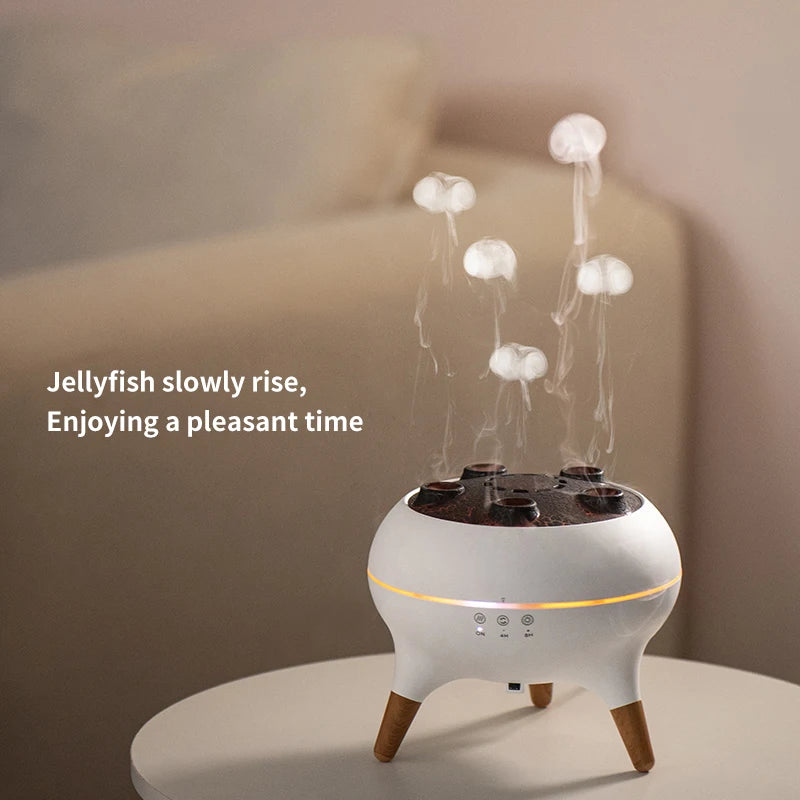
How to increase indoor humidity gently for better sleep and skin comfort. 💡 See it in action
A Simple All-in-One Solution for Busy Families
When air too dry at home becomes a nightly struggle, an easy, multifunctional humidifier can simplify everything.
This compact option combines moisture control with soft lighting and aromatherapy support—ideal for bedrooms, nurseries, and shared spaces.
- Supports healthy humidity levels overnight
- Quiet operation for uninterrupted sleep
- Soft glow for nighttime comfort
- Designed for safe, simple daily use
Explore the Jellyfish Air Humidifier as an easy way to restore comfort without complicated setups.
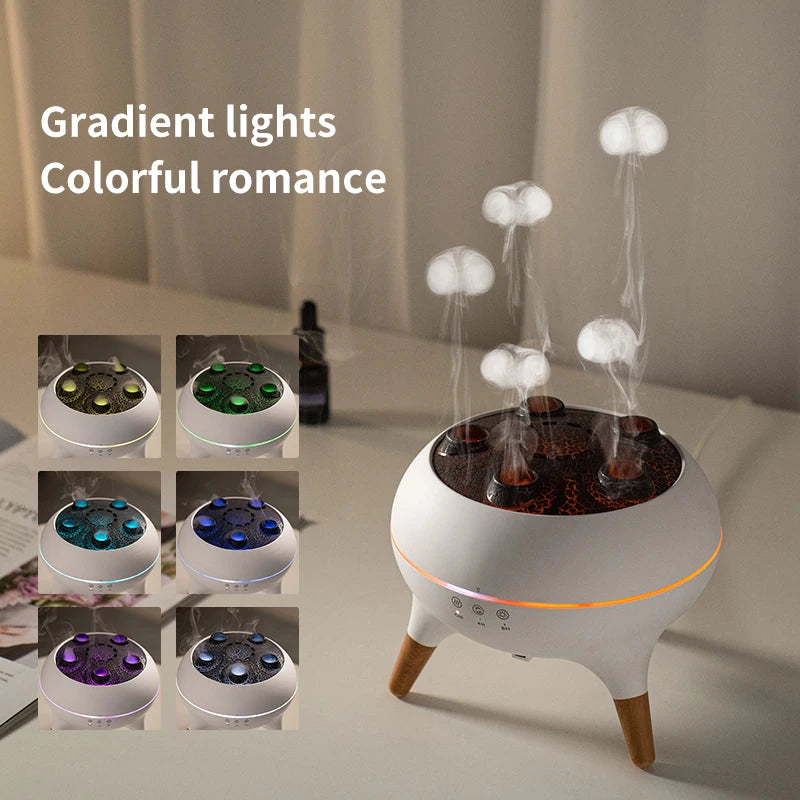
Air too dry at home meets a calm, family-friendly solution. 💡 See it in action
Quick Answers Parents Ask Most
Does low humidity cause dry skin?
Yes. Low humidity pulls moisture from the skin, leading to dryness, itching, and irritation—especially in babies and during sleep.
What humidity level feels best indoors?
Most families feel comfortable at 40–50% humidity, which supports skin comfort, breathing, and sleep quality.
How to increase indoor humidity safely?
Use a cool-mist humidifier, add water sources, and monitor levels regularly to avoid over-humidifying.
Related Guide: How to Increase Indoor Humidity for Better Sleep Tonight





