

Hip Resistance Bands Women Love for Comfort and Control
Do hip resistance bands women use really improve comfort and control?
Hip resistance bands women choose for daily workouts provide steady resistance without rolling, pinching, or slipping. The right design improves muscle activation in hips and glutes, supports joint alignment, and feels comfortable during long sessions. Modern fabric booty bands help women train with better control, stability, and confidence.
⏱ 7 min read
Hip Resistance Bands Women Love for Comfort and Control
Balancing fitness with everyday life can feel overwhelming—especially when your workouts leave your hips sore, your bands rolling, or your motivation fading. Many women want simple, body-friendly tools that make training feel supportive instead of frustrating. The right hip resistance bands can turn short home workouts into effective, feel-good routines that actually fit real life.
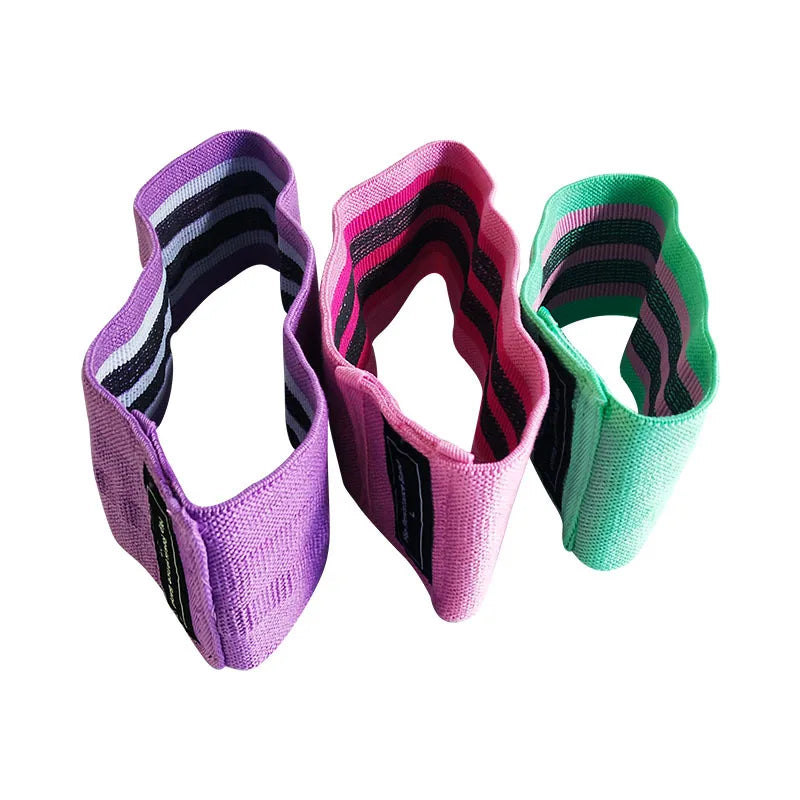
Hip resistance bands women rely on for smooth, controlled movement 💡 See it in action
Why Women Choose Hip Resistance Bands for Everyday Training
Hip resistance bands women trust are not just about adding difficulty. They are about feeling supported while training muscles that affect posture, balance, and daily movement.
- They activate glutes and hips more effectively than bodyweight alone
- They support joint alignment during squats and lunges
- They are gentle on knees and lower back
- They fit easily into home workouts or travel routines
Many women—especially moms—prefer tools that feel safe, quiet, and easy to store. That’s why resistance band hips training has become a staple in home wellness routines.
How Hip Resistance Bands Women Use Improve Comfort and Control
Hip resistance bands women love are designed to balance firmness with flexibility. They provide tension without digging into skin or sliding out of place.
Hip resistance bands women benefit from improved muscle engagement and reduced joint strain when bands stay stable and evenly distribute pressure. A well-designed band supports natural movement patterns, helping women maintain control during each rep while avoiding discomfort or skin irritation.
Common Comfort Problems Women Want to Avoid
- Rolling or folding during movement
- Pinching on thighs or hips
- Uneven resistance that strains joints
- Needing constant readjustment
Fabric booty bands solve many of these problems by combining soft texture with reinforced stretch.
Hip Resistance Bands Exercises That Actually Work
Hip resistance bands exercises are most effective when they target stabilizing muscles as well as strength.
- Glute bridges: Build hip strength while supporting the lower back
- Side steps: Improve balance and hip stability
- Squats: Encourage proper knee tracking
- Clamshells: Activate deep hip muscles often missed
Short routines using resistance band hips movements can feel surprisingly effective, even in 10–15 minutes.
Fabric Booty Bands vs Traditional Rubber Bands
| Feature | Fabric Booty Bands | Rubber Bands |
|---|---|---|
| Comfort | Soft, non-pinching | Can dig into skin |
| Stability | Stay in place | Often roll or slip |
| Durability | Resists tearing | May crack over time |
| Skin-friendly | No pulling or snapping | Can cause irritation |
For women focused on comfort and consistency, fabric booty bands often feel like a clear upgrade.
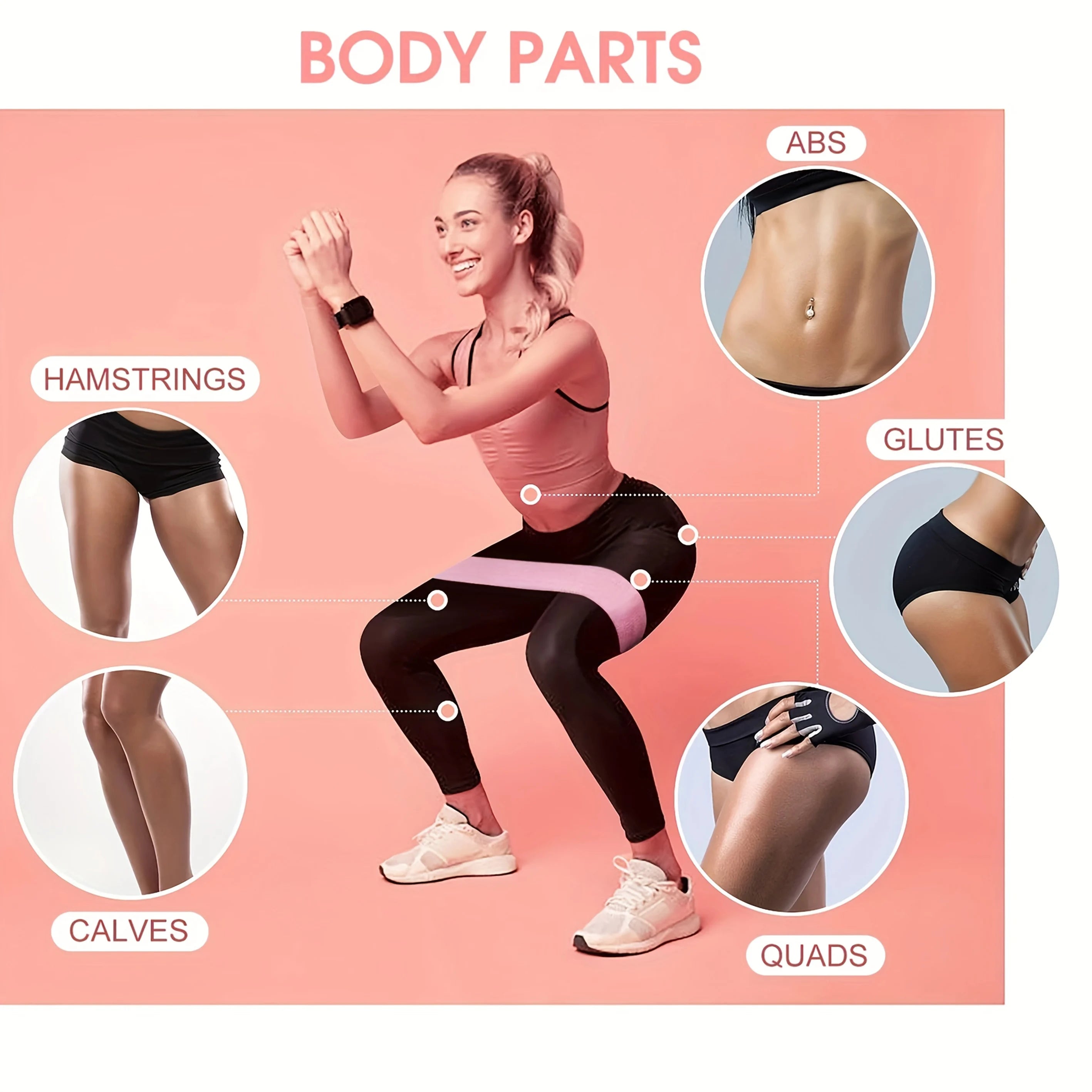
Resistance band hips training made smoother with fabric booty bands 💡 See it in action
Who These Hip Resistance Bands Are Perfect For
Hip resistance bands women use fit a wide range of needs and life stages.
- Moms returning to movement after pregnancy
- Women protecting knees and hips during workouts
- Beginners who want safe, guided resistance
- Active women adding intensity without heavy weights
Many women pair their workouts with recovery tools from Massage & Relaxation or gentle mobility aids from Mobility & Training to feel supported before and after exercise.
How to Use Resistance Band Hips Safely and Effectively
Using resistance band hips techniques correctly makes all the difference.
- Place the band just above the knees or ankles depending on exercise
- Keep tension consistent throughout the movement
- Move slowly to maintain control
- Stop if you feel joint pain instead of muscle fatigue
Women often report better posture and balance within a few weeks of consistent use.
Product Spotlight: Designed for Comfort, Control, and Confidence
These hip resistance bands women appreciate are thoughtfully designed to support real bodies and real routines. The fabric construction helps prevent rolling, while multiple resistance levels allow gradual progress.
Hip Booty Bands for Glute & Thigh Workout are especially popular among women who want reliable support without bulky equipment.
- Soft, skin-friendly fabric
- Balanced resistance for hips and glutes
- Easy to pack and store
- Suitable for home or travel workouts
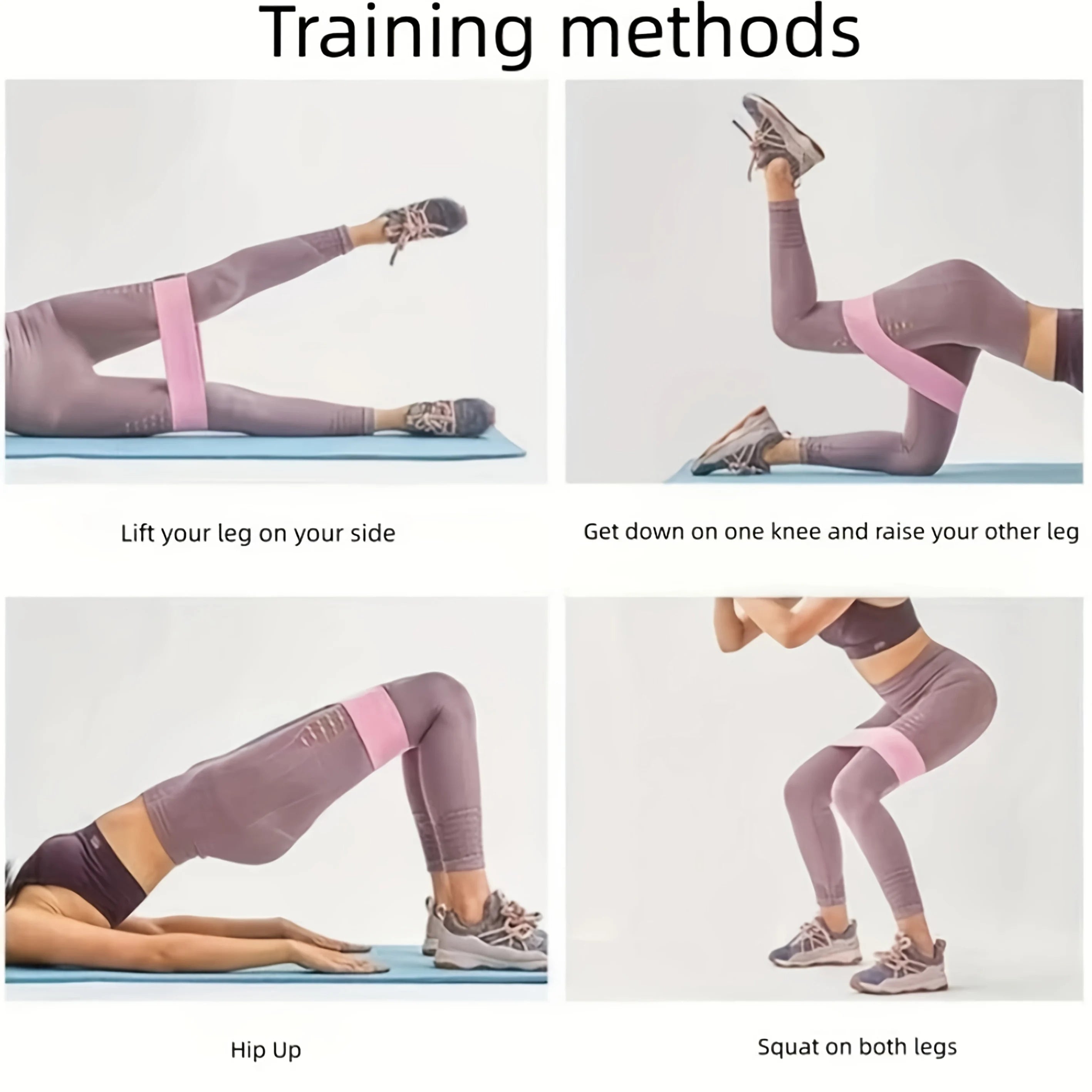
Fabric booty bands women trust for daily hip resistance bands exercises 💡 See it in action
Frequently Asked Questions
Are hip resistance bands suitable for beginners?
Yes. Many hip resistance bands women use are beginner-friendly, especially fabric options that provide steady resistance without sudden snapping.
How often should I use hip resistance bands?
Most women use them 3–4 times per week, even for short sessions, to build strength without overloading joints.
Can resistance band hips workouts replace weights?
They can complement or replace weights for many lower-body exercises, especially for women focused on control, stability, and joint comfort.
Related Guide: Workouts With Resistance Bands Legs for Home and Gym Users





