

How to Calm Newborn from Crying: A Side-by-Side Guide
How can you calm a newborn from crying quickly and safely?
How to calm newborn from crying starts with meeting basic needs first, then using gentle, proven soothing techniques. Most newborns cry due to hunger, discomfort, overstimulation, or sleep disruption. A calm routine, soft motion, and newborn safe sleeping tips can reduce crying within minutes and help babies settle longer.
How to Calm Newborn from Crying: A Side-by-Side Guide
⏱ 6 min read
How to calm newborn from crying can feel overwhelming—especially when you’re exhausted and nothing seems to work. This guide walks you through side-by-side calming techniques, explains why an infant keeps waking up, and shows how small, gentle changes can help soothe your baby safely and confidently.
Which calming approach fits your newborn best? Some babies need motion, others need quiet reassurance. Let’s break it down together.

Soothing an infant starts with gentle rhythm and reassurance 💡 See it in action
Why Do Newborns Cry So Much?
Newborn crying is communication—not misbehavior. Babies cry because they’re hungry, uncomfortable, overstimulated, or need help transitioning to sleep. Understanding the reason behind the cry helps you respond faster and with more confidence.
- Hunger or gas discomfort
- Overstimulation from noise or light
- Needing physical reassurance
- Difficulty settling into sleep cycles
Side-by-Side Guide: What Actually Helps Calm a Crying Newborn?
How to calm newborn from crying works best when you match the technique to your baby’s needs. This comparison helps you choose quickly.
| Technique | Best For | Why It Works |
|---|---|---|
| Gentle Patting | Overtired babies | Mimics womb rhythm |
| White Noise | Overstimulated babies | Blocks sudden sounds |
| Swaddling | Startle reflex | Creates secure feeling |
| Slow Rocking | Fussy newborns | Supports natural calming response |
How to Calm Newborn from Crying Step by Step
How to calm newborn from crying becomes easier when you follow a predictable order. This approach reduces guesswork and stress for both parent and baby.
- Check feeding and diaper needs first
- Lower lights and reduce noise
- Hold baby close and use slow patting
- Introduce gentle motion or sound
- Place baby down once calm but drowsy
Learn more about soothing support tools
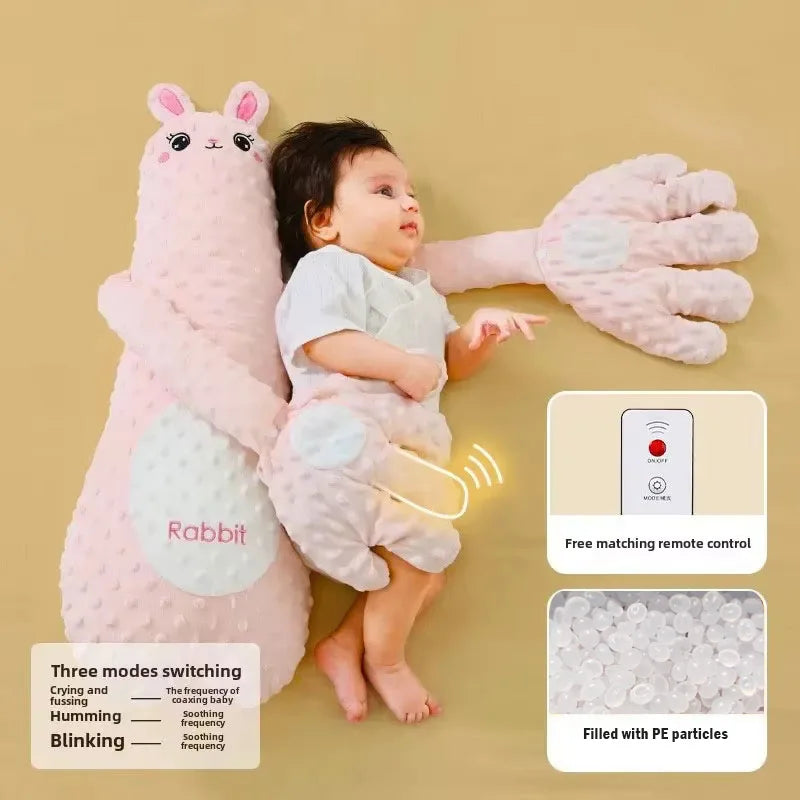
How to calm newborn from crying with consistent comfort 💡 See it in action
Newborn Safe Sleeping Tips That Reduce Crying
Safe sleep and calmer nights go hand in hand. When babies feel secure, they wake less often and cry less intensely.
- Always place baby on their back to sleep
- Use a firm, flat sleep surface
- Keep sleep space free of loose items
- Maintain a comfortable room temperature
Parents often find additional reassurance by browsing Sleep & Comfort solutions that support gentle settling routines.
Why an Infant Keeps Waking Up at Night
When an infant keeps waking up, it’s often due to immature sleep cycles or discomfort. Newborns naturally wake every few hours, but frequent crying can signal overstimulation or inconsistent routines.
- Overtired before bedtime
- Too much stimulation late in the evening
- Difficulty self-soothing between sleep cycles
Many caregivers find structured routines and calming tools from Baby Care Essentials helpful for creating predictable sleep cues.
Helpful Tools That Support Soothing an Infant
Some parents benefit from hands-free calming aids that provide consistent rhythm and reassurance, especially during late-night wake-ups.
See how this calming aid fits into bedtime routines
Complementary options from Massage & Relaxation and Sensory Toys can also support calming transitions before sleep.

How to calm newborn from crying with steady, familiar motion 💡 See it in action
Get soothing support now
Quick Questions Parents Ask
How long should I try soothing before switching techniques?
Give each method at least 1–2 minutes. Newborns need time to respond to gentle input before fully calming.
Is it normal if soothing works one night but not the next?
Yes. Newborn needs change daily as they grow. Flexibility is key when soothing an infant.
Can calming tools replace holding my baby?
No. Tools support routines but never replace attentive care, touch, and responsiveness.
Related Guide: Infant Sleep Training Tips: Top Methods Compared for Better Rest





