

How to Create a Calming Sleeping Environment Step by Step
What is a calming sleeping environment and how do you create one?
A calming sleeping environment is a bedroom setup that supports deep, uninterrupted rest by balancing light, sound, temperature, and layout. A well-designed calming sleeping environment reduces stress signals to the brain, supports natural sleep rhythms, and makes it easier to fall asleep and stay asleep through the night.
⏱ 7 min read
How to Create a Calming Sleeping Environment Step by Step
Do you lie down exhausted but still find your mind racing? Or maybe you fall asleep quickly, only to wake up multiple times during the night? For many light sleepers and parents juggling busy routines, the problem isn’t effort — it’s the environment. A calming sleeping environment can quietly work in your favor, helping your body relax without extra effort.
Which small change in your bedroom could help you sleep better tonight? Let’s walk through it together.
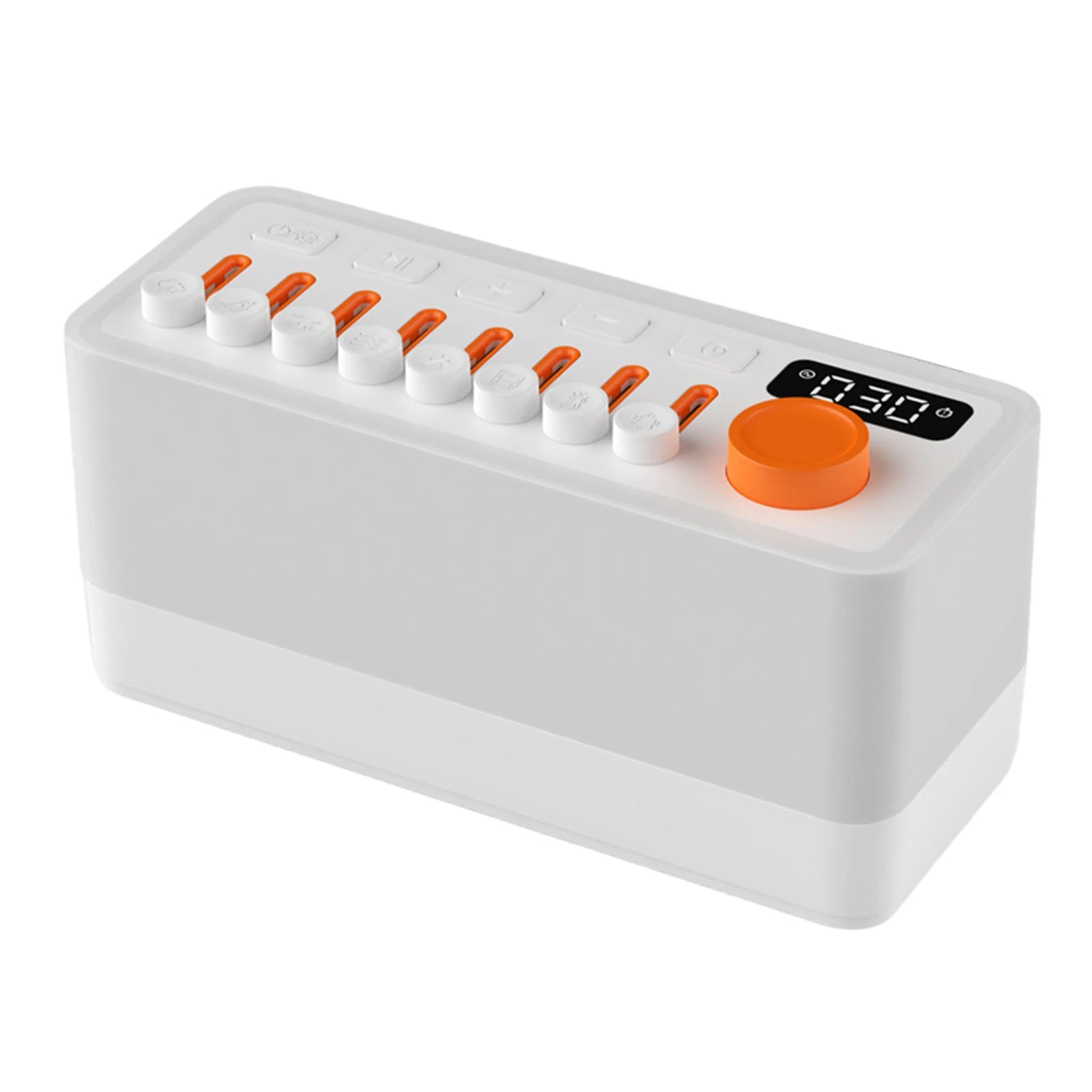
Creating a calming sleeping environment starts with light, sound, and comfort working together 💡 See it in action
Step 1: Use Light to Signal Rest, Not Stimulation
A calming sleeping environment begins with light control. Bright or blue-toned lighting tells your brain it’s time to stay alert, even when your body is tired.
- Dim overhead lights at least 60 minutes before bed
- Use warm, low-level lighting instead of bright bulbs
- Block outside light with curtains or shades
- Keep screens away from the bed when possible
How to Choose a Calming Night Light Color
The best calming night light color is typically warm amber, soft red, or gentle orange. These tones support melatonin production and reduce nighttime awakenings. Cool white or blue light can interfere with sleep, especially for light sleepers or parents waking during the night.
Sleeping with a night light can be helpful — but only if it’s the right color and brightness. A soft glow provides reassurance without pulling your brain back into daytime mode.
Many families explore gentle lighting options within Sleep & Comfort when adjusting bedtime routines.
Step 2: Control Sound Without Total Silence
Complete silence can actually make sleep harder, especially in homes with unpredictable noise. A balanced insomnia environment setup uses consistent sound to mask disruptions.
- Reduce sudden noise spikes from traffic or appliances
- Introduce steady background sound at low volume
- Keep sound consistent throughout the night
- Avoid loud or changing audio patterns
White noise or nature-inspired sounds help the brain settle into deeper sleep cycles. This is especially useful for parents, light sleepers, and those living in shared spaces.
Many wellness-focused households pair sound tools with items from Massage & Relaxation to reinforce nighttime calm.
Step 3: Optimize Bedroom Layout for Relaxation
A cluttered or poorly arranged bedroom keeps your nervous system alert. A calming sleeping environment relies on visual simplicity and physical ease.
- Keep walkways clear and open
- Position the bed away from harsh light sources
- Remove unnecessary electronics
- Store daily clutter out of sight
Parents often underestimate how visual overload affects rest. Even small changes — like clearing a nightstand — can create noticeable improvements.
Step 4: Set the Right Sleep Temperature
Temperature plays a major role in insomnia environment setup. Rooms that are too warm or too cold can disrupt deep sleep stages.
Most people sleep best in a slightly cool room, typically between 65–70°F. Breathable bedding and airflow help regulate body temperature naturally.
Some families use tools from Temperature Tools to maintain consistent comfort throughout the night.

Balanced sound and lighting are key parts of an insomnia environment setup 💡 See it in action
Step 5: Support Consistent Sleep Cues
A calming sleeping environment works best when paired with predictable routines. Your brain learns to associate certain cues with rest.
- Lower lights at the same time each night
- Use consistent sound and lighting patterns
- Avoid stimulating activities before bed
- Create a short wind-down ritual
For parents, consistency matters more than perfection. Small, repeatable cues help both adults and children feel safe and ready for sleep.
An Easy All-in-One Way to Simplify Your Sleep Setup
A calming sleeping environment doesn’t require multiple devices or complicated routines. One thoughtfully designed tool can combine gentle lighting, soothing sound, and intuitive controls in a single setup.
Many families find that a smart sleep aid with adjustable white noise and a warm night light simplifies bedtime while reducing interruptions. When sound and light work together, the environment supports rest automatically.
Solutions like this are often explored alongside options in Smart Baby Gadgets and Monitoring Devices to support peace of mind overnight.
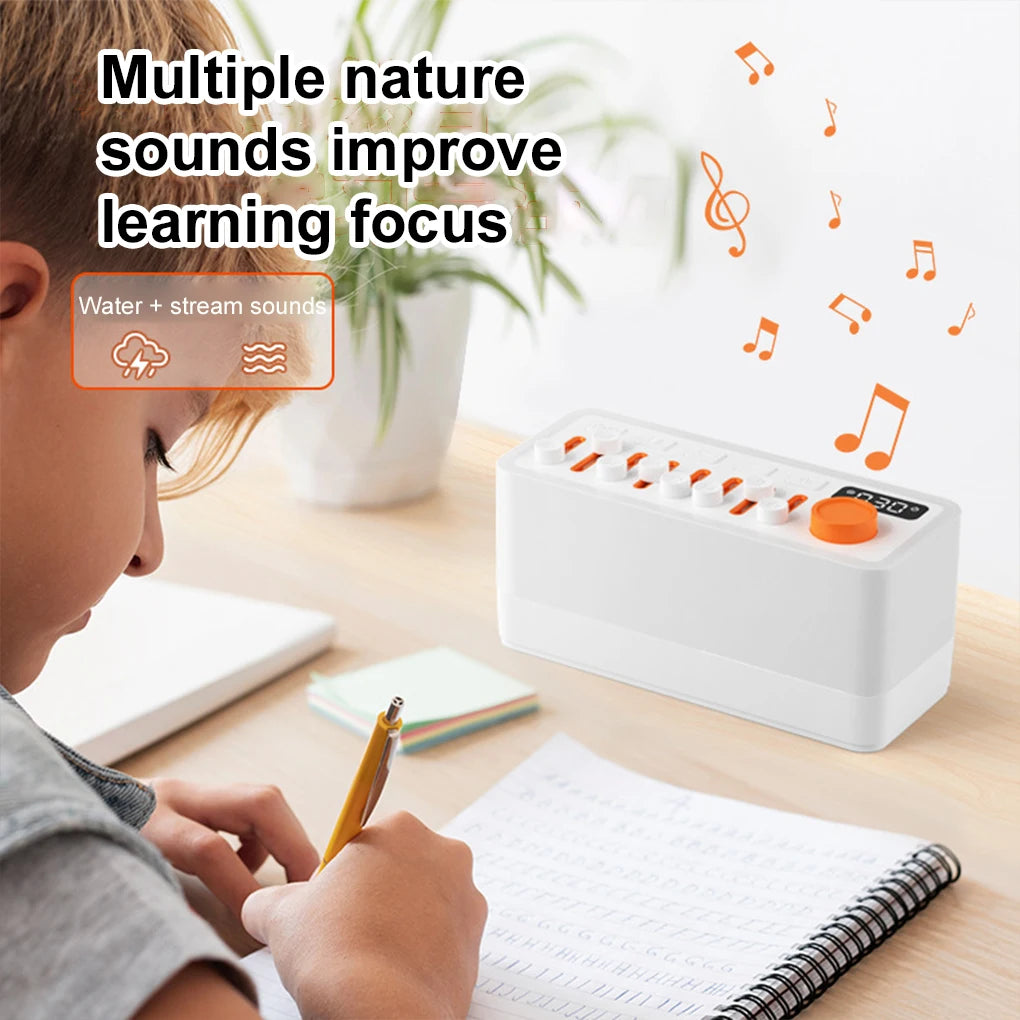
One simple device can support sleeping with a night light and calming sound 💡 See it in action
Mini FAQ
Is sleeping with a night light bad for sleep?
Sleeping with a night light is not harmful if the light is warm-toned and dim. A calming night light color like amber or red can provide comfort without disrupting sleep cycles.
How long does it take to feel results from a calming sleeping environment?
Many people notice improvements within a few nights. Consistency is key — repeated cues help the brain adapt and relax more quickly over time.
Can a calming sleeping environment help with insomnia?
While not a cure, a well-designed insomnia environment setup can reduce common triggers like noise, harsh light, and discomfort, making it easier to fall asleep and stay asleep.
Related Guide: Bedtime Routine for Better Sleep You Can Set Up Tonight





