

How to Sleep in a Noisy House: Practical Fixes That Work
Does restless sleep due to noise really have a fix?
Restless sleep due to noise can often be improved without moving or remodeling. By combining sound reduction, sound masking, and calming bedtime habits, most people notice fewer nighttime awakenings within days. Instead of chasing complete silence, the goal is to create a consistent sleep environment that helps your brain feel safe enough to stay asleep.
How to Sleep in a Noisy House (Proven Step-by-Step Guide)
Learning how to sleep in a noisy house doesn't require expensive renovations or relocating. Whether you're dealing with loud neighbors, street traffic, household activity, or adjusting to a new apartment, practical strategies can help you sleep through interruptions and wake up feeling more refreshed.
⏱ 7 min read
Do sudden sounds jolt you awake just as you drift off? Or do you wake up exhausted even after spending enough time in bed? These are common signs of restless sleep caused by environmental noise, but they're often manageable with the right approach.
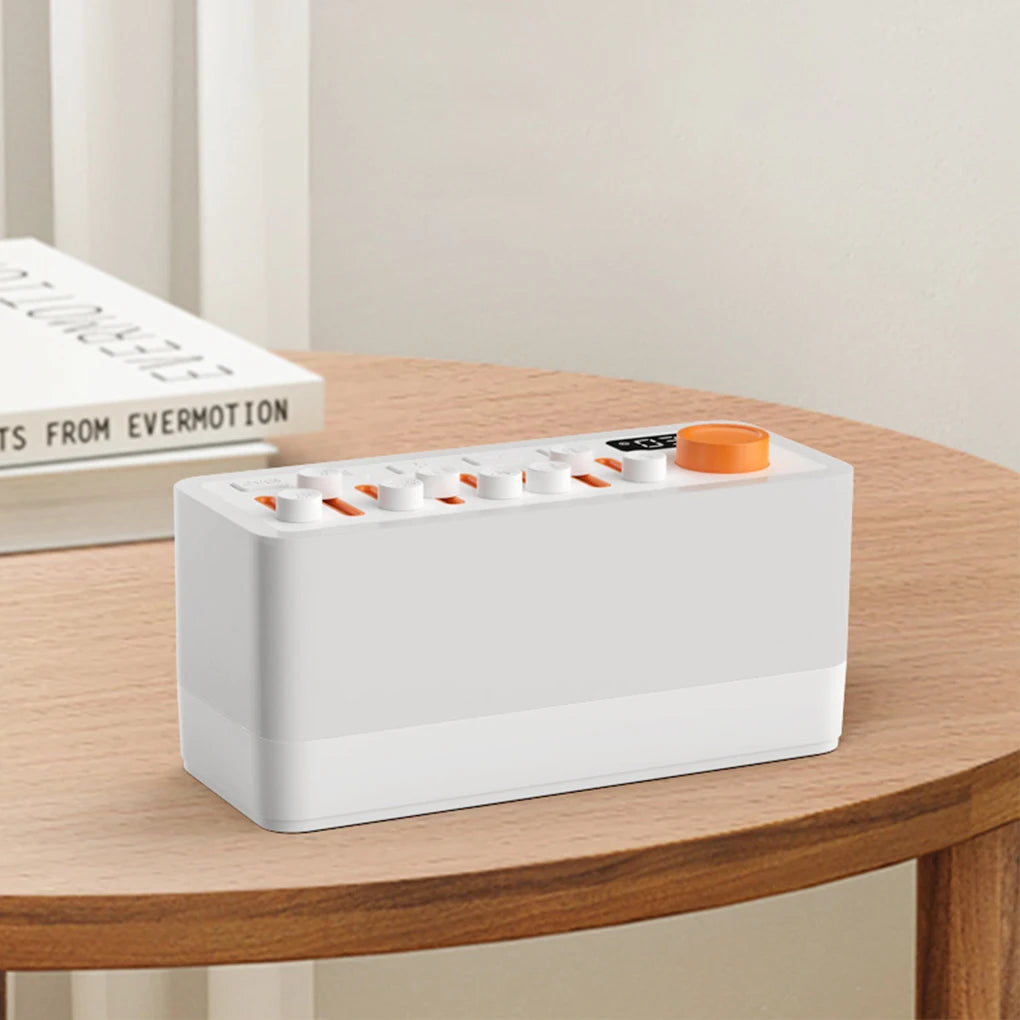
Restless sleep due to noise often starts with small disruptions — see how to reduce them in real life.
Good news: you don't need uncomfortable earplugs, bulky headphones, or major home renovations. A layered strategy that reduces sound, masks interruptions, and helps your nervous system relax can significantly improve sleep quality.
Ready to create a quieter night's sleep?
Why noise disrupts sleep so easily (sleep science explained)
Your brain never completely switches off during sleep. Even while you're resting, it continues monitoring your surroundings for potential danger. Sudden or unexpected sounds can trigger brief awakenings called micro-awakenings , often without you remembering them the next morning.
How noise affects sleep cycles and micro-awakenings
Deep sleep and REM sleep are the most restorative stages of the sleep cycle. Unexpected noises can briefly pull you into lighter sleep, making it harder to complete these important stages.
- Sudden sounds activate your brain's alert system.
- Frequent interruptions reduce time spent in deep sleep.
- Even short awakenings can leave you feeling tired the next day.
- Stress and anxiety make the brain even more responsive to nighttime noise.
Why sudden vs. constant noise impacts you differently
Constant background sounds are often easier for the brain to ignore because they become predictable. In contrast, irregular noises—like footsteps, doors closing, barking dogs, or car horns—stand out against silence and are much more likely to wake you.
Common noise problems at night (and what causes them)
Different types of nighttime noise require different solutions. Identifying the source helps you choose the most effective strategy.
Noisy neighbors and apartment living
- Footsteps from upstairs
- Television or music through shared walls
- Conversations in hallways
- Doors closing late at night
These noises often occur unpredictably, making them especially disruptive when you're trying to sleep with noisy neighbors.
Street and traffic noise
- Passing vehicles
- Motorcycles
- Emergency sirens
- Late-night deliveries
Homes near busy roads may experience intermittent sound spikes rather than constant background noise.
Household and family noise
- Appliances cycling on and off
- Pets moving around
- Children waking during the night
- Heating or cooling systems
Even complete silence can become a challenge because every small sound appears louder when there is no consistent background audio.
Step-by-step system to sleep through noise
If you're wondering how to sleep with noise , combine several strategies rather than relying on only one.
Step 1: Block noise where possible
- Seal gaps beneath doors.
- Use heavier curtains or rugs to absorb echoes.
- Move the bed away from shared walls when possible.
- Consider comfortable earplugs if they suit your sleeping position.
Step 2: Mask noise with consistent sound
Instead of trying to eliminate every sound, create steady background audio that reduces the contrast between silence and sudden noises.
- White noise
- Pink noise
- Brown noise
- Gentle fan sounds
- Soft rainfall recordings
Step 3: Train your brain to respond differently
Over time, your brain can learn that common nighttime sounds aren't dangerous. Keeping the same bedtime routine and using the same background sound each night helps build this association.
- Go to bed at a consistent time.
- Use the same masking sound every night.
- Avoid checking your phone after waking from noise.
- Practice slow breathing instead of focusing on the disturbance.
Why stable sound works better than silence
Many people assume total silence is ideal for sleep, but predictable background sound often works better because it reduces noticeable changes in the environment.
White vs. pink vs. brown noise differences
| Sound Type | Best For | Characteristics |
|---|---|---|
| White noise | General household noise | Balanced sound across frequencies |
| Pink noise | Light sleepers | Softer, lower-pitched, similar to rainfall |
| Brown noise | Low-frequency distractions | Deeper, richer sound with less high-frequency energy |
Many parents and light sleepers use gentle sound combined with soft lighting to create a predictable nighttime environment. Tools from the Sleep & Comfort collection are designed to support calm routines without overwhelming the senses.

Sleeping with noisy neighbors becomes easier when sound stays consistent — see it in action.
Unlike earplugs, a sound machine doesn't completely isolate you from your surroundings. Instead, it helps smooth out unpredictable sound spikes so your brain is less likely to react.
Many families also combine sound tools with gentle relaxation support from Massage & Relaxation to release tension before bed.
What to look for in a sound-based sleep aid
- Continuous, non-looping sound options
- Adjustable volume suitable for bedrooms
- Optional warm night lighting
- Easy nighttime controls
One option many households choose is a compact white noise speaker that blends sound and light in one place, such as this smart sleep aid speaker , which fits easily on a nightstand.
How to be less sensitive to noise when sleeping
Some people naturally wake more easily than others, but sensitivity to noise can often improve with consistent habits.
Desensitization and gradual exposure
Using the same background sound every night helps your brain become less reactive to occasional environmental noises over time.
Relaxation and breathing techniques
- Practice slow diaphragmatic breathing for five minutes before bed.
- Try progressive muscle relaxation.
- Keep bedroom lighting dim during the last 30 minutes before sleep.
Sleep routine optimization
Maintaining a regular sleep schedule improves sleep quality, making you less likely to wake from minor disturbances.
Tips for sleeping in a noisy apartment or new environment
People often experience trouble sleeping in a noisy apartment after moving because unfamiliar sounds feel more important to the brain.
Quick fixes for the first few nights
- Keep bedtime consistent.
- Use the same background sound every night.
- Sleep with curtains closed to reduce outside stimulation.
- Avoid caffeine late in the day.
Long-term room adjustments
- Position bookshelves or wardrobes against shared walls.
- Add rugs, curtains, and fabric furnishings.
- Rearrange the bed farther from the primary noise source.
- Continue using predictable sound masking as your routine develops.
Parents often explore calming nighttime routines supported by tools from Mom Essentials to create familiarity in new spaces.
Supporting deeper relaxation despite noise
Reducing noise is only part of the solution. Lowering stress before bedtime helps your body remain asleep even when occasional sounds occur.
Pre-sleep wind-down routine
- Stretch gently.
- Read a printed book.
- Lower household lighting.
- Avoid stimulating screens before bed.
Stress and anxiety control
Stress increases your brain's alertness, making even quiet sounds seem louder. Relaxation exercises can reduce this response over time.
Combining relaxation with sound masking
Wellness-focused tools from Beauty & Wellness can complement a calming bedtime routine alongside consistent background sound.
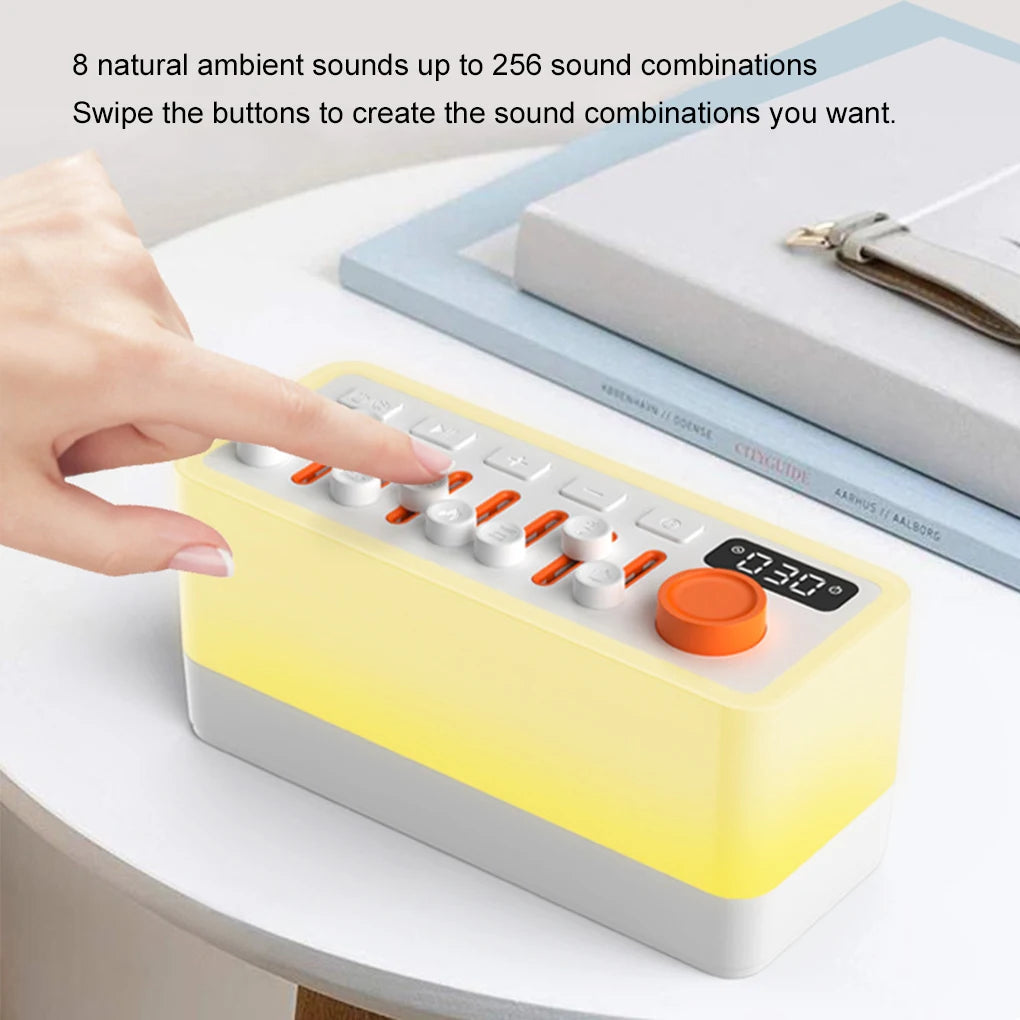
Less restless during sleep starts with the right environment — see how it comes together.
Many families find that combining gentle sound, consistent routines, and relaxation practices leads to fewer awakenings and more restorative sleep.
FAQ: Sleeping in noisy environments
Can restless sleep due to noise affect health?
Yes. Frequent sleep interruptions can affect mood, concentration, recovery, and overall well-being. Improving nighttime sleep quality benefits both physical and mental health.
Is white noise safe to use every night?
For most adults, low-volume white noise is considered safe when played at a comfortable level throughout the night.
How can I sleep in a noisy house without earplugs?
Use a combination of sound masking, soft furnishings, consistent bedtime routines, and bedroom adjustments to reduce the impact of unpredictable sounds.
What type of noise is best for masking loud sounds?
White noise works well for general household sounds, pink noise is often preferred by light sleepers, and brown noise may better mask lower-frequency disturbances.
Can you train yourself to ignore noise while sleeping?
Yes. Consistent routines and repeated exposure to stable background sound can help your brain become less reactive to harmless nighttime noises.
Why do I wake up easily from small sounds?
Stress, unfamiliar environments, light sleep, and irregular sleep schedules can all make your brain more sensitive to sudden changes in sound.
What if noise changes every night?
That's when stable background sound is often most effective because it reduces the contrast between silence and unexpected noises.
Is it unhealthy to sleep with background noise every night?
Moderate, consistent background sound is generally considered safe for most people and can improve sleep quality when it masks disruptive environmental noise.
Related Guide: Bedtime Routine for Better Sleep You Can Set Up Tonight





