

How to Soothe Crying Infant Quickly at Home
How can you soothe a crying infant quickly at home?
How to soothe crying infant effectively starts with meeting basic needs and calming the nervous system. Gentle touch, rhythmic patting, a quiet environment, and consistent routines can settle a nervous newborn in minutes, even when an infant keeps waking up or a newborn keeps waking up from nap. Small, timely adjustments often stop tears fast.
How to Soothe Crying Infant Quickly at Home
⏱ 7 min read
Is your baby crying again just minutes after falling asleep? If an infant keeps waking up and nothing seems to work, you’re not alone. Many parents worry they’re missing something or doing it wrong. The good news: calming a nervous newborn often comes down to simple, repeatable steps you can do at home—no guessing, no panic, just confidence.

How to soothe crying infant at home when an infant keeps waking up 💡 See it in action
Why Infants Cry and Keep Waking Up
Crying is a newborn’s main way to communicate. When an infant keeps waking up, it’s often because their nervous system is still learning how to settle. Even small discomforts feel big to them.
- Overstimulation from light or noise
- Gas, reflux, or digestion discomfort
- Hunger cues that look like fussiness
- A nervous newborn adjusting to the world
Understanding the “why” helps you respond calmly instead of trying everything at once.
How to Soothe Crying Infant Fast at Home
How to soothe crying infant quickly works best when you calm the body first, then the mind. Gentle, rhythmic actions send safety signals that help a nervous newborn relax and stop crying.
- Check basics: diaper, hunger, temperature.
- Use rhythmic motion: slow patting or rocking.
- Lower stimulation: dim lights, quiet voices.
- Offer consistent comfort: repeat the same soothing pattern.
Parents often notice crying shortens when the same steps are used every time.
Gentle Touch That Calms a Nervous Newborn
Firm but gentle touch helps regulate a nervous newborn. Light, slow patting on the back or tummy mimics the steady rhythm babies felt before birth.
Many families pair touch with tools from Massage & Relaxation to make soothing more consistent.
Sound and Environment Reset
White noise, soft humming, or a steady shushing sound can help when a newborn keeps waking up from nap. Keep sounds low and predictable.
Common Soothing Mistakes to Avoid
When crying doesn’t stop, it’s tempting to switch strategies every few seconds. That often makes things worse.
| ❌ Not Helpful | ✅ More Effective |
|---|---|
| Constantly changing techniques | Repeating one calming pattern |
| Bright lights at night | Dim, consistent lighting |
| Fast rocking | Slow, rhythmic movement |
Consistency builds trust and helps babies settle faster over time.
Helping When a Newborn Keeps Waking Up From Nap
When a newborn keeps waking up from nap, it’s often due to incomplete calming before sleep. A short “reset” can help extend rest.
- Pause before picking up—observe cues
- Use gentle patting without full wake-up
- Keep the same sleep setup each time
- Avoid overstimulation right after waking
Many parents combine routines with items from Sleep & Comfort to support longer naps.

When a newborn keeps waking up from nap, gentle routines help 💡 See it in action
Helpful Tools for Calming Baby at Home
Simple tools can make soothing easier, especially during long nights. Parents often look for items that support gentle touch and consistency.
- Soft sleep aids for predictable comfort
- Patting tools that mimic a caregiver’s rhythm
- Quiet sensory items that don’t overstimulate
Many families explore calming options alongside essentials from Baby Care Essentials to build a reliable routine.
Some parents also find a baby patting helper useful as part of their calming routine, especially during frequent night wake-ups.
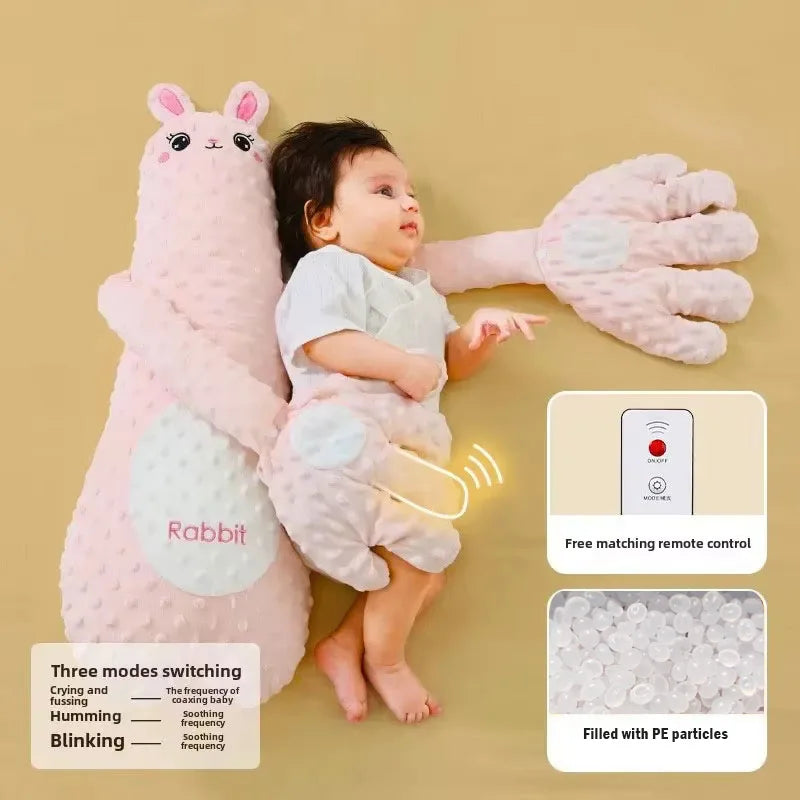
How to soothe crying infant safely at home 💡 See it in action
Quick Parent FAQs
Is it normal if my infant keeps waking up?
Yes. Many infants wake frequently as their sleep cycles mature. Consistent soothing helps reduce wake-ups over time.
How long should soothing take?
Most babies calm within 5–15 minutes when the right technique matches their need.
Can soothing backfire?
Too much stimulation can increase crying. Stick to calm, repetitive actions for best results.
Related Guide: Infant Soothing Techniques: Step-by-Step Guide for Calm Babies





