

How to Prevent Dry Air From AC Without Overdrying
Does a humidifier for air conditioner really help with dry AC air?
A humidifier for air conditioner use can help restore moisture that cooling systems remove from indoor air. By maintaining balanced humidity levels, a humidifier may reduce discomfort caused by dry AC air, including dry skin, irritated airways, and overnight congestion. When used correctly, it supports a more comfortable bedroom environment without making the room feel damp or affecting cooling performance.
Humidifier for Air Conditioner: How to Balance Dry AC Air
⏱ 7 min read
A comfortable air conditioned room depends on more than temperature. Moisture balance plays an important role too. If your air conditioner leaves your home feeling dry, causes itchy skin, or makes sleeping uncomfortable, a humidifier for air conditioner setups can help restore indoor comfort. This guide explains why AC dries the air, how to add moisture safely, and how to choose the right solution for your space.
Quick check: Do you wake up with dry lips, a scratchy throat, or congestion after sleeping with AC on? Your room may have a moisture imbalance. Which area feels the driest?
Explore simple ways to improve indoor comfort without replacing your air conditioner.
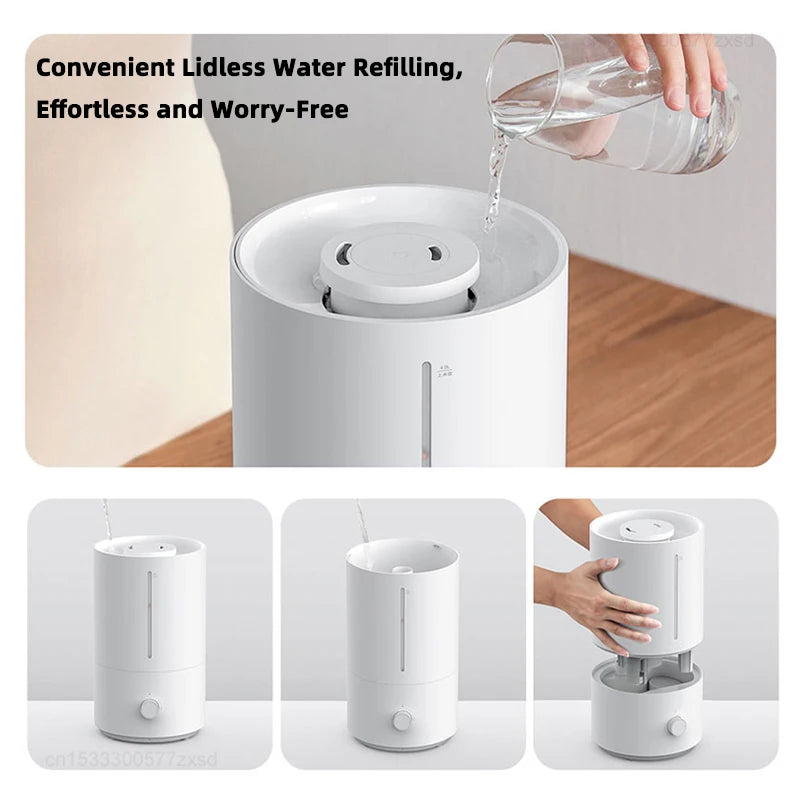
Humidifier for air conditioner comfort in daily home use See it in action
How to Prevent Dry Air From AC: Quick Fixes First
If your air conditioner is making the air too dry, start with simple adjustments before making major changes. The goal is to keep indoor humidity comfortable while allowing your AC system to cool efficiently.
Check your indoor humidity
The easiest way to know if your AC is drying the room too much is to measure humidity. A comfortable indoor range is usually around 30–50%. If levels consistently fall below this range, adding moisture may improve comfort.
Use a properly sized humidifier
A humidifier that matches your room size provides steady moisture without creating excess humidity. Small bedroom units work well for personal spaces, while larger models may be better for open areas.
Adjust AC settings if needed
- Raise the thermostat slightly if the room feels overly cold and dry
- Use lower fan speeds when possible
- Avoid running AC continuously at maximum cooling
Reduce unnecessary moisture loss
- Keep windows and doors closed while AC is running
- Seal obvious air leaks around windows
- Avoid placing fans directly toward your face while sleeping
Why Does Air Conditioner Make the Air Dry?
Many people ask, “Does air conditioner make air dry?” The answer is yes, because AC systems naturally remove moisture as part of the cooling process. This is helpful in humid weather, but excessive moisture removal can create uncomfortable dry air.
How AC removes humidity
Air conditioners cool warm air by passing it over cold evaporator coils. As air cools, moisture condenses on the coils and drains away. This process lowers humidity while reducing temperature.
Normal dehumidification vs overly dry air
Some moisture removal is beneficial because it prevents rooms from feeling sticky. However, when AC runs for long periods in closed spaces, humidity may drop too low and create dry indoor conditions.
Ideal indoor humidity range (30–50%)
Maintaining humidity between 30% and 50% generally supports comfortable breathing, skin comfort, and a balanced indoor environment. The exact ideal level depends on climate, season, and personal preference.
Dry Air From Air Conditioner Symptoms
Dry air from air conditioner symptoms can appear gradually. Many households notice small changes before realizing the AC environment is too dry.
Physical symptoms
- Dry or itchy skin
- Cracked lips
- Scratchy throat or morning hoarseness
- Irritated eyes
- Congestion from dry air
Home environment signs
- Static electricity shocks
- Dry wooden furniture or flooring
- More dust circulation
- Uncomfortable bedroom air overnight
When dryness is excessive
If discomfort continues despite adjusting AC settings, the room may need additional moisture control or a closer look at your HVAC system.
Is Your AC Too Dry? Identify the Root Cause
An AC making air too dry may be caused by several factors beyond normal cooling. Understanding the cause helps you choose the right solution.
Climate factors
Homes in naturally dry climates often need extra humidity support, especially during long periods of indoor cooling.
Oversized AC
An oversized AC unit may cool a room quickly but fail to balance humidity properly because it cycles off before moisture levels stabilize.
Thermostat settings
Very low temperature settings can increase cooling time and contribute to a colder, drier indoor feeling.
HVAC maintenance issues
Dirty filters, airflow problems, or system issues can affect how efficiently your AC manages moisture. Regular HVAC maintenance helps keep performance balanced.
How to Add Moisture to an Air Conditioned Room
Learning how to add moisture to air conditioned room spaces can improve comfort without changing your entire cooling system. The best method depends on room size and your daily routine.
Portable humidifiers
A portable humidifier for air conditioned room use is a convenient option for bedrooms, nurseries, and home offices. These units allow targeted moisture control and are easy to move.
Whole-house humidifiers
Whole-house systems connect with HVAC equipment to distribute moisture throughout the home. They are useful for larger homes but typically require professional installation.
Natural moisture strategies
- Add indoor plants that tolerate your environment
- Allow bathroom steam to circulate briefly after showers
- Dry laundry indoors when appropriate
See how families adjust moisture levels for better rest and breathing.
Step-by-Step: Using a Humidifier With AC
Using a humidifier for air conditioner comfort does not require complicated installation. Follow these steps for safer and more effective operation.
Choose the right size
Select a humidifier designed for the square footage of your room. An undersized unit may not improve dryness, while an oversized model can add too much moisture.
Placement tips
- Place the humidifier several feet away from AC vents
- Keep mist away from walls, electronics, and bedding
- Position it on a stable elevated surface when recommended
Humidity monitoring
Use a humidity monitor when possible. Adjust output based on measured levels instead of visible mist alone.
Cleaning schedule
- Empty and refill water regularly
- Clean the tank every few days
- Follow manufacturer cleaning instructions
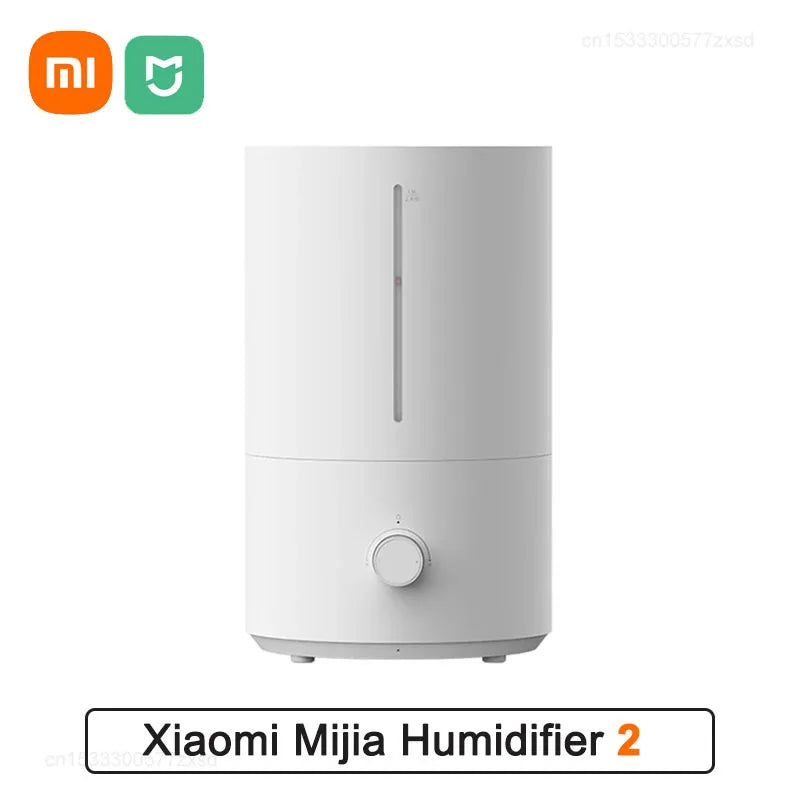
Humidifier for air conditioned room use to reduce dry air in bedroom See it in action
Reduce Dry Air in Bedroom While Sleeping
Bedrooms often experience the strongest effects of dry AC air because people spend several uninterrupted hours breathing the same indoor air.
Nighttime humidity
A moderate humidity level can make nighttime air feel more comfortable. Avoid excessive moisture that creates condensation or a damp feeling.
Bedroom placement
- Keep the humidifier away from direct airflow
- Place it where mist can distribute evenly
- Avoid pointing mist directly toward your face
Sleep comfort
Balanced humidity may help reduce dry throat discomfort, improve breathing comfort, and create a more relaxing sleep environment.
Best Humidifier for an Air Conditioned Room
The best humidifier for air conditioned room use depends on room size, noise preference, and maintenance needs.
| Type | Best For | Considerations |
|---|---|---|
| Portable humidifier | Bedrooms and small rooms | Easy setup and targeted moisture |
| Console humidifier | Larger living spaces | Higher water capacity |
| Whole-house humidifier | Entire homes | Professional installation may be needed |
Important features include:
- Low-noise operation for sleeping areas
- Adjustable mist levels
- Large water capacity
- Automatic shut-off
Many families combine humidity control with comfort routines found in Sleep & Comfort or wellness tools from Beauty & Wellness to create a more relaxing environment.
Mistakes That Make AC Dryness Worse
Running humidity too low
Ignoring humidity levels can leave rooms uncomfortable even when temperatures feel perfect. Check moisture levels regularly.
Skipping HVAC maintenance
Dirty filters and poor airflow can affect overall indoor comfort. Routine maintenance helps your system operate properly.
Using the wrong humidifier size
A humidifier that does not match the room can waste energy or fail to improve dryness effectively.
FAQs
Can I run a humidifier all night with AC?
Yes. You can run a humidifier overnight with AC as long as humidity remains balanced. Use appropriate settings, monitor moisture levels, and clean the unit regularly.
Will a humidifier make the room feel warm?
No. A humidifier adds moisture rather than heat, so your air conditioner continues controlling the temperature.
Is a humidifier helpful year-round?
A humidifier is especially useful during heavy AC use or dry seasons, but many households adjust usage depending on indoor comfort.
Can air conditioning cause dry air?
Yes. Air conditioning can cause dry air because cooling systems remove moisture during operation. This is normal, but excessive dryness may require humidity adjustment.
What humidity level is best with AC?
A humidity level between 30% and 50% is generally comfortable for most air conditioned homes.
When should I call an HVAC technician?
Consider professional help if your AC causes persistent dryness, has airflow problems, makes unusual noises, or fails to maintain comfortable indoor conditions.
Related Guide: Maintain Healthy Indoor Humidity: A Step-by-Step Home Guide





