

Improve Stretching Flexibility: Techniques That Really Work
Does improving stretching flexibility really work?
Improve stretching flexibility by combining controlled movements, breath awareness, and supportive tools that activate stabilizing muscles. Instead of forcing deeper stretches, this approach builds range of motion gradually, reduces injury risk, and helps beginners and intermediate users gain lasting flexibility through safer, more effective routines.
Improve Stretching Flexibility: Techniques That Really Work
⏱ 7 min read
Feeling stiff even though you stretch regularly? Many people—especially busy parents and home fitness beginners—stretch harder but not smarter. The good news: flexibility doesn’t require extreme poses or long workouts. With the right techniques and simple tools, you can improve stretching flexibility safely while supporting posture, balance, and everyday comfort.

Improve stretching flexibility with gentle activation and support — 💡 See it in action
Which simple change could help your body feel looser this week? Read on to find out.
Why Flexibility Feels Harder Than It Should
For many adults, tightness isn’t caused by lack of effort—it’s caused by how the body adapts to daily habits. Long hours sitting, carrying kids, or repeating the same movements can limit joint mobility and weaken stabilizing muscles.
- Muscles guard against movement when they feel unstable
- Poor posture limits natural range of motion
- Stretching cold or without support increases tension
- Rushing through stretches reduces effectiveness
What actually improves stretching flexibility?
Improve stretching flexibility by pairing slow, controlled stretches with light muscle engagement. When your core and stabilizers are active, muscles relax more fully, allowing safer lengthening and better long-term gains. This method works especially well for beginners who need support rather than intensity.
Key principles that make stretching effective
- Gentle activation before deeper stretches
- Steady breathing to calm muscle guarding
- Short, frequent sessions instead of rare long ones
- Support tools that improve balance and alignment
Many parents incorporate these principles into quick routines at home, often pairing them with items from Beauty & Wellness or Massage & Relaxation to unwind after busy days.
A step-by-step routine to build flexibility safely
Improve stretching flexibility with this simple sequence designed for fitness beginners and intermediate users. Each step builds confidence while protecting joints.
- Warm up (3–5 minutes): March in place or perform gentle arm circles.
- Activate the core: Light abdominal engagement helps muscles release tension.
- Slow stretches: Hold each stretch 20–30 seconds without bouncing.
- Controlled return: Ease out of stretches instead of snapping back.
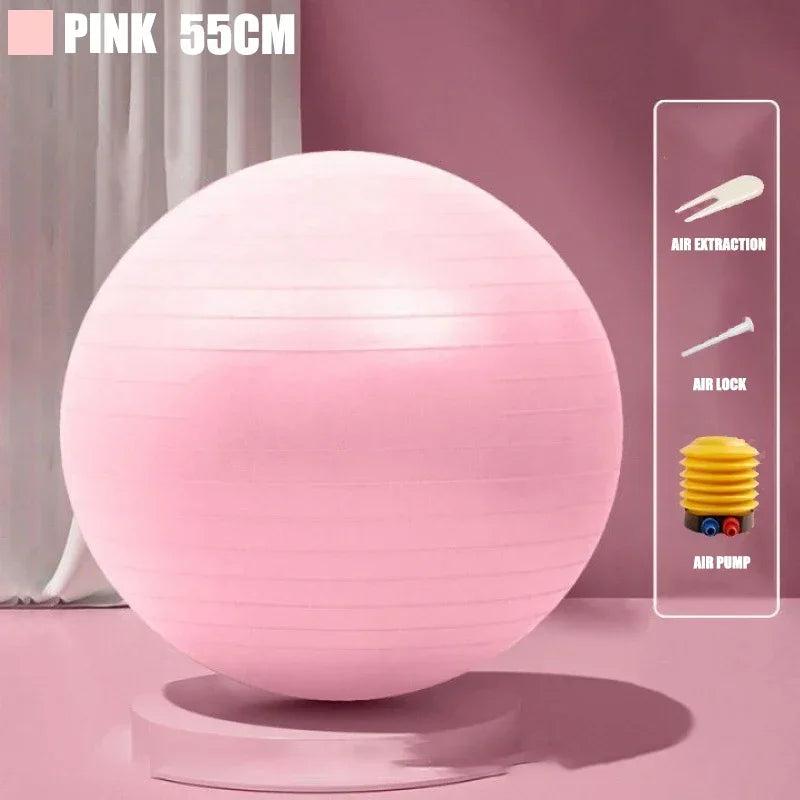
Total body ball workout support for balanced stretching — 💡 See it in action
Where balance tools make a difference
Adding light instability—such as sitting or leaning on a yoga balance ball—encourages micro-adjustments that wake up deep muscles. This makes stretching feel smoother and more controlled.
Many users combine these routines with supportive options from Mobility & Training to stay consistent at home.
How a yoga balance ball enhances flexibility training
A yoga balance ball isn’t just for workouts—it supports posture during stretches and even daily sitting. By encouraging active sitting, it helps maintain alignment while gently engaging the core.
- Improves balance awareness during stretches
- Reduces pressure on the lower back
- Supports total body ball workout routines
- Ideal for core stability exercises beginners
Some parents also use these tools alongside items from Mom Essentials to create quick self-care moments between responsibilities.
Real-life results people notice
- Less stiffness after long workdays
- Improved posture awareness
- Greater ease in everyday movements
- More confidence trying new stretches
Ready to try a supportive option? Explore the yoga balance solution here: Yoga Balance Ball for Core Strength.
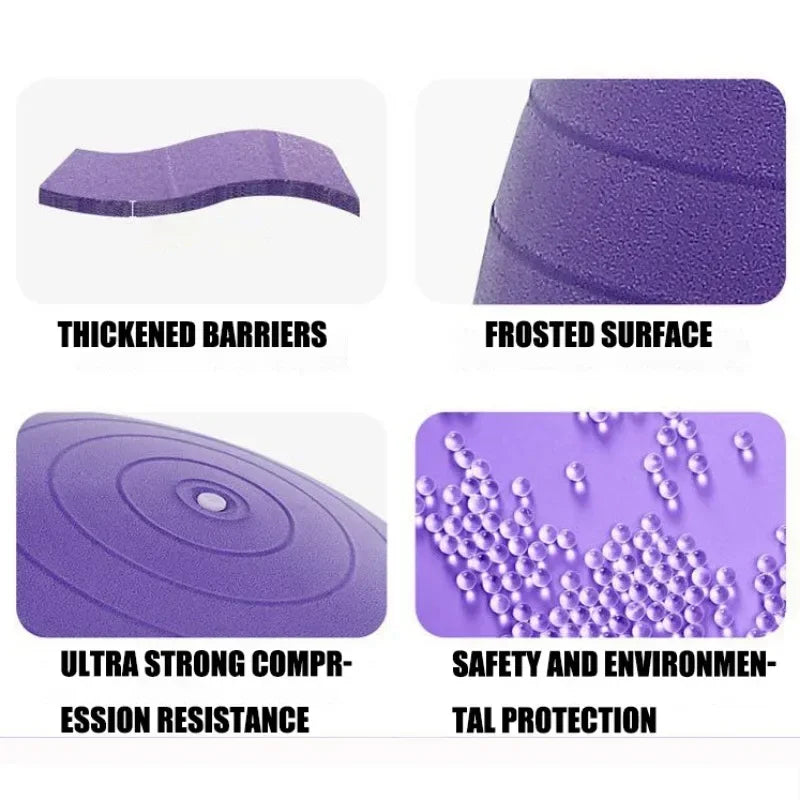
Active sitting meets improve stretching flexibility — 💡 See it in action
Common stretching mistakes to avoid
| ❌ Mistake | ✅ Better Approach |
|---|---|
| Forcing deeper stretches | Gradual range with breath control |
| Holding breath | Slow, steady exhalations |
| Ignoring posture | Use support to stay aligned |
| Inconsistent practice | Short daily routines |
For added comfort and safety—especially for those managing family routines—supportive items from Health & Safety can help maintain confidence while exercising at home.
Mini FAQ
How often should I stretch to see results?
Most people notice changes within 2–3 weeks when stretching lightly 5–10 minutes a day. Consistency matters more than intensity.
Is stretching safe for beginners?
Yes, when movements are controlled and supported. Tools that assist balance can reduce strain and build confidence.
Can stretching help with daily stiffness?
Regular stretching improves circulation and joint mobility, which often leads to less stiffness during everyday activities.
Want an easy way to support your routine? Discover how a simple balance tool can fit into daily life: Yoga Balance Ball for Core Strength.
Related Guide: How to Improve Core Strength: Step-by-Step Guide





