

Infant Sleep Disorders: Key Features and Benefits Explained
Do newborn calming techniques really work?
Newborn calming techniques help regulate a baby’s immature nervous system by using gentle sensory cues like rhythm, warmth, and touch. When used consistently, these methods can reduce crying, support longer naps, and comfort a nervous newborn—especially when a newborn keeps waking up from nap cycles.
⏱ 8 min read
Newborn Calming Techniques for Fussy Babies
Newborn calming techniques can feel like a lifesaver when sleepless nights hit hard and your baby seems impossible to settle. If you’re caring for a nervous newborn, facing endless tears, or searching for real ways to soothe a crying infant, you’re not alone. The good news? Small, gentle adjustments can bring big changes—often faster than you expect.
Which calming method fits your baby’s temperament best? Read on to find out.

Newborn calming techniques for a nervous newborn—gentle comfort that soothes crying fast 💡 See it in action
Why Newborns Get Fussy So Easily
Newborns are adjusting to life outside the womb. Light, sound, hunger, gas, or fatigue can overwhelm them quickly. A nervous newborn may react with stiff movements, short naps, or intense crying because their self-soothing skills are still developing.
- Immature nervous system needs external regulation
- Overstimulation from noise or light
- Hunger or digestive discomfort
- Difficulty transitioning between sleep cycles
Understanding this helps parents respond with empathy instead of frustration.
Newborn Calming Techniques That Work Fast
Newborn calming techniques focus on recreating the secure, rhythmic sensations babies experienced before birth. When applied gently and consistently, they can reduce crying and help babies settle more easily.
- Rhythmic motion: Slow rocking or gentle patting mimics a caregiver’s heartbeat.
- Soft sound: White noise or low humming blocks sudden environmental noise.
- Swaddling: Light pressure can reduce startling reflexes.
- Warmth and touch: Skin-to-skin contact promotes relaxation.
How Sensory Cues Calm a Nervous Newborn
Sensory input plays a powerful role in calming a nervous newborn. Gentle, predictable sensations signal safety and help the brain slow down.
| Sensory Cue | How It Helps |
|---|---|
| Touch | Releases calming hormones and reduces stress |
| Sound | Creates a consistent background that prevents startling |
| Motion | Supports smoother transitions between sleep cycles |
Many parents pair these cues with tools from the Sleep & Comfort collection to keep routines consistent even during late-night wake-ups.
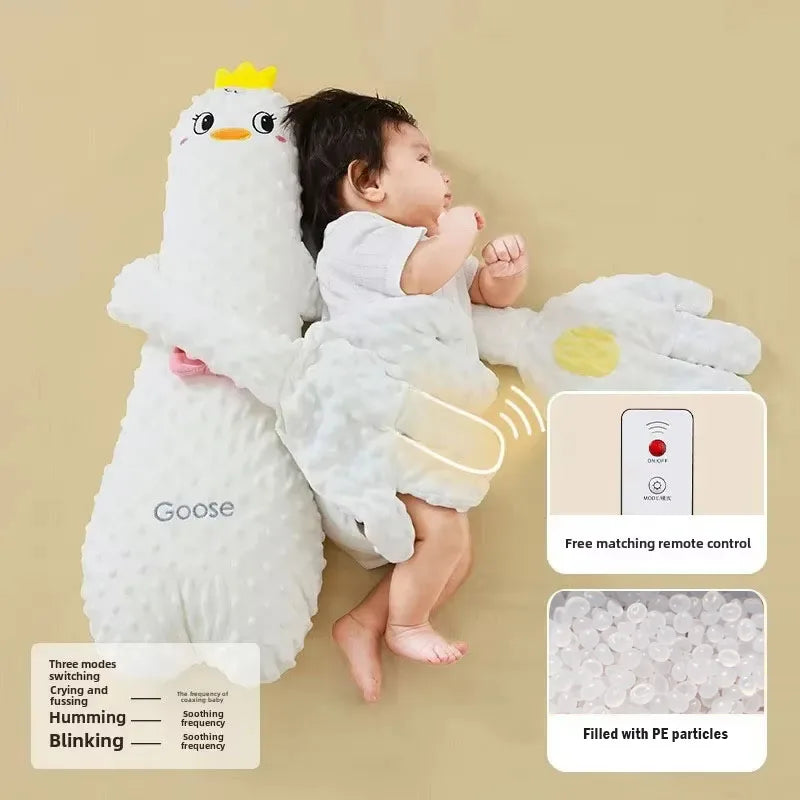
Ways to soothe a crying infant using rhythmic motion and sound 💡 See it in action
When a Newborn Keeps Waking Up From Nap
Short naps are common, but frequent wake-ups can signal overstimulation or difficulty self-regulating. Newborn calming techniques help extend naps by easing transitions between light and deep sleep.
- Lower lights and noise before nap time
- Use consistent pre-nap cues
- Offer gentle motion if baby stirs early
Parents often find that pairing routines with soothing accessories from Massage & Relaxation supports longer, more peaceful naps.
Gentle Tools That Support Calmer Sleep
Some babies respond especially well to tools that provide steady, repetitive comfort. Products like a baby sleeping patting doll offer rhythmic motion without overstimulation, helping babies relax independently while still feeling secure.
- Supports self-soothing skills
- Provides consistent calming rhythm
- Useful during naps and nighttime sleep
Explore calming aids alongside essentials from Baby Care Essentials to create a complete, stress-free sleep setup.
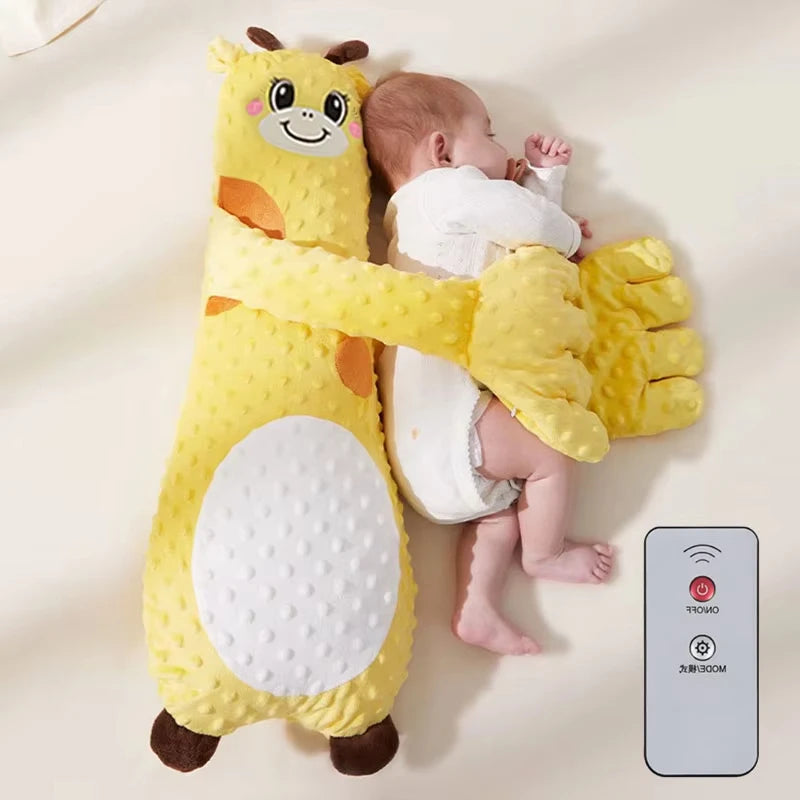
Newborn calming techniques that help when newborn keeps waking up from nap 💡 See it in action
What Real Parents Are Saying
“Our baby cried every evening. Once we added rhythmic patting and consistent sound, the change was noticeable within days.” — Emily, new mom
“Naps went from 20 minutes to nearly an hour. It felt like we finally understood what our baby needed.” — Jason, dad of a newborn
Quick Questions Parents Ask
-
How long do newborn calming techniques take to work?
Some babies respond immediately, while others improve over several days of consistent use. -
Are these methods safe for all babies?
Yes, when techniques are gentle and age-appropriate. -
Can calming tools replace parental comfort?
No, they support routines but never replace caregiver connection.
Related Guide: Infant Self Soothing Techniques: Features That Improve Sleep





