

Infant Sleep Pillow Comparison: Best Options for Comfort
Do infant sleep training tips really help babies sleep longer?
Infant sleep training tips work by aligning sleep methods with a baby’s age, temperament, and environment. When paired with consistent routines and safe comfort tools, these tips reduce night waking, ease restless infant sleep problems, and help parents respond calmly when an infant keeps waking up crying.
Infant Sleep Training Tips: Top Methods Compared for Better Rest
⏱ 8 min read
Infant sleep training tips can feel overwhelming when you’re exhausted, your baby wakes every hour, and everyone has a different opinion. From gentle routines to structured approaches, parents want one thing: better rest for their baby and themselves—without compromising comfort or safety.
Is your infant waking up crying every night? Are you dealing with restless infant sleep problems that make bedtime stressful instead of soothing? You’re not alone—and there are proven, practical ways to improve sleep while respecting your baby’s needs.
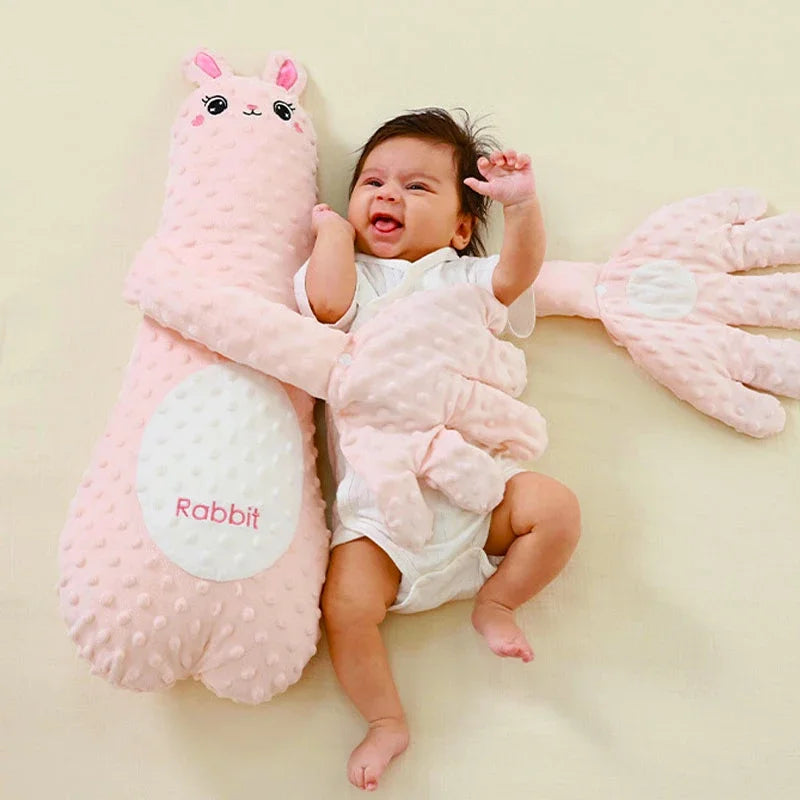
Infant sleep training tips paired with soothing tools can calm restless infant sleep problems 💡 See it in action
Why Infant Sleep Training Matters for the Whole Family
Infant sleep training tips aren’t about forcing sleep—they’re about teaching healthy sleep habits early. When babies learn how to fall asleep calmly, they wake less often and self-soothe more easily.
- Better sleep supports brain development and mood regulation
- Parents feel more confident responding to night wakings
- Household routines become calmer and more predictable
- Safety improves when consistent sleep environments are used
Many families explore tools from Sleep & Comfort collections to support these habits while maintaining safe sleep practices.
Gentle Infant Sleep Training Methods (Low-Stress Options)
Infant sleep training tips in gentle methods focus on responsiveness and emotional reassurance. These approaches work well for younger infants or parents who prefer gradual change.
The Fading Method
This method slowly reduces parental involvement at bedtime. You might start by rocking your baby to sleep, then gradually reduce movement or contact.
Pick-Up/Put-Down
When your infant keeps waking up crying, you briefly comfort them and place them back down once calm. Over time, babies learn to settle in their sleep space.
Parents often combine these methods with calming sensory input from Sensory Toys designed for infants.
Structured Infant Sleep Training Methods Compared
Infant sleep training tips using structured methods rely on consistency and clear sleep cues. These approaches may show results faster but require emotional readiness from parents.
Controlled Comforting
Parents check in at set intervals without picking up the baby. This reassures infants while encouraging independent sleep.
Scheduled Awakenings
You gently wake your baby before habitual wake-ups, then resettle them—resetting sleep cycles over time.
Monitoring tools from Monitoring Devices can help parents feel more confident during these approaches.
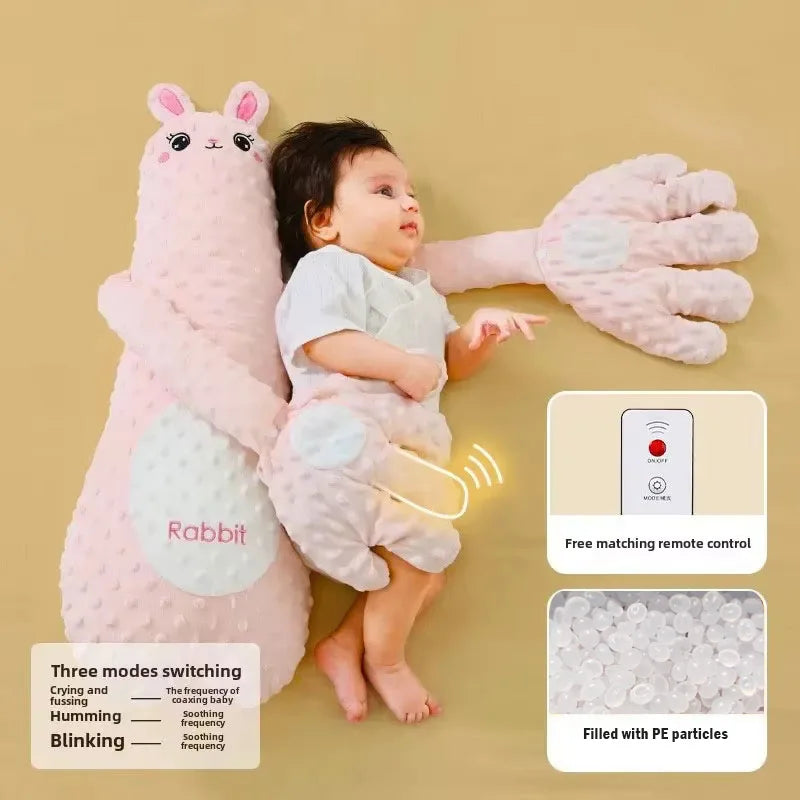
When an infant keeps waking up crying, the right sleep setup supports consistency 💡 See it in action
Infant Bedtime Routine Examples That Encourage Better Sleep
Infant sleep training tips are most effective when paired with predictable bedtime routines. Babies thrive on repetition.
- Warm bath or gentle wipe-down
- Quiet feeding in dim light
- Soft sounds or rhythmic patting
- Placed in crib drowsy but awake
Massage oils or calming tools from Massage & Relaxation collections often help signal sleep time.
How Sleep Aids Support Infant Sleep Training Tips
Infant sleep training tips don’t rely on tools alone, but the right aids can reduce stimulation and soothe infants safely.
- Infant sleep wraps that provide gentle pressure
- Sleep toys for infants with soft sounds or motions
- Flat, firm sleep surfaces aligned with safety guidance
- Temperature regulation using tools from Temperature Tools
One popular comfort option parents explore is the Baby Sleeping Patting Doll, which mimics rhythmic soothing to help infants relax during sleep transitions.
Side-by-Side Comparison of Top Infant Sleep Training Methods
| Method | Best For | Pros | Cons |
|---|---|---|---|
| Fading Method | Younger infants | Low stress, responsive | Slower results |
| Pick-Up/Put-Down | Frequent night wakings | Reassuring, flexible | Requires patience |
| Controlled Comforting | Older infants | Faster consistency | Emotionally challenging |
What Real Parents Say About Infant Sleep Training Tips
Parents report fewer night wakings within 1–2 weeks when routines stay consistent. Many note that combining methods with comfort aids improved results.
“Our baby went from waking every hour to sleeping four-hour stretches once we followed a routine and added gentle patting support.” — Amanda, CA
Exploring trusted essentials from Baby Care Essentials helps families feel prepared rather than overwhelmed.
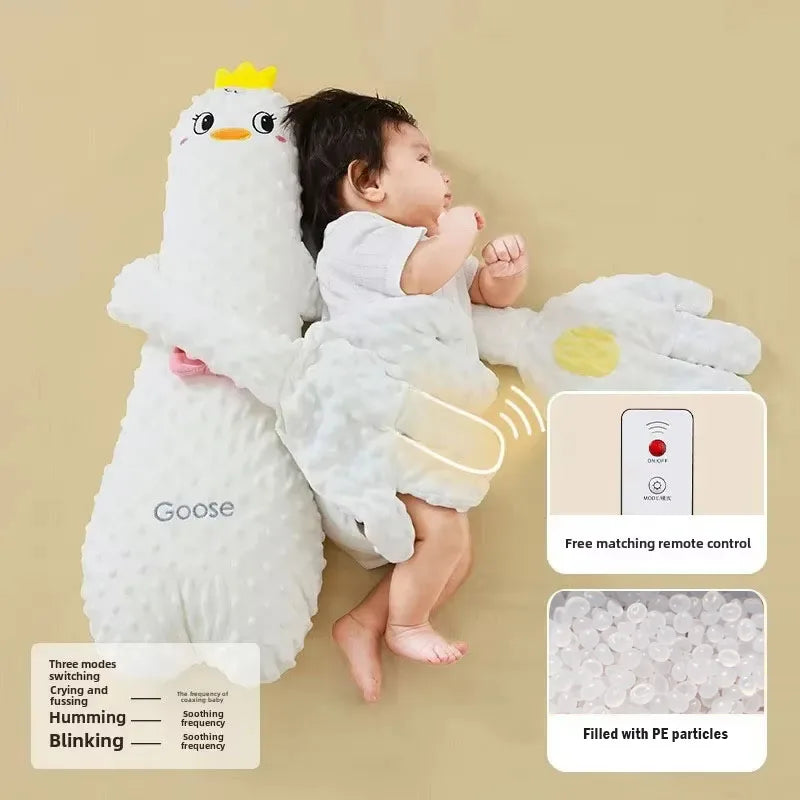
Restless infant sleep problems improve with consistent infant sleep training tips 💡 See it in action
Mini FAQ
How long do infant sleep training tips take to work?
Most families notice changes within 7–14 days when routines stay consistent and age-appropriate.
Is it normal if my infant keeps waking up crying?
Yes. Night waking is common, especially during growth spurts or developmental changes.
Can sleep toys for infants be used safely?
Yes, when designed for infants and used according to safety guidelines.
Should I combine methods?
Many parents blend gentle techniques with structured routines for balanced results.
👉 Ready to make nights calmer for your family? Explore trusted comfort solutions today.
Related Guide: Infant Sleep Training Tips: Top Methods Compared for Better Rest





