

Infant Sleeping Devices Reviewed: Find the Right Fit
Infant Sleeping Devices Reviewed: Find the Right Fit
Do infant sleeping devices really help babies sleep better?
Infant sleeping devices can improve sleep when they match safe sleep guidelines and your baby’s needs. The best options support calm routines, proper positioning, and comfort without overstimulation. From bassinets to infant sleep wraps, choosing the right device helps babies settle faster and parents rest easier.
⏱ 8 min read
Exhausted nights are a common part of early parenting—but not all sleep struggles are unavoidable. Infant sleeping devices promise calmer evenings, longer stretches of rest, and safer routines. Which ones truly help, and which create more confusion? This review breaks down popular options, honest pros and cons, and how to find the right fit for your baby and your home.
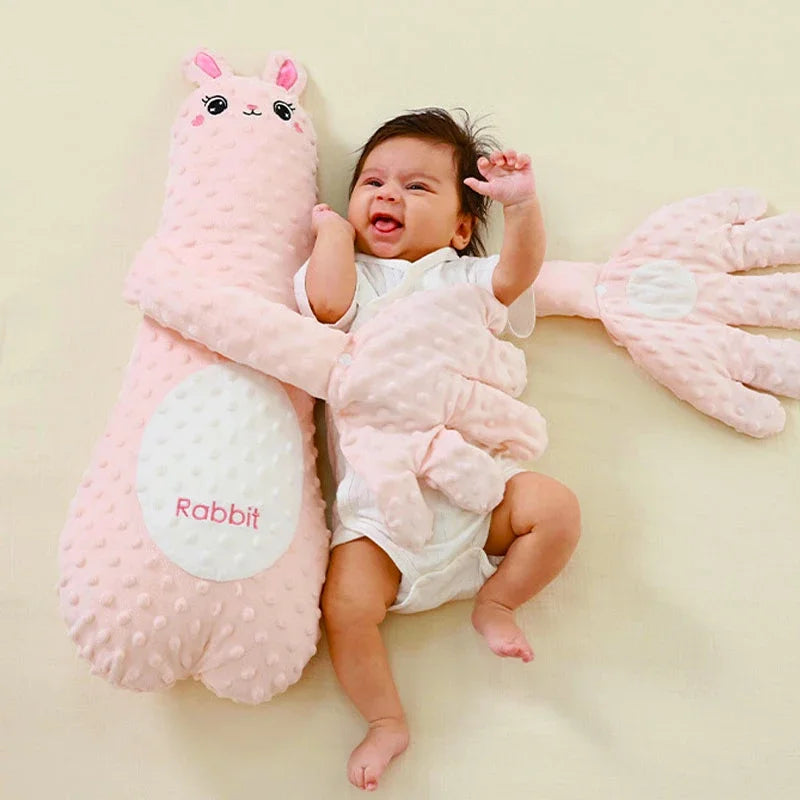
Infant sleeping devices compared for comfort, safety, and real-life routines 💡 See it in action
Types of Infant Sleeping Devices and Where They Fit Best
Infant sleeping devices include bassinets, cribs, sleep wraps, smart sleepers, and calming accessories. Each serves a different purpose depending on your baby’s age, temperament, and your lifestyle. Understanding these differences reduces overwhelm and helps you invest wisely.
- Bassinets: Compact, bedside-friendly, ideal for newborns.
- Cribs: Long-term solution with firm, flat mattresses.
- Infant sleep wraps: Provide secure, womb-like comfort.
- Smart sleepers: Offer motion or sound features.
- Sleep toys for infants: Designed to soothe with gentle stimulation.
Many parents combine devices with accessories from Sleep & Comfort to create a calming environment without clutter.
Infant Sleeping Devices Compared at a Glance
Infant sleeping devices vary widely in function and feel. This table highlights where each option shines and where caution is needed.
| Device | Best For | Pros | Cons |
|---|---|---|---|
| Bassinet | Newborns, night feeds | Close proximity, easy access | Short usage window |
| Crib | Long-term sleep | Durable, safe flat surface | Takes space |
| Infant Sleep Wrap | Fussy or startle-prone babies | Secure, portable, calming | Needs proper fit |
| Sleep Toys for Infants | Calming routines | Soothing cues, familiar sounds | Risk of overstimulation |
Sleep Toys for Infants: Comfort or Distraction?
Sleep toys for infants can support routines when used thoughtfully. Soft textures, gentle sounds, or rhythmic motion can signal bedtime—but too much stimulation may backfire.
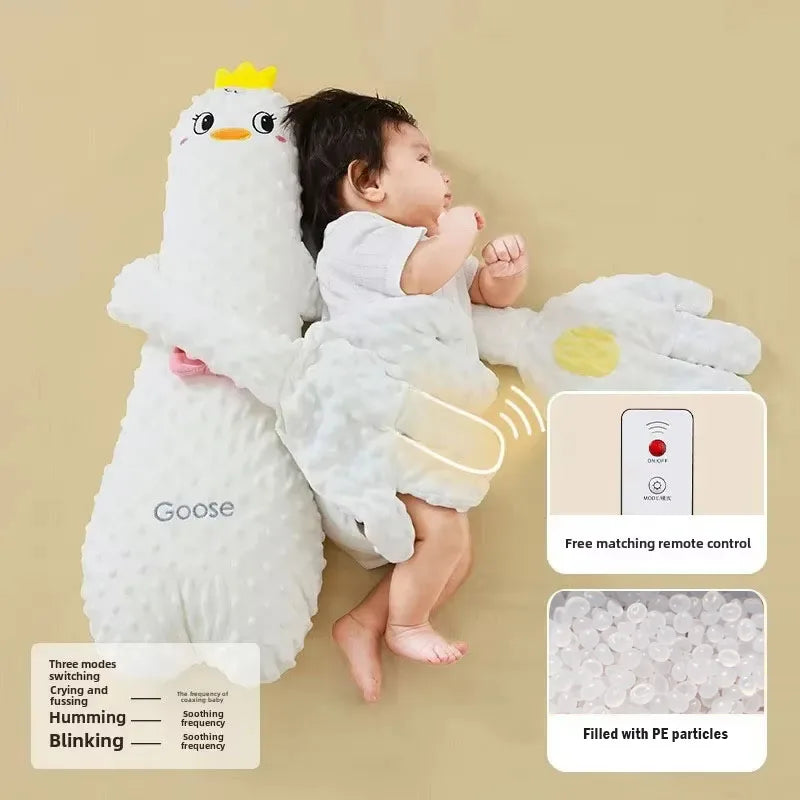
Sleep toys for infants used correctly can soothe without overstimulating 💡 See it in action
Parents often pair calming toys with options from Sensory Toys designed for early development and safety.
- Choose toys with soft light or low-volume sound.
- Use during wind-down, not active play.
- Remove loose items once baby is asleep.
How an Infant Sleep Wrap Supports Secure, Cozy Sleep
Infant sleep wraps mimic the snug feeling of being held, helping babies feel safe. They can reduce startle reflexes and promote longer rest when used correctly.
Infant sleeping devices like wraps are especially helpful during the newborn stage, offering gentle containment without restricting movement.
- Promotes calm through even pressure.
- Portable for naps anywhere.
- Easy to integrate into bedtime routines.
Explore complementary comfort options in Massage & Relaxation for soothing pre-sleep rituals.
Newborn Sleep Incline vs Flat: What’s the Real Difference?
Newborn sleep incline vs flat is a common question. Current guidance favors flat, firm surfaces for routine sleep, as they support airway alignment and reduce risk. Inclined devices may feel comforting short-term but aren’t recommended for unsupervised sleep.
- Flat sleep: Best for overnight and naps.
- Incline: Only with supervision, if advised.
Monitoring tools from Monitoring Devices can add peace of mind during early months.
Safety-First Tips When Using Infant Sleeping Devices
Safety should always guide your choices. Infant sleeping devices work best when combined with clear routines and safe environments.
- Always place baby on their back.
- Keep sleep space free of loose items.
- Follow manufacturer guidelines closely.
- Regularly check fit and condition.
Additional guidance can be found in Health & Safety collections focused on everyday protection.
A Closer Look at a Soothing Sleep Companion Parents Love
Infant sleeping devices that combine gentle motion with familiar cues often stand out. Many parents report calmer transitions and easier bedtimes when using a rhythmic patting companion designed for sleep routines.
One popular option is a soft, calming sleep aid available here, often used alongside other infant sleeping devices for added reassurance.
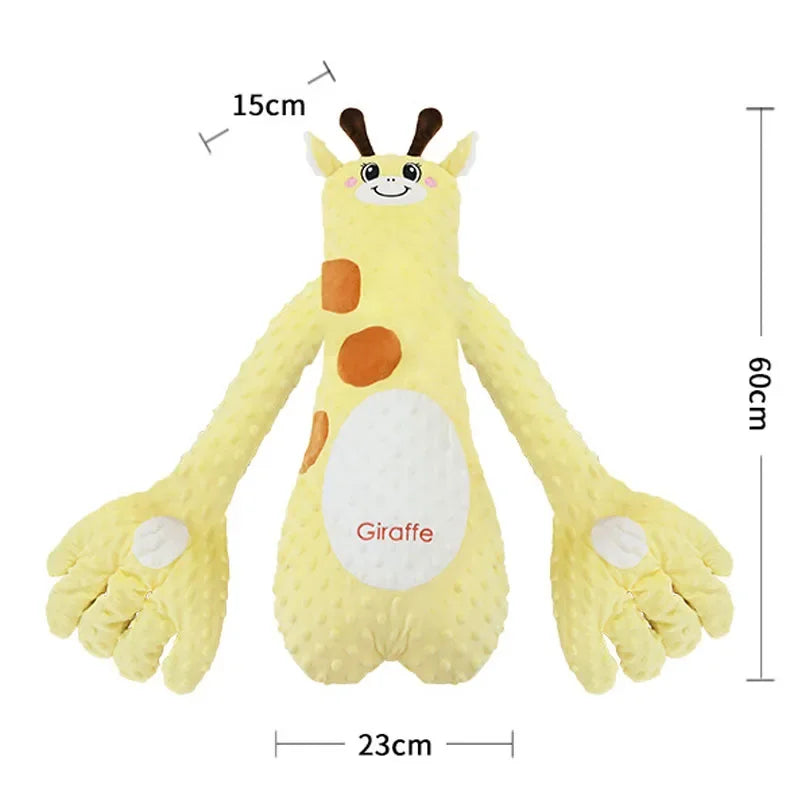
Infant sleeping devices paired with gentle sleep toys for infants 💡 See it in action
Frequently Asked Questions
Are infant sleeping devices safe for overnight sleep?
Infant sleeping devices are safe when they meet safety standards and are used as directed. Flat, firm surfaces are recommended for overnight sleep.
Can sleep toys for infants stay in the crib?
Sleep toys for infants should be removed once the baby is asleep to maintain a clear, safe sleep space.
When should I stop using an infant sleep wrap?
Most parents transition out of an infant sleep wrap when babies begin rolling, following product guidelines.
Related Guide: Infant Sleep Training Tips: Top Methods Compared for Better Rest





