

Maternity Back Support vs Belly Bands: What Relieves Pain Better?
Does maternity back support really relieve pregnancy back pain?
Maternity back support works by stabilizing the pelvis and spine as your center of gravity shifts. A well-designed maternity back support redistributes belly weight, reduces lumbar strain, and improves posture, helping many expecting mothers feel noticeable pain relief within days—especially during standing, walking, or long daily routines.
Maternity Back Support vs Belly Bands: What Relieves Pain Better?
⏱ 7 min read
Maternity back support can transform how your body handles daily strain as your bump grows, but choosing between structured supports and flexible belly bands isn’t always obvious. One promises targeted stability, the other gentle lift and flexibility. So which actually keeps you comfortable longer—and why do many moms switch as pregnancy progresses?
Lower back pain, hip pressure, and that constant pulling feeling are among the most common pregnancy complaints. You’re not imagining it—and you’re not alone. The good news? The right support can make everyday movement feel manageable again.
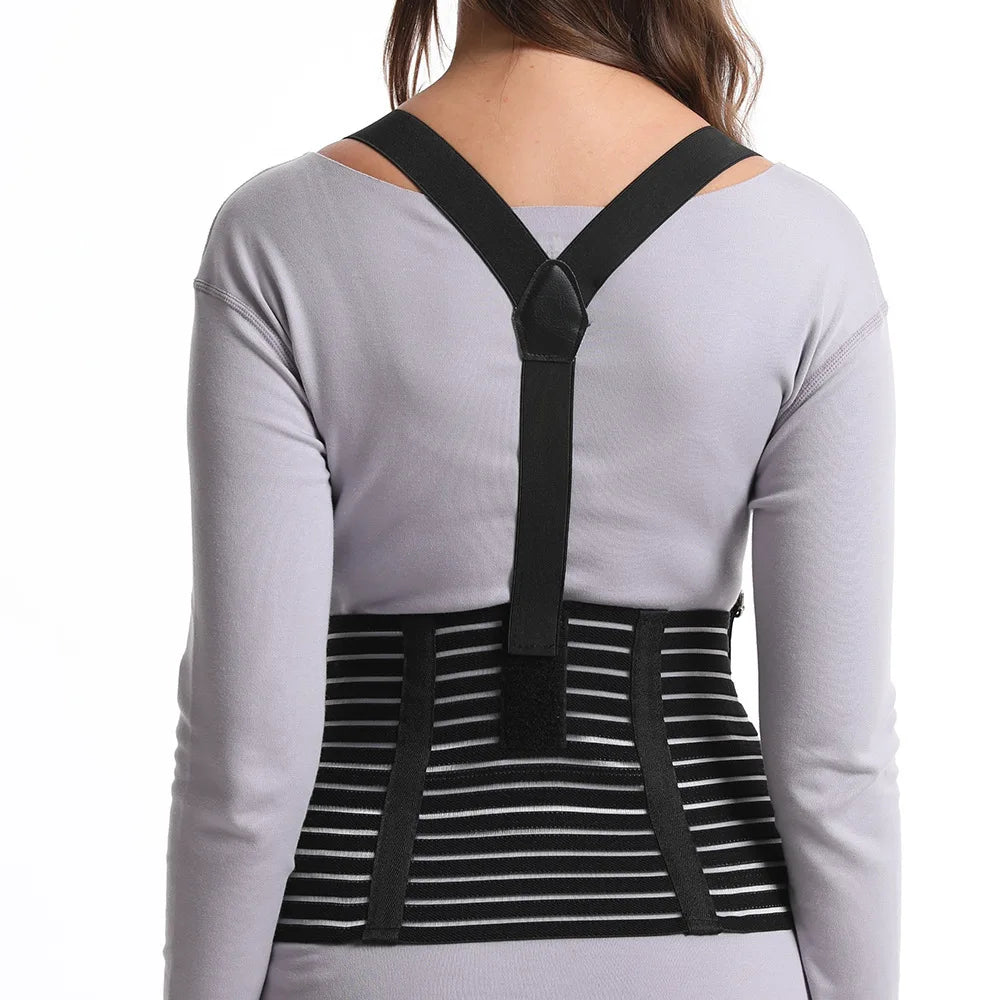
Structured maternity back support for daily stability and posture relief 💡 See it in action
How maternity back support targets pain at the source
A maternity back support is designed to stabilize the lower spine and pelvis while lifting abdominal weight upward and inward. Unlike simple wraps, it often includes reinforced panels or adjustable straps that focus on posture correction and lumbar support pregnancy needs.
Most maternity back support belts are recommended during the second and third trimesters, when belly weight increases rapidly and posture naturally shifts forward.
- Supports lumbar spine alignment
- Reduces pressure on hips and tailbone
- Encourages upright posture
- Helps during walking, standing, and light activity
Many expecting moms browsing Mom Essentials find that structured support feels especially helpful for long workdays or chores that require standing.
What belly bands do well—and where they fall short
Belly bands are soft, stretchy wraps that sit under or around the belly. Their main job is gentle lift and compression, which can reduce the pulling sensation on abdominal muscles.
They’re popular in early pregnancy and postpartum recovery because they feel lightweight and unobtrusive under clothing.
- Provides mild belly lift
- Feels flexible and breathable
- Easy to wear under outfits
- Less structured spinal support
While belly bands can ease discomfort, they often lack true back stabilization—something many moms notice once back pain becomes more intense.
Maternity back support vs belly bands: clear comparison
| Feature | Maternity Back Support | Belly Band |
|---|---|---|
| Back pain relief | High, targeted lumbar support | Low to moderate |
| Posture correction | Yes | No |
| Flexibility | Moderate | High |
| Best trimester | 2nd–3rd | 1st–early 2nd |
Which option actually relieves pain better?
Maternity back support generally relieves pain more effectively than belly bands because it stabilizes the spine and pelvis. A back support belt for pregnancy addresses the root cause of discomfort—postural strain—rather than just lifting the belly.
If your pain is centered in the lower back, hips, or tailbone, structured support usually wins. Belly bands may feel comforting early on, but many moms upgrade once pain interferes with daily movement.
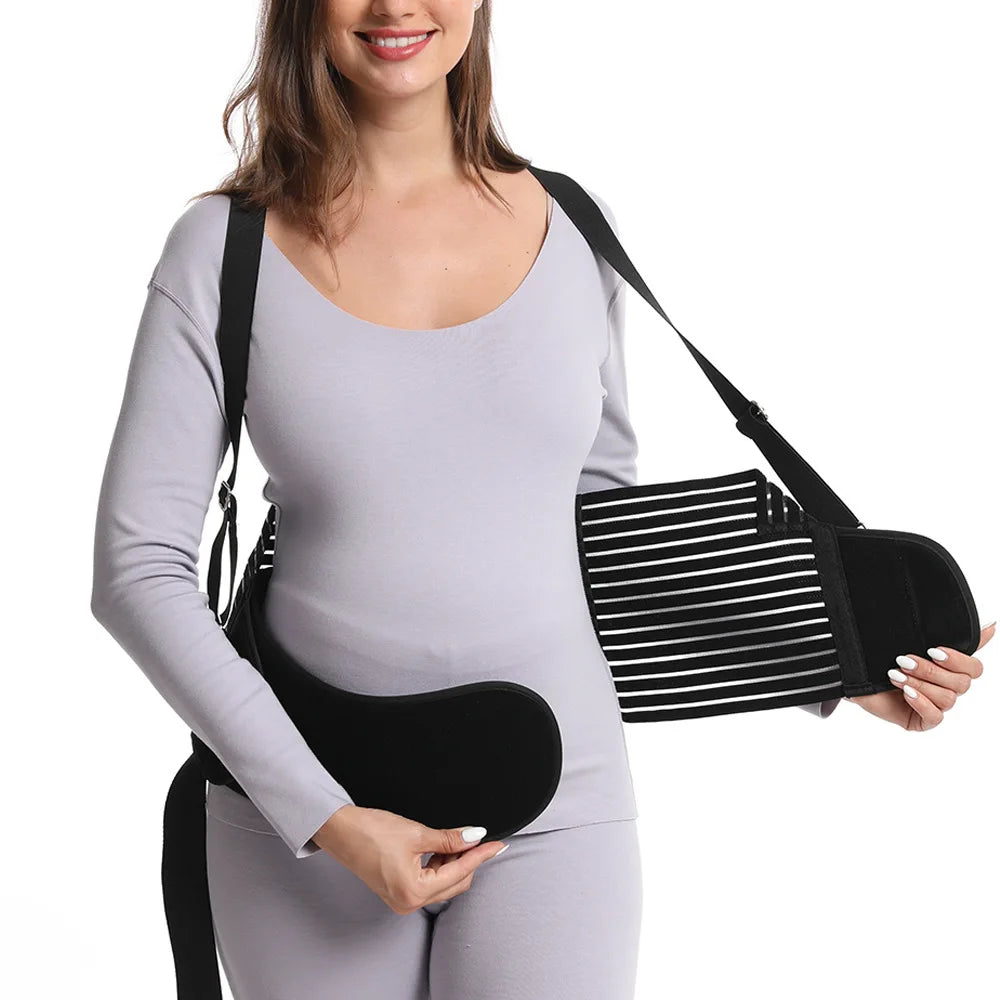
Back support belt for pregnancy with lumbar support pregnancy features 💡 See it in action
Why many moms switch mid-pregnancy
It’s common to start with a belly band and later move to a maternity back support belt. As belly weight increases, abdominal muscles stretch and posture changes more dramatically.
This is when lumbar support pregnancy features become crucial. Moms often report improved sleep, easier walking, and less end-of-day soreness after switching.
Support tools are often paired with relaxation aids found in Massage & Relaxation collections to ease muscle tension further.
How to choose the right support for your lifestyle
- Identify where your pain starts (lower back, hips, belly).
- Consider how long you stand or walk daily.
- Check adjustability as your body changes.
- Prioritize breathable materials for all-day comfort.
If you’re on your feet often, a structured maternity back support is usually the safer long-term choice. For light activity or early pregnancy, a belly band may be enough.
Recommended option many moms trust
A well-designed maternity back support belt like this pregnancy abdominal support belt combines adjustable compression with targeted lumbar stability—without feeling bulky.
It’s often featured alongside comfort solutions in Sleep & Comfort for moms seeking better rest during later trimesters.
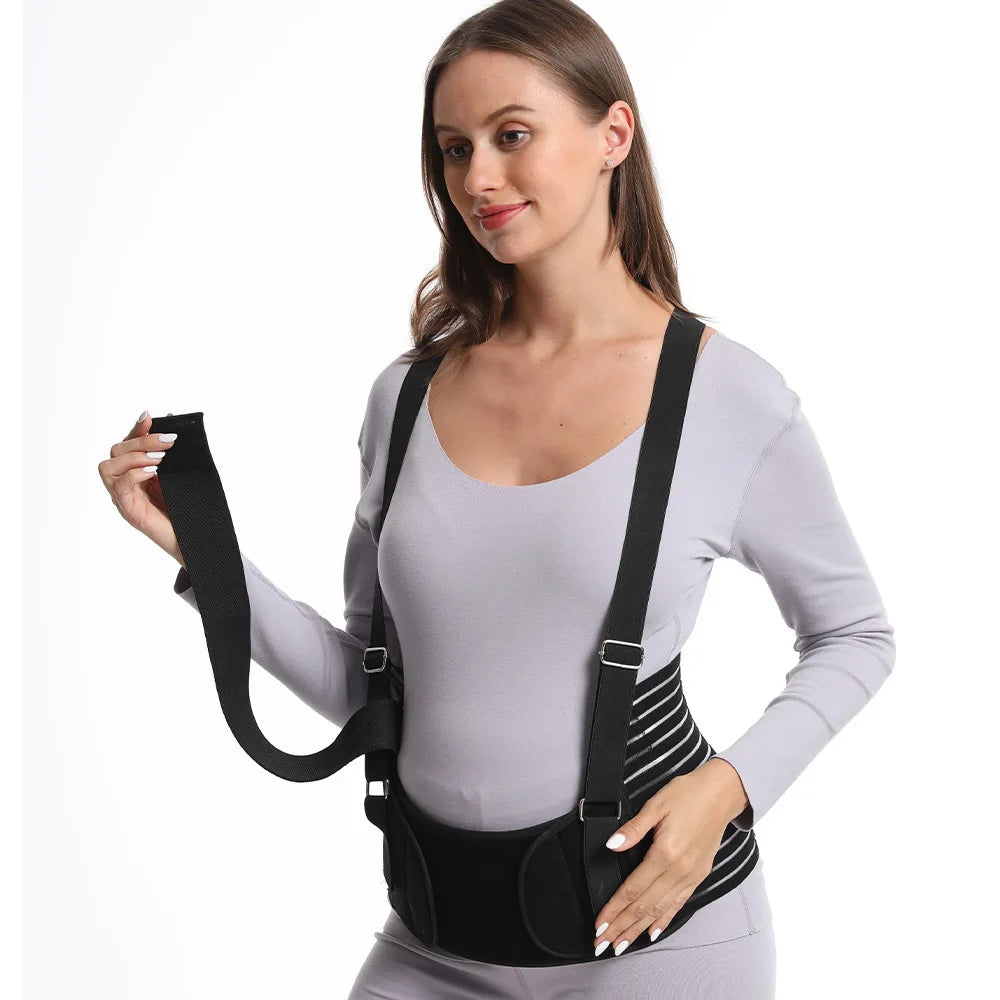
Maternity back support belt designed for daily relief 💡 See it in action
What real moms say after using maternity back support
- “I could finally grocery shop without stopping every aisle.”
- “My lower back pain dropped within a week.”
- “Wish I had switched sooner instead of pushing through pain.”
Across reviews, posture improvement and reduced fatigue are the most mentioned benefits—especially for moms balancing work, home, and pregnancy.
Mini FAQ
Can I wear maternity back support all day?
Most maternity back support belts are safe for daily wear, but it’s best to remove them while resting or sleeping unless advised otherwise.
Is a belly band enough for third trimester pain?
For many moms, belly bands feel too soft late in pregnancy. Structured back support often provides stronger relief.
Can I combine both?
Yes. Some moms alternate depending on activity level, using a belly band at home and back support for outings.
Related Guide: Pregnancy Belly Support Band Comparison: Which Fits Best?





