

Maternity Driving Safety Belt: How to Reduce Discomfort
Does a maternity driving safety belt really reduce belly pressure?
A maternity driving safety belt helps reposition lap and shoulder straps so pressure is directed away from the abdomen. By guiding the belt lower across the hips, it eases discomfort, improves posture, and supports safer positioning for pregnant drivers dealing with a seat belt tightened on pregnant belly.
Maternity Driving Safety Belt: How to Reduce Discomfort
⏱ 6 min read
Maternity driving safety belt solutions can completely change how expectant moms feel behind the wheel. If driving has started to feel tense, restrictive, or painful, you’re not alone. This guide walks through practical, real-world ways to reduce pressure, regain comfort, and feel more confident every time you drive.
Which simple change could instantly make your next drive more comfortable? Read on to find out.
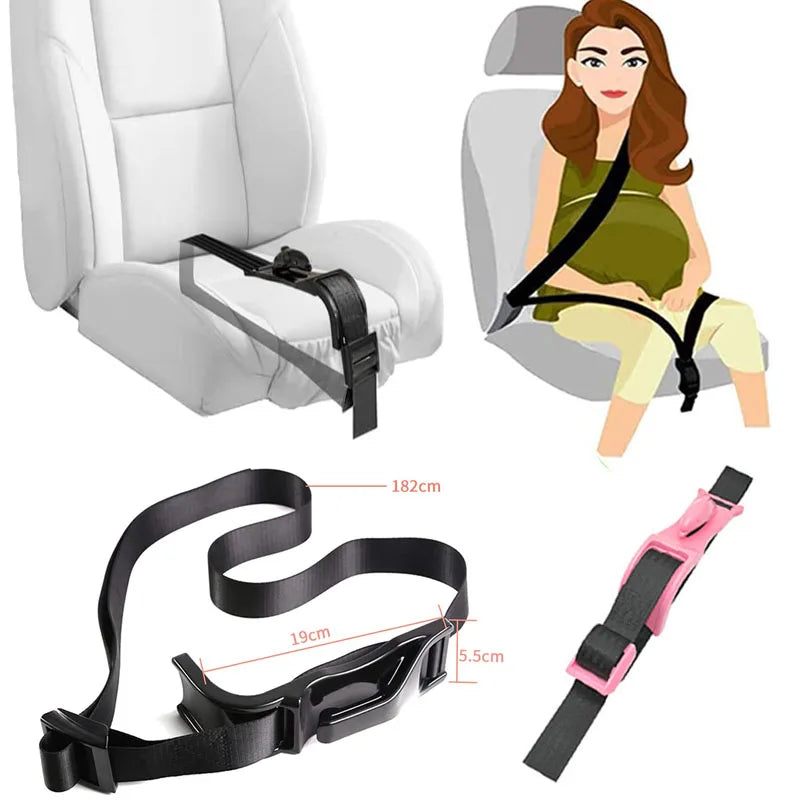
Maternity driving safety belt positioning to relieve uncomfortable seat belt during pregnancy 💡 See it in action
👉 Curious how small adjustments can protect your comfort and confidence? Explore practical solutions designed for everyday driving.
Why Seat Belts Feel Uncomfortable During Pregnancy
As your body changes, the way a seat belt fits changes too. A growing belly often pushes the lap belt upward, creating a seat belt tightened on pregnant belly feeling that can be distracting and stressful.
- Expanding abdomen shifts belt position
- Increased sensitivity around the midsection
- Longer drives amplify pressure points
- Standard belt design isn’t pregnancy-specific
These factors combine to make an uncomfortable seat belt during pregnancy one of the most common complaints among expectant drivers.
What Is a Maternity Driving Safety Belt?
A maternity driving safety belt is a simple adjustment tool that redirects the lap belt away from the belly and anchors it lower across the hips. This reduces pressure while maintaining proper restraint positioning for everyday driving.
Unlike bulky add-ons, a quality adjuster works with your existing seat belt system and stays in place throughout your drive.
👉 Learn how one small addition can change your entire driving experience. See the pregnancy car seat belt adjuster here.
Step-by-Step: Adjusting Your Seat Belt for Comfort
Follow these steps to immediately reduce pressure and improve comfort:
- Sit upright with your back fully supported by the seat.
- Position the lap belt low across your hips, below the belly.
- Attach the maternity driving safety belt adjuster to anchor the belt downward.
- Ensure the shoulder strap rests between your breasts, not against your neck.
This setup helps stabilize the belt so it doesn’t ride up during stops or turns.
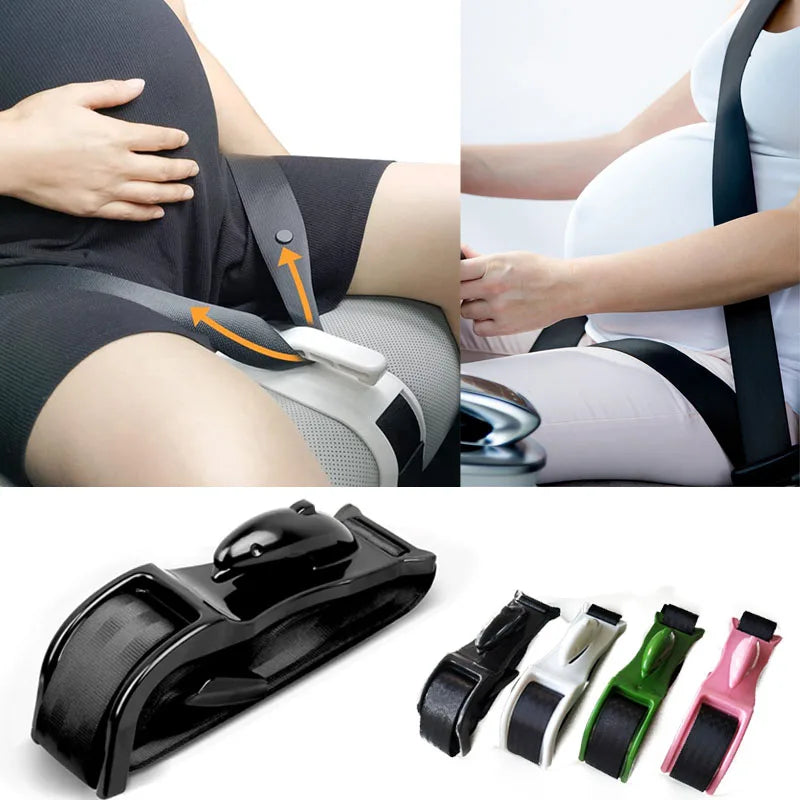
How a maternity driving safety belt reduces seat belt tightened on pregnant belly 💡 See it in action
👉 Want a smoother, pressure-free ride? Adjust once and feel the difference every time you drive.
Common Mistakes That Increase Belly Pressure
Many drivers unintentionally worsen discomfort by making these common errors:
- Allowing the lap belt to rest across the belly
- Leaning too far back, causing belt slack
- Ignoring seat height and steering wheel distance
- Skipping adjustments on short trips
A maternity driving safety belt helps prevent these issues by maintaining consistent belt placement.
Understanding Pregnancy Driving Restrictions
Pregnancy driving restrictions aren’t always about stopping driving altogether. Instead, they focus on reducing strain and avoiding unnecessary discomfort.
Helpful practices include:
- Limiting continuous driving time
- Taking stretch breaks every 60–90 minutes
- Adjusting mirrors to reduce twisting
- Using comfort supports for longer trips
Combining these habits with proper belt positioning creates a safer, calmer driving routine.
Who Benefits Most From a Safety Belt Adjuster?
This solution is especially helpful for:
- Drivers in the second and third trimester
- Those commuting daily or driving long distances
- Moms experiencing abdominal sensitivity
- Anyone feeling distracted by belt pressure
It pairs naturally with comfort-focused essentials from Mom Essentials and supportive options in Health & Safety.
Comfort Comparison: Standard vs Adjusted Belt
| Feature | Standard Seat Belt | Maternity Driving Safety Belt |
|---|---|---|
| Belly pressure | High | Reduced |
| Lap belt stability | Shifts upward | Stays anchored |
| Long-drive comfort | Limited | Improved |
| Daily usability | Inconsistent | Consistent |
What Real Moms Say
“I didn’t realize how tense driving had become until I tried an adjuster. The pressure disappeared instantly.” — Amanda, 28 weeks
“My commute feels manageable again. No more adjusting the belt every five minutes.” — Lauren, 32 weeks
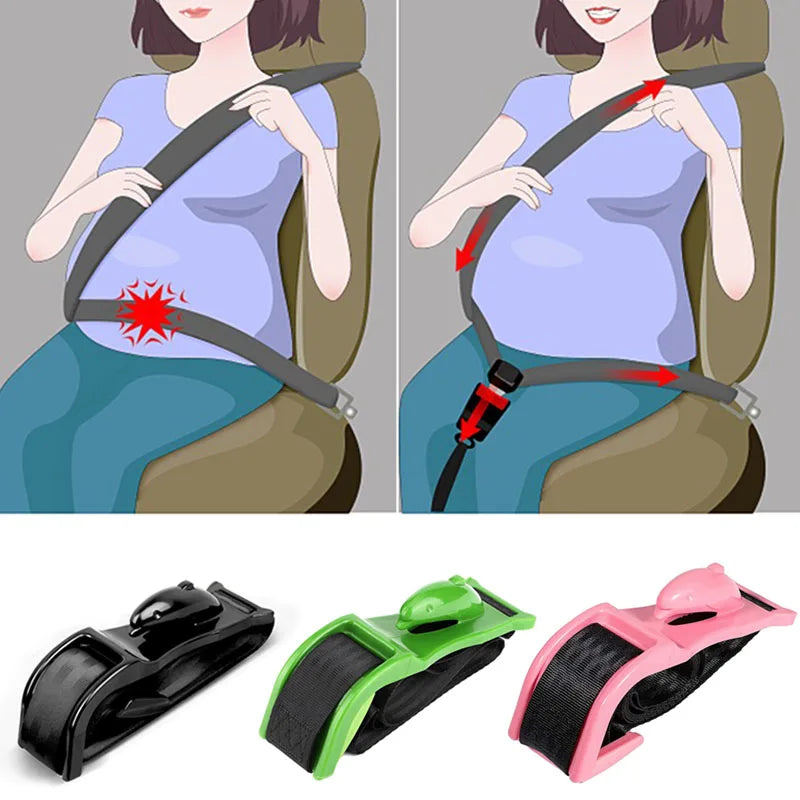
Daily comfort with a maternity driving safety belt for uncomfortable seat belt during pregnancy 💡 See it in action
👉 Ready to feel this difference yourself? Get your pregnancy car seat belt adjuster today.
Quick FAQs
Can I use a maternity driving safety belt on short trips?
Yes. Even brief drives can cause pressure if the belt rides up. Using an adjuster consistently helps maintain proper positioning every time.
Does it work in any car?
Most adjusters are designed for standard vehicle seats and belts, making them compatible with sedans, SUVs, and compact cars.
When should I start using one?
Many drivers benefit as early as the second trimester, especially once the belly begins to affect lap belt placement.
👉 Make every drive calmer, safer, and more comfortable—starting today.
Related Guide: Safe Seat Belt for Pregnancy: Step-by-Step Setup Guide





