

Newborn Soothing Techniques: Easy Methods That Work
Do newborn soothing techniques really work?
Newborn soothing techniques work by meeting a baby’s basic needs for comfort, rhythm, and security. When used consistently, these methods can reduce crying, help an infant settle faster, and support longer sleep stretches. Gentle touch, predictable routines, and safe sleep practices often bring noticeable calm within minutes.
Newborn Soothing Techniques: Easy Methods That Work
Newborn soothing techniques can feel overwhelming when you are exhausted and your baby seems impossible to calm. If your infant keeps waking up or crying despite feeding and diaper changes, you are not alone. This guide walks you through simple, gentle ways to soothe a crying infant, explains newborn safe sleeping tips, and helps you understand what your baby truly needs to relax.
⏱ 7 min read
Gentle newborn soothing techniques help calm crying infants fast 💡 See it in action
Why Newborns Cry So Much
Newborns cry because it is their main form of communication. Hunger, discomfort, overstimulation, or the need for closeness can all trigger tears. Many parents worry they are doing something wrong, but crying is a normal part of early development.
Understanding this removes pressure and makes soothing feel more manageable. Instead of fixing everything at once, you can respond calmly and try one method at a time.
Fast Newborn Soothing Techniques That Calm Quickly
Newborn soothing techniques focus on recreating the comfort of the womb. The most effective methods use gentle motion, sound, and touch to signal safety.
What are the most effective newborn soothing techniques?
Newborn soothing techniques include gentle patting, rhythmic motion, soft sounds, and secure positioning. These methods calm the nervous system and help babies feel safe. When combined with a consistent routine, they often reduce crying and help newborns settle faster, especially during evening fussiness.
- Gentle patting: Slow, steady pats on the back or bottom mimic a heartbeat rhythm.
- Side or tummy hold: Holding baby securely on their side while awake can reduce startle reflex.
- Soft sound: White noise or a calm voice blocks sudden environmental noise.
- Slow movement: Rocking or swaying signals safety and predictability.
Many parents find these techniques easier when combined with calming aids from the Sleep & Comfort collection, designed to support restful routines.
A Step-by-Step Soothing Routine for Fussy Newborns
When emotions run high, having a simple plan makes a huge difference. This routine uses proven newborn soothing techniques that are easy to repeat.
- Check basic needs: feeding, diaper, temperature.
- Dim lights and reduce noise to avoid overstimulation.
- Hold baby close and begin gentle patting.
- Add slow rocking or swaying.
- Lay baby down once calm but still drowsy.
This routine pairs well with soft relaxation tools from Massage & Relaxation, which many parents use to keep movements consistent and calming.

Ways to soothe a crying infant using simple, repeatable routines 💡 See it in action
Newborn Safe Sleeping Tips That Support Better Rest
Safe sleep is not just about protection. It also helps babies feel secure enough to stay asleep longer.
How do newborn safe sleeping tips help babies calm down?
Newborn safe sleeping tips reduce sudden discomfort and startle reflexes that wake babies. A flat surface, firm mattress, and consistent sleep environment help newborns relax and stay asleep longer while supporting healthy development and peace of mind for parents.
- Place baby on their back for every sleep.
- Use a firm, uncluttered sleep surface.
- Maintain a comfortable room temperature.
- Keep lighting and noise consistent at bedtime.
Monitoring comfort levels is easier with simple tools from Monitoring Devices and Temperature Tools, which help parents adjust the environment before baby wakes.
Why Your Infant Keeps Waking Up at Night
If your infant keeps waking up, it is often due to light sleep cycles, gas discomfort, or overstimulation before bed. Night waking does not always mean hunger.
Try observing patterns. Does your baby wake after loud noises or sudden movements? Does feeding right before sleep lead to restlessness? Small adjustments can shorten wake-ups dramatically.
| Common Cause | What Helps |
|---|---|
| Startle reflex | Gentle patting and calm repositioning |
| Overstimulation | Earlier wind-down routine |
| Temperature discomfort | Check room and clothing layers |
Helpful Tools That Make Soothing Easier
Sometimes your arms need a break, and that is okay. Supportive tools can extend soothing without replacing parental comfort.
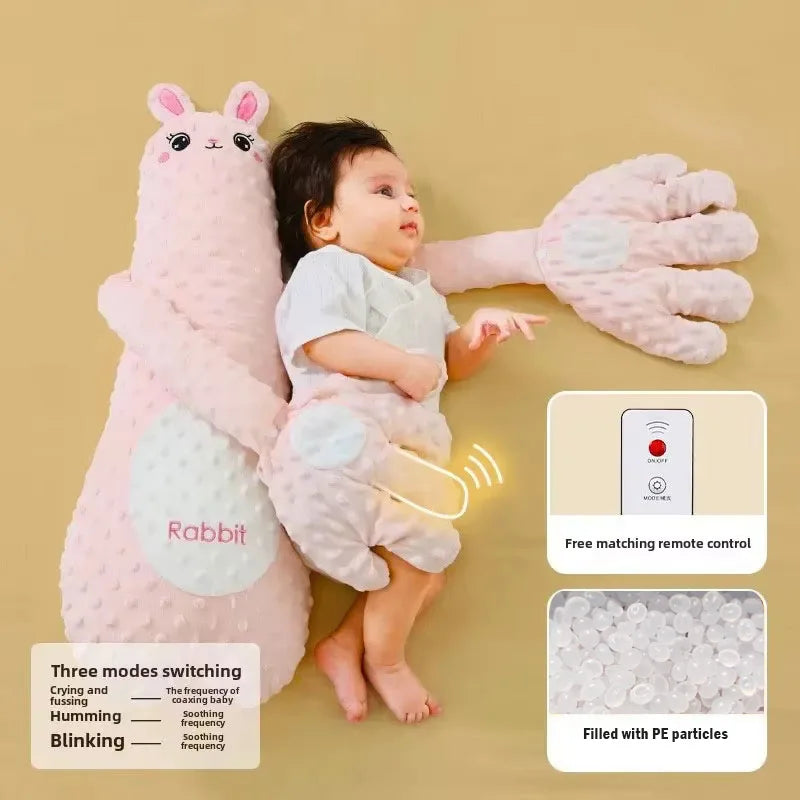
One popular option many parents explore is a gentle patting aid like the baby sleeping patting doll. Used during calming routines, it provides consistent rhythm that helps babies settle when parents step away.
Parents often pair soothing aids with essentials from Baby Care Essentials to keep nighttime routines smooth and predictable.

Newborn soothing techniques combined with calming tools for better sleep 💡 See it in action
What Real Parents Notice After Small Changes
Many parents report that once they commit to a consistent soothing routine, crying episodes shorten within days. Some notice fewer night wakings, while others say bedtime feels less stressful.
One parent shared that using gentle patting combined with a calm sleep environment helped their newborn settle in under five minutes instead of thirty.
Frequently Asked Questions
How long does it take for newborn soothing techniques to work?
Some babies respond immediately, while others need a few days of consistency. Most parents notice improvement within one week.
Are these techniques safe for all newborns?
Yes, when done gently and following safe sleep guidelines. Always stop if your baby seems uncomfortable.
Can soothing tools replace holding my baby?
No, they work best as support. Your presence and touch remain the most important calming factor.
Related Guide: Infant Soothing Techniques: Step-by-Step Guide for Calm Babies





