

Pregnancy Driving Safety Device: How to Protect Your Bump
Does pregnant belly seat belt pressure relief really work?
Pregnant belly seat belt pressure relief works by redirecting force away from the abdomen and toward safer areas like the hips and thighs. Using a purpose-built adjuster reduces discomfort caused by a seat belt tightened on pregnant belly, helping minimize pain while driving pregnant and improving confidence for any pregnant woman driving.
Pregnant Belly Seat Belt Pressure Relief: How Features Make a Difference
⏱ 7 min read
Pregnant belly seat belt pressure can quietly turn a simple drive into an uncomfortable, nerve-wracking experience. Many expectant moms notice that as their bump grows, the seat belt tightened on pregnant belly starts to dig in, causing pain while driving pregnant and constant worry about safety. The good news? Smart design features can dramatically change how a pregnant woman driving feels—bringing real relief, better posture, and peace of mind.
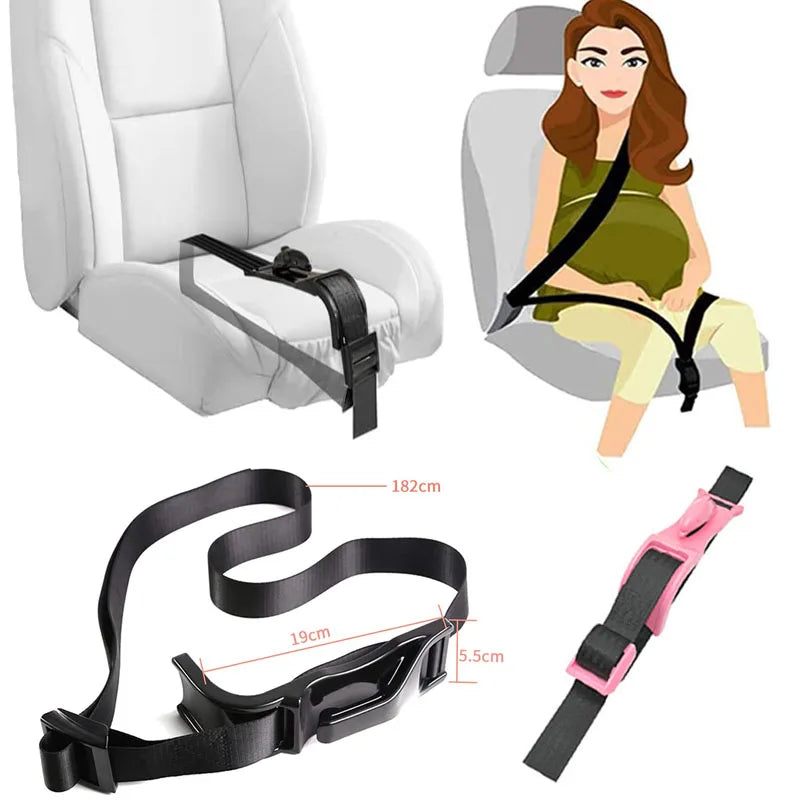
Relieve pregnant belly seat belt pressure and stay comfortable behind the wheel 💡 See it in action
Explore how modern comfort solutions support everyday trips with less stress.
Why Seat Belt Pressure Increases During Pregnancy
As pregnancy progresses, the abdomen naturally moves forward and upward. Traditional seat belts are designed for non-pregnant bodies, so the lap belt often rides up, creating pregnant belly seat belt pressure exactly where moms want it least.
- Growing belly changes belt positioning
- Longer drives amplify pressure points
- Improper belt fit leads to pain while driving pregnant
- Constant readjusting distracts a pregnant woman driving
This discomfort isn’t just annoying—it can affect posture, breathing, and overall confidence on the road.
Features That Truly Reduce Belly Pressure
Pregnant belly seat belt pressure relief comes down to how well a device manages force distribution. The right features don’t just soften the belt—they change how pressure travels through the body.
How pressure redistribution protects comfort and safety
Pregnant belly seat belt pressure is reduced when force is guided away from the abdomen and toward stronger areas like the hips. A well-designed adjuster anchors the belt low, preventing it from riding up during sudden stops or long drives.
- Keeps belt positioned below the belly
- Reduces direct abdominal compression
- Helps maintain correct seating posture
- Minimizes constant readjustment
Why a secure, non-slip fit matters
A common complaint is that add-ons slide or loosen. Advanced designs use reinforced straps and locking points to stay put, even when getting in and out of the car multiple times a day.
Comfort materials that make long drives easier
Soft-touch padding and breathable materials prevent chafing and heat buildup. This is especially important for moms experiencing pain while driving pregnant during commutes or road trips.
See why more expectant moms are choosing purpose-built solutions.
How This Approach Compares to Other Options
| Option | Comfort | Stability | Pressure Relief |
|---|---|---|---|
| Standard seat belt | Low | High | Minimal |
| Cushion add-ons | Medium | Low | Inconsistent |
| Pregnancy seat belt adjuster | High | High | Targeted |
Compared to cushions or improvising with clothing, a dedicated adjuster offers predictable, repeatable relief—especially important for daily drivers.
Many moms pair this solution with other comfort-focused items from Mom Essentials to create a more supportive daily routine.
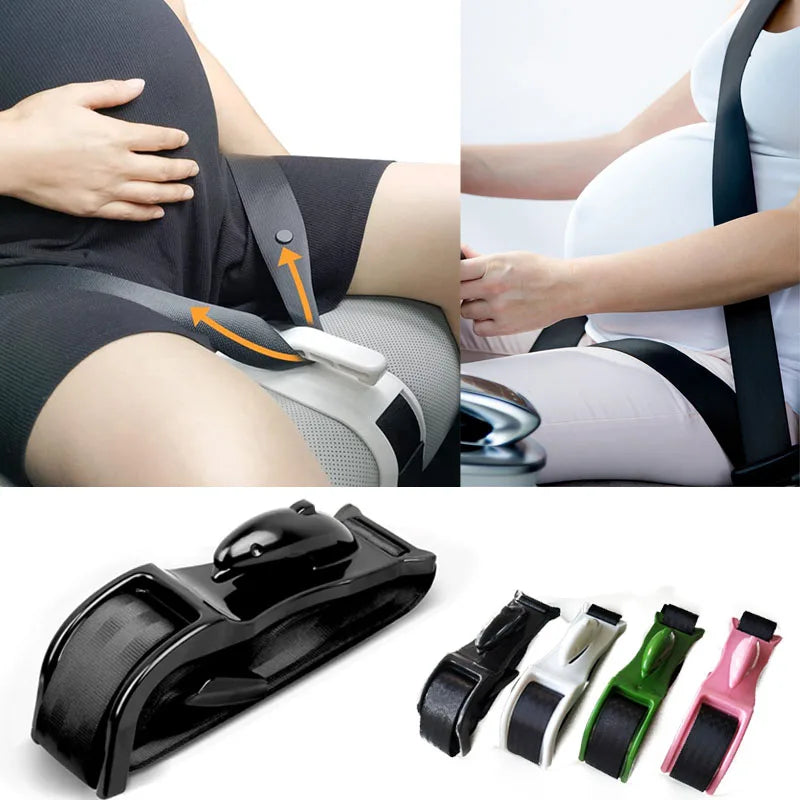
When a seat belt tightened on pregnant belly feels better positioned, driving confidence improves 💡 See it in action
Real-Life Results for Pregnant Women Driving
Feedback from expectant moms highlights consistent benefits after switching to a pressure-relief solution:
- Less abdominal discomfort during commutes
- Reduced lower back strain from better posture
- Improved focus without constant belt adjustments
- Greater peace of mind on highways and city roads
One mom shared that her daily 40-minute commute went from stressful to manageable once pregnant belly seat belt pressure was no longer a constant distraction.
For families prioritizing safety, pairing driving comfort with items from Health & Safety helps support overall well-being throughout pregnancy.
How to Use a Seat Belt Adjuster Safely
- Attach the adjuster securely to the vehicle seat base.
- Position the lap belt low across the hips, below the belly.
- Ensure straps are snug but not restrictive.
- Check positioning before each drive.
Used correctly, the adjuster works with your car’s existing safety system—no bulky modifications required.
Comfort Beyond the Car
Reducing pain while driving pregnant often has ripple effects. Moms report arriving less tense, with fewer aches that carry into the rest of the day. Many complement this relief with relaxation-focused products from Massage & Relaxation or rest aids from Sleep & Comfort.
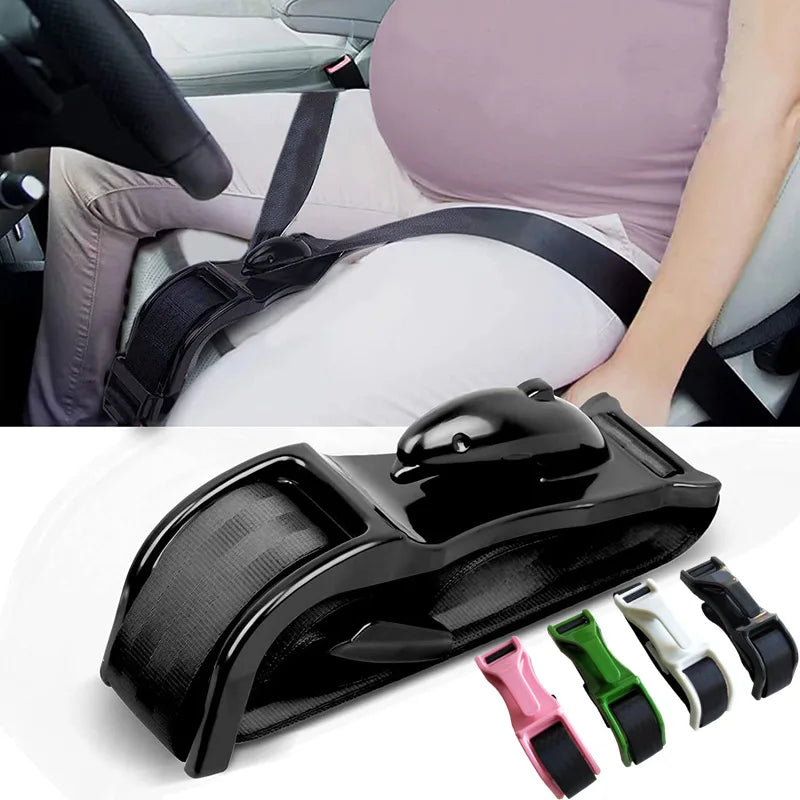
Less pain while driving pregnant means more energy for what matters 💡 See it in action
Frequently Asked Questions
Can a seat belt adjuster really reduce pregnant belly seat belt pressure?
Yes. By keeping the lap belt positioned low and stable, an adjuster minimizes direct abdominal pressure and helps reduce pain while driving pregnant.
Is it safe for a pregnant woman driving every day?
When used as directed, the adjuster works with the vehicle’s safety system, improving comfort without interfering with normal belt function.
Will it fit most cars?
Most designs are compatible with standard vehicle seats, making them suitable for sedans, SUVs, and family cars commonly used by expectant parents.
Related Guide: Safe Seat Belt for Pregnancy: Step-by-Step Setup Guide





