

Reduce Dry Air in Bedroom for Sensitive Skin and Better Comfort
Does reducing dry air in the bedroom really work?
Yes—reduce dry air in bedroom spaces by restoring balanced moisture (40–50%) to protect sensitive skin, ease nasal and throat dryness, and improve sleep comfort. A quiet bedroom humidifier delivers steady, low-noise hydration through the night, helping prevent waking up with dry throat and keeping your room at the optimal humidity level for bedroom health.
Reduce Dry Air in Bedroom for Sensitive Skin and Better Comfort
⏱ 6 min read — Reduce dry air in bedroom comfort without guesswork by targeting moisture where your skin needs it most. If you’re waking up with dry throat or itchy skin, the fix isn’t louder machines or higher heat—it’s balance. A quiet bedroom humidifier can restore the optimal humidity level for bedroom health, protecting sensitive skin, easing congestion, and improving sleep quality. But how do you dial it in safely without over-humidifying or mold?

Reduce dry air in bedroom for sensitive skin with a quiet bedroom humidifier — 💡 See it in action
Which bedroom setup helps sensitive skin most—warm air alone or balanced humidity? Read on!
Why Dry Air Hurts Sensitive Skin (and Your Sleep)
Dry indoor air pulls moisture from your skin and airways. Overnight, that can mean tight, itchy skin, flaky patches, irritated sinuses, and waking up with dry throat. Heaters and winter weather make it worse, but even air-conditioned rooms can dip below healthy humidity.
- Skin barrier stress: Low humidity accelerates water loss, worsening sensitivity.
- Nasal and throat dryness: Leads to scratchy mornings and congestion.
- Sleep disruption: Discomfort causes tossing, turning, and shallow sleep.
- Static and frizz: Signs your air is too dry for comfort.
How to Reduce Dry Air in Bedroom—Safely and Effectively
Reduce dry air in bedroom spaces by adding clean, consistent moisture at night while keeping noise and mist gentle. A properly sized, low-noise ultrasonic unit maintains steady hydration without over-humidifying or leaving surfaces damp.
Reduce dry air in bedroom rooms by keeping humidity between 40–50% with a quiet ultrasonic humidifier, placing it 3–6 feet from your bed, and using clean water nightly. This balance helps prevent waking up with dry throat, supports sensitive skin, and keeps the air comfortable without condensation.
Pair your setup with simple habits: close the door to contain moisture, crack a window briefly for fresh air before bed, and avoid blasting heat overnight.
What Is the Optimal Humidity Level for Bedroom Comfort?
The optimal humidity level for bedroom comfort sits between 40–50%. Below 30% feels parched; above 60% invites condensation and mold risk. A digital hygrometer removes guesswork so you can dial in the sweet spot.
| Humidity | How It Feels | What to Do |
|---|---|---|
| Below 30% | Dry skin, scratchy throat, static | Add moisture with a humidifier |
| 40–50% | Comfortable, breathable air | Maintain for best sleep |
| Above 60% | Clammy, condensation risk | Ventilate or lower output |
How a Quiet Bedroom Humidifier Improves Night Comfort
If noise wakes you easily, a quiet bedroom humidifier is essential. Ultrasonic misting disperses fine moisture without the fan roar, helping light sleepers stay asleep.
- Low-noise operation: Designed for nurseries and bedrooms.
- Even mist: Keeps moisture consistent all night.
- Large tank: Fewer refills for uninterrupted sleep.
- Auto-shutoff: Safety when water runs low.
Looking to build a calmer sleep zone? Explore Sleep & Comfort and Beauty & Wellness for gentle, nighttime-friendly essentials.
Step-by-Step: Set Up Your Bedroom for Balanced Moisture
- Place smartly: Set the humidifier on a stable surface 3–6 feet from your bed.
- Fill with clean water: Distilled or filtered reduces mineral dust.
- Set output low-to-medium: Aim for steady, gentle mist.
- Check humidity: Keep 40–50% using a hygrometer.
- Close the door: Contain moisture overnight.
- Vent briefly in the morning: Refresh the room.
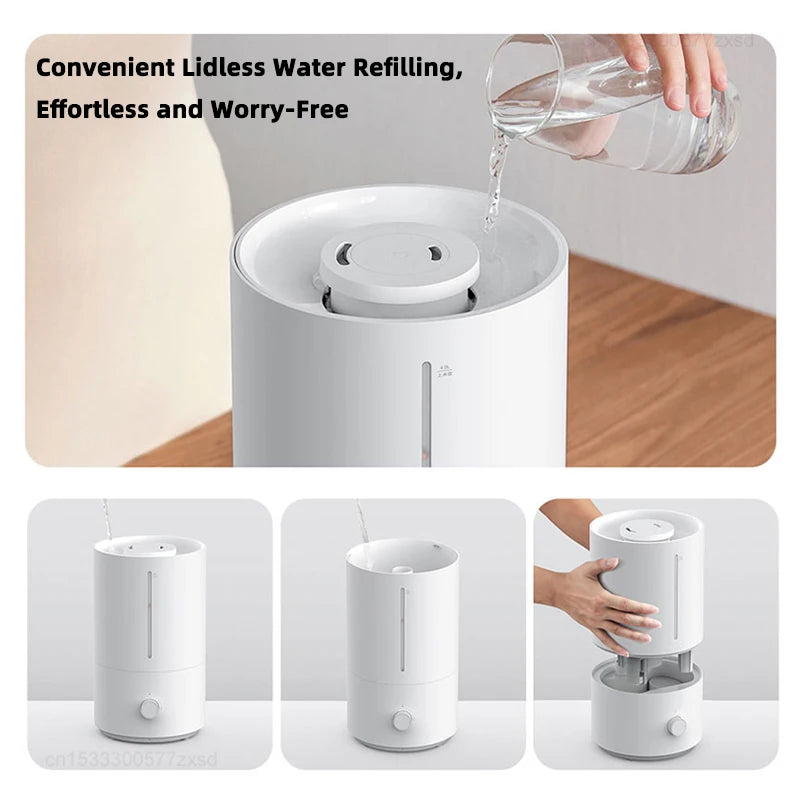
Quiet bedroom humidifier for the optimal humidity level for bedroom comfort — 💡 See it in action
Real Stories: From Waking Up With Dry Throat to Restful Mornings
“I used to wake up with dry throat every winter.” — Maya, AZ
“After keeping our room at 45% humidity, my sinuses feel clear and my skin doesn’t itch anymore. The low-noise mist means I don’t even notice it running.”
“Sensitive skin runs in our family.” — Jordan, CO
“Balanced moisture stopped the flaky patches around my nose and cheeks. Sleep feels deeper because the air is easier to breathe.”
“Heaters made our bedroom unbearable.” — Sam, MN
“Now we set a gentle output and let it run through the night. No more dry coughs in the morning.”
Humidifier vs. Other Fixes: What Works Best?
| Option | Pros | Limits |
|---|---|---|
| Quiet ultrasonic humidifier | Targeted moisture, low noise, consistent output | Needs weekly cleaning |
| Room plants | Natural look, minor moisture boost | Too small for winter dryness |
| Bowls of water | Simple, no power | Unreliable, slow evaporation |
| Lowering heat | Reduces dryness | Can make room cold |
For families building a safer home environment, browse Health & Safety and Monitoring Devices to keep tabs on air comfort and room conditions.
Care, Safety, and Mold Prevention
- Daily rinse: Empty and air-dry the tank each morning.
- Weekly clean: Use mild vinegar solution to remove buildup.
- Use clean water: Reduces white dust on furniture.
- Watch surfaces: If you see condensation, lower output.
- Replace filters (if included): Keep mist fresh.
Is This Bedroom Humidifier Right for You?
If your goals include reducing irritation, preventing waking up with dry throat, and keeping sensitive skin calm overnight, a low-noise ultrasonic model with a large tank is a strong fit. It’s ideal for light sleepers, heated homes, and anyone chasing the optimal humidity level for bedroom comfort.
Designed for:
- Dry winter climates and heated apartments
- Air-conditioned bedrooms
- Sensitive skin and sinus comfort
- Nursery-safe, low-noise environments
Explore calming bedtime routines in Massage & Relaxation and gentle nighttime gear in Sleep & Comfort.
Featured product: Ultrasonic Humidifier 4L (Low Noise) — built for steady, whisper-quiet moisture through the night.
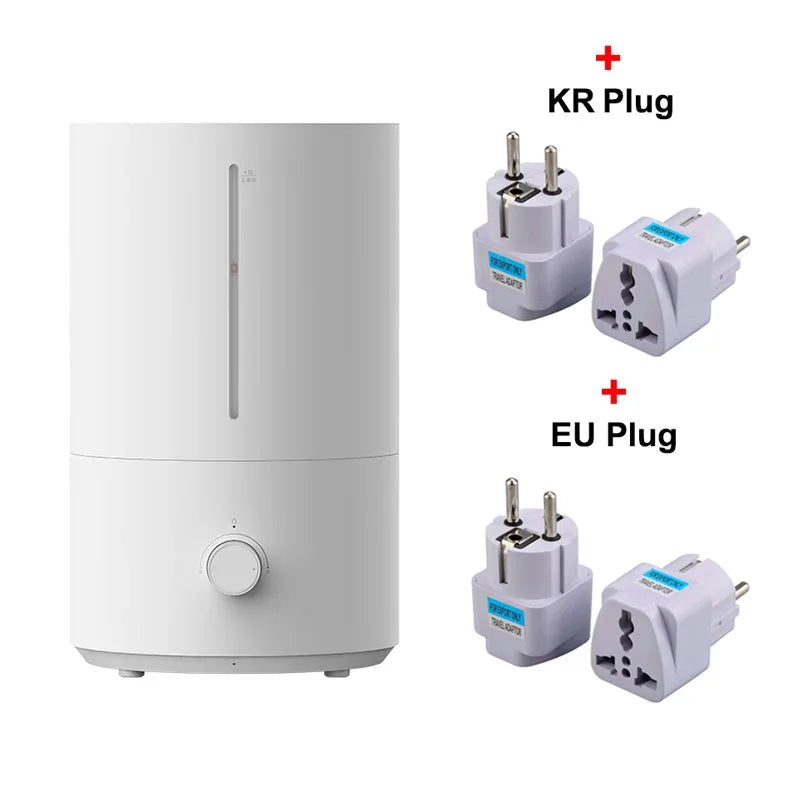
Reduce dry air in bedroom and stop waking up with dry throat — 💡 See it in action
Ultrasonic Humidifier 4L (Low Noise)
Mini-FAQ
What humidity should a bedroom be at night?
Most people sleep best at 40–50% humidity. This range supports skin hydration, eases nasal passages, and avoids condensation that can lead to mold.
Can a humidifier help with waking up with dry throat?
Yes. Adding gentle moisture overnight keeps airways from drying out, which reduces scratchiness and morning discomfort.
Is a quiet bedroom humidifier safe for all-night use?
Choose a model with auto-shutoff and place it on a stable surface away from bedding. Keep output moderate and clean weekly.
How long should I run a humidifier in the bedroom?
Run it through the night to maintain steady humidity, then ventilate briefly in the morning to refresh the room.
Will higher humidity help sensitive skin?
Balanced humidity slows moisture loss from skin, helping calm tightness and flaking—especially in heated or air-conditioned rooms.
Related Guide: Is a Humidifier Good for Skin? Who Benefits Most and Why





