

Reduce noise for sleeping baby with simple setup steps
How can parents reduce noise for a sleeping baby at home?
Reduce noise for sleeping baby by combining smart room setup, consistent sound masking, and safe volume limits. Simple steps like sealing sound leaks, using infant sleep sound white noise, and keeping safe noise levels for newborns (under 50 dB) help babies fall asleep faster and stay asleep longer without overstimulating sensitive ears.
Reduce noise for sleeping baby with simple setup steps
Reduce noise for sleeping baby doesn’t require a silent house or expensive renovations. With a few thoughtful setup steps, parents can protect infant sleep, lower stress, and create a calm, predictable environment that supports longer rest—even when everyday household sounds can’t be avoided.
⏱ 7 min read
Does your baby wake up the moment a door closes, a sibling laughs, or traffic passes by? You’re not alone. Many parents struggle with unpredictable noise disrupting naps and nighttime sleep. The good news: you can control most of it with simple, proven adjustments.
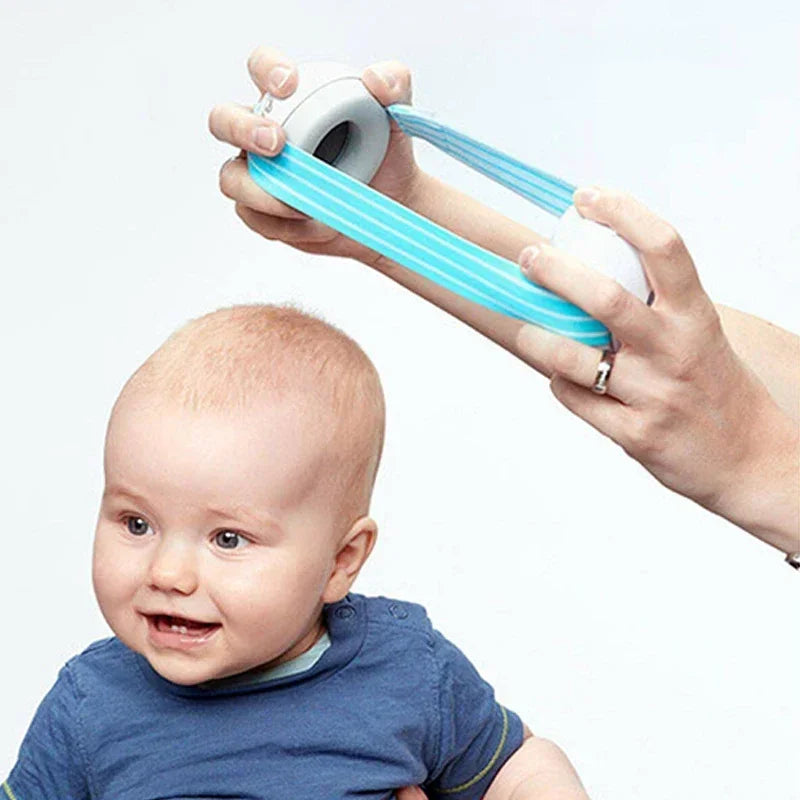
Reduce noise for sleeping baby with infant sleep sound white noise and smart placement 💡 See it in action
Why reducing noise helps babies sleep longer
Newborns and infants spend more time in lighter sleep stages than adults. Sudden sounds can easily trigger startle reflexes, waking them fully. Practicing infant sleep noise control helps babies transition between sleep cycles without interruption.
- Fewer sudden wake-ups during naps
- Longer nighttime sleep stretches
- Lower stress for both baby and parents
- More predictable daily routines
Parents who manage sound effectively often notice calmer bedtime routines within days, not weeks.
Simple setup steps to reduce noise for sleeping baby
Reduce noise for sleeping baby by layering small changes instead of relying on one solution. These steps work together to soften sharp sounds and create a steady background.
- Choose the quietest room available – Away from streets, kitchens, and living areas.
- Position crib strategically – Avoid shared walls with noisy spaces.
- Use soft furnishings – Rugs, curtains, and wall décor absorb sound.
- Add consistent sound masking – Gentle background noise smooths sudden spikes.
How infant sleep sound white noise supports deeper rest
Infant sleep sound white noise works by masking unpredictable sounds like voices or doors. Instead of complete silence, babies hear a steady, soothing sound that feels familiar—similar to the womb environment.
When used correctly, white noise can:
- Shorten time needed to fall asleep
- Reduce startle responses
- Support longer naps
- Help babies self-settle between sleep cycles
Many parents pair white noise with products from the Sleep & Comfort collection to create a consistent bedtime routine.
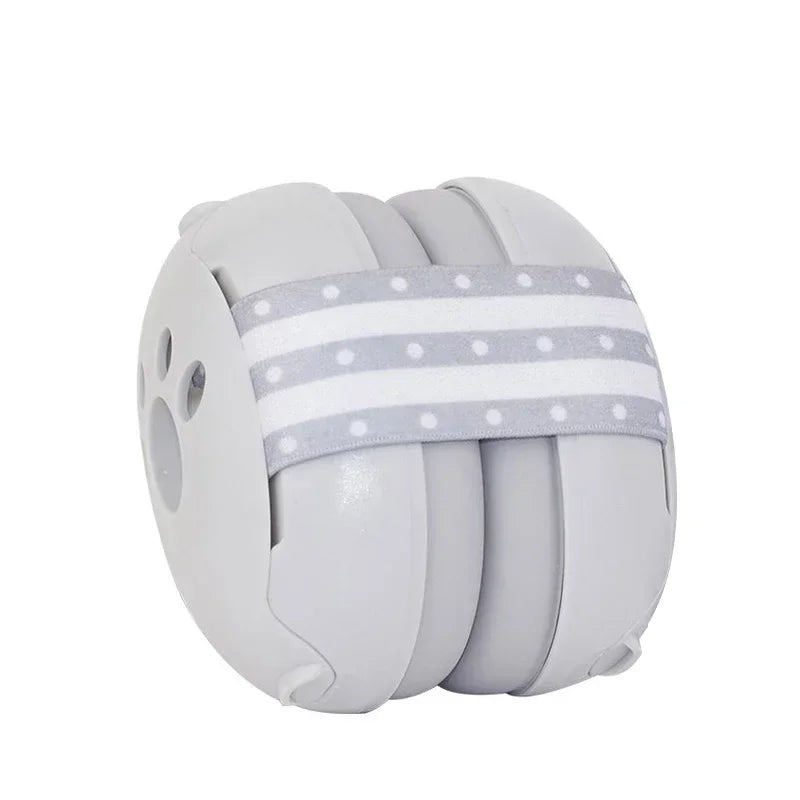
Infant sleep noise control using gentle white noise and safe setup 💡 See it in action
Room sealing and placement that actually reduce noise
Before adding devices, look at how sound enters the room. Small gaps let in more noise than you might expect.
- Use draft stoppers at doors
- Close unused vents during sleep times
- Hang thicker curtains over windows
- Place bookshelves against shared walls
These low-cost adjustments significantly reduce sharp sounds without changing your home layout.
Safe noise levels for newborns explained simply
Safe noise levels for newborns stay below 50 decibels—about the sound of gentle rainfall. Louder volumes may interfere with hearing development or cause overstimulation.
| Sound Level | Example | Safe for Sleep? |
|---|---|---|
| 30–40 dB | Soft hum, quiet fan | Yes |
| 45–50 dB | Gentle white noise | Yes |
| 60+ dB | Conversation, TV | No |
Products designed with safety in mind, often found in Health & Safety, help parents stay within recommended limits.
Daily habits that reinforce a quieter sleep environment
Noise control works best when paired with predictable routines. Babies learn when it’s time to rest, even if background sounds vary.
- Run white noise before sleep begins
- Dim lights consistently
- Keep voices low near sleep times
- Follow the same nap and bedtime order daily
Consistency builds trust and comfort, helping babies settle more easily.
Common noise-control mistakes to avoid
- Placing sound sources too close to the crib
- Using volume levels that are too high
- Turning noise on and off inconsistently
- Relying on silence instead of sound masking
A balanced approach keeps sleep protective without creating dependence.

Safe noise levels for newborns combined with smart setup steps 💡 See it in action
Frequently asked questions
Can white noise be used all night?
Yes, as long as it stays within safe noise levels for newborns and the sound source is placed several feet away from the crib.
Will reducing noise make my baby dependent on white noise?
Most babies adapt easily. Gradual volume reduction over time helps maintain flexibility without disrupting sleep.
Is complete silence better for infant sleep?
No. Complete silence can make babies more sensitive to sudden sounds. Gentle, consistent background noise is usually more effective.
Related Guide: How to protect baby hearing at home and outdoors





