

Heated eye mask vs relaxation eye mask for Sleep – Benefits?
Does a relaxation eye mask really help you sleep better?
A relaxation eye mask helps calm overstimulated eyes by blocking light, applying gentle pressure, and signaling your body to unwind. Used consistently, a relaxation eye mask supports eye relaxation before sleep, reduces screen fatigue, and promotes sleep aid eye relaxation without medication or digital devices.
Relaxation Eye Mask vs Heated Mask for Nighttime Relief
⏱ 6 min read
Long days, glowing screens, and never-ending to-do lists can leave your eyes feeling wired when your body is ready for rest. If you’ve ever laid in bed with tired but restless eyes, you’re not alone. The question many people ask is simple: should you choose a relaxation eye mask or a heated eye mask for sleep to get real nighttime relief?
Which option actually helps your eyes relax before sleep—and fits safely into a calming bedtime routine? Let’s break it down with clear comparisons, real-life use cases, and honest pros and cons so you can choose what works best tonight.
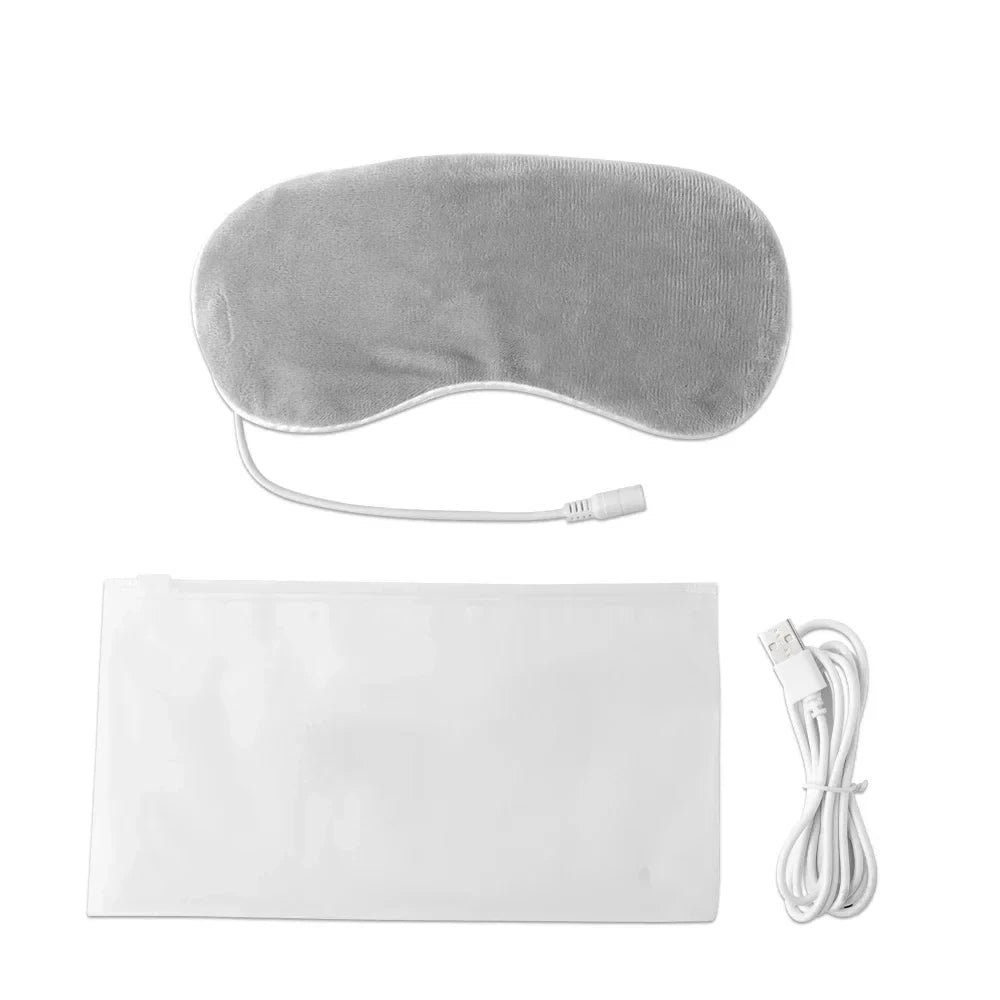
Relaxation eye mask for eye relaxation before sleep and gentle nighttime eye relief 💡 See it in action
What Is a Relaxation Eye Mask and How Does It Work?
A relaxation eye mask is designed to calm your eyes by blocking light and applying soft, even pressure around the eye area. The primary goal is eye relaxation before sleep—helping your nervous system shift from alert mode into rest.
Unlike heat-based options, a relaxation eye mask focuses on sensory quiet: darkness, comfort, and gentle compression. This makes it especially appealing for bedtime relaxation eye care when you want something simple, consistent, and safe for nightly use.
Why many people prefer a relaxation eye mask at bedtime
- Blocks light completely, supporting melatonin release
- Provides calming pressure without warmth
- Safe for long wear throughout the night
- Ideal for screen fatigue relief and racing thoughts
For households focused on comfort and wellness, relaxation eye masks are often paired with other calming routines found in Massage & Relaxation or Sleep & Comfort collections to create a consistent wind-down ritual.
What Is a Heated Eye Mask for Sleep?
A heated eye mask for sleep uses gentle warmth to increase circulation around the eyes. Heat therapy can help soothe dryness, tension, and discomfort caused by long screen hours or environmental stress.
This option is often chosen for targeted relief rather than all-night wear. Many people use a heated eye mask for 10–20 minutes before bed as part of bedtime relaxation eye care.
When heat-based eye masks shine
- Relieving dry eye discomfort
- Soothing tight facial muscles
- Supporting recovery after long screen sessions
- Enhancing short-term relaxation before sleep
Some users combine warmth with wellness tools from Beauty & Wellness to support evening self-care routines focused on recovery and comfort.
Relaxation Eye Mask vs Heated Mask: Side-by-Side Comparison
| Feature | Relaxation Eye Mask | Heated Eye Mask |
|---|---|---|
| Primary benefit | Calms nervous system, blocks light | Relieves dryness and muscle tension |
| Wear duration | All night | Short sessions (10–20 min) |
| Best for | Sleep aid eye relaxation | Targeted eye comfort |
| Safety for overnight use | High | Limited |
| Maintenance | Minimal | Requires heating or charging |
If your goal is long-lasting nighttime eye relief, this comparison often highlights why many users start with a relaxation eye mask and add heat only when needed.
Which Works Faster for Nighttime Relief?
A relaxation eye mask works almost immediately by reducing visual stimulation and signaling your brain to rest. For people sensitive to light or overstimulation, this fast sensory quiet can feel calming within minutes.
A heated eye mask for sleep may take slightly longer, as warmth builds gradually. Its effects are often felt as physical comfort rather than mental quiet.
In many real-life routines, people report using heat briefly, then switching to a relaxation eye mask for overnight comfort and uninterrupted rest.

Using a relaxation eye mask for bedtime relaxation eye care and screen fatigue relief 💡 See it in action
Which Eye Mask Fits Your Bedtime Routine Best?
Choosing between these options depends on how your eyes feel at night—and how you sleep.
Choose a relaxation eye mask if you:
- Struggle to fall asleep due to light or racing thoughts
- Want a safe, all-night solution
- Need consistent eye relaxation before sleep
- Prefer low-maintenance comfort
Choose a heated eye mask if you:
- Experience dry eye discomfort
- Have facial or sinus tension
- Prefer short pre-bed rituals
- Don’t plan to wear it overnight
Some families integrate both options into a wellness-focused home alongside calming tools from Health & Safety to support nightly routines that feel safe and intentional.
How to Use an Eye Mask Safely at Night
- Start with clean, dry skin before bedtime
- Use heat only for recommended durations
- Switch to a relaxation eye mask for overnight wear
- Store masks in a clean, dry place
Consistency matters more than intensity. Gentle nightly habits often deliver better sleep aid eye relaxation than occasional, intense treatments.
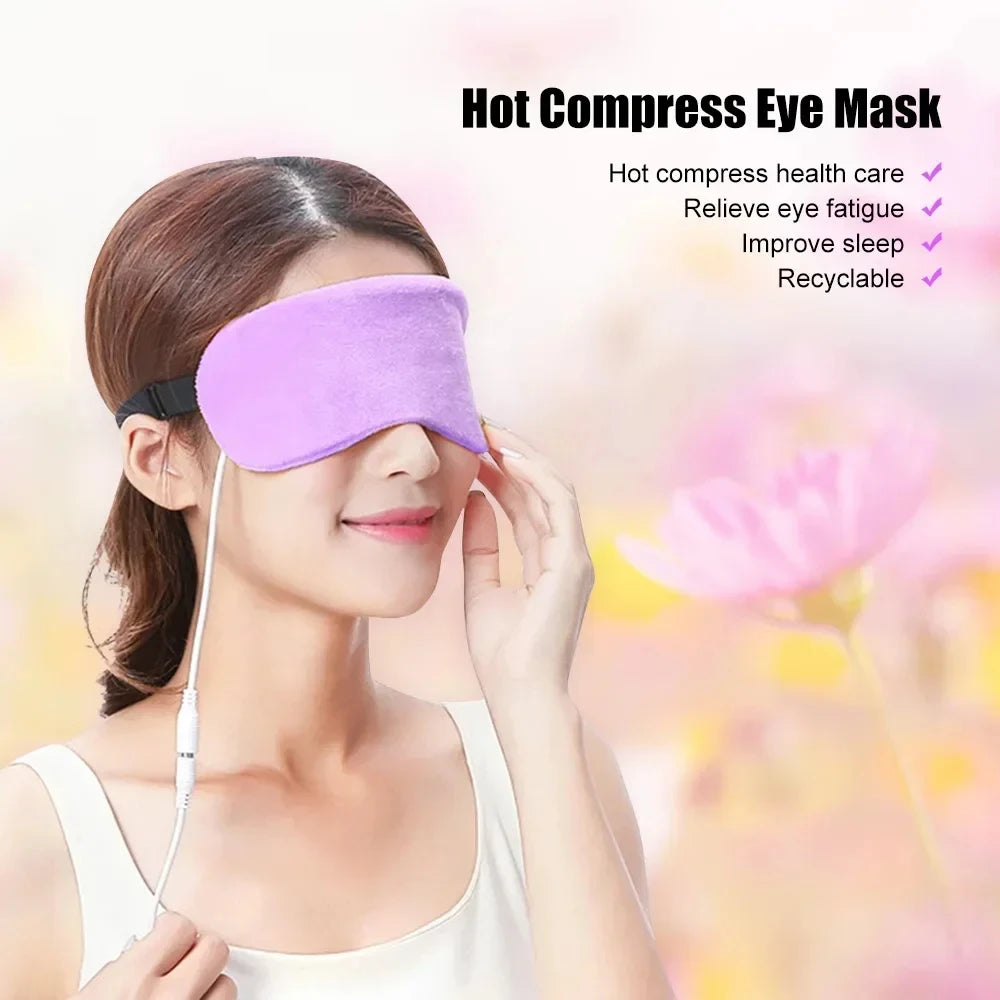
Relaxation eye mask supporting sleep aid eye relaxation and nighttime eye relief 💡 See it in action
Mini FAQ: Relaxation Eye Mask vs Heated Mask
Can I use a relaxation eye mask every night?
Yes. A relaxation eye mask is designed for regular, overnight use and supports consistent eye relaxation before sleep without heat exposure.
Is a heated eye mask safe to sleep in?
Most heated eye masks are intended for short sessions before bed, not overnight wear. Always follow manufacturer guidelines.
Which option is better for screen fatigue?
For ongoing screen fatigue relief, many users prefer a relaxation eye mask because it blocks light and calms overstimulated eyes throughout the night.
Can I combine both methods?
Yes. Using a heated eye mask briefly before bed and switching to a relaxation eye mask for sleep is a common and effective routine.
Related Guide: Heat Therapy for Eyes: Heated Masks vs Warm Compresses





