

Resistance Bands Glute Exercises Compared for Fast Results
Does resistance bands pilates really work for lower body toning?
Resistance bands pilates improves lower body muscle activation by adding consistent tension to controlled movements. This approach helps target upper thigh toning and glutes more precisely than bodyweight alone, while hip resistance bands exercises encourage proper alignment and balanced strength for visible, steady results.
Resistance Bands Pilates vs Glute Bands for Lower Body Toning
⏱ 6 min read · Resistance bands pilates has become a go-to option for people who want stronger, more toned legs without heavy equipment. But with so many band styles available, it’s natural to wonder whether classic Pilates resistance bands or dedicated glute bands deliver better results for your lower body goals.
Between work, family routines, and limited workout time, many people want exercises that feel effective without being exhausting. If you’ve tried leg workouts that burn but don’t seem to change how your thighs or hips look, the type of resistance band you choose may be the missing piece.
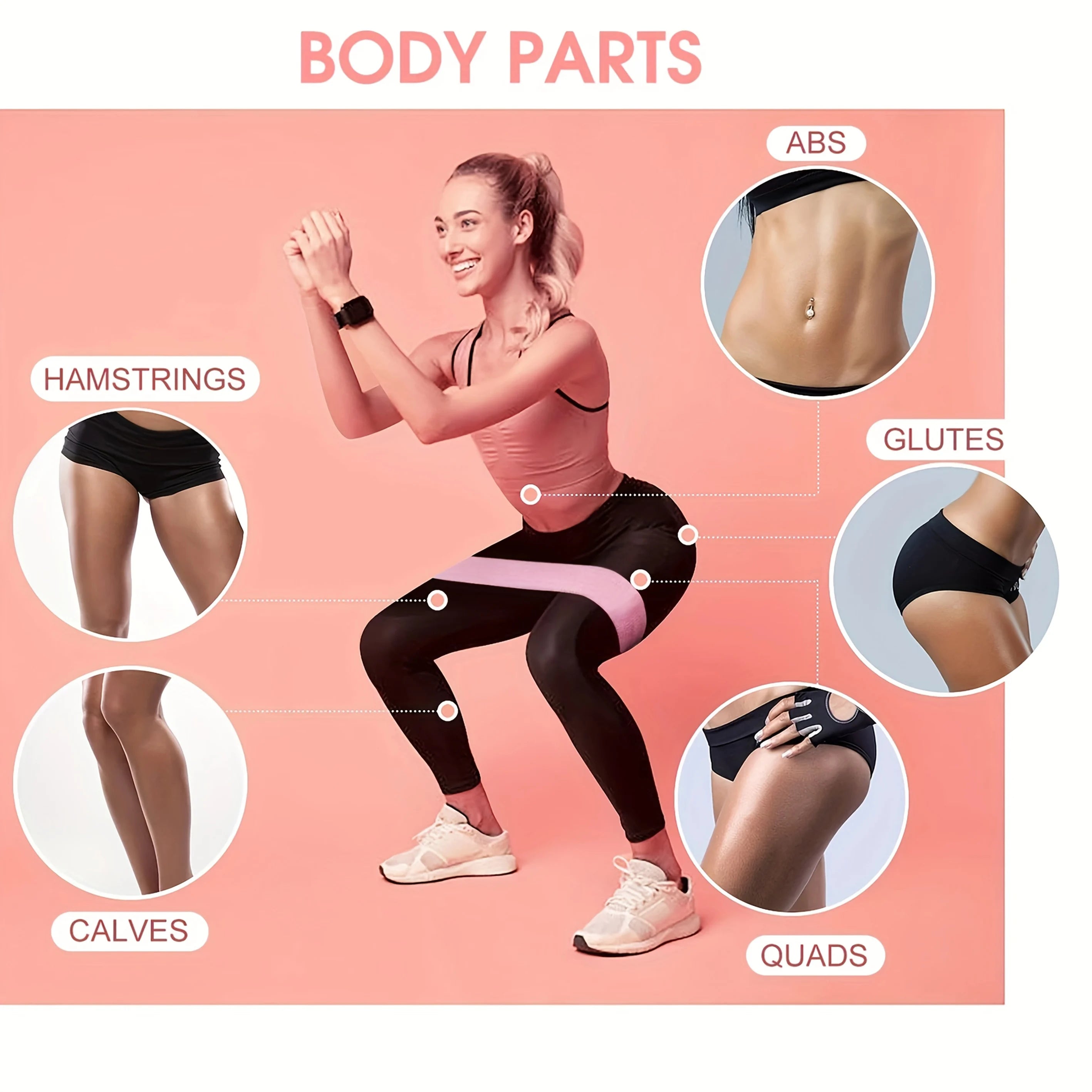
Resistance bands pilates for controlled lower body muscle activation 💡 See it in action
What is resistance bands pilates and why does it feel different?
Resistance bands pilates combines traditional Pilates movements with elastic resistance. Instead of relying on momentum, every motion stays slow and intentional, which keeps muscles engaged longer and improves coordination.
This style is especially appealing to those who prefer low-impact workouts that still challenge the legs and hips. Many parents and busy adults appreciate how easily bands fit into short home sessions.
Why controlled tension matters
- Encourages steady muscle engagement instead of quick reps
- Supports joint-friendly movement patterns
- Improves mind–muscle connection in thighs and hips
- Works well alongside mobility and recovery routines
For a balanced wellness setup at home, many people pair Pilates tools with items from Beauty & Wellness collections that focus on relaxation and recovery.
How glute bands focus on hips and thighs
Glute bands are thicker, loop-style bands designed to sit around the thighs or calves. Their main purpose is to add outward resistance, making the glutes and hip stabilizers work harder during squats, walks, and bridges.
Because they’re simple to use, glute bands are popular for quick leg burn sessions or warm-ups before longer workouts.
Common benefits people notice
- Strong glute engagement during basic movements
- Easy setup with minimal instruction
- Compact design for travel or gym bags
- Clear feedback when knees or hips lose alignment
Resistance bands pilates vs glute bands: a clear comparison
| Feature | Resistance Bands Pilates | Glute Bands |
|---|---|---|
| Movement style | Slow, controlled, full-range | Short, targeted, repetitive |
| Upper thigh toning | Even, balanced engagement | Focused on outer thighs |
| Lower body muscle activation | Glutes, thighs, core together | Mainly glutes and hips |
| Skill level | Beginner-friendly with guidance | Very easy to start |
Both tools can be effective, but they shine in different situations. Many users alternate between them depending on time and energy levels.
Which option delivers visible upper thigh toning?
Upper thigh toning depends on how long muscles stay under tension. Resistance bands pilates naturally keeps the inner and upper thighs engaged through extended movements, which many people feel helps create smoother, more even tone.
Glute bands can still support thigh work, but they tend to emphasize the outer thighs unless paired with varied exercises.
Understanding lower body muscle activation
Lower body muscle activation isn’t just about intensity; it’s about timing. When muscles fire in the right order, movements feel stronger and more stable.
Resistance bands pilates encourages this by linking breath, posture, and resistance. Glute bands, on the other hand, provide immediate feedback when hips or knees drift out of alignment.
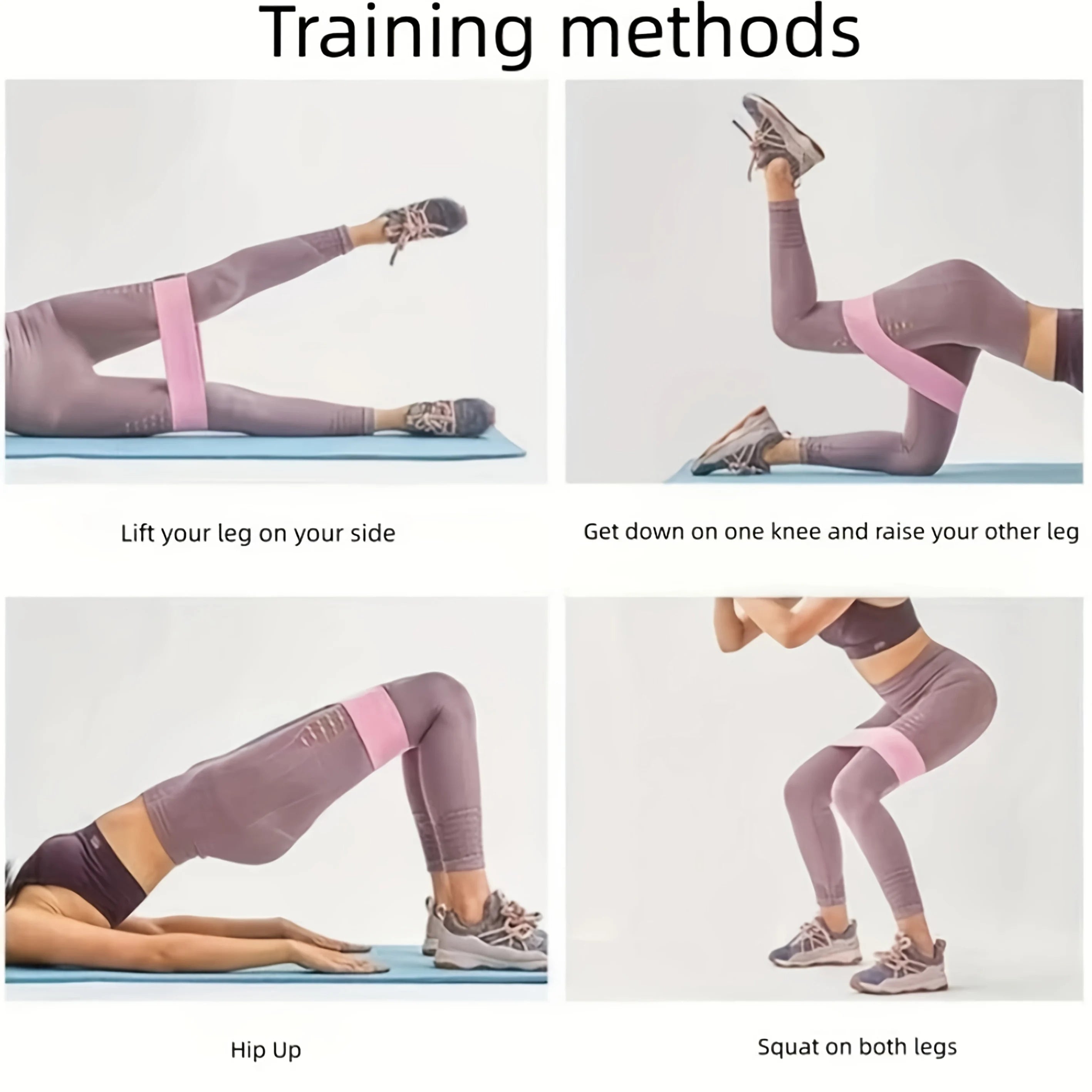
Lower body muscle activation with focused band work 💡 See it in action
Hip resistance bands exercises that fit real life
Hip resistance bands exercises don’t need to be complicated. The best routines are the ones you can repeat consistently, even on busy days.
- Standing leg presses with controlled return
- Side-lying leg lifts with slow pulses
- Glute bridges with banded tension
- Seated abduction holds for posture support
Many people like to keep their workout space calm and comfortable, pairing movement with recovery tools from Massage & Relaxation to wind down afterward.
So which one should you choose?
If you enjoy mindful movement and want balanced toning across hips and thighs, resistance bands pilates is often the better fit. If you prefer quick, straightforward sessions that really light up the glutes, glute bands can be satisfying.
Some users choose a versatile set like Hip & Booty Bands to switch between styles as needed.
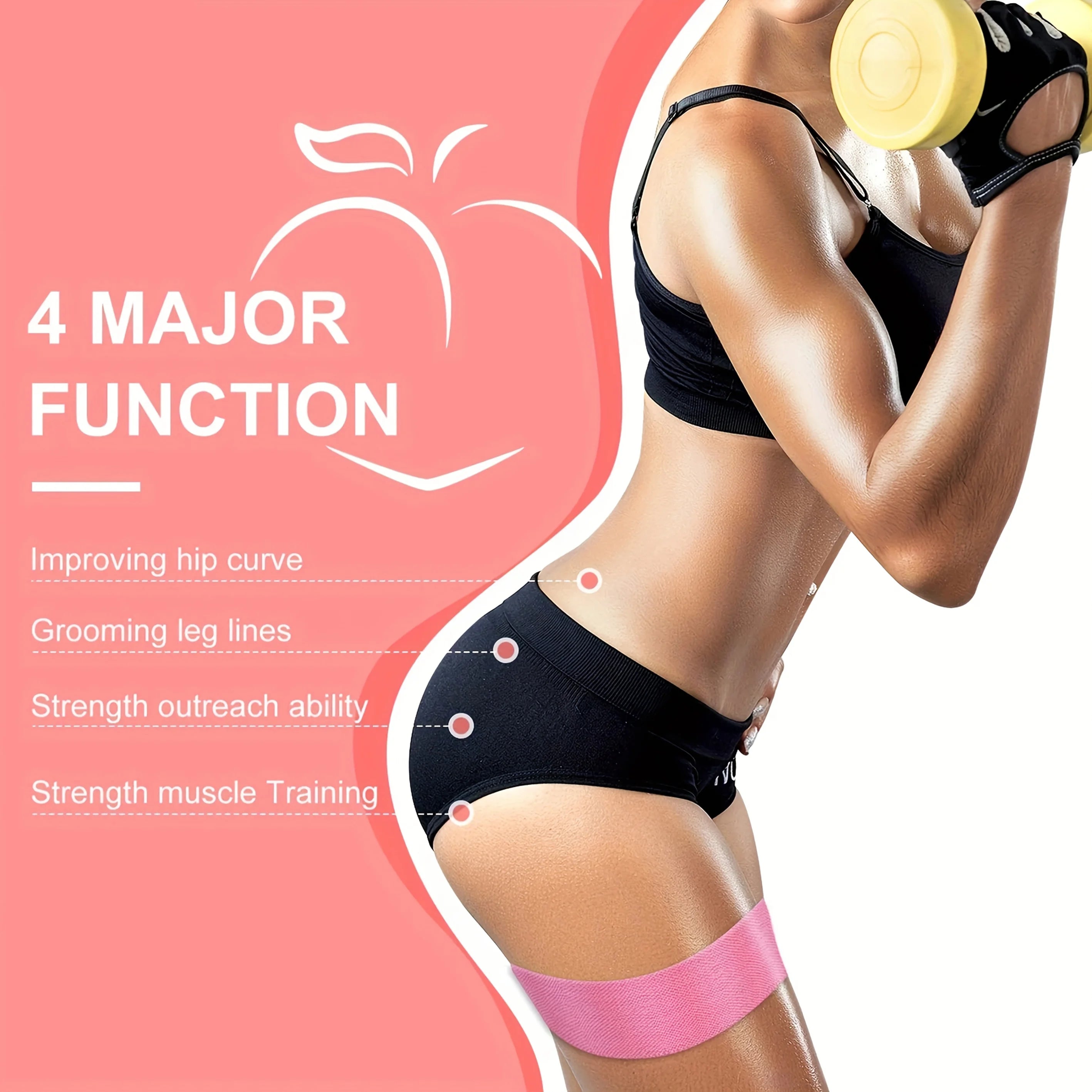
Hip resistance bands exercises for everyday leg toning 💡 See it in action
Quick FAQ
Can beginners use resistance bands pilates?
Yes. Resistance bands pilates is beginner-friendly because you control the tension and pace. Starting slow helps build confidence and reduces strain.
Are glute bands enough for full leg workouts?
Glute bands work best for hips and outer thighs. For full leg toning, many people combine them with longer-range movements or Pilates-style exercises.
How often should I train with bands?
Two to four sessions per week is common. Consistency matters more than intensity, especially for visible upper thigh toning.
Related Guide: Fabric Resistance Band Comparison: Which One Fits Your Glute Goals





