

Pilates Bands vs Glute Bands: Choose the Right Fit for You
Resistance Bands Pilates vs Glute Bands for Lower Body Toning
Resistance bands Pilates and glute bands are both effective for strengthening your lower body, but they aren't interchangeable. While Pilates bands excel at full-range, controlled movements that improve muscle endurance and coordination, glute bands are designed to maximize hip and glute activation during shorter, more focused exercises.
If your goal is leaner-looking legs, stronger hips, or better movement quality, understanding the differences can help you choose the right tool—or combine both for better results.
⏱ 7 min read
Busy schedules, long days on your feet, or post-pregnancy body changes can make lower body workouts feel overwhelming. You might wonder whether Pilates resistance bands or glute bands will deliver better results. The answer depends on your fitness goals, training style, and the muscles you want to emphasize.
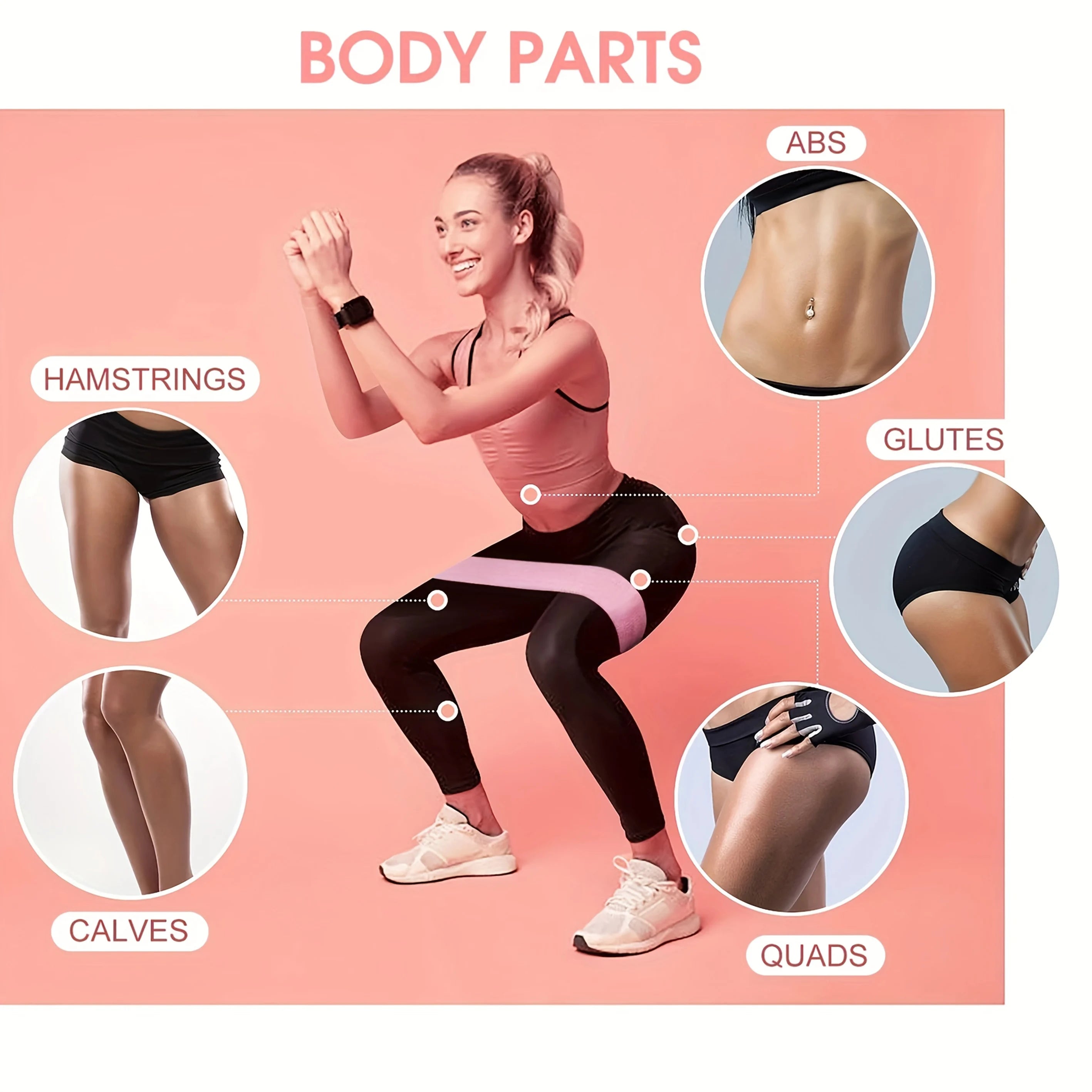
Resistance bands Pilates for upper thigh toning and balanced lower body muscle activation. See it in action.
Pilates bands vs glute bands: which is better for your goals?
There isn't a universal winner when comparing Pilates bands vs glute bands. Each serves a different purpose.
Pilates resistance bands are longer elastic bands or tubes that allow you to perform movements through a larger range of motion while maintaining continuous tension.
Glute bands are short loop bands designed to increase resistance around the hips and thighs, making them excellent for activating the glute muscles during squats, bridges, and lateral movements.
When choosing between them, consider:
- Your primary training goal
- The muscle groups you want to emphasize
- Your available workout space
- Your experience level
- Whether you prefer full-body Pilates sessions or focused lower-body workouts
What are Pilates resistance bands and how do they work?
Resistance bands Pilates combines traditional Pilates principles with elastic resistance to create smooth, controlled movements that challenge muscles throughout every phase of an exercise.
Unlike bodyweight training alone, Pilates resistance bands provide continuous tension. This encourages muscles to stay engaged from beginning to end instead of relaxing during portions of the movement.
Common Pilates resistance bands include:
- Long flat latex bands
- Fabric Pilates bands
- Resistance tubes with handles
They work especially well for:
- Pilates bands for leg toning
- Pilates resistance bands for thighs
- Core stability training
- Balance and posture improvement
- Joint-friendly strength workouts
Many moms discover this approach while browsing Mom Essentials for gentle yet effective wellness tools that fit into realistic home workouts.
What are glute bands and what are they best for?
Glute bands are short loop resistance bands that fit around your thighs, knees, calves, or ankles. Their compact design creates higher resistance across shorter movement patterns.
They're particularly effective for:
- Glute bands for lower body toning
- Resistance bands for hip activation
- Resistance bands for glutes and thighs
- Improving hip stability before strength training
- Adding resistance to bodyweight exercises
Glute bands are commonly used during:
- Squats
- Hip bridges
- Clamshells
- Lateral band walks
- Fire hydrants
Pilates bands vs glute bands: side-by-side comparison
Resistance and tension
Pilates bands provide more even resistance throughout longer movements, while glute bands create higher tension over shorter ranges of motion.
Target muscles
Pilates bands distribute workload across multiple muscles, including the hips, thighs, calves, and core. Glute bands concentrate resistance around the hip abductors and glute muscles.
Exercise variety
Pilates bands support hundreds of upper- and lower-body exercises. Glute bands specialize in lower-body activation and isolation work.
Portability and durability
Both are lightweight and travel-friendly. Fabric glute bands generally resist rolling better than latex loops, while flat Pilates bands are easier to store.
Best for beginners
Both are beginner-friendly. Pilates bands often feel easier because resistance changes gradually throughout the movement, while glute bands can feel more intense immediately.
| Feature | Pilates Bands | Glute Bands |
|---|---|---|
| Range of motion | Large, flowing movements | Shorter movements |
| Primary muscles | Entire lower body | Glutes and hips |
| Exercise variety | Very high | Moderate |
| Best for beginners | Excellent | Excellent |
| Ideal goal | Balanced lower-body strength | Glute activation |
Which band activates your glutes, hips, and thighs more effectively?
Both tools improve lower-body muscle activation, but they emphasize different muscles.
Glute activation: Glute bands generally create stronger activation during bridges, squats, and lateral walks because the constant outward tension recruits the hip abductors.
Hip stability: Pilates bands improve hip stability by encouraging controlled movement through larger ranges of motion while engaging stabilizing muscles.
Inner and outer thighs: Pilates bands often challenge the inner thighs more effectively because many exercises include adduction as well as abduction.
Functional movement: Pilates resistance bands typically improve movement quality by strengthening muscles together rather than isolating a single area.
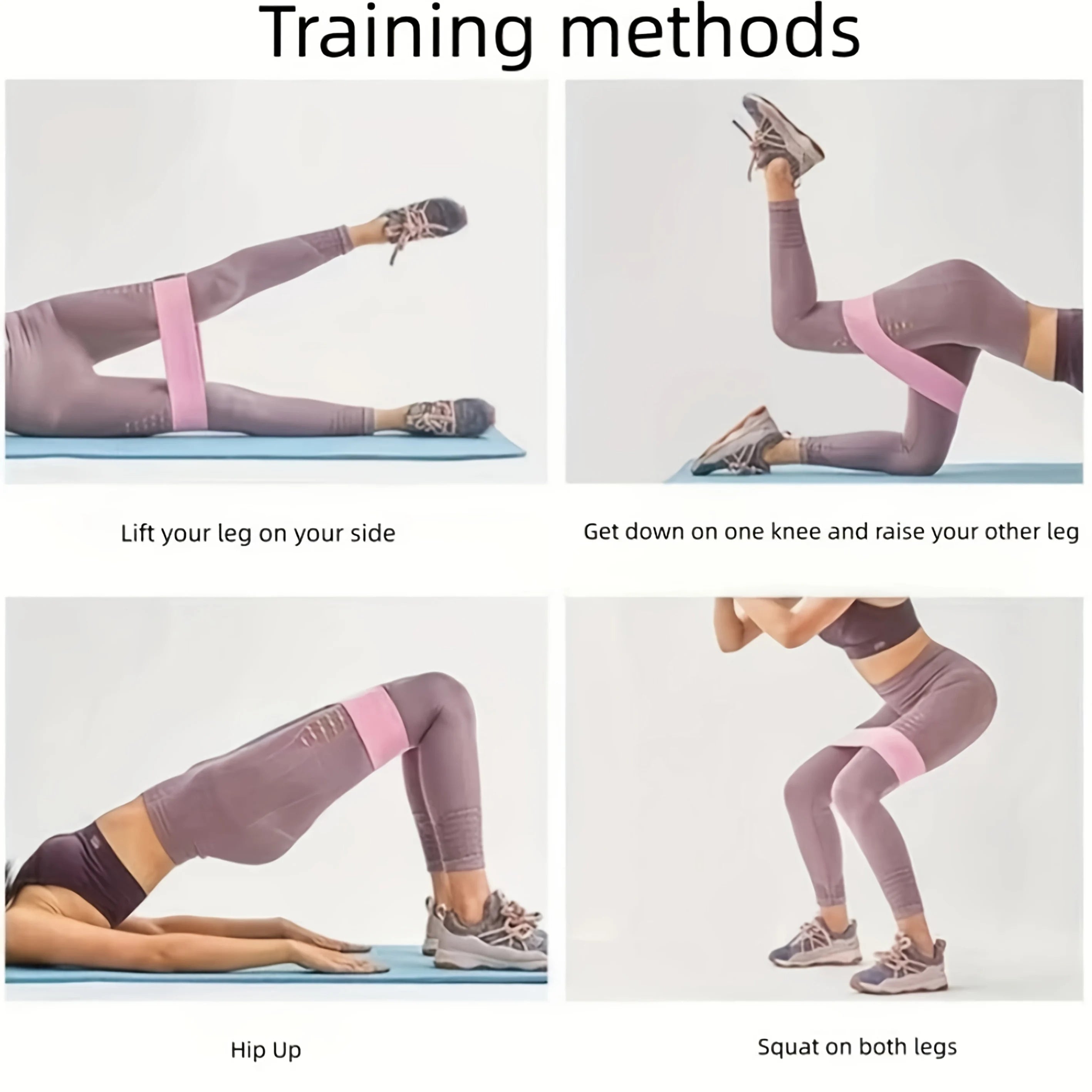
Lower body muscle activation using resistance bands Pilates and hip resistance band exercises. See it in action.
Best exercises for each type of resistance band
Pilates band exercises
For a complete lower body resistance band workout, consider:
- Standing leg press
- Side-lying leg lifts
- Pilates leg circles
- Hamstring curls
- Inner thigh presses
- Single-leg kick variations
Train 2–4 sessions per week and gradually increase resistance as your strength improves.
Glute band exercises
Popular hip resistance band exercises include:
- Monster walks
- Lateral walks
- Glute bridges
- Fire hydrants
- Clamshells
- Banded squats
Many people use glute bands during warm-ups before heavier lower-body workouts or as finishers to increase muscle fatigue.
Which resistance band should you buy?
Your ideal choice depends on how you plan to train.
- For overall lower-body toning: Choose Pilates resistance bands.
- For stronger glute activation: Choose glute bands.
- For beginners: Start with light resistance.
- For progressive strength training: Purchase a set with multiple resistance levels.
- For comfort: Fabric glute bands reduce rolling and pinching.
- For versatility: Long Pilates bands offer more exercise options.
Who benefits most from each band type?
- Pilates enthusiasts: Ideal for improving posture, flexibility, coordination, and full-body strength.
- Strength trainers: Glute bands work well as activation tools before lifting.
- Rehabilitation: Light Pilates bands can help restore mobility under professional guidance.
- Postpartum recovery: Resistance bands Pilates provides a gentle progression for rebuilding lower-body strength after medical clearance.
Many users combine both styles depending on their weekly routine. This flexible approach aligns well with wellness routines found in Beauty & Wellness collections.
How to start resistance band training safely at home
Whether you're using Pilates bands or glute bands, begin conservatively and prioritize proper technique.
- Choose a light resistance level.
- Warm up your hips, knees, and ankles for 3–5 minutes.
- Maintain steady tension without jerking the band.
- Increase resistance only after perfecting your form.
- Avoid snapping the band or locking your joints.
- Stop if you experience joint pain rather than normal muscle fatigue.
For added comfort during recovery or relaxation days, some people pair workouts with tools from Massage & Relaxation.
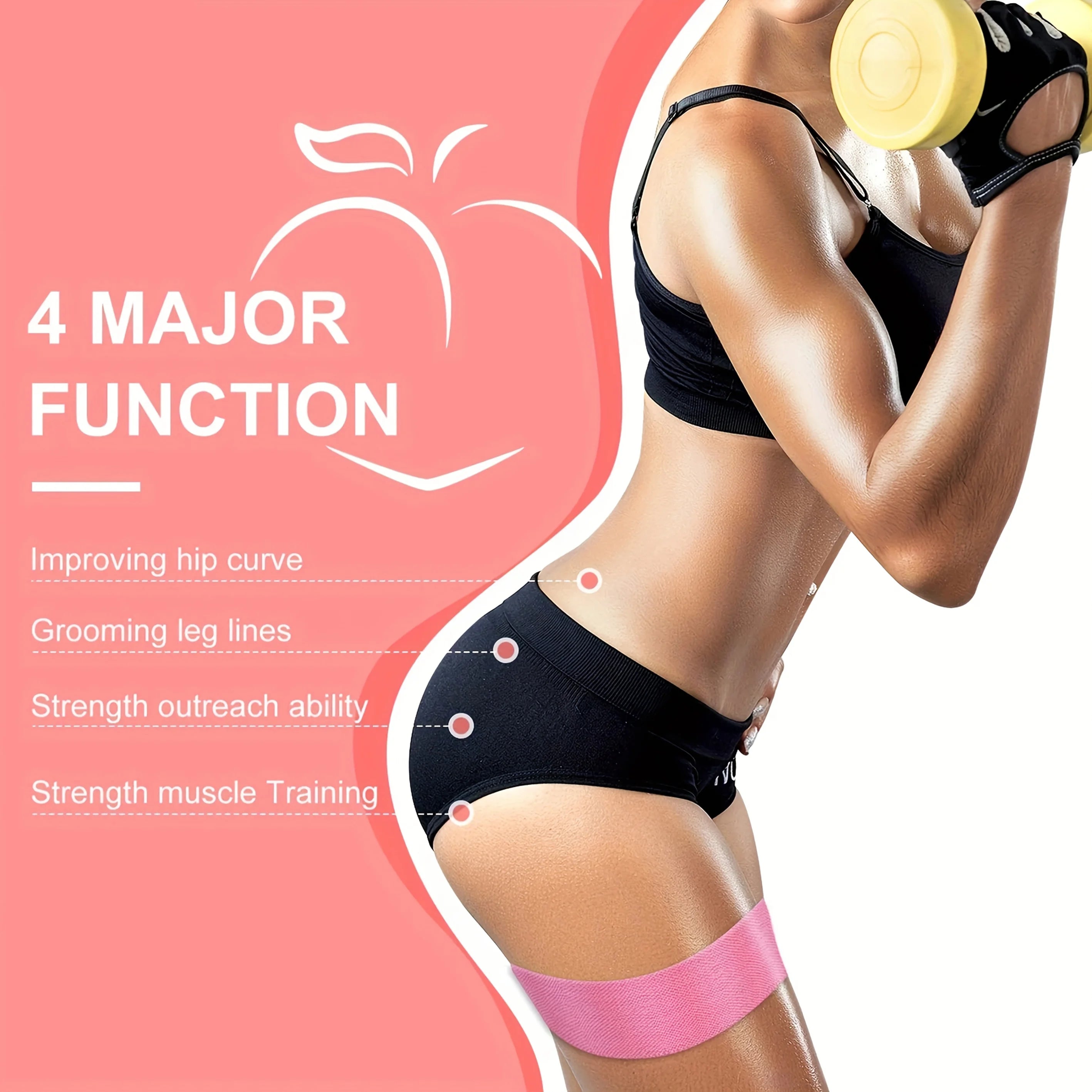
Hip resistance band exercises that support upper thigh toning and daily leg workouts. See it in action.
Frequently asked questions
Can beginners use Pilates resistance bands?
Yes. Pilates resistance bands are beginner-friendly because resistance levels are available in multiple strengths, allowing you to progress gradually while learning proper movement patterns.
How often should I train for visible results?
Training three to four times per week with consistent progression is enough for most people to notice improvements in strength, muscle endurance, and lower-body tone within several weeks.
Are glute bands enough on their own?
Yes, if your primary goal is improving glute strength and hip activation. However, adding Pilates resistance bands creates a more balanced lower-body workout.
Can I use both Pilates bands and glute bands together?
Absolutely. Many workouts combine Pilates bands for full-range movements with glute bands for targeted activation, giving you the benefits of both training styles.
Which band is better for hip activation?
Glute bands generally produce greater hip abductor activation during lateral movements, while Pilates bands strengthen the hips through larger, more functional ranges of motion.
What resistance level should I buy first?
Beginners should start with light or medium resistance. Purchasing a multi-level set allows you to increase difficulty as your strength improves.
Related Guide: Fabric Resistance Band Comparison: Which One Fits Your Glute Goals





