

Safe Driving During Pregnancy Guide: Adjustments You Need
Does a safe driving during pregnancy guide really help protect mom and baby?
The safe driving during pregnancy guide helps reduce injury risk by teaching correct seat belt placement during pregnancy, proper steering wheel distance, and posture adjustments. By following these steps, a pregnant woman driving daily can improve comfort, lower abdominal pressure, and maintain safer reaction control on the road.
Safe Driving During Pregnancy Guide: Adjustments You Need
⏱ 7 min read
Pregnancy changes how your body fits behind the wheel—and ignoring those changes can quietly increase risk. This safe driving during pregnancy guide walks you through simple, proven adjustments that protect both you and your baby without adding stress. If you’re a pregnant woman driving every day, these small changes can make a big difference in comfort, control, and peace of mind.
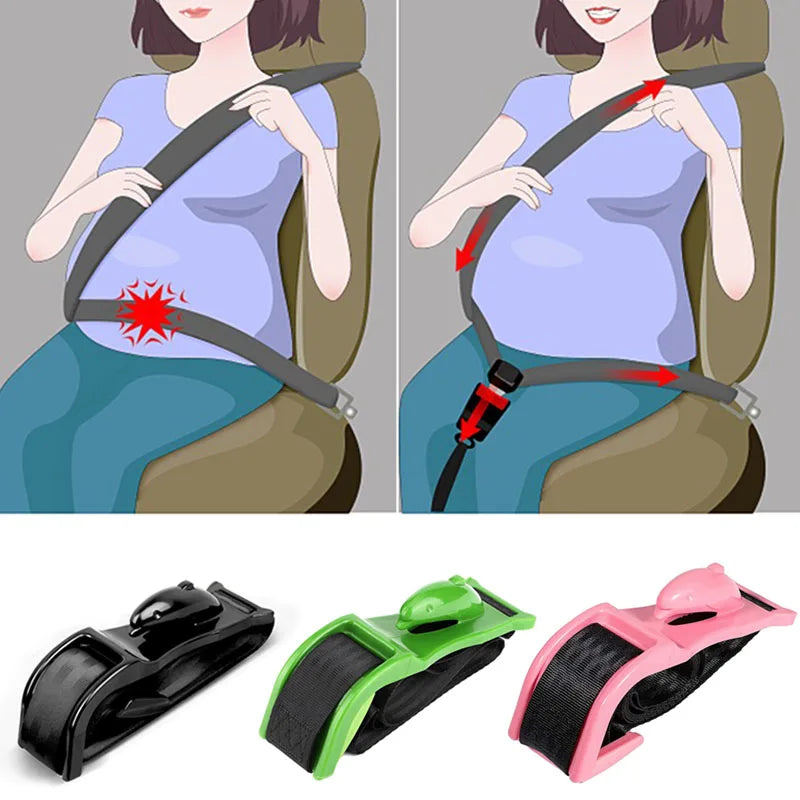
Correct seat belt placement during pregnancy improves comfort and safety — 💡 See it in action
Why Driving Feels Different When You’re Pregnant
Many pregnant women notice that driving becomes uncomfortable long before the third trimester. Hormonal changes loosen joints, your center of gravity shifts, and abdominal growth changes how the seat belt fits. These factors can affect reaction time, visibility, and even confidence behind the wheel.
- Increased pressure on the lower back and hips
- Reduced steering wheel clearance
- Faster fatigue during short trips
- Difficulty positioning the lap belt safely
Understanding these changes is the first step toward safer daily travel. This is exactly where a clear safe driving during pregnancy guide becomes essential.
How Correct Seat Belt Placement During Pregnancy Protects You
Safe driving during pregnancy guide basics start with the seat belt. Proper placement reduces force on the abdomen during sudden stops while keeping you securely restrained. The goal is protection—not pressure.
The safest seat belt placement during pregnancy positions the lap belt low across the hips, under the belly, while the shoulder belt rests between the breasts and to the side of the abdomen. This setup helps distribute force across stronger bones instead of the uterus.
- Sit upright with hips fully against the seatback
- Place the lap belt snugly under your belly, across hip bones
- Adjust the shoulder belt so it never crosses your stomach
- Remove slack, but avoid excessive tightness
Never place the shoulder belt behind your back or under your arm. These shortcuts increase injury risk during impact.
Common Myths About Seat Belts and Pregnancy
| Myth | Reality |
|---|---|
| Seat belts harm the baby | Correct placement protects both mom and baby |
| Loose belts are safer | Loose belts increase injury risk |
| Airbags replace seat belts | Both work together for protection |
When a Pregnancy Seat Belt Hook Actually Helps
As the belly grows, maintaining proper lap belt positioning can be frustrating. A pregnancy seat belt hook helps guide the belt downward, keeping it anchored across the hips instead of riding up.
A pregnancy seat belt hook can improve comfort and consistency by holding the lap belt in the correct low position. For a pregnant woman driving daily, it reduces readjustment and helps maintain safer seat belt placement during pregnancy on every trip.
This tool is especially helpful if:
- You drive long distances regularly
- The lap belt slides upward as you move
- You feel pressure across your abdomen
- Your car seat design limits belt adjustment
Look for options that are easy to install and compatible with standard car seats, such as adjustable models designed specifically for maternity use.
Explore supportive safety tools within the Health & Safety collection to complement your daily driving routine.
Steering Wheel Distance That Reduces Risk
One of the most overlooked adjustments is steering wheel distance. As your belly grows, maintaining space becomes critical—not just for comfort, but for airbag safety.
- Keep at least 10 inches between your breastbone and the wheel
- Tilt the wheel toward your chest, not your belly
- Adjust seat height to improve road visibility
If you can’t reach pedals comfortably while maintaining distance, adjust the seat—not the wheel. This protects you in both minor and major collisions.
Posture Adjustments for Pregnant Woman Driving Comfort
Good posture reduces muscle strain and improves reaction control. Small posture changes can prevent numbness, back pain, and leg cramps on even short drives.
- Keep shoulders relaxed against the seat
- Use lumbar support to maintain spinal alignment
- Avoid locking knees when pressing pedals
- Take breaks every 60–90 minutes
Many moms pair posture adjustments with gentle relief tools from the Massage & Relaxation collection to ease tension after commuting.
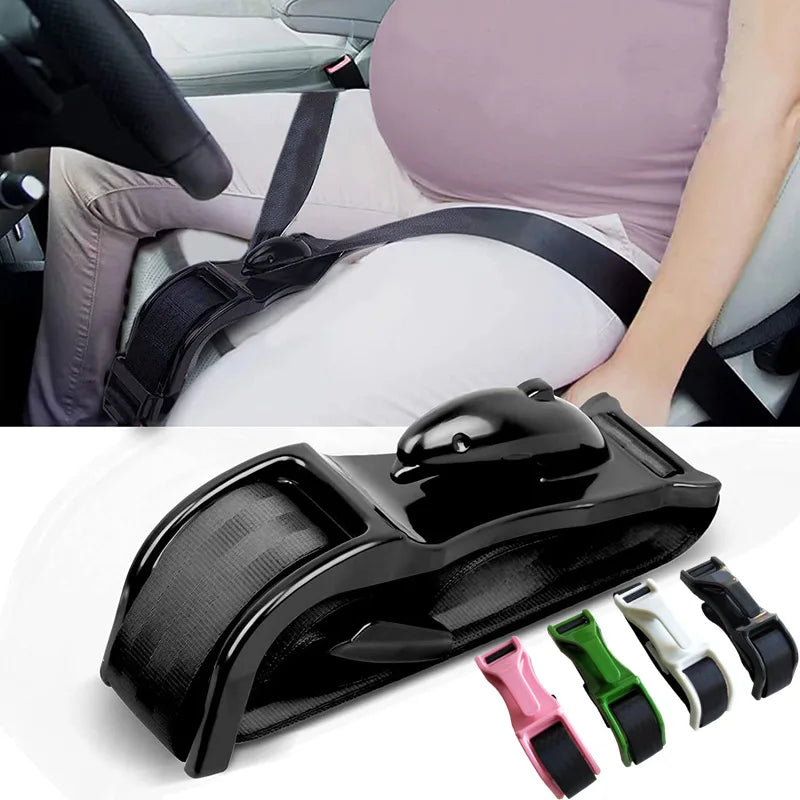
Pregnant woman driving comfortably with improved posture — 💡 See it in action
How to Reduce Fatigue on Daily Drives
Fatigue sneaks up faster during pregnancy. Reduced stamina can affect focus, especially during traffic or long commutes.
- Plan drives during peak energy hours
- Stay hydrated before and after trips
- Ventilate the cabin to stay alert
- Stop immediately if dizziness occurs
If you rely on frequent car travel, building a recovery routine at home helps maintain consistency and confidence.
A Simple Tool That Makes Safer Driving Easier
Consistency matters. Even when you know the rules, daily adjustments can become tiring. That’s why many moms choose a dedicated seat belt adjuster designed for pregnancy.
The right adjuster keeps seat belt placement during pregnancy correct without constant readjustment. For a pregnant woman driving often, it offers a simple way to maintain safer positioning while reducing abdominal pressure and mental load behind the wheel.
- Helps anchor lap belt under the belly
- Improves comfort during long drives
- Quick to install and remove
- Works alongside standard seat belts
You can find a practical solution here: Pregnancy Car Seat Belt Adjuster. Pairing this with other essentials from the Mom Essentials collection creates a safer, more comfortable routine.
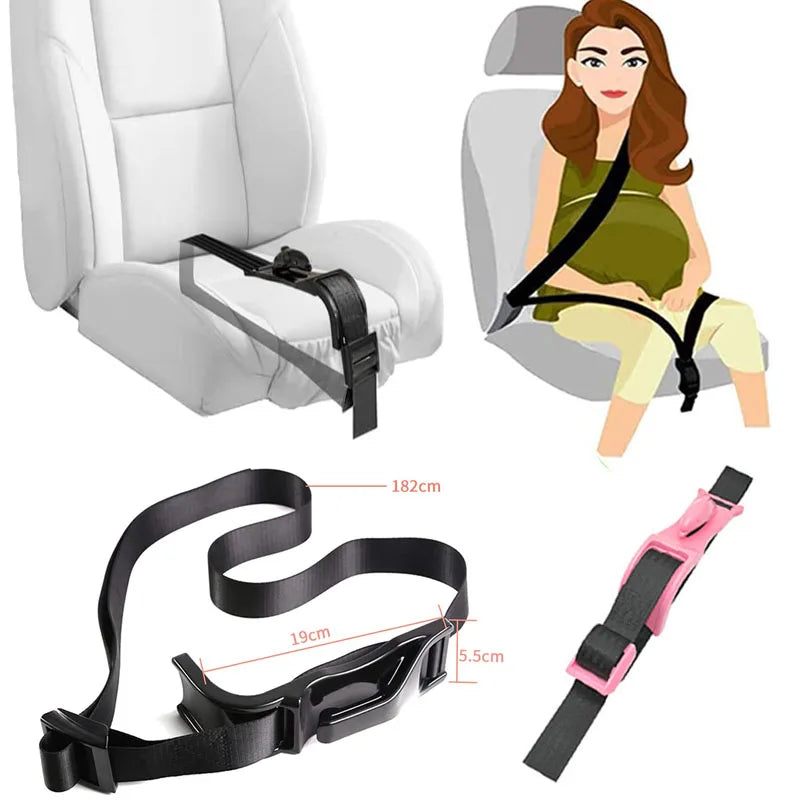
Pregnancy seat belt hook supports safer driving habits — 💡 See it in action
Frequently Asked Questions
Is it safe to drive every day during pregnancy?
Yes, for most healthy pregnancies, daily driving is safe when proper seat belt placement, posture, and fatigue management are followed. Always consult your healthcare provider if complications arise.
Can a pregnancy seat belt hook replace a regular seat belt?
No. A pregnancy seat belt hook works with your existing seat belt to guide positioning. It does not replace the seat belt itself.
When should I stop driving during pregnancy?
There’s no universal cutoff. Many women drive until late pregnancy, adjusting routines as comfort and reaction time change. Stop driving if pain, dizziness, or medical advice indicates.
Related Guide: Safe Seat Belt for Pregnancy: Step-by-Step Setup Guide





