

Safe Sleep Guidelines for Newborns 7 Mistakes to Avoid
What are the safe sleep guidelines for newborns?
Safe sleep guidelines for newborns recommend placing babies on their backs, on a firm, flat surface, in a clear crib with no loose items. A newborn safe sleep environment lowers risk by reducing suffocation and overheating while supporting healthy breathing and restful sleep.
Safe Sleep Guidelines for Newborns: Best Practices by Situation
⏱ 8 min read
Safe sleep guidelines for newborns can feel confusing when advice changes by situation—naps, nights, travel, or room-sharing. This guide breaks it down simply so you can create a newborn safe sleep environment that fits real life, lowers risk, and helps everyone rest easier.
Are you ever left wondering if you’re doing it right—especially at 2 a.m. when your newborn finally falls asleep? You’re not alone. Many parents follow newborn safe sleeping tips during nighttime but second-guess naps, visits, or travel days. Let’s simplify the safe way for newborn to sleep, step by step.
Creating a calm newborn safe sleep environment at home 💡 See it in action
Core Safe Sleep Guidelines for Newborns
Safe sleep guidelines for newborns focus on reducing risks during the most vulnerable months. These rules apply everywhere—home, daycare, or grandparents’ houses.
Direct answer: Safe sleep guidelines for newborns include placing babies on their backs, using a firm mattress, keeping the sleep space empty, and maintaining a comfortable room temperature. Consistency across all sleep situations helps lower risk and supports healthy breathing patterns.
- Always place your newborn on their back to sleep
- Use a firm, flat mattress with a fitted sheet only
- Keep the crib free of pillows, blankets, and toys
- Share a room, not a bed, when possible
These newborn safe sleeping tips may sound basic, but small changes—like removing a loose blanket—can make a meaningful difference.
How to Set Up a Newborn Safe Sleep Environment
A newborn safe sleep environment is simple, uncluttered, and predictable. It doesn’t need fancy extras to be effective.
Direct answer: A newborn safe sleep environment includes a crib or bassinet that meets safety standards, a firm mattress, and no loose items. Keeping lighting soft and noise consistent helps babies settle while maintaining safety.
- Firm mattress with tight-fitting sheet
- No bumpers, stuffed animals, or positioners
- Room temperature between 68–72°F
- Gentle lighting for night checks
Many parents find peace of mind using items from the Sleep & Comfort collection to support soothing routines without adding clutter.
Daytime Naps vs Night Sleep: What Changes?
Newborns nap often, and safe sleep rules stay the same—even when routines feel less formal during the day.
- Use the same sleep surface for naps when possible
- Avoid letting newborns nap on couches or adult beds
- Transfer from arms to crib once asleep
- Follow the safe way for newborn to sleep every time
Consistency helps babies learn cues faster and keeps safety standards intact.
Room-Sharing Without Bed-Sharing
Room-sharing keeps your newborn close while maintaining a safe sleep space.
Direct answer: Room-sharing means placing your newborn’s crib or bassinet in your bedroom while keeping sleep surfaces separate. This setup supports feeding, monitoring, and bonding without increasing sleep risks.
- Place bassinet within arm’s reach
- Keep adult bedding away from baby space
- Use dim lighting for nighttime feeds
Parents often combine room-sharing with gentle soothing tools from Massage & Relaxation to help babies settle back to sleep.
Safe Sleep While Traveling or Visiting
Travel can disrupt routines, but safety shouldn’t change.
Direct answer: The safe way for newborn to sleep while traveling is using a portable crib or bassinet with a firm surface and no loose items. Avoid improvised sleep spaces, even for short naps.
- Bring a familiar sleep surface
- Check stability before each use
- Keep environment clutter-free
Maintaining newborn safe sleeping tips while traveling 💡 See it in action
Adapting Safe Sleep to Special Situations
Some situations need extra attention without breaking core rules.
- Reflux: Back sleeping still applies; speak with a pediatrician before changes
- Illness: Clear sleep space remains essential
- Overtired nights: Stick to safe sleep setup even if baby falls asleep elsewhere
Parents managing multiple needs often rely on trusted monitoring options from Monitoring Devices for added reassurance.
Helpful Tools That Support Safer Sleep
While nothing replaces safe sleep guidelines for newborns, supportive tools can make routines smoother.
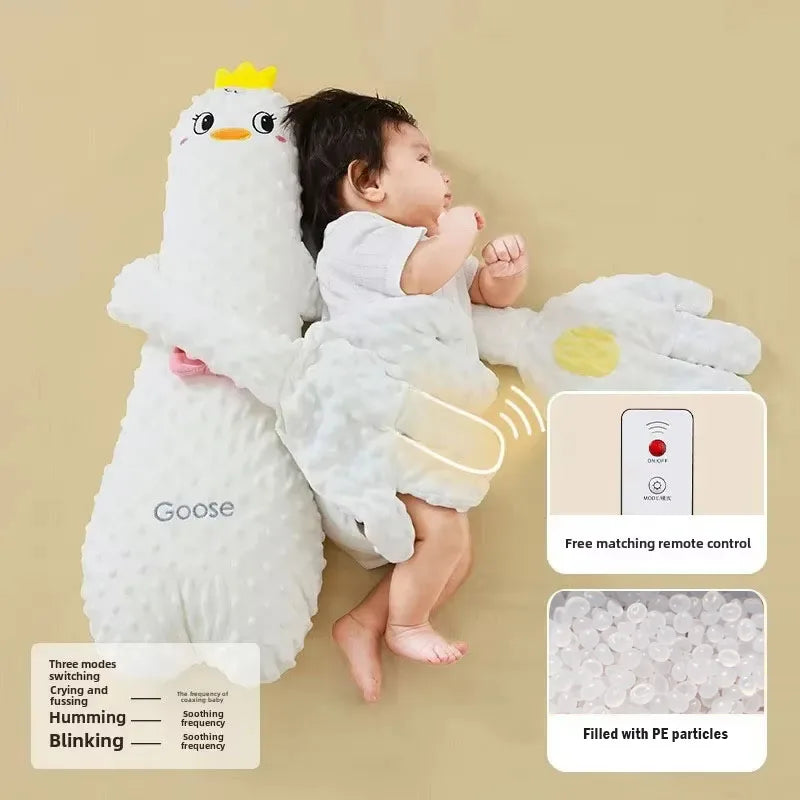
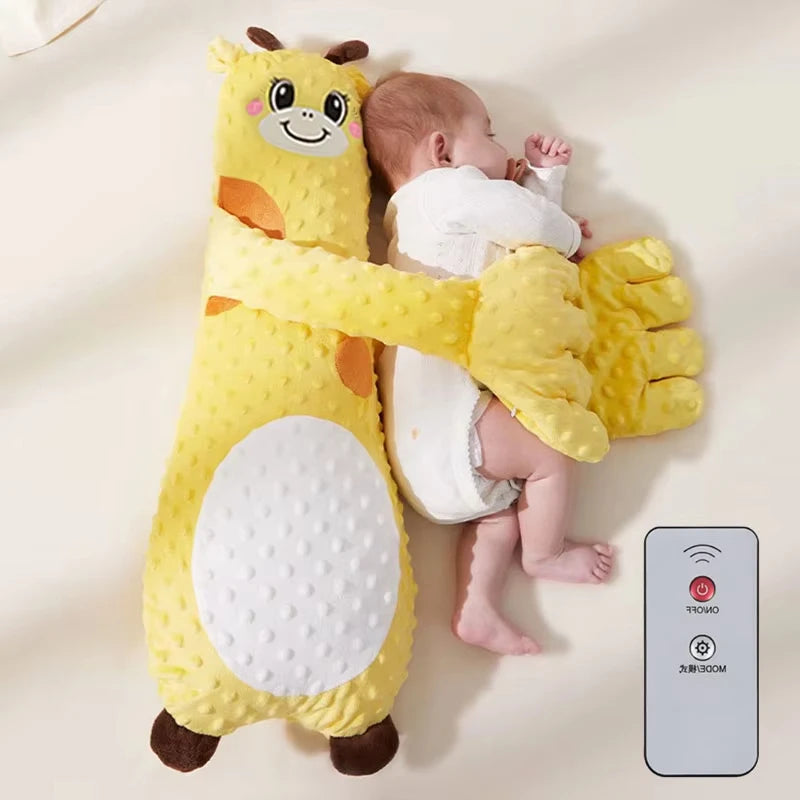
One example is gentle rhythmic comfort aids like the Baby Sleeping Patting Doll, designed to soothe without adding loose items to the crib.
- Supports calming routines before sleep
- Used outside the crib during wind-down
- Helps parents transition babies to sleep spaces

Supporting the safe way for newborn to sleep at bedtime 💡 See it in action
Quick Questions Parents Ask
Can newborns sleep on their side?
No. Safe sleep guidelines for newborns recommend back sleeping only, as side positions can increase risk.
Is it okay if my newborn falls asleep in a swing?
Supervised time is fine, but transfer your baby to a firm, flat sleep surface as soon as possible.
Do I need different rules for naps?
No. Newborn safe sleeping tips apply for every sleep, day or night.
Related Guide: Infant Sleep Problems: Matching Solutions to Your Baby’s Needs





