

Safe Sleep Practices for Newborns: Comparing Guidelines
What are safe sleep practices for newborns?
Safe sleep practices for newborns focus on reducing sleep-related risks by placing babies on their backs, using a firm mattress, and keeping the sleep area clear. Most guidelines agree that a consistent newborn safe sleep environment and room-sharing without bed-sharing offer the safest way for newborns to sleep.
Safe Sleep Practices for Newborns: Comparing Guidelines
⏱ 7 min read
Safe sleep practices for newborns can feel confusing when expert advice doesn’t always match, but understanding the differences matters more than you think. This guide compares leading newborn safe sleep guidelines, explains how to build a newborn safe sleep environment, and highlights the safest way for newborn to sleep without the overwhelm. You’ll uncover what experts actually agree on, what parents often miss, and which small changes make the biggest impact—so which guideline should you really trust?
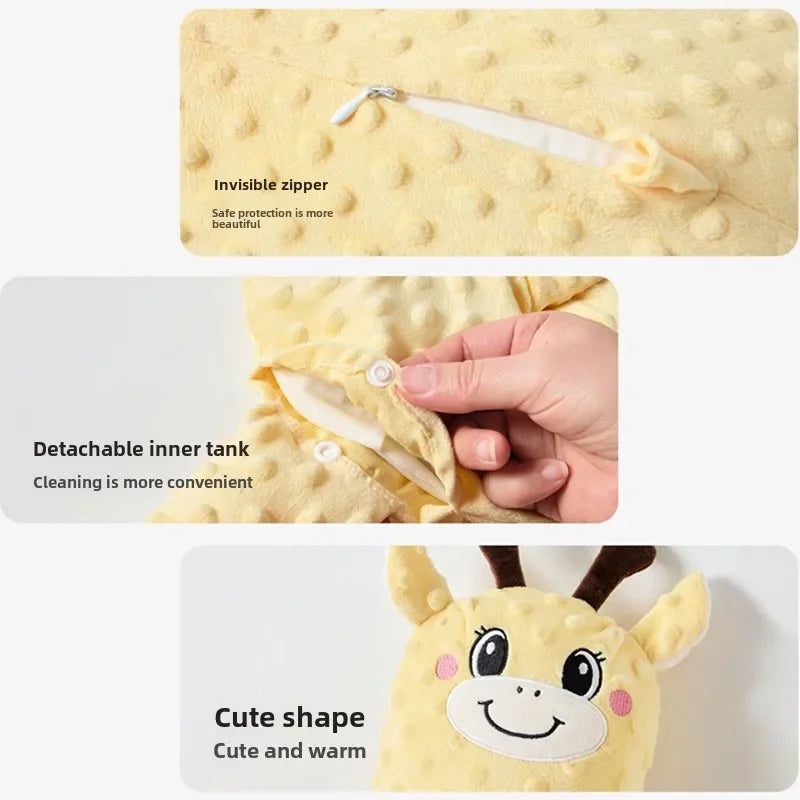
A calm nursery setup that supports safe sleep practices for newborns 💡 See it in action
Why Newborn Sleep Guidelines Can Feel Confusing
One pediatrician says one thing. A hospital handout says another. Online forums add even more opinions. The confusion often comes from how different organizations weigh risk, culture, and real-world parenting challenges.
Some guidelines are stricter to minimize every possible risk. Others allow flexibility to help families actually follow them long term. Understanding this difference helps parents make confident choices instead of second-guessing every nap.
What All Newborn Safe Sleep Guidelines Agree On
Safe sleep practices for newborns are built around a few non-negotiables that nearly every expert organization supports. These shared points form the foundation of a newborn safe sleep environment.
- Place babies on their backs for every sleep
- Use a firm, flat sleep surface
- Keep the sleep area free of loose items
- Maintain a comfortable, not overheated, room temperature
Parents who consistently follow these basics already reduce the largest sleep-related risks, even before considering more detailed recommendations.
Side-by-Side Comparison of Major Safe Sleep Guidelines
Safe sleep practices for newborns vary slightly depending on the organization. Seeing them side by side helps highlight where differences matter—and where they don’t.
| Guideline Source | Back Sleeping | Room Sharing | Bed Sharing | Extra Notes |
|---|---|---|---|---|
| American Pediatric Groups | Yes | Recommended | Discouraged | Focus on risk reduction |
| International Health Orgs | Yes | Encouraged | Conditional | Context-based guidance |
| Hospital Newborn Programs | Yes | Strongly Recommended | No | Emphasis on consistency |
Which newborn safe sleep guidelines feel most realistic for your home? That’s often the deciding factor for long-term success.
How to Build a Newborn Safe Sleep Environment at Home
Safe sleep practices for newborns work best when the environment does the hard work for you. A thoughtfully set-up space reduces the chance of mistakes during late-night wakeups.
- Choose a firm crib or bassinet mattress with a fitted sheet only
- Position the crib away from cords, windows, and heaters
- Dress baby in sleepwear instead of using loose blankets
- Keep lighting soft for nighttime feeds and checks
Many parents explore items from Sleep & Comfort to support routines that feel soothing while still respecting newborn safe sleep guidelines.
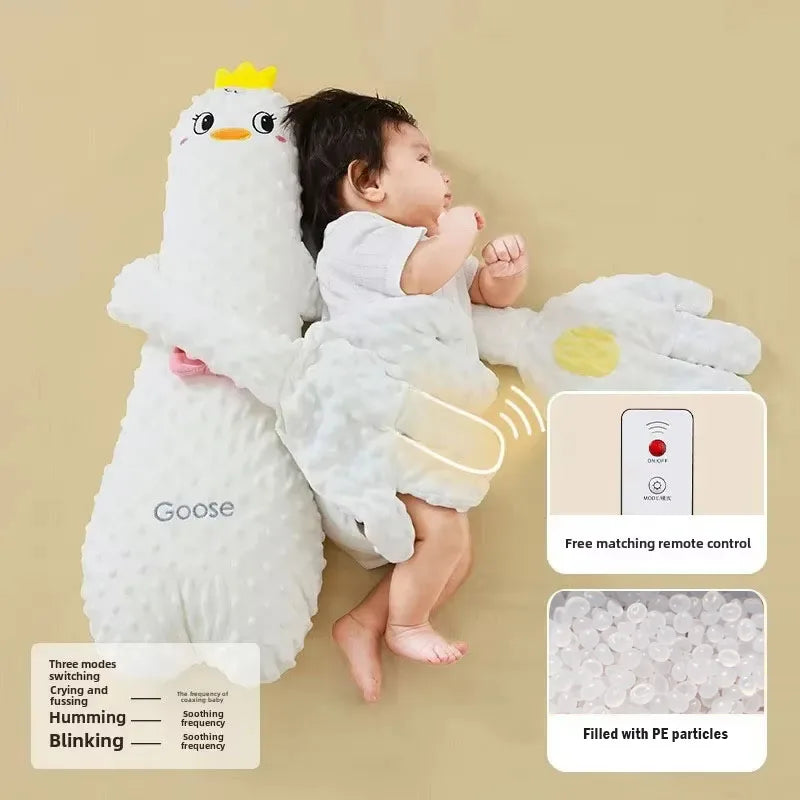
Creating a newborn safe sleep environment that feels calm and secure 💡 See it in action
Real-Life Scenarios Parents Face at Night
At 2 a.m., perfect plans meet real exhaustion. Parents often worry about falling asleep during feeds or soothing a baby back to sleep safely.
Tools that promote gentle calming—without adding clutter—can make a difference. Some families find comfort in rhythmic aids like the baby sleeping patting doll, especially during transitions back to the crib.
Others pair sleep routines with helpful options from Monitoring Devices or Temperature Tools to stay aware without overhandling their newborn.
Helpful Products That Support Safer Sleep Habits
Safe sleep practices for newborns aren’t about buying more—it’s about choosing thoughtfully. Parents often look for items that support calming routines while keeping the sleep space clear.
- Minimalist sleepwear that replaces loose blankets
- Gentle comfort aids used before placing baby down
- Simple room monitors for peace of mind
Collections like Health & Safety and Baby Care Essentials often align well with newborn safe sleep guidelines when used intentionally.
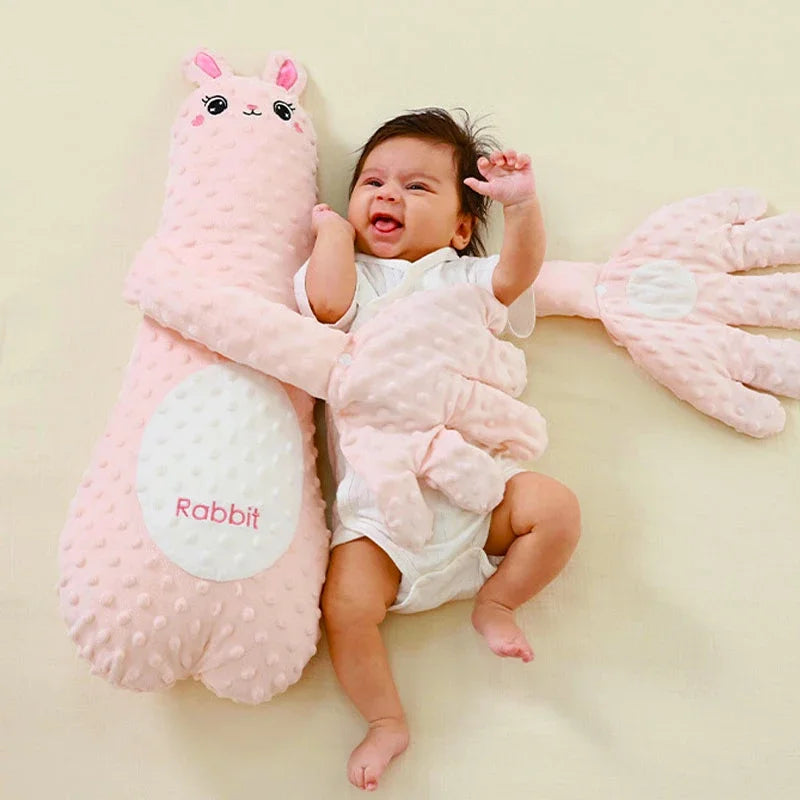
Small routine helpers that complement safe sleep practices for newborns 💡 See it in action
Frequently Asked Questions About Newborn Safe Sleep
Is back sleeping really the safest way for newborns to sleep?
Yes. Placing babies on their backs is consistently shown to reduce sleep-related risks. It’s one of the most important safe sleep practices for newborns and is recommended across all major newborn safe sleep guidelines.
Can room sharing improve newborn sleep safety?
Room sharing without bed sharing allows parents to respond quickly while keeping the newborn safe sleep environment separate. Many experts see this as a balance between safety and nighttime convenience.
Do comfort aids replace safe sleep rules?
No. Comfort tools should support routines before or after sleep, not replace guidelines. The safest way for newborn to sleep always includes a clear, firm surface and proper positioning.
Related Guide: Infant Sleep Training Tips: Top Methods Compared for Better Rest





