

Safe Sounds for Unborn Baby: How to Choose Music
What are safe sounds for an unborn baby?
Safe sounds for unborn baby include gentle music, calm voices, and soft rhythmic sounds played at low volumes (under 65 decibels). These sounds can support bonding and relaxation without overstimulating the developing ears. Choosing steady, soothing audio helps create a peaceful environment during pregnancy.
Safe Sounds for Unborn Baby: How to Choose Music
Safe sounds for unborn baby can feel confusing when every choice seems important. Many parents worry about overstimulation, volume levels, and whether music truly helps development. The good news? With the right approach, sound can become a calming daily ritual that supports connection, comfort, and peace throughout pregnancy.
⏱ 7 min read
Have you ever wondered if the music you enjoy could also help your baby feel calm and secure? Or worried that the wrong sound might do more harm than good? You’re not alone—many parents share the same concern.
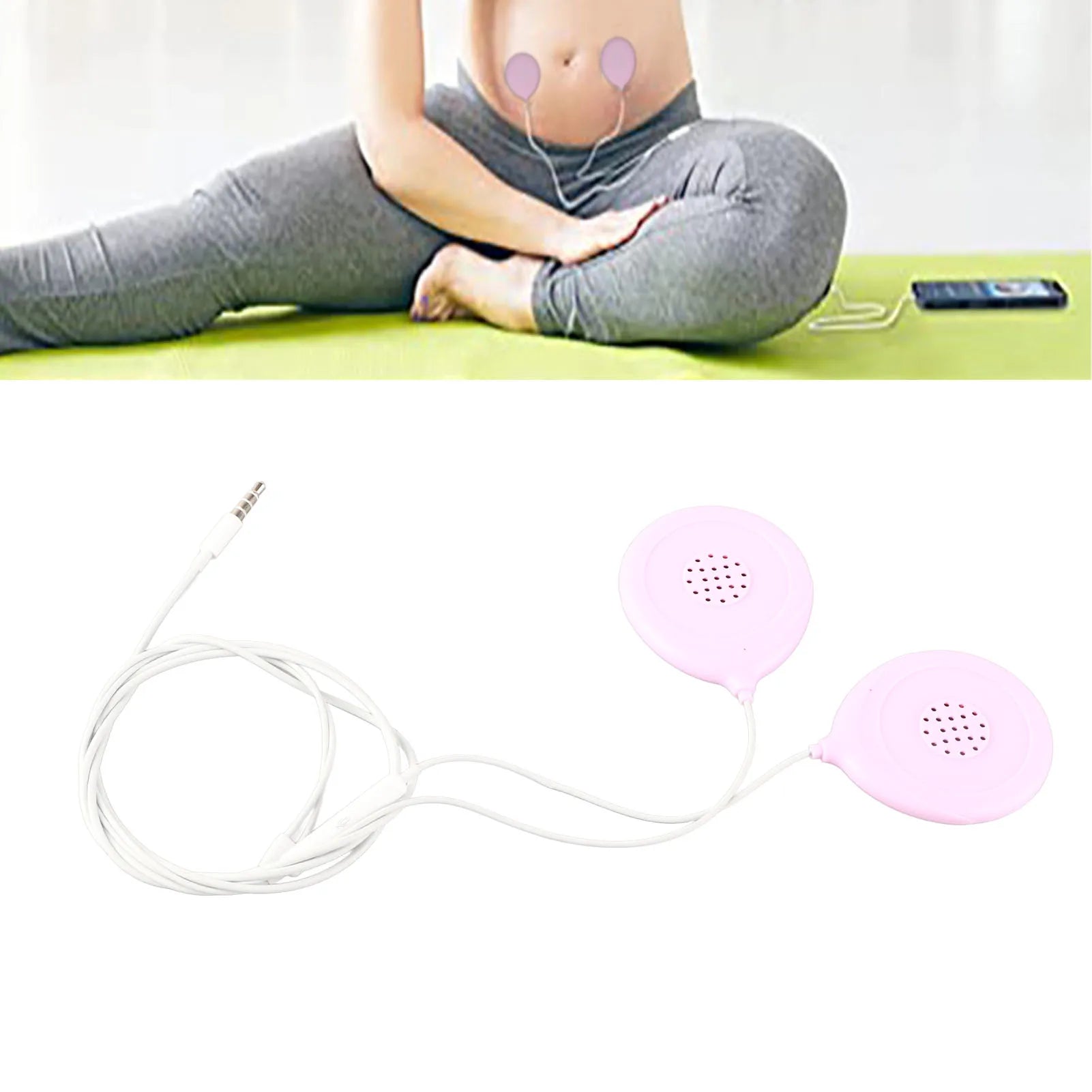
Gentle routines with safe sounds for unborn baby help create calm moments 💡 See it in action
Why Sound Matters During Pregnancy
From around the second trimester, babies begin responding to sound. What they hear is softened and filtered, but rhythm and tone still matter. Calm audio can lower stress for parents, which indirectly supports baby comfort.
Many parents notice that when they relax, their baby’s movements become smoother and more predictable. Sound becomes part of that shared environment.
What Counts as Safe Sounds for Unborn Baby?
Safe sounds for unborn baby are soft, predictable, and played at a consistent low volume. These sounds help maintain calm without startling or overstimulating the developing nervous system.
Safe options include:
- Relaxing instrumental music
- Soft humming or talking
- Nature sounds like rain or ocean waves
- Slow-tempo lullabies
Parents exploring pregnancy wellness often pair sound routines with calming tools found in Massage & Relaxation collections to enhance relaxation.
Understanding Safe Sound Levels for Infants
Safe sound levels for infants during pregnancy should stay below everyday conversation volume. Think of sound as background comfort, not a performance.
- Ideal range: under 65 decibels
- Avoid sudden volume changes
- Never place speakers directly on the belly
Using consistent routines alongside trusted items from Health & Safety helps parents feel more confident and at ease.
How to Choose Relaxing Music During Pregnancy
Relaxing music pregnancy playlists work best when they are slow, simple, and repetitive. Babies respond more to rhythm than melody.
Music styles many parents prefer
- Classical pieces with steady tempo
- Piano or acoustic guitar
- Soft ambient or instrumental tracks
- Traditional lullabies
Some parents also explore fetal music designed for prenatal bonding. The key is moderation and comfort.
Step-by-Step: How to Use Prenatal Music Safely
- Choose one calm playlist or sound type.
- Play at low volume for 10–20 minutes.
- Keep speakers nearby, not touching the belly.
- Use the same time daily to build routine.
Parents often find this works best when paired with quiet moments—reading, resting, or gentle stretching.
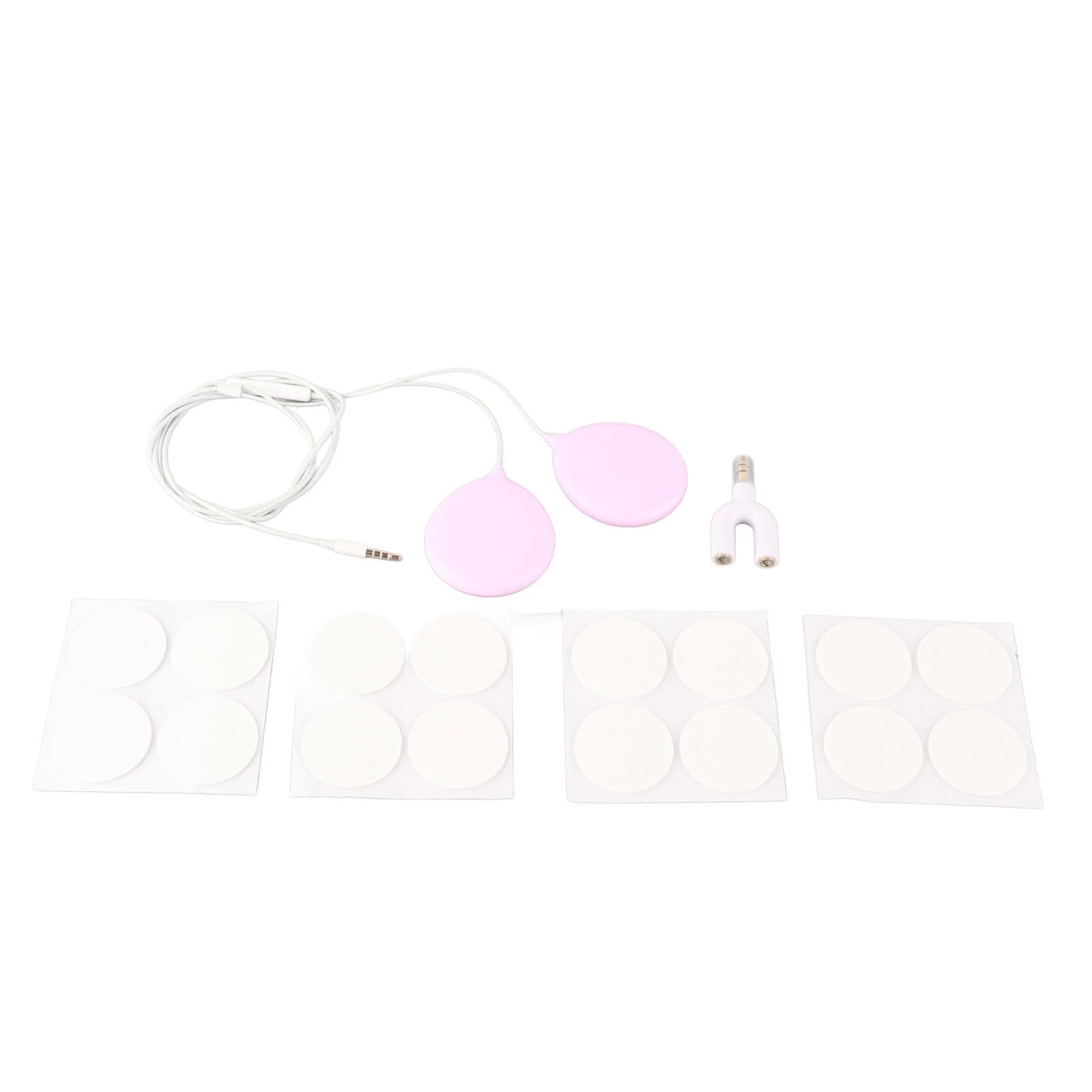
Relaxing music pregnancy routines support calm and connection 💡 See it in action
Benefits of Prenatal Music Therapy
Prenatal music therapy focuses on emotional comfort rather than stimulation. Many parents report feeling calmer and more connected.
- Encourages bonding moments
- Supports emotional balance
- Creates predictable routines
- Helps parents slow down
Families interested in early development often explore resources from Baby Growth & Learning to complement these routines.
Common Mistakes to Avoid
- Playing music too loudly
- Using headphones directly on the belly
- Overloading with long sessions
- Choosing fast, intense audio
Consistency and simplicity are more effective than volume or complexity.
Some parents choose tools designed for prenatal listening, such as prenatal music headphones, to help control sound direction and volume with more confidence.
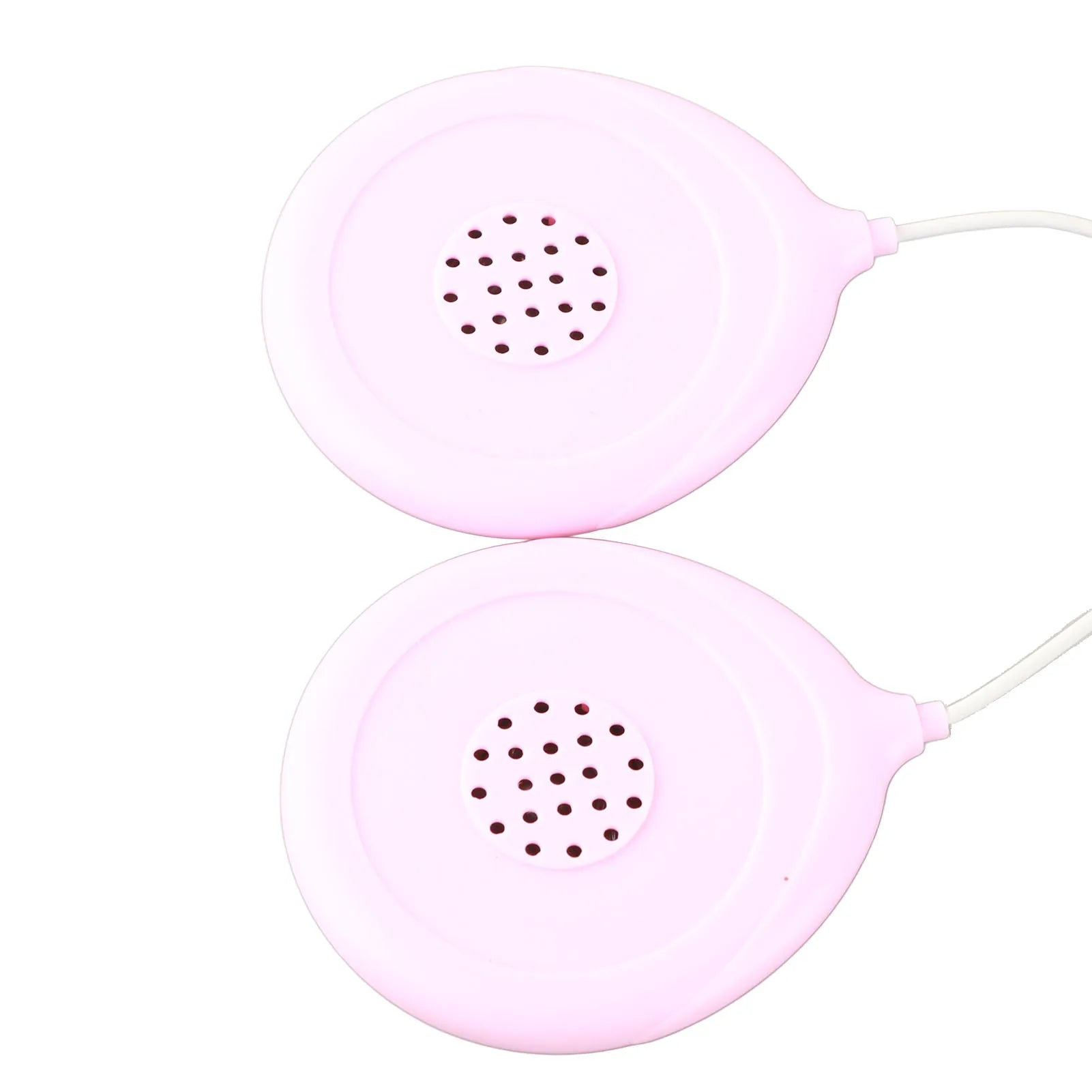
Fetal music moments paired with safe sound levels for infants 💡 See it in action
Quick FAQ
Can unborn babies recognize music?
Babies may not recognize songs the same way adults do, but they respond to rhythm and repetition. Familiar sounds can feel comforting over time.
How often should I play music during pregnancy?
Once or twice daily for short sessions is usually enough. Consistency matters more than length.
Is silence ever better?
Yes. Quiet time is just as important. Balance sound with silence to avoid overstimulation.
What matters most when choosing safe sounds?
Volume, simplicity, and your own comfort. Calm parents create calm environments.
Related Guide: How to Play Music Pregnancy Safely for Daily Bonding





