

Shoulder Tension and Headaches: Is a Massager Right for You?
Does shoulder tension cause headaches, and can a massager really help?
Shoulder tension and headaches are closely connected because tight neck and shoulder muscles restrict blood flow and irritate nearby nerves. Using targeted shoulder relaxation techniques, heat therapy, or a massager for neck and shoulder pain can reduce muscle stiffness, ease pressure, and help relieve tension headaches faster when used consistently.
Shoulder Tension and Headaches: Is a Massager Right for You?
⏱ 7 min read
Shoulder tension and headaches often feel like separate problems, yet they’re usually part of the same cycle. Tight muscles pull, nerves compress, and stress builds until your head starts pounding. If you’re juggling work, parenting, and daily stress, finding relief that actually fits into real life matters. So where do heat, stretching, and massage truly fit in?
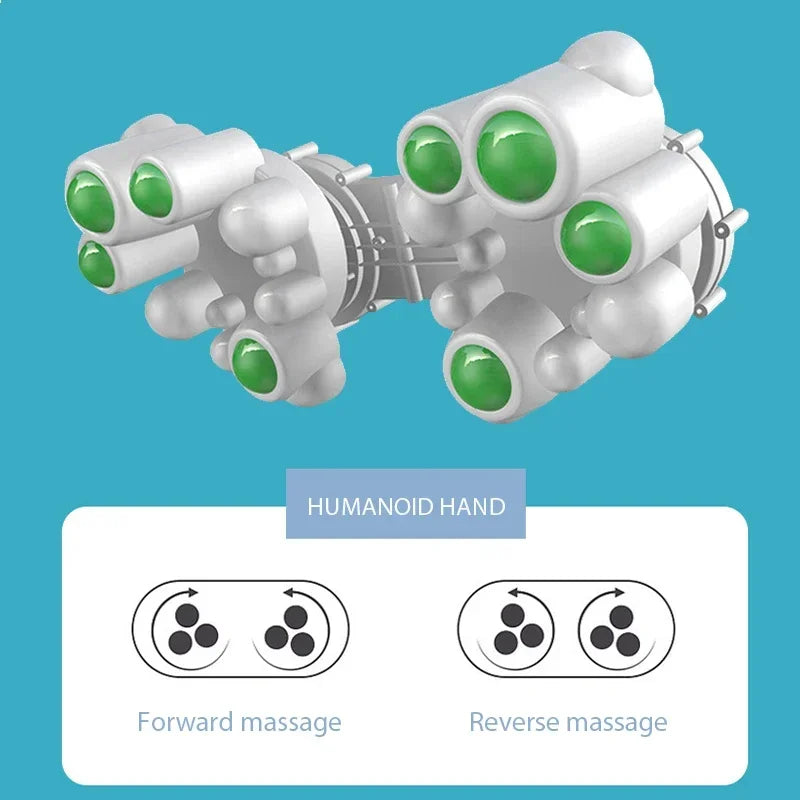
Targeting shoulder tension and headaches with gentle pressure and heat 💡 See it in action
Why Shoulder Tension and Headaches Are Connected
Shoulder tension and headaches share more than timing—they share anatomy. Muscles in your neck, shoulders, and upper back support your head all day. When they tighten from stress, poor posture, or long hours at a desk, they can compress nerves and restrict circulation.
This often leads to tension headaches that start at the base of the skull and wrap forward. Parents especially notice this after carrying kids, feeding, or working late at a laptop.
How Early Relief Can Stop Pain From Escalating
Shoulder tension and headaches respond best when addressed early. Ignoring stiffness often allows small discomfort to snowball into all-day pain.
- Gentle shoulder rolls during breaks
- Short breathing pauses to release stress
- Heat or massage before pain peaks
- Adjusting sleep and feeding posture
Many families already use calming tools from the Massage & Relaxation collection to unwind at night, making relief feel less like treatment and more like self care.
Does Heat Help Neck Tension?
Yes—heat helps neck tension by increasing blood flow, relaxing stiff muscles, and improving flexibility. For shoulder tension and headaches caused by tight muscles, warmth can reduce pressure on nerves and make movement feel easier. Heat works best when applied for 10–20 minutes during early stiffness or before sleep.
Heat is especially helpful when muscles feel locked up rather than inflamed. Many people notice headaches ease once warmth softens the shoulders.
When Heat Works Best
- Morning stiffness after poor sleep
- Evening tension from long days
- Stress-related muscle tightness
- Before stretching or massage
How a Massager for Neck and Shoulder Pain Supports Relief
Shoulder tension and headaches often need more than passive heat. A massager for neck and shoulder pain combines pressure, motion, and often heat to reach deeper muscle layers that stretching alone can’t.
Many parents describe relief within minutes because massage interrupts the pain-tension cycle directly.
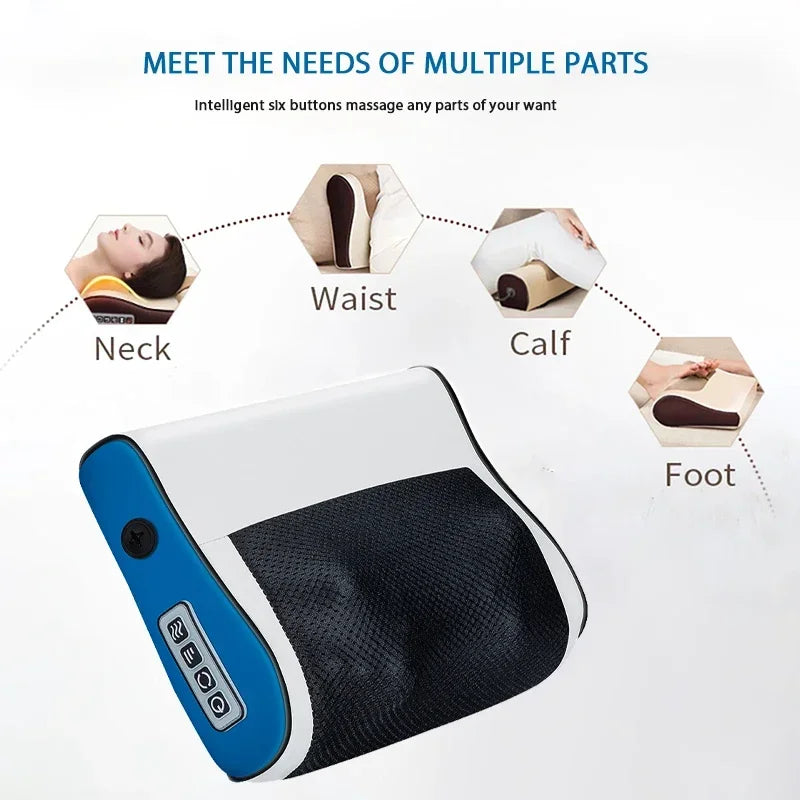
Using a massager for neck and shoulder pain to release muscle knots 💡 See it in action
Key Benefits People Notice
- Faster headache relief after use
- Improved shoulder mobility
- Less reliance on pain medication
- Better relaxation before sleep
Devices with built-in warmth mimic hands-on therapy, making them popular additions alongside other wellness tools found in Beauty & Wellness.
One option many families explore is a neck and shoulder massager with heat, which allows hands-free use while reading, working, or winding down.
Who Benefits Most From a Neck and Shoulder Massager?
Shoulder tension and headaches affect different people in different ways. Massage works best when muscle tightness is a primary trigger.
- Parents carrying babies or toddlers daily
- Desk workers with rounded shoulders
- People with stress-related headaches
- Anyone seeking drug-free relief
Parents often appreciate tools that can be used quietly at home after kids are asleep, fitting naturally into bedtime routines supported by Sleep & Comfort essentials.
Heat, Stretching, or Massage: What Works Best?
| Method | Best For | Limitations |
|---|---|---|
| Heat Therapy | General stiffness, relaxation | Doesn’t release deep knots alone |
| Stretching | Flexibility, posture support | Requires consistency and time |
| Massage | Targeted muscle tension relief | Needs correct pressure and placement |
Many people combine all three. Heat prepares muscles, stretching maintains mobility, and massage provides deeper release—especially helpful for recurring shoulder tension and headaches.
Building a Simple Relief Routine That Sticks
Consistency matters more than intensity. A realistic routine fits into real family life.
- Apply heat or use a warm massager for 10 minutes
- Perform gentle shoulder and neck stretches
- Use massage to target tight spots
- Finish with slow breathing to relax
Many users report fewer headaches within one to two weeks of regular use, especially when combining massage with better posture and sleep habits.
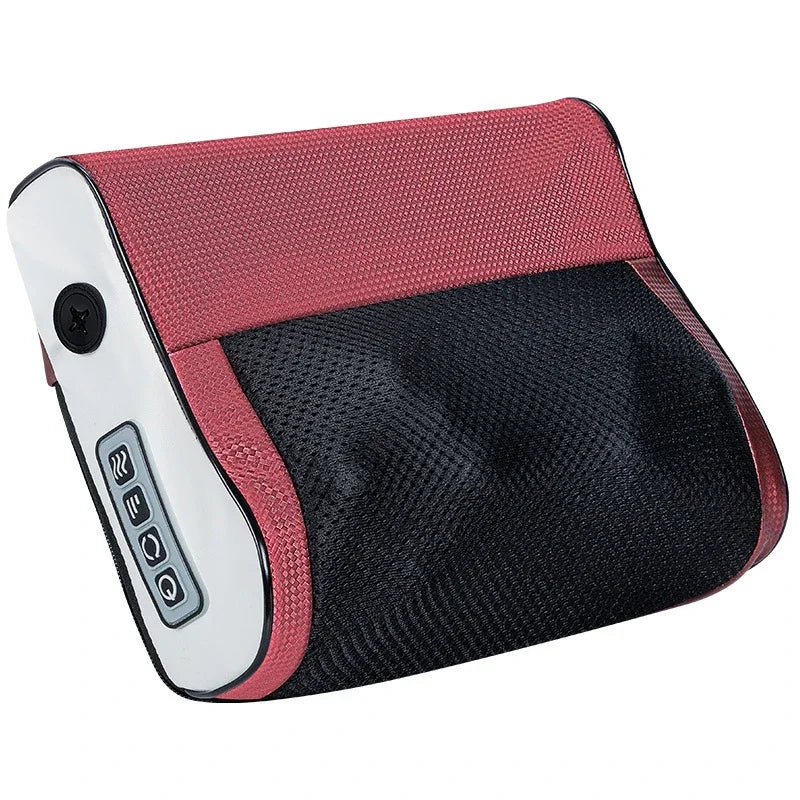
Consistent shoulder relaxation techniques for long-term relief 💡 See it in action
Quick FAQ
Can shoulder tension alone cause headaches?
Yes. Tight shoulder and neck muscles can compress nerves and reduce blood flow, leading to tension headaches even without other triggers.
How often should I use a neck and shoulder massager?
Most people benefit from 10–20 minutes once or twice daily, especially during high-stress periods.
Is heat safe to use every day for neck tension?
For most adults, daily heat use is safe when sessions are limited and skin sensitivity is monitored.
Related Guide: Muscle Tension Stress and Anxiety: Who Benefits Most





