

Sleep Aid for Infant: How to Use Devices Effectively
Do infant self soothing techniques really work?
Infant self soothing techniques help babies calm themselves between sleep cycles, reducing restless infant sleep problems and easing frequent night waking. By pairing gentle sensory cues with consistent routines, these techniques support longer stretches of rest, encourage independent settling, and make bedtime more predictable for both infants and parents.
Infant Self Soothing Techniques: Features That Improve Sleep
Infant self soothing techniques can feel like a lifeline when your infant keeps waking up night after night. Many parents struggle with restless infant sleep problems, unsure whether routines, tools, or timing make the biggest difference. This guide breaks down practical features that truly help babies calm themselves, sleep longer, and feel secure—so bedtime becomes calmer, not stressful.
⏱ 7 min read
Does your baby drift off peacefully only to wake again minutes later? You’re not alone. Night waking is one of the most common frustrations new parents face, and it often leaves families exhausted and overwhelmed. The good news is that small, thoughtful changes can gently guide babies toward better rest.
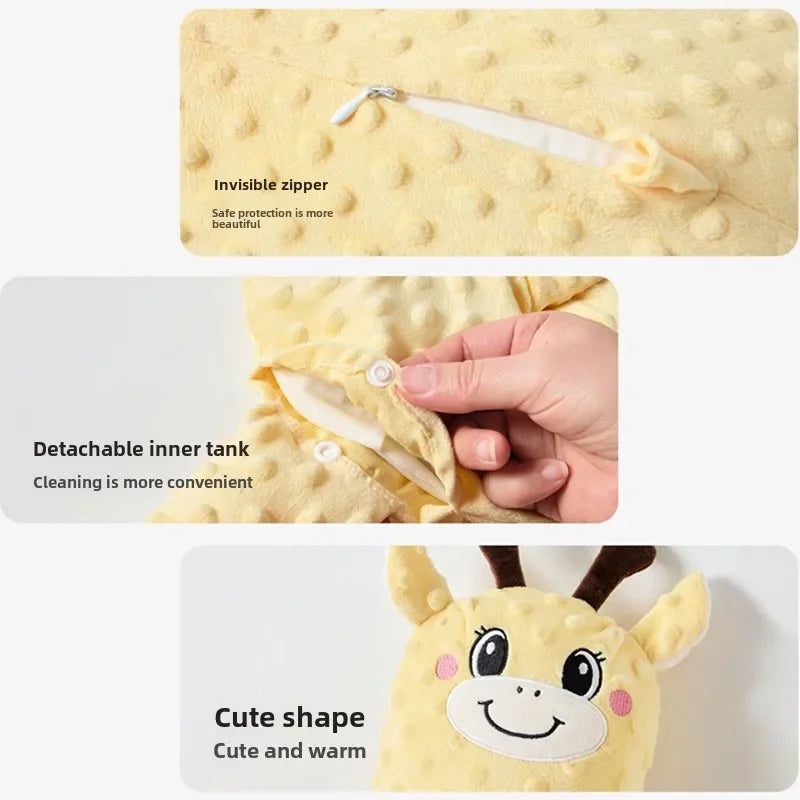
Infant self soothing techniques paired with gentle cues can ease restless infant sleep problems. 💡 See it in action
Why infant self soothing techniques matter for healthy sleep
Infant self soothing techniques are not about ignoring a baby’s needs. They’re about teaching gentle, reassuring ways for infants to settle when they stir between sleep cycles. Babies naturally wake several times a night; learning to resettle helps them return to sleep without full disruption.
When self soothing skills develop gradually, babies often:
- Sleep for longer, more predictable stretches
- Wake less fully during the night
- Feel more secure in their sleep environment
- Rely less on intense external soothing
This is why many parents explore Sleep & Comfort solutions designed to support calm, consistent sleep cues.
Understanding restless infant sleep problems and frequent waking
Restless infant sleep problems often look the same across households: short naps, frequent night waking, and difficulty settling without help. These patterns can come from overstimulation, inconsistent routines, or a lack of familiar calming cues.
If your infant keeps waking up shortly after falling asleep, it’s often because they haven’t yet learned how to transition between sleep stages independently. Gentle repetition and predictable signals can make a noticeable difference.
Which sleep cue helps your baby settle fastest? Many parents are surprised by how small sensory details shape sleep behavior.
What features make infant self soothing techniques more effective?
Infant self soothing techniques work best when multiple calming elements come together. Rather than relying on one approach, successful sleep support often blends sensory comfort, rhythm, and familiarity.
Consistent rhythmic motion
Repetitive, gentle motion mimics sensations babies experienced before birth. Features that provide steady patting or movement can reduce startle responses and help infants relax more quickly.
Soft tactile feedback
Touch is a powerful calming sense. Soft, skin-friendly materials give babies reassuring physical feedback without overstimulation, especially when paired with predictable motion.
Quiet, non-disruptive operation
Sleep tools should never compete with rest. Low-noise designs support uninterrupted sleep and prevent sudden awakenings caused by mechanical sounds.
Safety-focused design
Parents naturally worry about safety at night. Well-designed tools prioritize stable placement, gentle pressure, and baby-safe materials, aligning with recommendations often found in Health & Safety collections.
Infant bedtime routine examples that support self soothing
Infant bedtime routine examples don’t need to be complicated. In fact, simpler routines are often easier for babies to recognize and trust.
- Dim lights and reduce stimulation 20–30 minutes before bed
- Change diaper and dress baby in comfortable sleepwear
- Offer a calm feeding if part of your routine
- Introduce a familiar soothing cue, such as gentle patting
- Place baby down drowsy but relaxed
Parents browsing Baby Care Essentials often look for tools that naturally fit into this flow without adding complexity.
How gentle patting tools improve infant self soothing techniques
Infant self soothing techniques become more effective when babies associate one consistent sensation with comfort. Gentle patting tools are designed to replicate a caregiver’s reassuring touch, offering rhythmic feedback that helps infants relax without constant hands-on soothing.
Products like the baby sleeping patting doll combine soft materials with steady motion, giving babies a familiar cue they can rely on as they drift between sleep cycles.
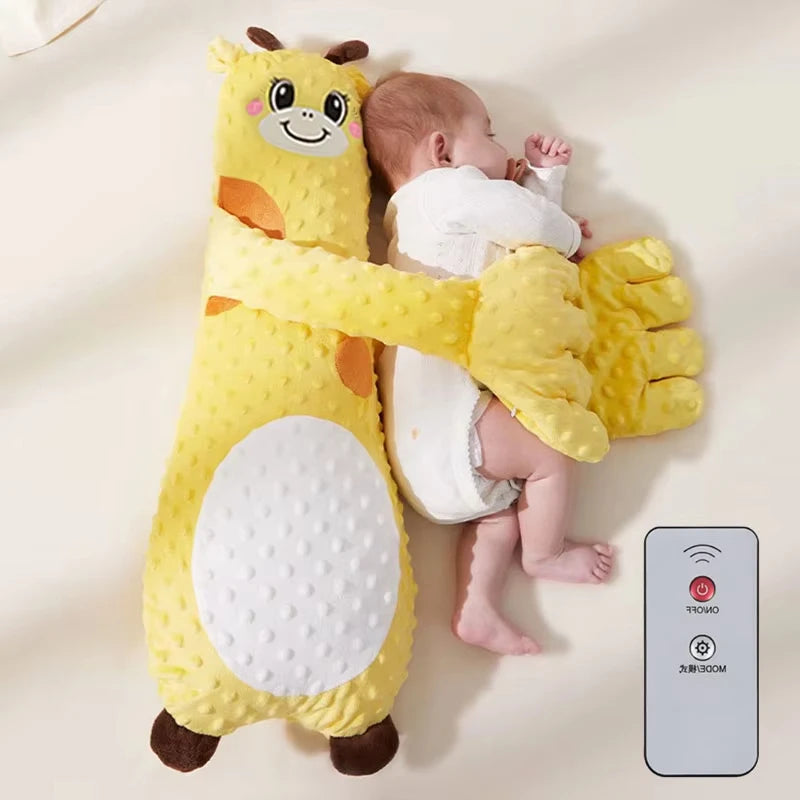
Gentle patting supports infant self soothing techniques when an infant keeps waking up. 💡 See it in action
Why this approach feels natural to babies
Rhythmic patting mirrors caregiver interactions babies experience daily. Over time, this consistency helps infants anticipate rest, easing the transition into sleep.
Comparing gentle patting support with other sleep approaches
| Approach | Strengths | Limitations |
|---|---|---|
| Manual soothing | Highly responsive, comforting | Requires constant caregiver presence |
| Sound-only cues | Easy to use, familiar noise | Less effective for tactile learners |
| Gentle patting tools | Consistent rhythm, hands-free support | Requires initial introduction period |
Many parents blend these methods, using tools from Sensory Toys and Sleep & Comfort collections to build a flexible sleep strategy.
Real parent experiences with infant self soothing techniques
Parents often report noticeable improvements within days of introducing consistent soothing cues. Common feedback includes fewer full awakenings and faster resettling after brief stirrings.
- “Our baby started sleeping longer stretches by the third night.”
- “Bedtime feels calmer and more predictable now.”
- “We finally have evenings that don’t revolve around constant soothing.”
These outcomes highlight why thoughtful design matters when choosing sleep support tools.
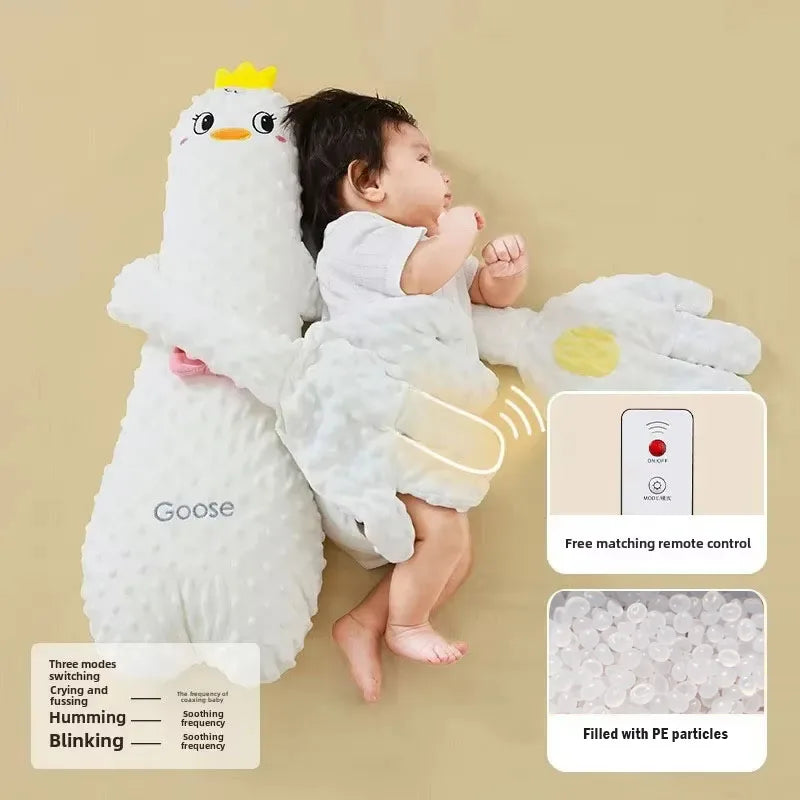
Infant bedtime routine examples paired with soothing tools support better infant sleep. 💡 See it in action
Frequently asked questions about infant self soothing techniques
Are infant self soothing techniques safe for newborns?
Infant self soothing techniques focus on gentle, age-appropriate cues. When tools are designed with safety in mind and used as part of a supervised routine, they can complement newborn sleep support.
How long does it take to see results?
Some parents notice changes within a few nights, while others see gradual improvement over one to two weeks as babies learn to recognize calming cues.
Can these techniques replace caregiver comfort?
No. These approaches support, not replace, responsive caregiving. They help babies settle between natural sleep cycles while caregivers remain attentive to needs.
Related Guide: Infant Soothing Techniques: Step-by-Step Guide for Calm Babies





