

Sleeping in Cold Room Benefits for Hot Sleepers
What are the sleeping in cold room benefits for hot sleepers?
Sleeping in cold room benefits include deeper sleep, fewer night sweats, and better body temperature control. For hot sleepers, a cooler sleeping room temperature helps the body enter deeper sleep stages faster, supports hormone balance, and improves overall recovery—especially when you stay within the optimal room temp for sleeping.
Sleeping in Cold Room Benefits for Hot Sleepers
⏱ 6 min read
Sleeping in cold room benefits aren’t just about comfort—they’re about waking up feeling restored instead of overheated and exhausted. If you’re a hot sleeper who kicks off blankets, wakes up sweaty, or struggles to stay asleep, dialing in the right sleeping room temperature could change everything.

Sleeping in cold room benefits for hot sleepers start with the right setup 💡 See it in action
Why Sleeping in a Cooler Room Helps Hot Sleepers
Sleeping in cold room benefits begin with how your body works. At night, your core temperature naturally drops to signal sleep. When your bedroom is too warm, this process stalls, leading to restless tossing, shallow sleep, and frequent wake-ups.
Hot sleepers often experience:
- Night sweats that disrupt deep sleep
- Difficulty falling asleep despite feeling tired
- Waking up groggy due to fragmented sleep cycles
- Overheating from shared bedding or body heat
By lowering the sleeping room temperature, you help your body complete its natural cooling process—unlocking deeper, more restorative rest.
Key Sleeping in Cold Room Benefits Explained
Sleeping in cold room benefits go beyond comfort. A cooler environment directly supports how your brain and body recover overnight.
1. Deeper, Longer Sleep Cycles
Cooler air encourages faster entry into deep sleep stages. This is when muscle repair, immune support, and memory consolidation happen—critical for busy parents and active adults alike.
2. Relief From Night Sweats
Lower temperatures reduce excessive sweating, helping hot sleepers stay dry and comfortable throughout the night instead of waking up clammy and uncomfortable.
3. Improved Mood and Energy
Consistent, uninterrupted sleep supports hormone balance. Many hot sleepers report better morning focus, fewer mood swings, and more stable energy after adjusting their sleeping room temperature.
4. Better Sleep for the Whole Household
In homes with shared bedrooms or nurseries, a balanced temperature supports everyone’s sleep needs—especially when paired with thoughtful bedding choices.
What Is the Best Temperature for Sleeping in Winter?
The best temperature for sleeping in winter usually falls between 60–67°F (15–19°C). This range supports natural body cooling without causing discomfort or stiffness.
For hot sleepers, staying closer to the lower end often works best—especially when layered bedding allows flexibility. Parents often find this range helpful for maintaining comfort across age groups.
Using tools from the Temperature Tools collection can help monitor and maintain a consistent sleeping room temperature throughout the night.
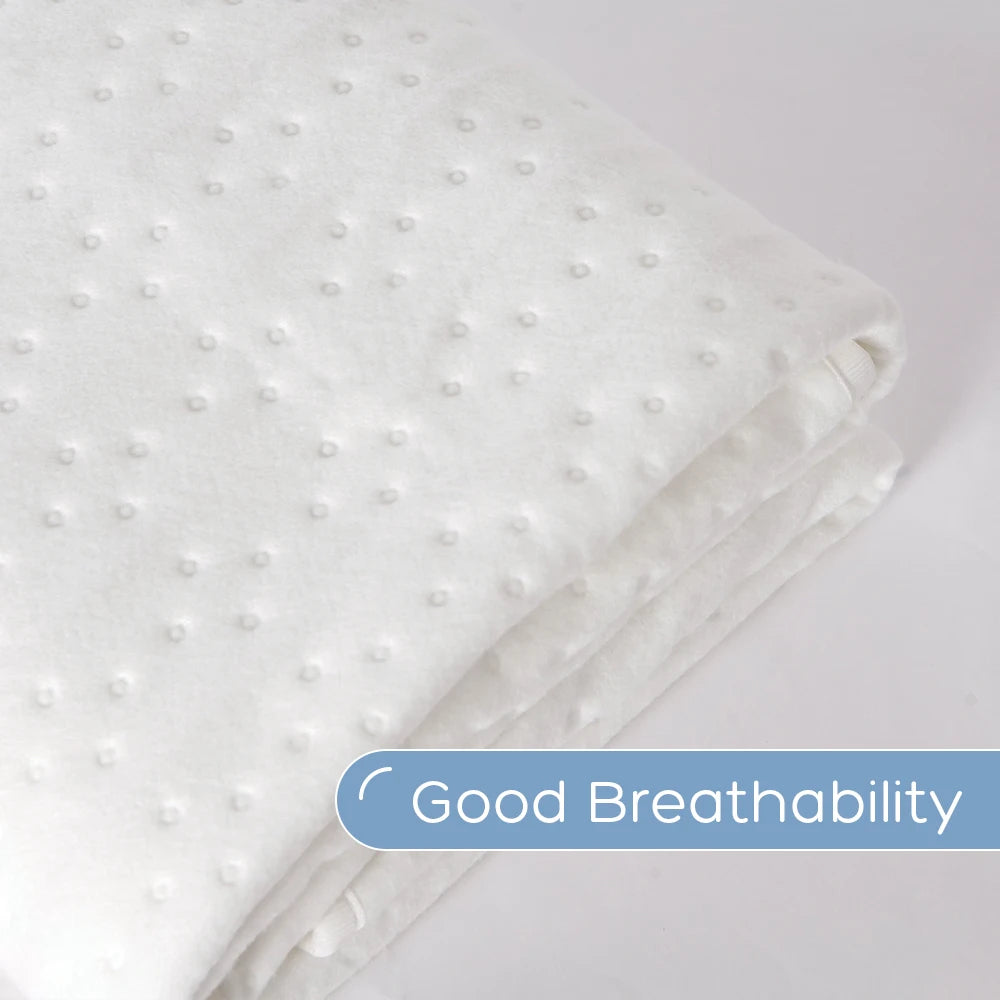
Finding the optimal room temp for sleeping helps reduce night sweats 💡 See it in action
How Cold Is Too Cold at Night?
While sleeping in cold room benefits are real, too much cold can disrupt sleep. Signs your room is too cold include shivering, tense muscles, or waking up with stiffness.
The goal is balance—not endurance. Adjustable layers, breathable fabrics, and targeted warmth allow hot sleepers to enjoy cooler air without discomfort.
Products in the Sleep & Comfort collection are designed to help regulate warmth without trapping excess heat.
Hot Sleepers, Parents, and Shared Bedrooms
Parents often juggle different sleep needs in one room. Babies and toddlers may need stable temperatures, while adults struggle with overheating.
This is where smart layering matters. A cooler base temperature paired with individualized bedding lets everyone rest comfortably—without compromising safety or sleep quality.
Many families rely on insights from the Monitoring Devices collection to track room conditions and adjust proactively.
Practical Tips to Maximize Sleeping in Cold Room Benefits
- Set your thermostat within the optimal room temp for sleeping range.
- Use breathable bedding materials that release heat.
- Layer blankets so warmth is adjustable during the night.
- Keep airflow consistent with fans or vents—not direct drafts.
These small adjustments often make the biggest difference for hot sleepers seeking uninterrupted rest.
Real Stories From Hot Sleepers
“I used to wake up soaked every night,” shares one parent. “Lowering our room temperature and adjusting bedding helped me sleep through the night for the first time in years.”
Another hot sleeper notes improved recovery and fewer headaches after committing to a cooler sleeping room temperature.
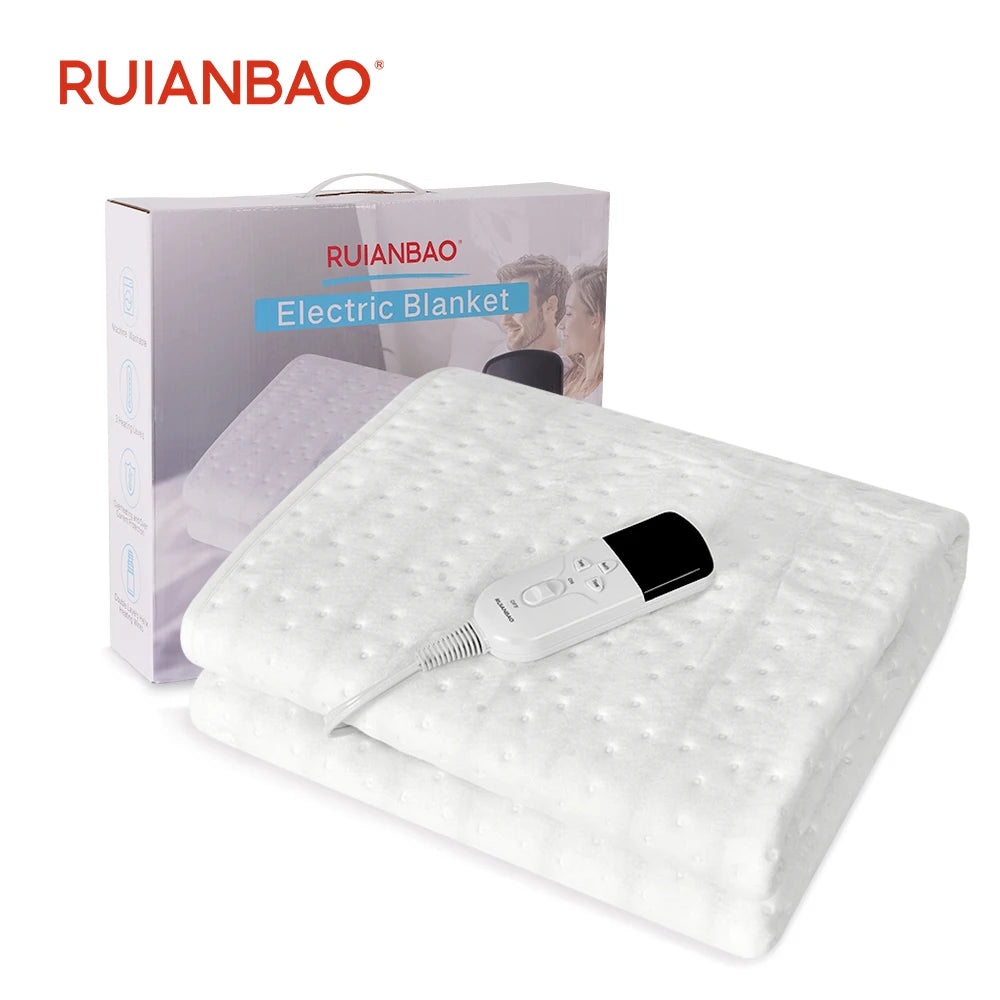
Better sleep starts with understanding sleeping in cold room benefits 💡 See it in action
Frequently Asked Questions
Does sleeping in a cold room improve sleep quality?
Yes. Sleeping in cold room benefits include deeper sleep stages, fewer awakenings, and improved recovery—especially for hot sleepers prone to overheating.
What is the optimal room temp for sleeping?
Most experts suggest 60–67°F (15–19°C). Hot sleepers often prefer the lower end of this range for consistent comfort.
Is sleeping in a cold room safe for families?
When temperatures are monitored and bedding is adjusted, cooler rooms are safe and comfortable for adults and children alike.
Related Guide: Staying Warm in Bed for Every Sleeper Type





