

Stability Ball Pilates: How to Master Key Moves at Home
Does stability ball pilates really work for strength and balance?
Stability ball pilates builds strength, balance, and control by adding gentle instability to classic Pilates moves. Using a Pilates stability ball workout activates deep core muscles, improves posture, and supports joints. This low-impact method enhances balance training activities at home with minimal equipment and measurable gains in coordination.
⏱ 7 min read
Stability Ball Pilates: How to Master Key Moves at Home
Busy days, stiff backs, and limited space can make home workouts feel impossible—especially if you want something effective yet gentle. Stability ball pilates offers a smart solution: simple movements that wake up deep muscles, improve balance, and fit easily into real life. Ready to feel stronger without punishing your joints?
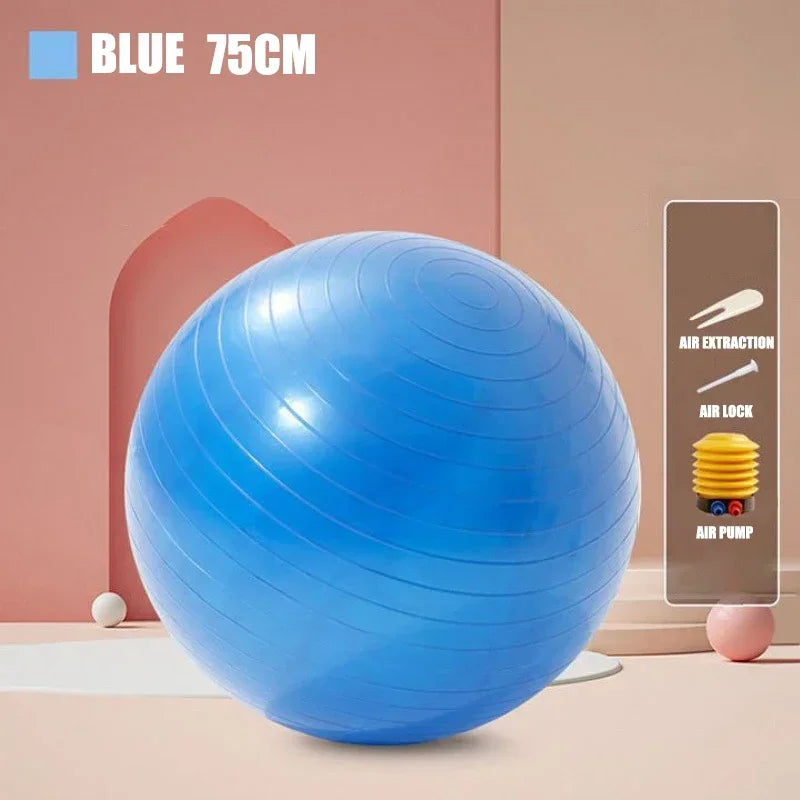
Stability ball pilates basics at home 💡 See it in action
Curious which move challenges your balance the most? Read on and try it today.
View the balance ball here
What Is Stability Ball Pilates?
Stability ball pilates blends traditional Pilates principles with an inflatable ball to add controlled instability. This forces your body to recruit smaller stabilizing muscles while performing slow, precise movements.
Unlike fast-paced workouts, this method focuses on quality over quantity—perfect for anyone seeking strength without strain.
Why Use a Stability Ball at Home?
Stability ball pilates turns limited space into a full-body studio. The ball supports your spine, challenges balance, and adapts easily to different fitness levels.
- Enhances core engagement without heavy equipment
- Supports low-impact fitness for joints
- Improves posture through balance training activities
- Makes workouts feel playful yet focused
Many parents prefer this approach because it fits short breaks and reduces injury risk. Pairing sessions with recovery tools from Massage & Relaxation can help ease muscle tension afterward.
Getting Started Safely
Before your first Pilates stability ball workout, set up your space and body correctly.
- Choose the right ball size so hips are level with knees when seated.
- Clear a small area with non-slip flooring.
- Move slowly and control each breath.
- Stop if you feel sharp pain or dizziness.
For added confidence, beginners often combine sessions with gentle mobility routines from Mobility & Training.
Key Stability Ball Pilates Moves to Master
Stability ball pilates works best when you focus on foundational moves that teach control and balance.
1. Stability Ball Bridge
Answer: Stability ball pilates bridges strengthen glutes and core by lifting hips while heels rest on the ball. This activates deep stabilizers and improves pelvic control. Practicing 8–12 slow reps builds balance safely and supports lower-back comfort.
- Lie on your back, heels on the ball
- Lift hips while keeping ribs down
- Hold briefly, then lower with control
2. Seated Balance Hold
Sitting tall on the ball challenges posture muscles and coordination.
- Feet flat, spine long
- Lift one foot slightly to increase difficulty
- Hold for 20–30 seconds
3. Ball Plank
This variation intensifies core activation without high impact.
- Forearms on the ball
- Maintain a straight line head to heels
- Breathe steadily for 15–30 seconds
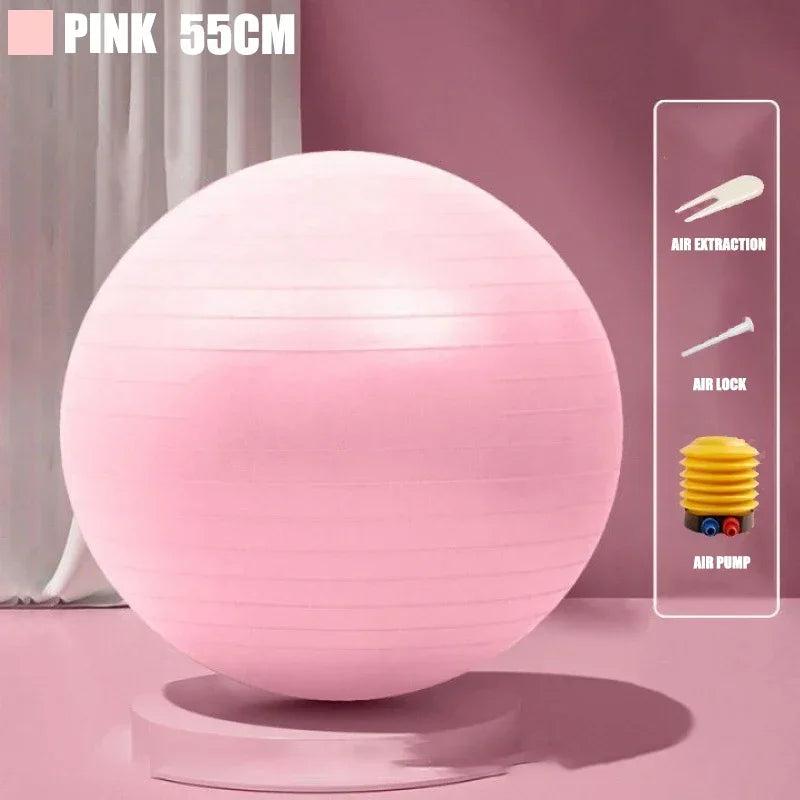
Pilates stability ball exercises for core control 💡 See it in action
Check the balance ball details
A Simple Pilates Stability Ball Workout
This short routine fits into busy schedules and targets the full body.
- Seated balance hold – 30 seconds
- Ball bridge – 10 reps
- Ball plank – 20 seconds
- Wall squat with ball – 10 reps
Complete 2–3 rounds, resting as needed. Many users report improved posture within two weeks of consistent practice.
Progress Tips for Better Results
- Slow down movements to increase challenge
- Add arm motions to boost coordination
- Increase hold times gradually
- Pair workouts with recovery routines
Combining sessions with calming rituals from Beauty & Wellness can make consistency easier and more enjoyable.
Who Benefits Most from Stability Ball Pilates?
This approach suits beginners, parents easing back into fitness, and anyone seeking balance training activities without high impact. It’s also popular among those managing tight schedules or looking for mindful movement.
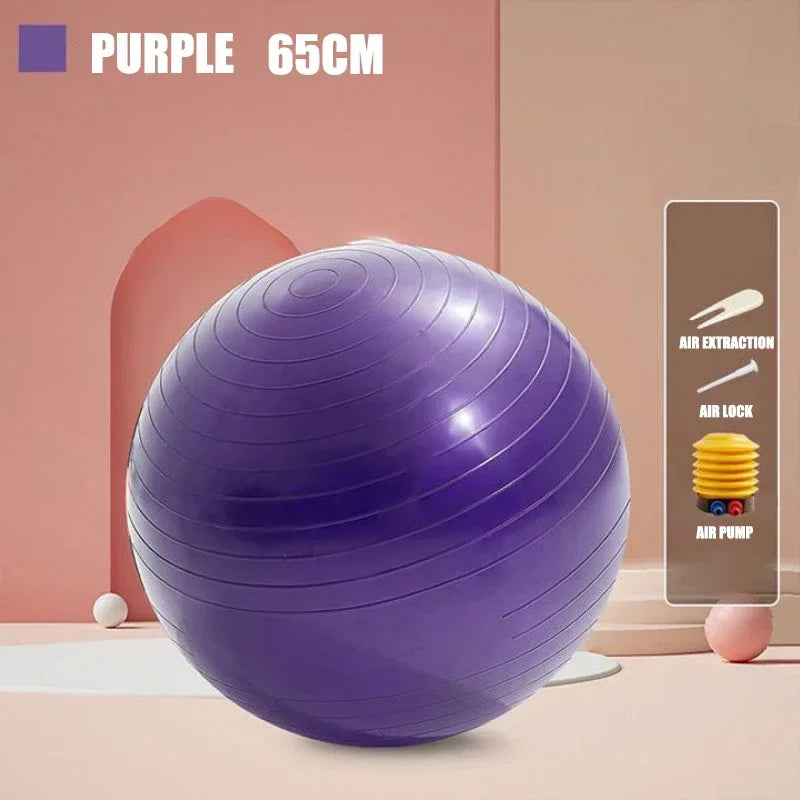
A gentle Pilates stability ball workout at home 💡 See it in action
Get yours now
Frequently Asked Questions
How often should I do stability ball pilates?
Practicing 2–4 times per week allows muscles to adapt while supporting recovery. Short, consistent sessions work better than occasional long workouts.
Is stability ball pilates safe for beginners?
Yes, when movements are slow and controlled. Start with basic exercises and increase difficulty gradually.
Can stability ball pilates replace gym workouts?
It can support strength, balance, and mobility at home. Many people use it alongside other low-impact routines for well-rounded fitness.
Related Guide: How to Improve Core Strength: Step-by-Step Guide





