

Talking to Baby in Womb With Music and Voice
Does talking to baby in womb really help?
Talking to baby in womb supports early prenatal bonding by exposing your baby to familiar voice patterns and gentle in womb sounds. Research shows babies can recognize voices and rhythms before birth, and consistent womb audio may promote calmness, emotional security, and stronger connection after delivery.
Talking to Baby in Womb With Music and Voice
⏱ 7 min read
Talking to baby in womb can feel emotional, exciting, and sometimes uncertain. Many parents wonder if their baby can truly hear them and whether music or voice makes a real difference. The good news is that simple prenatal bonding activities—like speaking softly or playing gentle sounds—can help you feel closer while supporting early connection long before birth.
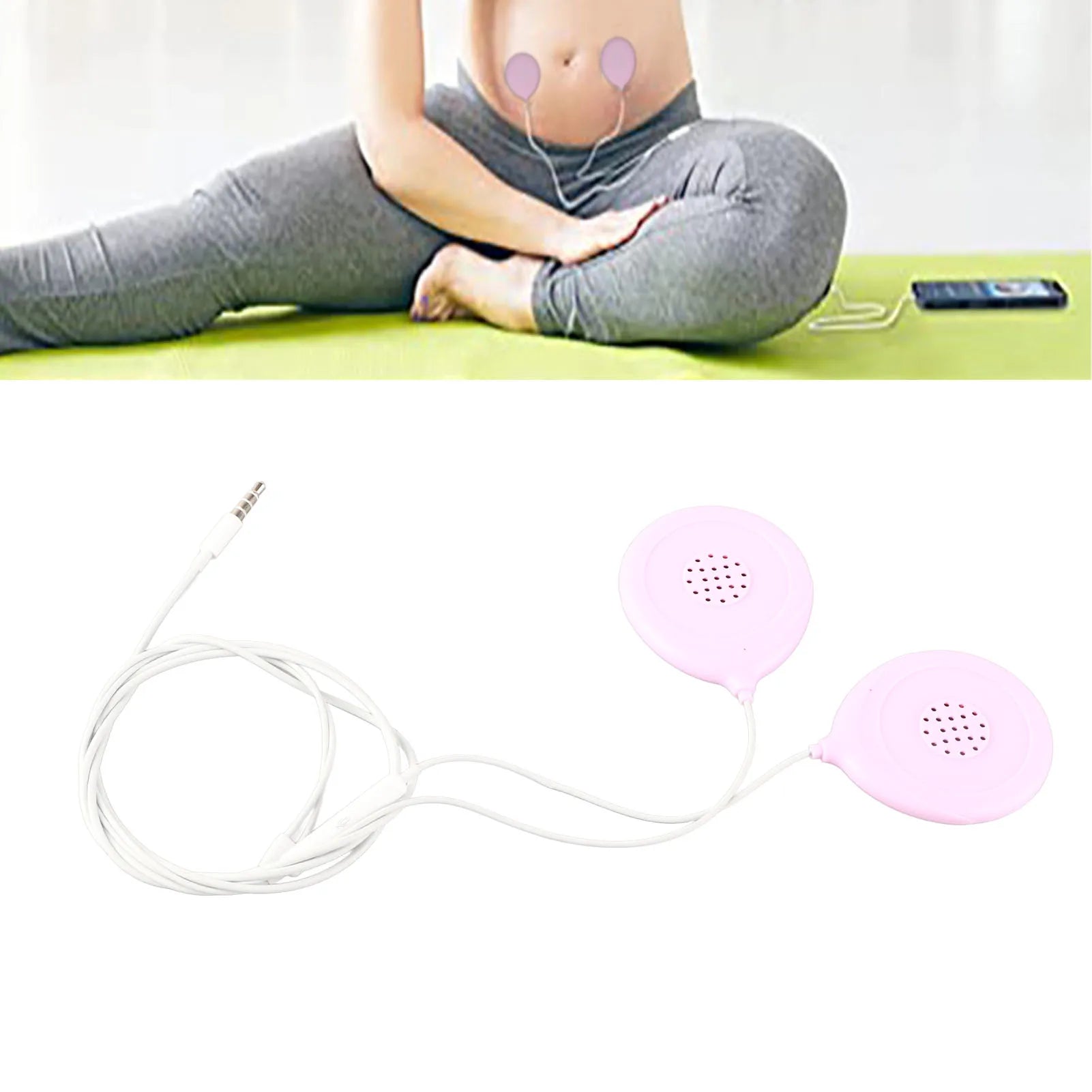
Talking to baby in womb through gentle voice and music supports prenatal bonding. 💡 See it in action
Wondering if you’re doing enough to connect with your baby before birth? You’re not alone. Many parents worry about missing the “right” moment or method. The truth is simpler—and more comforting—than most people think.
👉 Explore calming tools that support early bonding with thoughtfully designed solutions found in Baby Growth & Learning.
Why Your Voice Matters Before Birth
Your voice is one of the first consistent sounds your baby experiences. Long before birth, babies are surrounded by rhythmic in womb sounds—your heartbeat, breathing, and speech vibrations.
When you speak regularly, your baby becomes familiar with:
- Your tone and emotional rhythm
- Speech patterns and pauses
- A sense of comfort tied to your presence
- Early language exposure through sound
These early experiences help lay the groundwork for emotional security and recognition after birth.
When Can a Baby Hear in the Womb?
Talking to baby in womb becomes meaningful once hearing develops, typically around the second trimester.
Here’s a simple timeline:
- 16–18 weeks: Baby begins detecting vibrations
- 20–24 weeks: Sounds become clearer and more recognizable
- 25+ weeks: Baby may respond to familiar voices or music
This is why consistency matters more than volume or complexity.
How to Talk to Baby in Womb Step by Step
Talking to baby in womb works best when it feels natural and pressure-free.
- Choose a calm moment – bedtime or quiet mornings work well.
- Use your natural voice – no need to exaggerate or perform.
- Repeat familiar phrases – consistency builds recognition.
- Place hands on belly – adds physical reassurance.
You might describe your day, read a short story, or simply say how much you’re looking forward to meeting your baby.
👉 Learn gentle ways to support connection with resources from Mom Essentials.
How Music Supports Prenatal Bonding
Talking to baby in womb doesn’t have to rely on voice alone. Music adds another layer of sensory familiarity.
Gentle music may help:
- Encourage relaxation for both parent and baby
- Create predictable routines
- Introduce rhythm and melody
- Strengthen emotional association with calm moments
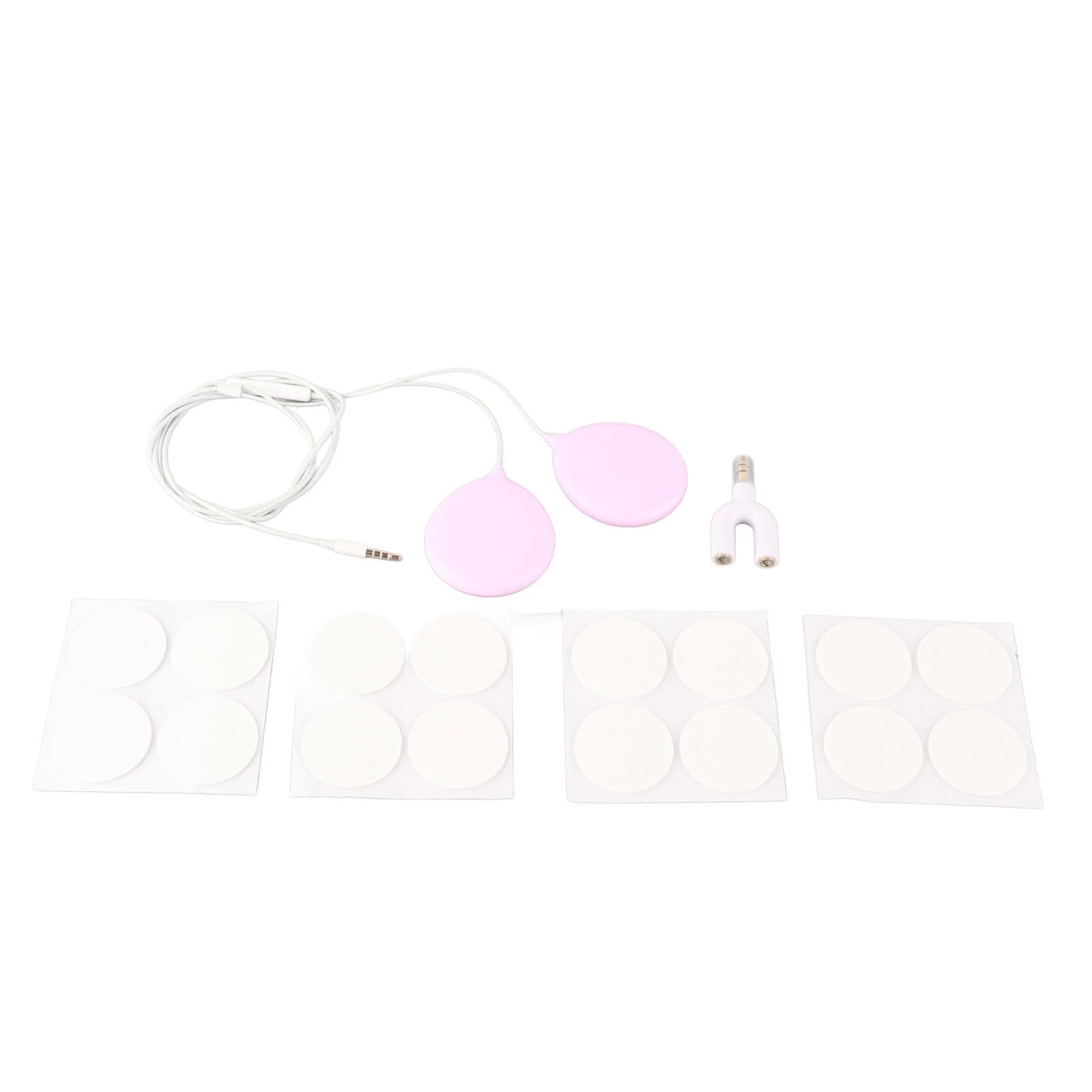
Using music and womb audio enhances prenatal bonding activities. 💡 See it in action
Many parents choose soft instrumental tracks or lullabies paired with voice for balanced womb audio exposure.
👉 Discover comforting sound routines supported by products in Sleep & Comfort.
Safe Ways to Use Womb Audio
Talking to baby in womb and using music should always feel gentle and safe.
Best practices include:
- Keep volume low and soothing
- Limit sessions to 10–20 minutes
- Avoid placing sound sources directly on the belly unless designed for prenatal use
- Focus on consistency rather than intensity
Specially designed options like pregnancy belly headphones for prenatal music allow sound to be delivered evenly without disruption.
Building a Daily Prenatal Bonding Routine
Consistency turns small moments into meaningful prenatal bonding activities.
A simple daily routine might include:
- Morning greeting and light conversation
- Midday calming music break
- Evening storytelling or gentle humming
These routines can also help parents slow down, reducing stress and creating emotional balance.
👉 Find tools that fit your daily rhythm in Beauty & Wellness.
Common Mistakes to Avoid
Talking to baby in womb is simple, but a few missteps can create unnecessary stress.
- Overthinking what to say
- Using overly loud or constant sound
- Comparing your routine to others
- Forgetting to enjoy the moment
Your baby responds to familiarity and calm—not perfection.

Consistent talking to baby in womb builds emotional connection before birth. 💡 See it in action
👉 Bring comfort and connection home today with thoughtfully designed prenatal solutions from pregnancy belly headphones for prenatal music.
Frequently Asked Questions
Can my baby recognize my voice after birth?
Yes. Babies often show signs of recognition and calmness when hearing familiar voices they were exposed to in the womb.
Is talking better than music?
Both are helpful. Voice adds emotional familiarity, while music supports rhythm and relaxation. Many parents use both together.
How often should I talk to my baby in the womb?
Short, consistent moments daily are more effective than long, infrequent sessions.
Related Guide: How to Play Music Pregnancy Safely for Daily Bonding





