

Baby Sensitive to Noise? Causes, Signs, and How to Help
Does baby noise sensitivity affect sleep?
Yes. A baby sensitive to noise when sleeping is more likely to wake during light sleep when exposed to sudden or unpredictable sounds. While this is often a normal part of early development, reducing sharp noise spikes, following consistent bedtime routines, and maintaining safe noise levels for newborns can improve sleep quality while lowering infant noise exposure risks.
Tips for baby noise sensitivity you can use every day
⏱ 6 min read
If your baby startles awake at every door slam, barking dog, or passing car, you're not alone. Many parents wonder whether their newborn is simply sensitive to noise or whether something more serious is happening. The good news is that most babies gradually become less reactive as their nervous systems mature. With a few practical adjustments, you can protect delicate ears, encourage longer stretches of sleep, and build healthy listening habits without keeping your home completely silent.
Explore calming solutions in Sleep & Comfort .
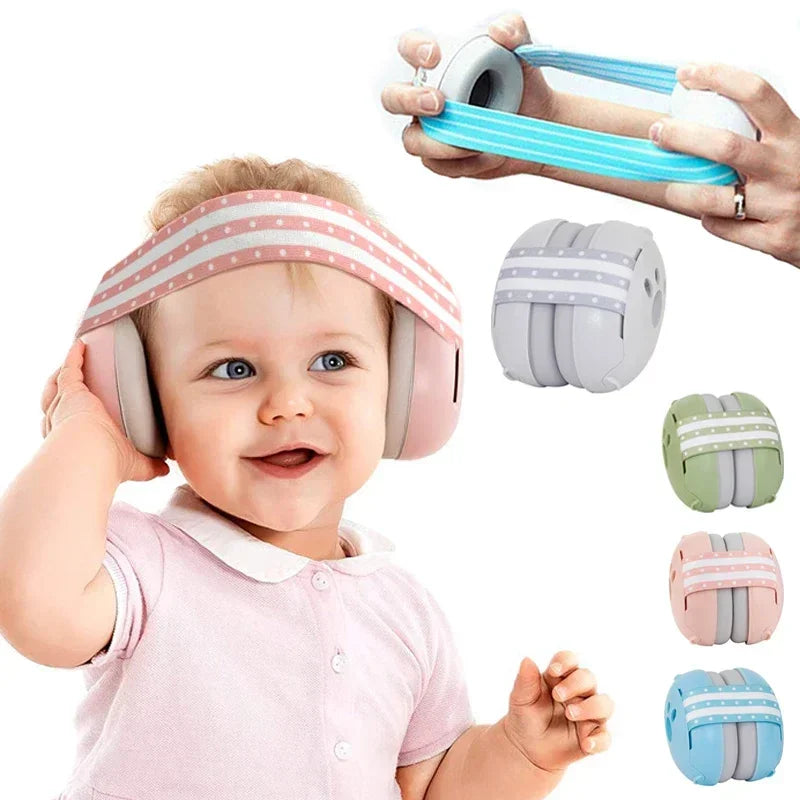
Tips for baby noise sensitivity start with a calmer sleep setup and safe noise levels for newborns. See it in action.
Baby sensitive to noise: what is normal and when should you worry?
Normal newborn startle reflex vs persistent noise sensitivity
A newborn sensitive to noise is usually experiencing the Moro (startle) reflex, which is expected during the first few months of life. Sudden sounds, bright lights, or unexpected movement can briefly trigger arm extension, crying, or waking from sleep. These reactions generally become less noticeable as babies gain better nervous system control.
However, if your baby remains extremely distressed by ordinary household sounds, struggles to settle after every noise, or shows increasing sensitivity over time, it's worth discussing these concerns with your pediatrician.
How noise sensitivity changes from newborn to infant
As infants grow, they gradually learn to filter everyday background sounds. A young newborn may wake from nearly every unexpected noise, while an older infant often sleeps through familiar household activity when healthy sleep routines are established.
- 0–3 months: frequent startle responses are common.
- 3–6 months: many babies begin adapting to familiar daily sounds.
- 6 months and beyond: predictable environments usually reduce unnecessary waking while babies become more aware of unusual noises.
Why is my baby so sensitive to noise?
Immature nervous system and normal development
The most common reason a baby is very sensitive to noise is that the brain is still learning how to process sensory information. Babies cannot ignore background sounds the way adults do, so unexpected noises feel much more significant.
Temperament and sensory differences
Some babies naturally have more sensitive temperaments. A baby sensitive to sound may react more strongly to busy environments, visitors, or multiple competing noises even though hearing is completely normal.
Illness, sleep deprivation, and hearing concerns
Temporary factors such as illness, congestion, teething discomfort, or overtiredness can make babies more reactive. When babies are sleep deprived, their nervous systems are often less able to tolerate additional stimulation, causing them to wake more easily.
Could noise sensitivity be linked to autism?
Parents sometimes wonder whether a baby very sensitive to sound could be showing early signs of autism. Noise sensitivity alone is not enough to indicate autism. Many healthy infants dislike loud sounds, especially during the first year. If sound sensitivity occurs alongside ongoing developmental concerns involving communication, eye contact, or social interaction, your pediatrician may recommend further developmental evaluation.
Signs your baby's hearing should be evaluated
Expected hearing milestones by age
Most babies begin startling to loud sounds soon after birth, recognize familiar voices within the first months, and gradually turn toward interesting sounds as hearing and attention develop.
- No reaction to loud sounds.
- No calming response to familiar voices.
- Not turning toward sounds as expected for age.
- Extremely unusual reactions that persist or worsen over time.
When to call your pediatrician
If your infant is sensitive to noise but also misses expected hearing milestones, seems unusually distressed by everyday sounds, or you have any concerns after newborn hearing screening, arrange a medical evaluation. Early assessment helps identify hearing problems or other developmental issues when treatment is most effective.
How to help a baby become more comfortable with everyday sounds
Gradual sound exposure
Rather than aiming for complete silence, introduce everyday household sounds at comfortable levels. This helps babies learn that normal environmental noise is safe.
Predictable routines and calming techniques
Consistent nap schedules, feeding routines, and soothing bedtime rituals reduce overtiredness, making babies less reactive to unexpected sounds.
Using white noise safely
White noise can help mask sudden sound spikes when used at a moderate volume and positioned safely away from the crib. It should create gentle background sound instead of becoming another loud noise source.
Preparing for loud events
For fireworks, sporting events, concerts, family celebrations, or travel, infant noise protection may be appropriate. Many parents choose comfortable hearing protection such as baby noise reduction earmuffs to reduce exposure during unavoidable noisy situations.
Parents often find helpful routines and practical sleep guidance in Baby Care Tips & Advice .
What are safe noise levels for newborns?
Safe noise levels for newborns
Safe noise levels for newborns generally remain around the volume of a normal conversation. Short exposure to ordinary household sounds is typically well tolerated, while prolonged loud environments should be avoided whenever possible.
Infant noise exposure risks
Repeated exposure to loud traffic, construction, concerts, fireworks, or amplified music increases infant noise exposure risks. Besides affecting hearing, excessive noise can disrupt sleep, increase stress responses, and make settling more difficult.
When hearing protection is appropriate
Hearing protection is most useful during situations where loud sounds cannot be avoided rather than for everyday life at home.
| Environment | Typical Recommendation |
|---|---|
| Quiet nursery with soft white noise | Ideal for sleep and calming routines |
| Normal family conversation | Generally safe |
| Busy streets or construction nearby | Limit prolonged exposure when possible |
| Concerts, fireworks, sporting events | Use infant noise protection and limit time |
Learning more about hearing protection and monitoring tools is easier when browsing Health & Safety .
Try baby noise reduction earmuffs for situations where extra hearing protection is appropriate.
Common noise mistakes parents make
Keeping the home too quiet
Total silence isn't necessary and may make ordinary sounds feel more disruptive later. Gentle, consistent background activity helps babies adapt naturally.
Overusing white noise
White noise should be calming rather than loud. Keep devices at a safe distance from the crib and avoid excessive volume throughout the night.
Ignoring persistent symptoms
Most babies outgrow normal sound sensitivity, but persistent extreme reactions, missed developmental milestones, or ongoing sleep problems deserve professional evaluation rather than waiting for them to disappear on their own.
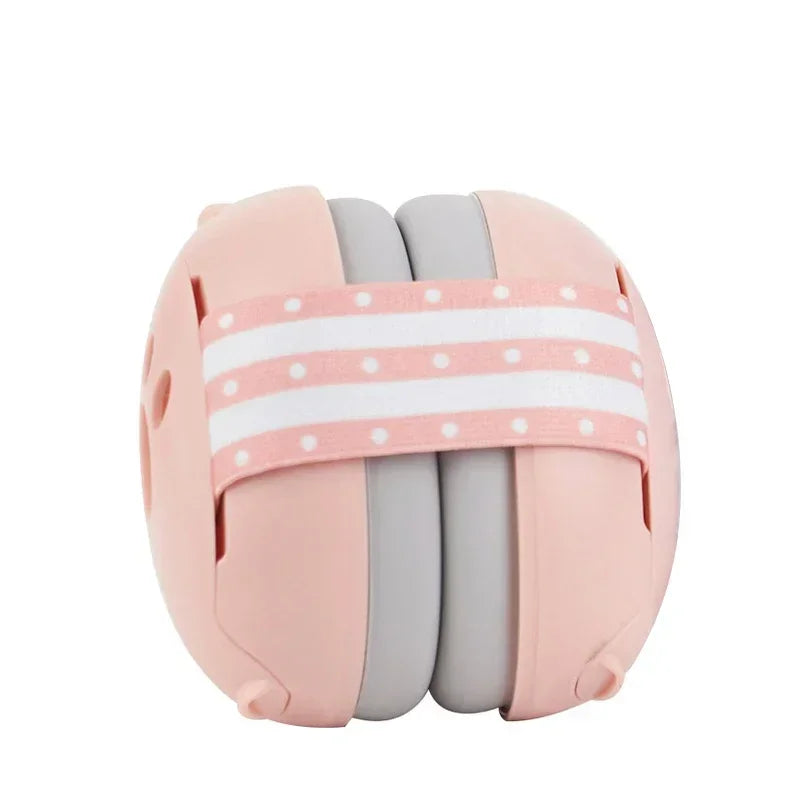
Infant noise protection supports safe noise levels for newborns during busy moments. See it in action.
Try a simple solution like baby noise reduction earmuffs while supplies last.
Frequently asked questions
Is white noise safe for babies?
Yes. When used at a moderate volume and positioned safely away from the crib, white noise can help mask sudden environmental sounds and support more consistent sleep.
Can loud noise harm newborn hearing?
Repeated or prolonged exposure to loud environments increases infant noise exposure risks. Protecting babies from excessive sound helps support healthy hearing development.
Should babies sleep in silence?
No. Gentle, predictable background sound is often more helpful than complete silence because it reduces the impact of sudden noises.
Why is my baby scared of the vacuum cleaner?
Vacuum cleaners combine loud volume with unfamiliar vibration and movement. Gradual exposure, distance, and reassurance usually help babies become more comfortable over time.
How can I help my baby during fireworks or thunderstorms?
Stay indoors if possible, close windows, use calming background noise, maintain your normal bedtime routine, and consider appropriate hearing protection during unavoidable loud outdoor events.
Related Guide: How to protect baby hearing at home and outdoors





