

Ultrasonic Humidifiers Safe for Essential Oils? What to Know
Can you safely use essential oils in an ultrasonic humidifier?
Ultrasonic humidifier essential oil use is safe only if the manufacturer specifically states the unit is compatible with aromatherapy . Most standard ultrasonic humidifiers are designed to humidify air—not disperse essential oils. Using oils in an incompatible model may damage internal components, reduce mist output, void the warranty, and leave oily residue inside the tank.
Ultrasonic Humidifier Essential Oil Guide: How to Use Safely
⏱ 6 min read
Dry indoor air can make sleep harder, skin feel itchy, and daily routines less comfortable—especially for families with babies, children, or allergy-prone adults. Many people ask whether adding essential oils can create a calmer indoor environment without harming their humidifier. The answer depends entirely on your model. This guide explains how to use essential oils safely, when to avoid them, and how to protect both your humidifier and indoor air quality.
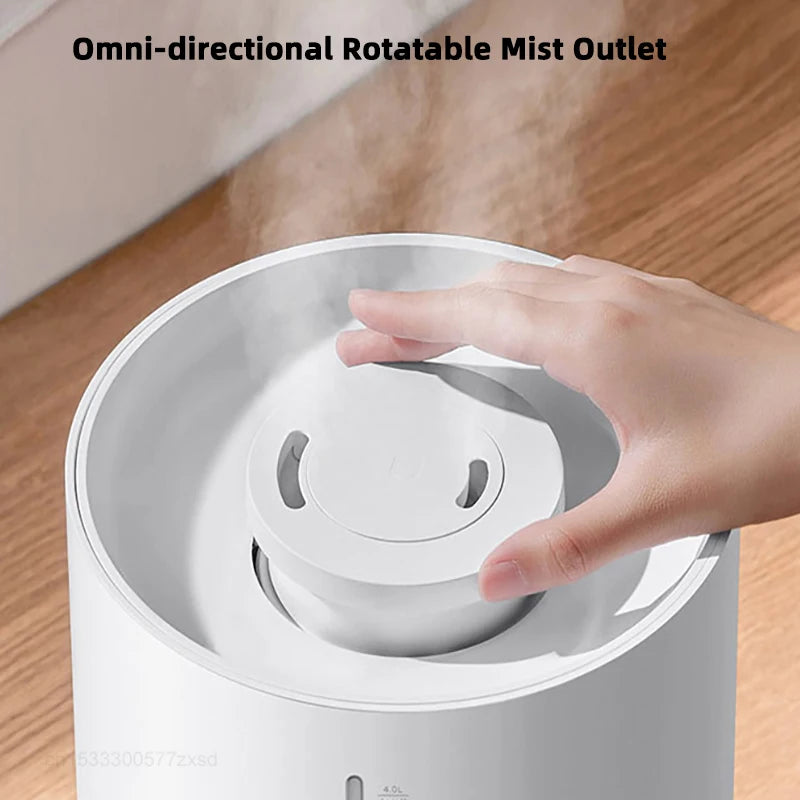
Ultrasonic humidifier essential oil setup for calm, balanced air. See it in action.
Explore gentle wellness tools in Beauty & Wellness
Are Ultrasonic Humidifiers Safe for Essential Oils? What You Need to Know First
Can you put essential oils in a humidifier?
Not always. While some premium models include a dedicated aroma tray or aromatherapy compartment, most standard ultrasonic humidifiers are designed to use clean water only. Before adding any essential oil, check the owner's manual or manufacturer specifications. If aromatherapy compatibility is not clearly stated, avoid adding oils.
Humidifier vs essential oil diffuser: key safety differences
A humidifier's primary purpose is to increase indoor humidity, while an essential oil diffuser is specifically engineered to disperse fragrance. Although both may use ultrasonic technology, their internal materials, reservoirs, and operating designs often differ. Using a standard humidifier as a diffuser may reduce performance and increase maintenance requirements.
- Humidifiers prioritize moisture output.
- Diffusers prioritize aroma distribution.
- Compatible humidifiers separate oils from the main water tank.
- Manufacturer guidance should always take priority over general advice.
How Ultrasonic Humidifiers Work and Why Essential Oils Can Cause Problems
How ultrasonic mist technology works
Ultrasonic humidifiers use a vibrating ceramic transducer that rapidly oscillates to create microscopic water droplets. A small fan then releases this cool mist into the room, helping maintain comfortable humidity without heating the water.
Why essential oils may damage the ultrasonic membrane and tank
Essential oils contain concentrated plant compounds that may coat ultrasonic membranes, clog narrow channels, or gradually affect certain plastics and seals. Over time, residue can reduce mist production, create stubborn buildup, and increase cleaning frequency. Some manufacturers also exclude oil-related damage from warranty coverage unless the humidifier is specifically designed for aromatherapy.
How to Use Essential Oils in a Humidifier Safely (If Your Model Allows It)
Check for an aroma tray or essential oil compatibility
Follow this quick checklist before adding any oil:
- Confirm the humidifier is labeled aromatherapy compatible.
- Read the manufacturer's instructions first.
- Locate the dedicated aroma tray or oil compartment.
- Never assume all ultrasonic humidifiers support essential oils.
Follow dilution and usage instructions
If your humidifier supports aromatherapy, use essential oils conservatively.
- Add oils only to the designated aroma tray.
- Never mix oils directly into the main water tank unless instructed.
- Begin with 1–2 drops.
- Use short sessions, particularly around babies, older adults, or people with respiratory sensitivity.
- Stop use immediately if irritation or strong odors occur.
Potential Risks of Using Essential Oils in Standard Ultrasonic Humidifiers
Device damage and reduced mist performance
Adding oils to an incompatible humidifier can leave sticky residue on internal components, reduce mist output, clog ultrasonic parts, and shorten the appliance's lifespan. These issues often require deeper cleaning than standard mineral deposits.
Air quality concerns for sensitive users
Essential oils are not appropriate for every environment. Babies, young children, pets, people with asthma, and individuals with fragrance sensitivities may react differently to airborne oils. Good ventilation, moderate humidity, and minimal fragrance are generally safer than excessive oil use.
Humidifier vs Essential Oil Diffuser: Which Option Is Safer?
| Feature | Humidifier | Essential Oil Diffuser |
|---|---|---|
| Primary purpose | Add moisture to dry air | Disperse essential oil aroma |
| Designed for oils | Only compatible models | Yes |
| Typical runtime | Longer humidity sessions | Short aroma sessions |
| Best choice | Dry indoor environments | Aromatherapy and fragrance |
If your goal is primarily aromatherapy, a dedicated diffuser is usually the better choice. If your goal is healthier humidity during dry seasons, use a humidifier and add oils only when the manufacturer specifically allows it.
Common Mistakes That Reduce Air Quality and Device Lifespan
Adding oils without checking compatibility
One of the most common mistakes is assuming every ultrasonic humidifier functions like an essential oil diffuser. This can result in residue buildup, clogged components, and inconsistent mist production.
Even compatible humidifiers require regular cleaning after aromatherapy use. Oil residue attracts dust, traps minerals, and may contribute to unpleasant odors if left inside the system.
| ❌ Mistake | ✅ Better Choice |
|---|---|
| Adding oils directly to the water tank | Use the designated aroma tray only |
| Using excessive amounts of oil | Begin with 1–2 drops |
| Ignoring manufacturer guidance | Follow the instruction manual |
| Skipping weekly cleaning | Remove residue before buildup develops |
Cleaning and Maintenance After Using Essential Oils
How to remove oil residue safely
After each aromatherapy session, empty any remaining water, wipe accessible surfaces with a soft cloth, and clean the aroma tray separately. Avoid abrasive cleaners that could damage delicate ultrasonic components.
How often to clean an ultrasonic humidifier
- Empty and dry the tank every day.
- Perform a deeper cleaning at least once each week.
- Use distilled water whenever practical to reduce mineral deposits.
- Replace filters or cartridges according to the manufacturer's schedule.
- Inspect the ultrasonic plate periodically for residue.
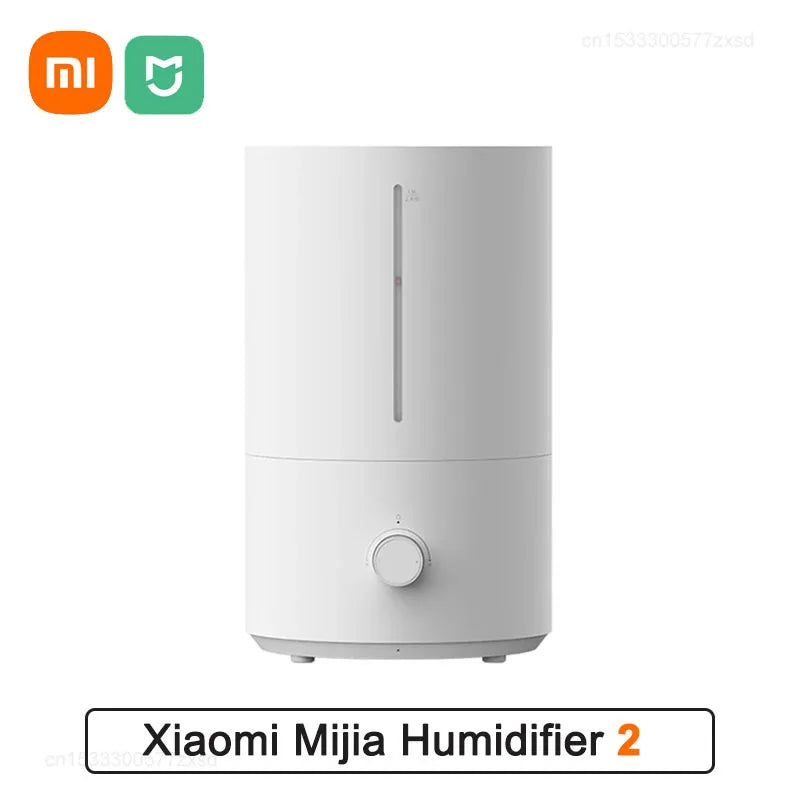
Regular cleaning helps maintain consistent mist performance and safer indoor air.
For additional maintenance advice, see our Maintain Healthy Indoor Humidity: A Step-by-Step Home Guide .
Myth vs Fact: Essential Oils and Ultrasonic Humidifiers
| Myth | Fact |
|---|---|
| All ultrasonic humidifiers can use essential oils. | Only models specifically designed for aromatherapy should be used with oils. |
| More oil creates better air quality. | Excessive oil may increase residue and irritate sensitive individuals. |
| Antibacterial features eliminate all cleaning needs. | Regular cleaning remains essential for hygiene and performance. |
| Humidifiers and diffusers are identical. | They serve different purposes and are engineered differently. |
Discover comfort-focused essentials in Mom Essentials
Quick FAQ
Is every ultrasonic humidifier safe for essential oils?
No. Only models specifically designed for aromatherapy should be used with essential oils.
Can you put essential oils in a humidifier?
Only if the manufacturer approves it and provides a dedicated aroma tray or essential oil compartment.
What happens if you add essential oils to a regular ultrasonic humidifier?
You may damage internal components, reduce mist output, leave oily residue, and potentially void the warranty.
Can essential oils affect babies and pets?
Yes. Babies, pets, and people with respiratory sensitivities may react differently to certain oils. Use minimal amounts only in compatible devices and maintain good ventilation.
How often should I clean a humidifier after using oils?
Empty the tank daily and perform a thorough cleaning at least once a week. Clean more frequently if oils leave visible residue.
Should I use a diffuser instead of a humidifier for aromatherapy?
If fragrance is your primary goal, a dedicated essential oil diffuser is generally the safer and more effective option.
Try the Ultrasonic Humidifier 4L Low Noise — limited availability
Related Guide: Maintain Healthy Indoor Humidity: A Step-by-Step Home Guide





