

Using a High Density Memory Foam Pillow for Back Pain Relief
Does a high density memory foam pillow really help with back pain?
A high density memory foam pillow works by contouring closely to your spine, redistributing pressure, and maintaining stable support through the night. Unlike soft cushions that collapse, it helps reduce lower back stiffness at night, supports healthy alignment, and encourages better sleep posture for more consistent back pain relief.
Using a High Density Memory Foam Pillow for Back Pain Relief
High density memory foam pillow solutions are changing how people manage back pain during sleep. Instead of tossing, turning, or waking up sore, the right support can help your body rest in a healthier position. If back discomfort disrupts your nights or mornings feel stiff and exhausting, this guide shows how a single pillow adjustment can make a real difference.
⏱ 7 min read
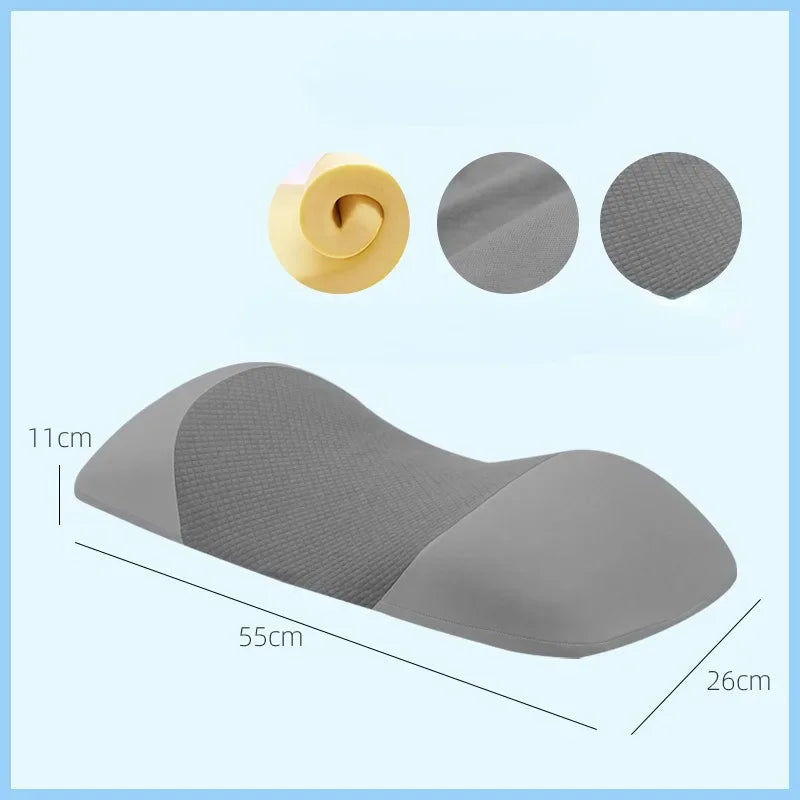
High density memory foam pillow supporting lower back stiffness at night 💡 See it in action
Why Back Pain Often Feels Worse at Night
Many people notice their back pain intensifies after lying down. Muscles relax, poor posture becomes more obvious, and unsupported curves strain the spine. If your mattress or pillow setup does not support natural alignment, pressure builds silently while you sleep.
Common nighttime triggers include:
- Gaps between the mattress and lower back
- Side sleeping without lumbar support
- Back sleeping with flattened spinal curves
- Overly soft pillows that lose shape overnight
These small issues add up, leading to lower back stiffness at night and sore mornings.
What Is a High Density Memory Foam Pillow?
A high density memory foam pillow is designed to hold its shape under pressure while molding precisely to your body. The dense foam responds to heat and weight, offering steady resistance instead of collapsing.
Because it adapts gradually, it provides:
- Consistent lumbar support through the night
- Reduced pressure on sensitive areas
- Better alignment for hips and spine
- Longer-lasting structure compared to soft foam
How Proper Support Improves Spinal Alignment
A high density memory foam pillow supports the natural curve of your spine by filling the space between your body and mattress. This prevents twisting, sagging, or overextension that can irritate nerves and muscles.
When used correctly, it acts as a gentle sleep posture corrector, helping your body stay neutral without forcing unnatural positions.
Key alignment benefits include:
- Balanced hip positioning
- Reduced muscle tension overnight
- Less strain on discs and joints
- Smoother transitions between sleep stages
Step-by-Step: How to Use a Memory Foam Back Pillow
Using a memory foam back pillow correctly is simple, but placement matters. Follow these steps for best results.
- Lie down in your usual sleep position.
- Identify the natural curve of your lower back.
- Place the pillow so it fills the gap without pushing forcefully.
- Adjust slightly until your spine feels neutral and relaxed.
Within a few nights, your body begins adapting to this improved support.
Best Sleep Positions for Back Pain Relief
Different sleep positions benefit from different pillow placements.
Back sleepers
- Place the pillow under the lower back curve
- Optional: small support under knees
Side sleepers
- Position the pillow between waist and mattress
- Keep knees slightly bent
Combination sleepers
- Choose a medium-sized pillow for flexibility
- Reposition easily during the night
Many users pair their setup with items from Sleep & Comfort collections to create a more supportive sleep environment.
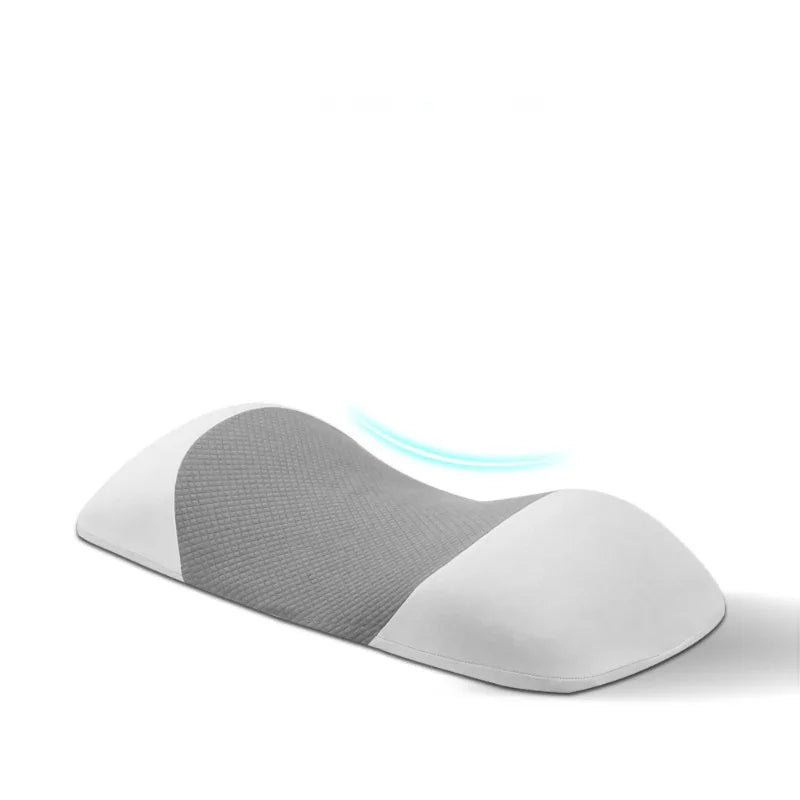
Memory foam back pillow improving sleep posture corrector benefits 💡 See it in action
Who Benefits Most From This Pillow
A high density memory foam pillow is especially helpful for:
- People with desk-related back pain
- Parents lifting children frequently
- Side sleepers with waist gaps
- Those waking with morning stiffness
It’s also a popular choice among wellness-focused families browsing Beauty & Wellness and Massage & Relaxation collections for everyday comfort.
Memory Foam vs Other Pillow Types
| Feature | High Density Memory Foam | Polyfill | Feather |
|---|---|---|---|
| Shape retention | Excellent | Poor | Moderate |
| Spinal support | High | Low | Low |
| Durability | Long-lasting | Short-term | Medium |
| Pressure relief | Consistent | Minimal | Uneven |
Real Experiences After One Week
Many users report noticeable improvements within the first week. Common feedback includes:
- Less tossing and turning
- Reduced lower back stiffness at night
- More comfortable side sleeping
- Feeling more rested in the morning
Some parents mention pairing the pillow with calming routines inspired by Mom Essentials to unwind fully before bed.
Care, Maintenance, and Longevity
To keep your memory foam back pillow effective:
- Use a removable, washable cover
- Avoid direct sunlight exposure
- Spot clean foam only
- Allow air circulation regularly
With proper care, high density foam maintains support far longer than standard pillows.
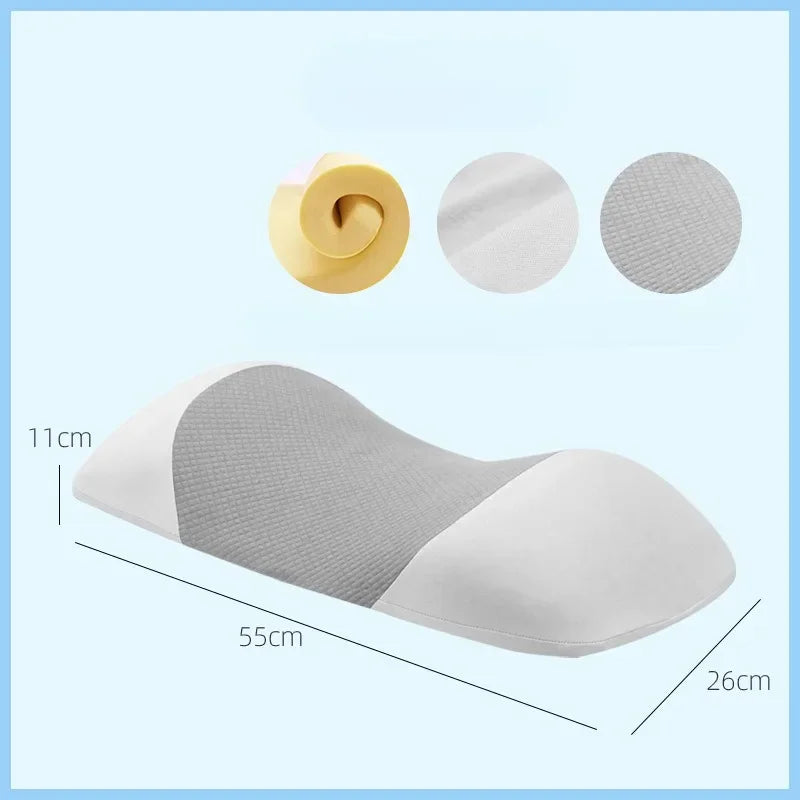
High density memory foam pillow for spinal alignment sleep 💡 See it in action
Frequently Asked Questions
How long does it take to feel results?
Many people notice reduced discomfort within a few nights, while full adjustment typically happens over one to two weeks as the body adapts.
Can I use it with any mattress?
Yes, a high density memory foam pillow works with firm, medium, or soft mattresses by filling support gaps.
Is it suitable for side sleepers?
Absolutely. Side sleepers often experience the most relief due to improved waist and lumbar support.
Will it lose shape over time?
High density foam is designed to resist sagging and maintains structure far longer than standard cushions.
Related Guide: How to Achieve Correct Spinal Alignment While Sleeping





