

Ways to Reduce Muscle Soreness After Intense Workouts
Do ways to reduce muscle soreness really work?
Ways to reduce muscle soreness work best when recovery starts immediately after training. Simple habits like gentle movement, hydration, targeted massage, and heat can ease tight fibers, reduce upper back soreness after workout sessions, and help muscles recover faster so you can train consistently without lingering pain.
Ways to Reduce Muscle Soreness After Intense Workouts
⏱ 6 min read
Ways to reduce muscle soreness don’t require skipping workouts or waiting days to feel normal again. With the right recovery habits, you can calm tight muscles, ease upper back soreness after workout sessions, and feel ready to move again sooner. This guide walks you through practical, at-home techniques that fit into real life—no complicated routines required.
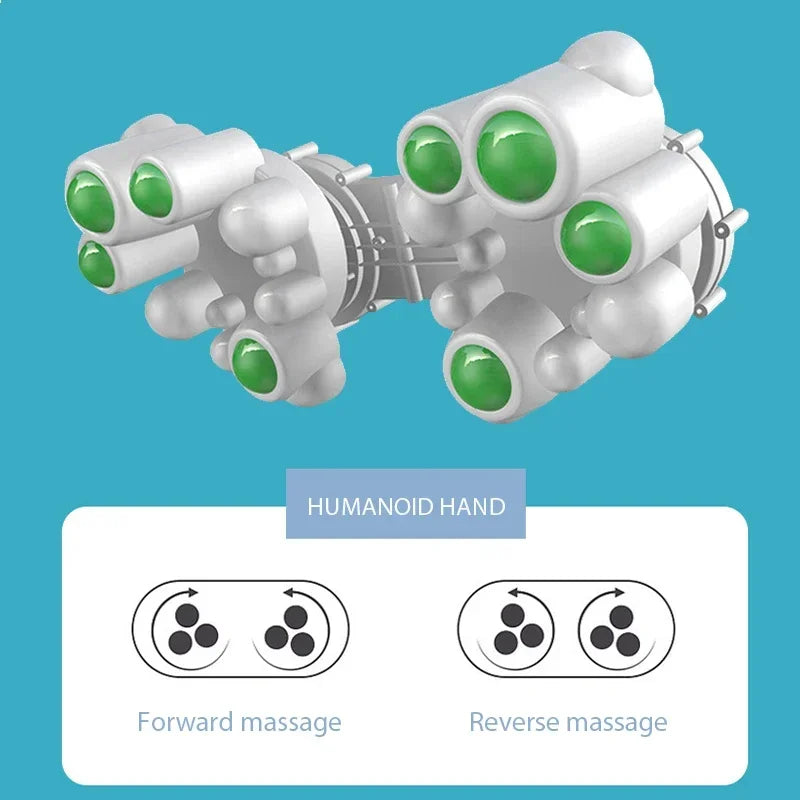
Ways to reduce muscle soreness start with smart recovery choices 💡 See it in action
Why Muscles Feel Sore After Hard Training
That deep ache you feel a day or two after training isn’t random. Intense or unfamiliar movements create tiny muscle fiber tears. As your body repairs them, inflammation builds, causing stiffness and tenderness—especially in areas like the shoulders and upper back.
- New exercises or higher intensity loads
- Long workouts without enough recovery time
- Poor posture during strength or desk work
- Limited circulation after training
Fast Ways to Reduce Muscle Soreness
Ways to reduce muscle soreness include light movement, hydration, and targeted heat or massage. These steps improve circulation, reduce stiffness, and help muscles relax so recovery feels shorter instead of dragging on for days.
- Gentle movement: Short walks or mobility drills keep blood flowing.
- Warmth: Heat helps tight muscles relax after intense sessions.
- Hydration: Fluids support muscle repair and reduce cramping.
- Massage: Encourages circulation and eases tension quickly.
Relief for Upper Back Soreness After Workout
Upper back soreness after workout sessions is common, especially after strength training or long hours at a desk. Tight shoulders and neck muscles restrict movement and make even simple tasks uncomfortable.
- Use heat to loosen stiff shoulder muscles
- Focus on posture during and after workouts
- Apply slow, controlled massage to trigger points
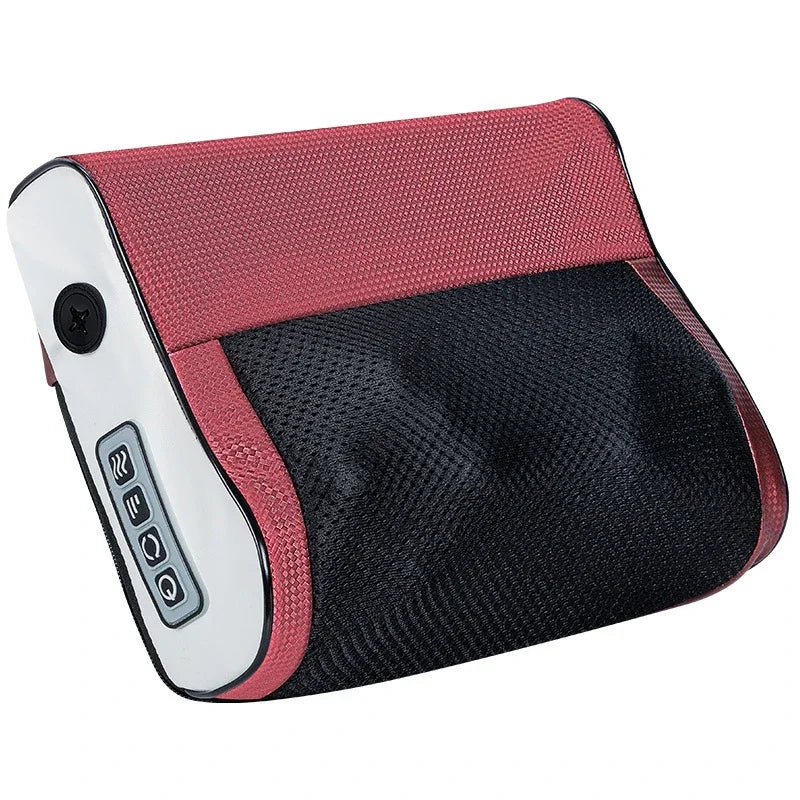
Upper back soreness after workout relief with targeted massage 💡 See it in action
Why Massage Helps Sore Muscles
Massage for sore muscles after workout sessions works by increasing blood flow, reducing tightness, and calming overworked fibers. Even short sessions can make a noticeable difference in flexibility and comfort.
| Benefit | What It Does |
|---|---|
| Improves circulation | Delivers oxygen and nutrients faster |
| Reduces stiffness | Helps muscles relax naturally |
| Boosts recovery | Supports quicker return to training |
Many fitness enthusiasts find that combining massage with heat feels more soothing than stretching alone, especially for the neck and shoulders.
An Easy Way to Support Recovery at Home
Using a neck and shoulder massager with heat can simplify recovery. It delivers steady warmth and rhythmic pressure that’s hard to replicate manually, making it easier to stay consistent with recovery.
Neck and Shoulder Massager with Heat is designed to fit naturally around tense areas, helping muscles relax while you unwind.
Home Massage Tips That Actually Work
Home massage tips don’t need to be complicated. A few focused minutes can ease soreness and improve how your body feels the next day.
- Start slow with light pressure
- Focus on sore spots for 30–60 seconds
- Combine massage with gentle heat
- Breathe deeply to help muscles relax
Consistency matters more than intensity. Short daily sessions often feel better than occasional long ones.
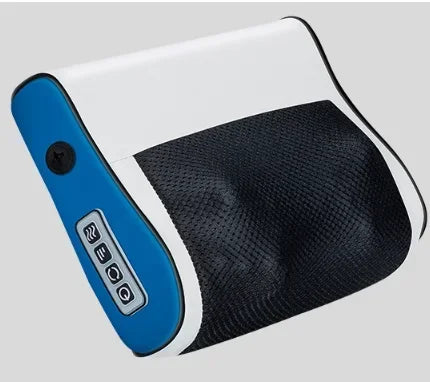
Home massage tips for daily muscle pain relief 💡 See it in action
Building a Simple Recovery Routine
A realistic routine helps you stick with recovery. Pair your workouts with habits that support muscle comfort and long-term progress.
- Light mobility after training
- Massage or heat in the evening
- Comfort-focused rest routines
Many active parents and busy professionals appreciate tools that save time and reduce guesswork. Options from Mobility & Training and Sleep & Comfort can help make recovery feel effortless.
Quick FAQs
How long does muscle soreness usually last?
Most soreness fades within 24–72 hours, depending on intensity and recovery habits.
Is massage safe after every workout?
Yes, gentle massage is generally safe and helpful, especially when paired with rest and hydration.
Can heat help reduce stiffness?
Heat relaxes tight muscles and improves circulation, making it useful after intense sessions.
Related Guide: How to Reduce Muscle Soreness With Simple Daily Steps





